How to Clean Vegetable Spiralizer Quickly & Effectively
You love making fresh, healthy meals with your vegetable spiralizer. But after all that chopping and twisting, cleaning it can feel like a hassle.
If you don’t clean your spiralizer properly, leftover bits can get stuck, dull the blades, or even cause bacteria buildup. Don’t worry—cleaning your spiralizer doesn’t have to be complicated or time-consuming. In this guide, you’ll learn simple, effective steps to keep your spiralizer spotless and ready for your next veggie masterpiece.
Keep reading to discover easy tricks that will save you time and keep your kitchen safe.
Choosing The Right Spiralizer
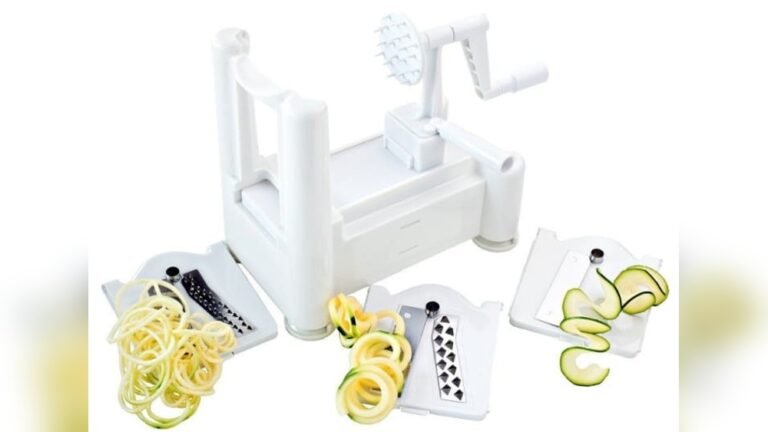
Choosing the right vegetable spiralizer is key for easy cleaning and use. Different spiralizers suit different needs and kitchen styles. A good choice makes spiralizing and cleaning quick and simple. This guide helps you pick the best one for your kitchen.
Types Of Vegetable Spiralizers
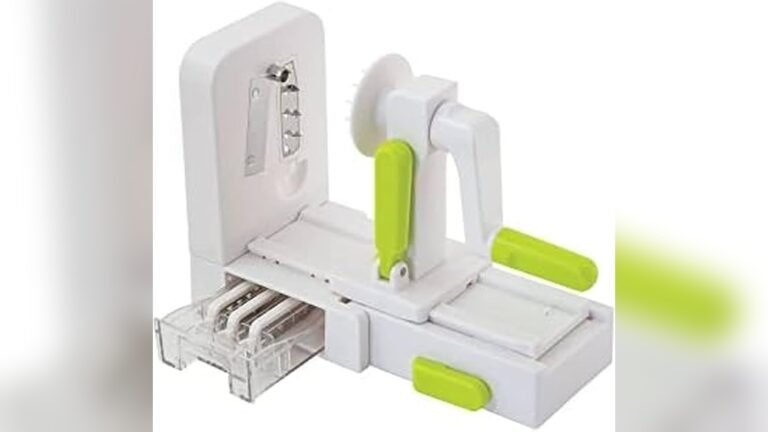
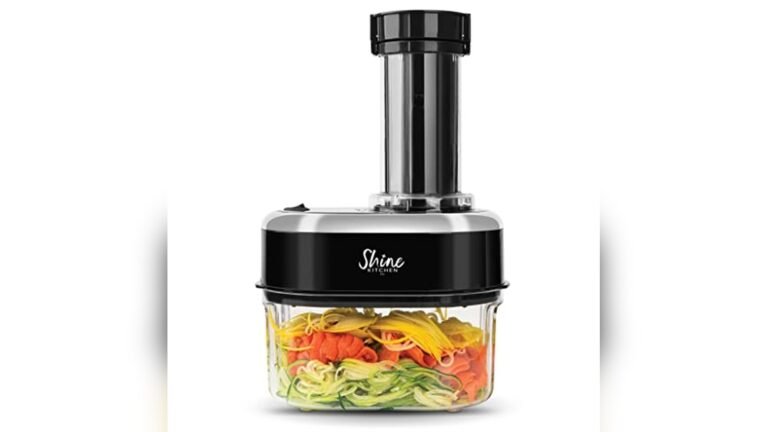
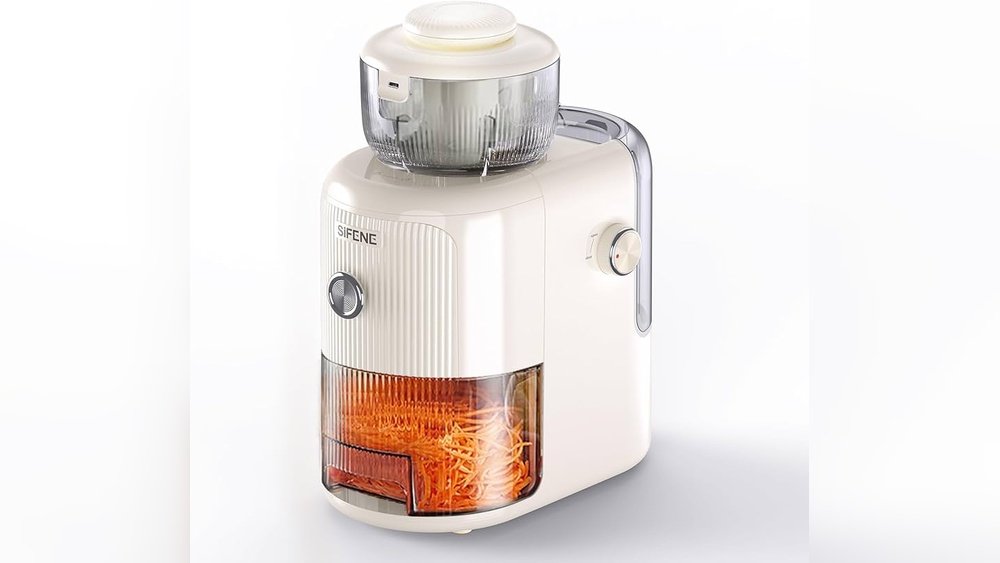
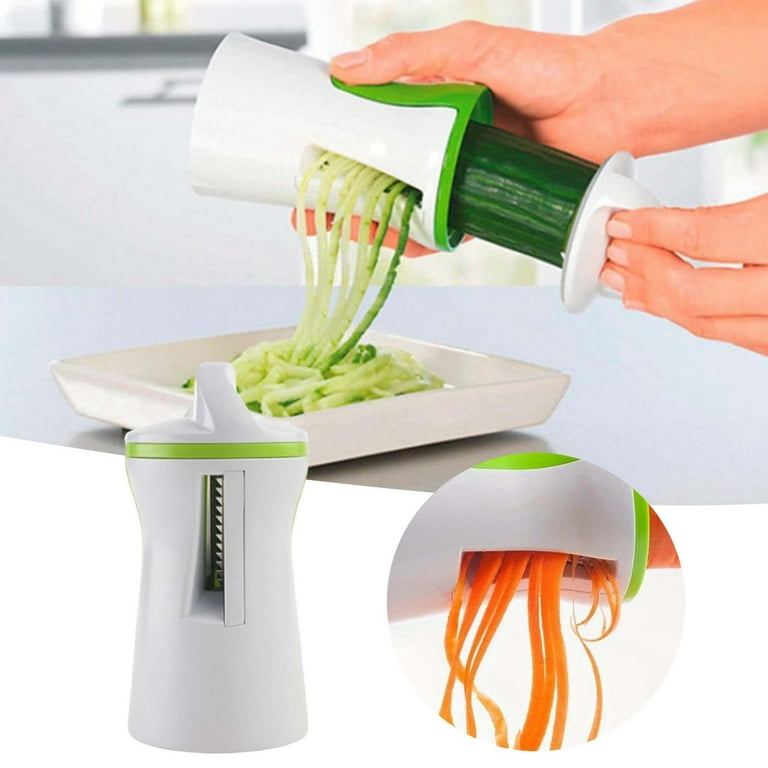
There are three main types of spiralizers: handheld, countertop, and electric. Handheld spiralizers are small and easy to store. They work well for soft vegetables. Countertop spiralizers are larger and stable. They handle tough vegetables and make uniform spirals. Electric spiralizers do the work automatically. They save time and effort for frequent use.
Materials And Durability
Spiralizers come in plastic, stainless steel, or a mix of both. Plastic models are lightweight and affordable. They may wear out faster with heavy use. Stainless steel spiralizers last longer and resist rust. They often have sharper blades for cleaner cuts. Choose a material that fits your budget and how often you cook.

Credit: www.amazon.com
Preparing Your Spiralizer For Cleaning
Preparing your vegetable spiralizer for cleaning is the first step to keep it working well. Proper preparation helps remove stuck food and prevents damage. It also makes cleaning faster and easier. Follow simple steps to get your spiralizer ready before washing.
Disassembling The Parts
Start by unplugging the spiralizer if it is electric. Remove all detachable parts carefully. Take out the blade component first. Next, separate the food holder and any other removable sections. Lay the parts on a clean surface. This process helps reach all corners during cleaning.
Handling Sharp Blades Safely
Blades are very sharp and need careful handling. Hold blades by the edges, never by the cutting surface. Use a cloth or gloves if needed to protect your hands. Keep blades away from children and pets. Place blades on a stable surface when cleaning to avoid slips. Safe handling prevents cuts and accidents.
Cleaning Methods
Cleaning your vegetable spiralizer keeps it working well and safe for food. Dirt and vegetable bits can get stuck in the blades and parts. Using the right cleaning methods helps remove all residue and stops rust or damage. Here are simple ways to clean your spiralizer effectively.
Hand Washing With Soap And Water
Start by taking apart the spiralizer carefully. Use warm water and mild soap to wash each part. A soft brush helps clean hard-to-reach places and blades. Rinse all pieces under running water to remove soap. Dry parts completely with a clean towel before storing. Avoid soaking metal parts too long to prevent rust.
Using A Dishwasher Safely
Check if your spiralizer is dishwasher safe by reading the manual. Place small parts like blades and attachments on the top rack. Avoid putting the main body in the dishwasher. Use a gentle cycle and mild detergent. Remove parts quickly after the wash to dry them. This method saves time and keeps pieces clean.
Natural Cleaning Solutions
Mix equal parts of water and white vinegar in a bowl. Soak spiralizer parts for 10 minutes to remove stains and odors. Baking soda paste works well for scrubbing stubborn spots. Use a soft cloth or brush with the paste on the blades. Rinse thoroughly with water and dry all parts well. These natural solutions are safe and eco-friendly.
Removing Stubborn Residue
Removing stubborn residue from your vegetable spiralizer keeps it working smoothly. Food particles often get stuck on the blades and in tight spaces. This residue can harden and become difficult to remove. Cleaning it thoroughly prevents bacteria buildup and keeps your spiralizer safe to use.
Using simple methods can help break down and lift stuck-on bits. These techniques are gentle but effective. They also protect the sharp blades from damage. Let’s explore two easy ways to clean stubborn residue from your spiralizer.
Soaking Techniques
Fill a bowl with warm water and mild dish soap. Submerge the spiralizer parts that hold residue. Let them soak for 10 to 15 minutes. This softens hardened food and loosens particles.
Use a soft brush or sponge after soaking to scrub away residue. Pay attention to corners and blade edges. Rinse all parts well under running water. Dry completely before reassembling to avoid rust.
Using Baking Soda And Vinegar
Sprinkle baking soda over the spiralizer blades and stubborn spots. Add a little white vinegar to create a fizzing action. This natural cleaner helps break down tough residue.
Let the mixture sit for 5 to 10 minutes. Use a soft brush to scrub gently. Rinse thoroughly with warm water to remove all baking soda and vinegar. Dry the parts fully before using or storing.
Drying And Storing Tips
Proper drying and storing keep your vegetable spiralizer in top condition. Moisture left on the blades or body can cause rust or mold. Storing it incorrectly may damage the sharp blades or plastic parts. Follow these tips to make sure your spiralizer lasts longer and works well every time.
Air Drying Best Practices
After washing, shake off excess water gently. Place the spiralizer parts on a clean towel or drying rack. Keep the blades and small parts separated to let air flow freely. Avoid stacking pieces while wet to prevent moisture buildup. Let the spiralizer dry completely before storing to stop rust and mold.
Proper Storage To Prevent Damage
Store your spiralizer in a dry, cool place away from direct sunlight. Use a container or drawer that protects the blades from bumps. Keep all parts together to avoid losing small pieces. If your spiralizer has a cover or case, use it for extra protection. Regularly check the blades for damage and clean before storing again.
Credit: www.walmart.com
Maintaining Your Spiralizer
Maintaining your vegetable spiralizer keeps it working smoothly and safely. Proper care extends its lifespan and ensures clean, crisp spirals every time. Regular maintenance is simple and saves money by avoiding early replacements.
Regular Blade Sharpening
Sharp blades make spiralizing easier and safer. Dull blades can crush vegetables and cause uneven cuts. Use a small sharpening stone or a blade sharpener designed for kitchen tools. Sharpen blades gently to maintain the original edge. Check blade sharpness every few uses to keep them in good condition.
Checking For Wear And Tear
Inspect your spiralizer often for any damage. Look for cracks, loose parts, or bent blades. Worn-out parts can reduce performance and cause injury. Tighten screws and replace damaged pieces right away. Regular checks help you spot problems before they worsen.
Cleaning Vegetables Before Spiralizing
Cleaning vegetables before spiralizing is essential for safe and tasty results. Dirt, pesticides, and bacteria can hide on the surface. Proper cleaning removes these unwanted substances. This step also helps your spiralizer stay clean longer. Start by rinsing your vegetables under cold water to remove loose dirt. Then, use natural cleaning methods for deeper cleansing.
Washing With Baking Soda
Mix one teaspoon of baking soda with two cups of water. Soak vegetables in this solution for 10 to 15 minutes. Baking soda helps break down pesticides and dirt on the skin. Gently rub the surface to remove stubborn spots. Agitate the vegetables occasionally to clean all sides. After soaking, rinse vegetables thoroughly with cold water. This step ensures no baking soda residue remains.
Rinsing With Vinegar Solution
Prepare a vinegar solution by mixing one part white vinegar and three parts water. Soak vegetables in the mixture for 5 to 10 minutes. Vinegar kills bacteria and helps remove germs. After soaking, rinse the vegetables well under cold running water. This final rinse removes vinegar taste and any loosened dirt. Your vegetables are now clean and ready for spiralizing.

Credit: maiamidwifery.com
Frequently Asked Questions
How To Clean A Spiralizer?
Rinse the spiralizer immediately after use to remove residue. Use a soft brush to clean blades carefully. Wash parts in warm, soapy water or place dishwasher-safe pieces on the top rack. Dry all components thoroughly before storing to prevent rust and maintain sharpness.
Can A Spiralizer Go In The Dishwasher?
Most spiralizer blades and accessories are dishwasher safe on the top rack. Clean the main body by hand with a damp cloth to prevent damage.
How To Clean Vegetables With Baking Soda And Vinegar?
Rinse vegetables under cold water to remove dirt. Soak in baking soda solution for 10 minutes. Rinse again. Soak in vinegar solution for 5 minutes to disinfect. Rinse thoroughly under running water. Dry with a clean towel before storing.
How To Clean A Vegetable Steamer?
Remove food residue from the steamer. Wash non-electric parts in hot, soapy water. Rinse thoroughly. Dry completely before storage. Wipe electric parts with a damp cloth only. Avoid immersing electrical components in water.
Conclusion
Cleaning your vegetable spiralizer is simple and quick. Use warm, soapy water to wash all parts carefully. Rinse thoroughly to remove any food bits. Dry each piece well to prevent rust or mold. Regular cleaning keeps your spiralizer safe and ready to use.
A clean spiralizer helps you make fresh, healthy meals easily. Keep the blades sharp and handle with care during cleaning. Store your spiralizer in a dry place after every use. Clean tools make cooking more enjoyable and efficient.

Hi, I’m Emma Carter, a passionate home cook with over 12 years of hands-on experience in home kitchens. I love testing kitchen tools, trying new recipes, and helping everyday cooks make smarter buying decisions. Every review and guide I write is based on real cooking experience, practical testing, and honest opinions, not marketing claims.