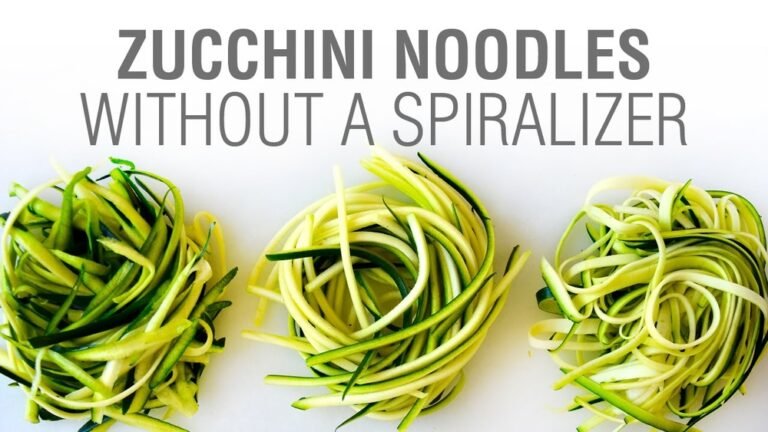
Safety Tips for Vegetable Spiralizer | Stay Safe & Efficient
You love fresh, colorful veggies and the fun of turning them into tasty, spiral-shaped noodles. But have you ever stopped to think about how to use your vegetable spiralizer safely?
Using this handy kitchen tool is easy, but a few simple safety tips can protect your fingers and help you get perfect spirals every time. You’ll discover practical advice that makes spiralizing safer and more enjoyable. Keep reading to make your veggie prep quick, fun, and injury-free!
Credit: spice.alibaba.com
Choosing The Right Spiralizer
Choosing the right vegetable spiralizer is important for safe and easy use. The right tool makes spiralizing fun and reduces the risk of injury. Consider what fits best in your kitchen and meets your needs. This helps you handle the spiralizer confidently and safely.
Manual Vs Electric Models
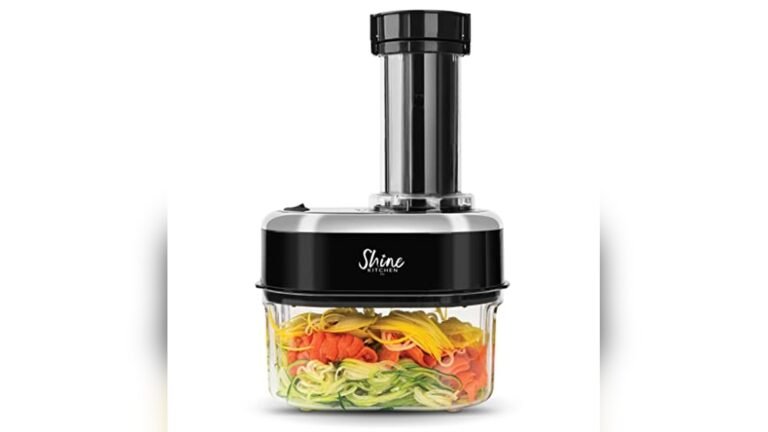
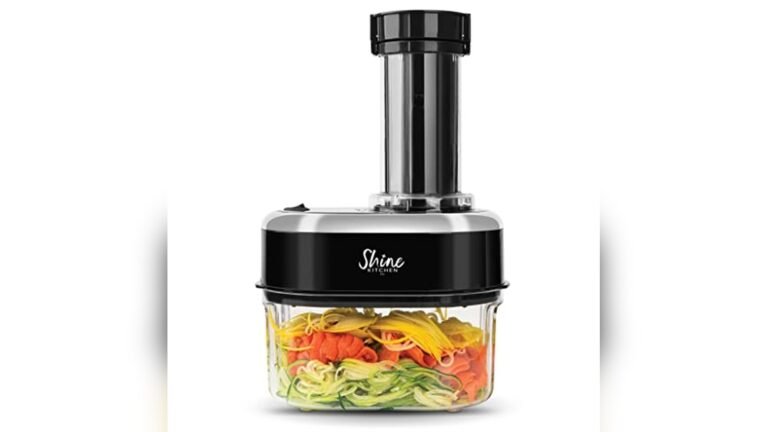
Manual spiralizers require hand power to twist vegetables. They are simple and easy to clean. Manual models give you more control but need effort. Electric spiralizers work faster with less effort. They are good for large batches. Electric models need careful handling to avoid accidents.
Material And Build Quality
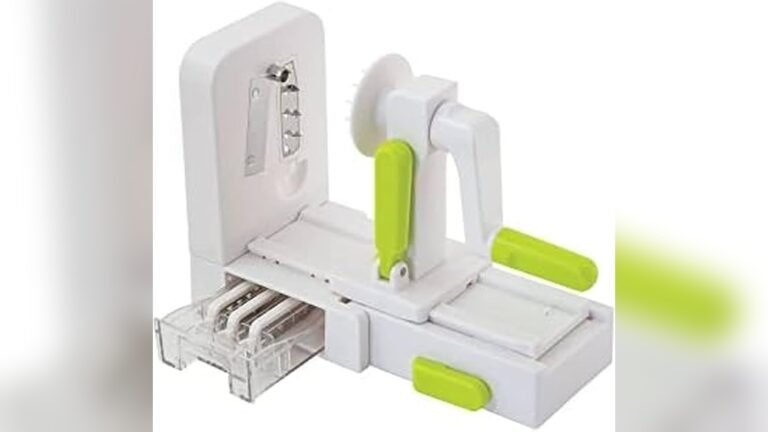
Choose spiralizers made from strong, durable materials. Stainless steel parts resist rust and stay sharp longer. Plastic models can be lighter but may wear out. A sturdy base prevents slipping during use. Solid build quality means safer and smoother spiralizing.
Blade Types And Sizes
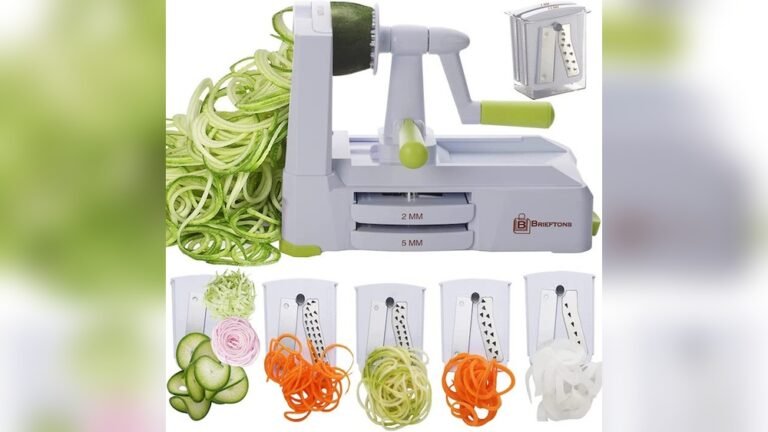
Blades vary in shape and size for different cuts. Some spiralizers have multiple blades for ribbons, noodles, or thin spirals. Sharp blades cut easily but need cautious use. Dull blades cause slips and increase injury risk. Pick blades that suit your vegetable types and recipes.
Preparing Vegetables Safely
Preparing vegetables safely is the first step to enjoy your spiralizer without risk. Proper preparation helps prevent accidents and ensures smooth spiralizing. Follow simple practices to handle vegetables securely before spiralizing.
Selecting Suitable Vegetables
Choose firm vegetables with a sturdy shape. Soft or irregular vegetables can slip and cause injuries. Good options include zucchini, carrots, cucumbers, and sweet potatoes. Avoid overly ripe or mushy vegetables that can break apart during spiralizing.
Proper Washing And Drying
Wash vegetables under cold running water to remove dirt and bacteria. Use a vegetable brush for tougher skins. Dry them thoroughly with a clean towel. Wet vegetables can slip during spiralizing, increasing the risk of cuts.
Cutting For Stability
Trim vegetables into straight, flat sections. This helps them sit firmly on the spiralizer. Remove any odd shapes or tapered ends. Stable pieces reduce wobbling and make the spiralizing process safer and easier.
Using The Spiralizer Correctly
Using a vegetable spiralizer correctly is key for safe and effective results. Proper use prevents injuries and keeps your device in good shape. Follow these simple steps to enjoy your spiralizer without any hassle.
Setting Up The Device
Place the spiralizer on a flat, stable surface. Make sure it does not wobble or slip. Attach all parts firmly according to the manual. Check the blades are sharp and clean before use. Keep your hands clear of the blades at all times.
Positioning Vegetables Securely
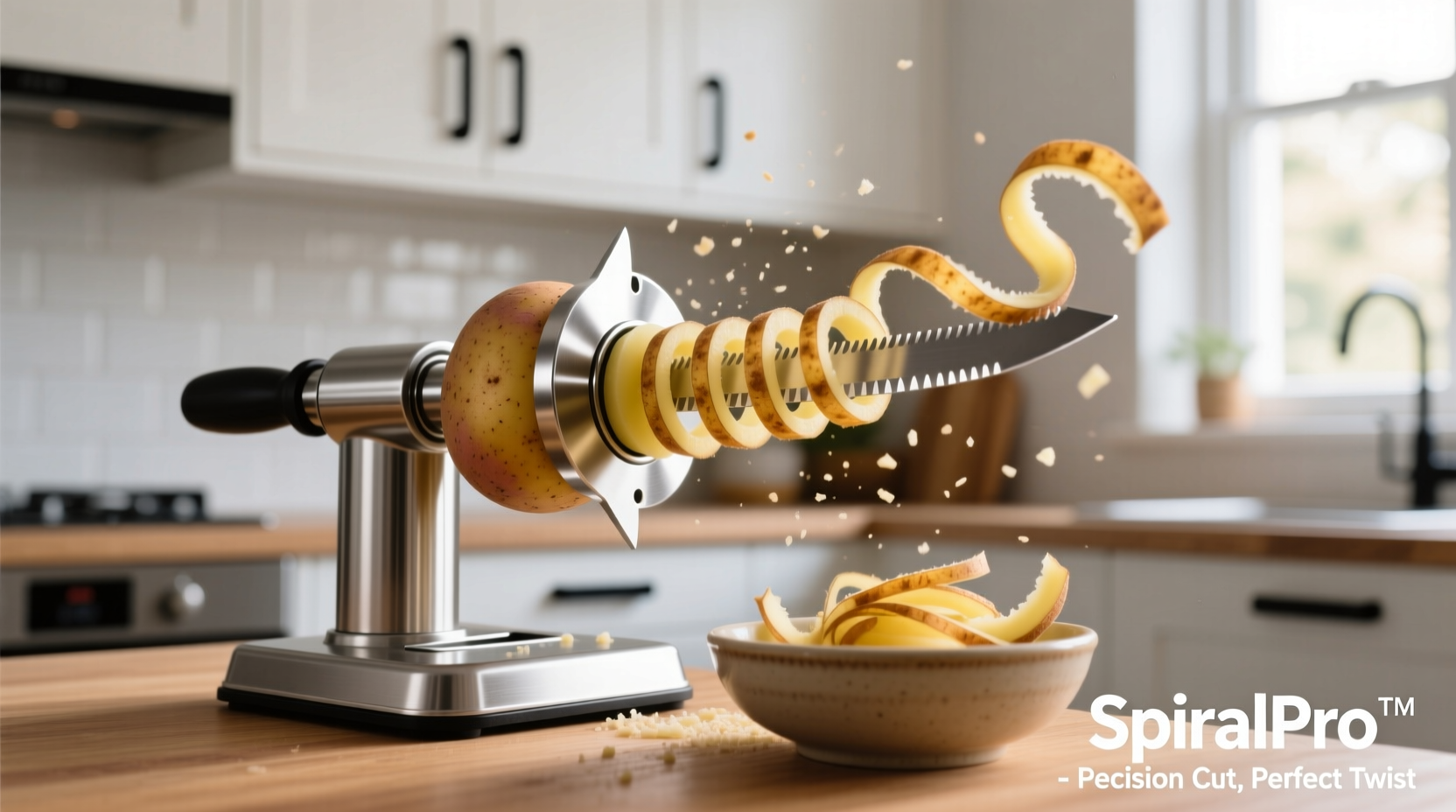
Trim the vegetable ends to create flat surfaces. This helps the vegetable stay steady while spiralizing. Press the flat end against the center blade. Hold the vegetable firmly to avoid slipping. Use the hand guard if your spiralizer has one.
Safe Twisting Techniques
Turn the handle slowly and evenly. Apply gentle, steady pressure while twisting. Avoid forcing the vegetable through the blades. Stop twisting if you feel resistance. Keep your fingers away from the blade area during use.
Preventing Common Injuries
Using a vegetable spiralizer can make meal prep fun and healthy. Yet, safety is key to avoid injuries. Knowing how to prevent common accidents keeps your kitchen safe and stress-free. Simple habits protect your fingers and hands from harm. Follow these tips to enjoy spiralizing without worry.
Avoiding Finger Cuts
Keep your fingers clear of the blades while spiralizing. Use the food holder or pusher that comes with the spiralizer. Do not press too hard or twist too fast. Always hold the vegetable firmly but safely. Stop spiralizing if the vegetable becomes too small to hold safely.
Handling Sharp Blades
Blades on spiralizers are very sharp and need careful handling. Always clean blades separately using a brush or cloth. Avoid touching blades directly with your hands. Store blades in a safe place away from children. Check blades for damage before use to prevent accidents.
Dealing With Slips And Falls
Place the spiralizer on a dry, stable surface to avoid slipping. Clean up spills immediately to prevent falls. Use a non-slip mat under the spiralizer for extra grip. Keep the area around your workspace tidy and free of obstacles. Wear shoes with good grip if your floor is slippery.
Cleaning And Maintenance Tips
Cleaning and maintaining your vegetable spiralizer keeps it safe and efficient. Proper care stops damage and extends its life. Follow simple steps to clean blades and parts carefully. Regular checks help spot wear before problems start. Clean tools work better and keep food safe.
Safe Blade Removal And Cleaning
Always remove blades carefully to avoid cuts. Use a cloth or gloves when handling sharp edges. Rinse blades under warm water to remove food bits. Use a soft brush to clean hard-to-reach spots. Never soak blades for long to avoid rust. Dry blades fully before storing to keep them sharp.
Avoiding Damage During Washing
Do not put spiralizer parts in the dishwasher unless instructions say so. Hand wash with mild soap and warm water for best care. Avoid using abrasive sponges that can scratch surfaces. Clean plastic parts gently to prevent cracks. Rinse well to remove soap residue. Let all parts air dry completely before assembly.
Regular Inspection For Wear
Check blades for dullness or rust before each use. Inspect plastic parts for cracks or breaks. Test the tightness of screws and handles regularly. Replace any worn or damaged parts promptly. Using damaged parts can cause injury or poor performance. Keep your spiralizer in good shape for safe cooking.

Credit: www.amazon.sa
Storage And Handling Safety
Proper storage and careful handling are vital for using a vegetable spiralizer safely. Storing the spiralizer and its blades correctly prevents accidents and keeps the tool in good condition. Handling the device with care reduces the risk of injury and damage. Follow simple safety practices to protect yourself and your family.
Safe Blade Storage Options
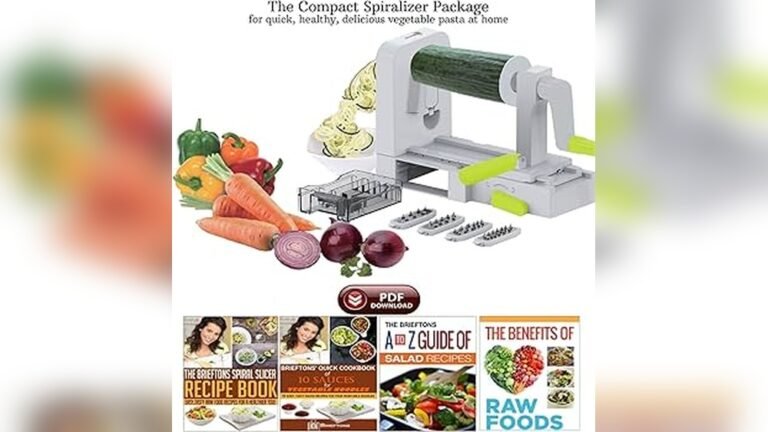
Blades on a spiralizer are sharp and require special storage. Use blade covers or cases designed for your spiralizer model. Store blades separately from other kitchen tools to avoid cuts. Keep blades dry to prevent rust and maintain sharpness. Label storage containers clearly to identify blades quickly and safely.
Keeping Spiralizer Out Of Reach Of Children
Children should never access the spiralizer without supervision. Store the spiralizer in a locked cabinet or high shelf. Explain to children that blades are dangerous and not toys. Make safety a priority by keeping the kitchen free of hazards. Teach children to ask for help when using kitchen tools.
Transporting Without Damage
Protect the spiralizer during transport by using padded containers or bags. Secure blades separately to avoid movement and damage. Avoid placing heavy items on top of the spiralizer. Clean and dry the device before packing to prevent mold or rust. Handle the spiralizer gently to maintain its shape and function.
Troubleshooting Common Issues
Troubleshooting common issues with your vegetable spiralizer helps keep it working well. Small problems can stop your spiralizer from making perfect veggie noodles. Quick fixes save time and avoid frustration. Here are simple tips to handle common problems safely.
Dealing With Stuck Vegetables
Vegetables may get stuck in the spiralizer blades. This happens with soft or irregularly shaped veggies. To fix this, stop twisting and gently pull the vegetable back. Use a small brush or toothpick to clear bits caught in the blades. Avoid forcing the vegetable to prevent damage or injury. Cutting vegetables into straighter, firmer pieces can also help avoid stuck bits.
Blade Dulling Signs
Dull blades make spiralizing harder and less smooth. You will notice the spiralizer struggles or tears vegetables instead of cutting cleanly. Check blades regularly for dull edges or rust spots. Clean blades after each use and dry them well. Replace blades if they no longer cut easily. Sharp blades keep spiralizing safe and efficient.
Fixing Wobbly Parts
Loose or wobbly parts reduce control and can cause accidents. Tighten screws and bolts on the spiralizer base and handle before use. If parts remain loose, check for cracks or worn pieces. Replace damaged parts or the whole spiralizer if needed. A stable spiralizer keeps your hands safe and improves cutting precision.
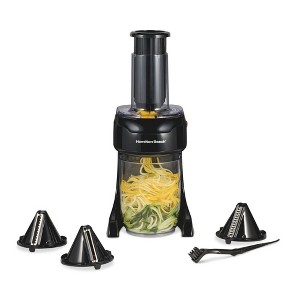
Credit: www.target.com
Frequently Asked Questions
How To Use A Veggie Spiralizer?
Cut vegetables into straight sections. Press the flat end against the blade’s center. Twist clockwise with steady pressure. Collect uniform spirals and enjoy fresh veggie noodles.
What Are The Top 5 Veggies People Spiralize?
The top 5 veggies people spiralize are zucchini, carrots, cucumbers, sweet potatoes, and beets. These create healthy, colorful noodles quickly.
Are Vegetable Spiralizers Worth It?
Vegetable spiralizers make it easy to eat more veggies and save kitchen time. They offer healthy, colorful alternatives to pasta.
Is Spiralizing Healthier Than Regular Pasta?
Spiralized vegetables are lower in calories and carbs than regular pasta. They provide more vitamins, fiber, and are gluten-free.
Conclusion
Using a vegetable spiralizer can make healthy meals fun and easy. Always keep your hands away from blades to avoid injury. Choose firm vegetables for best spiral shapes and less slipping. Clean the spiralizer carefully after each use to keep it safe and working well.
With these simple safety tips, enjoy creating colorful, fresh dishes every day. Stay cautious, and your spiralizing experience will be both safe and enjoyable.
Hi, I’m Emma Carter, a passionate home cook with over 12 years of hands-on experience in home kitchens. I love testing kitchen tools, trying new recipes, and helping everyday cooks make smarter buying decisions. Every review and guide I write is based on real cooking experience, practical testing, and honest opinions, not marketing claims.