Diy Hacks for Vegetable Spiralizer | Tips & Tricks
Looking to turn your veggies into fun, tasty spirals without breaking the bank? You’re in the right place.
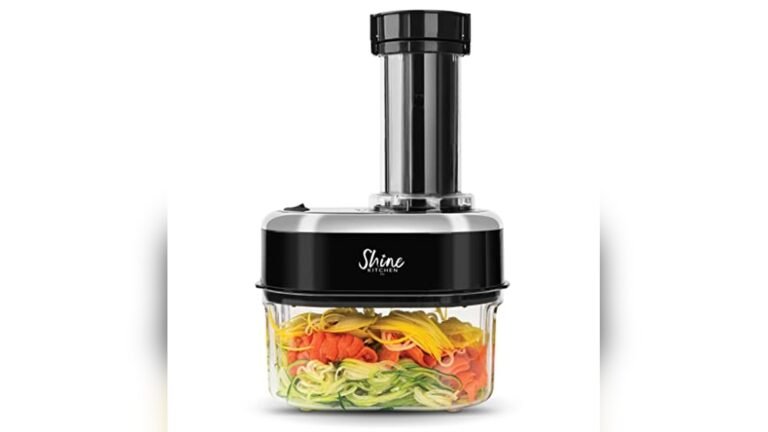
Whether you already own a vegetable spiralizer or want to create one yourself, these DIY hacks will make your kitchen adventures easier and more exciting. Imagine transforming simple carrots, zucchini, or sweet potatoes into beautiful noodles and ribbons in minutes.
Plus, you’ll discover clever tricks that save time, reduce waste, and add a fresh twist to your meals. Ready to impress yourself and your family with creative, healthy dishes? Keep reading to unlock the secrets of vegetable spiralizing that anyone can master!
Choosing Veggies For Spiralizing
Choosing the right vegetables for spiralizing makes a big difference in your dishes. Some veggies work better than others due to their texture and size. Picking the best ones ensures easy spiralizing and tasty results. Freshness is key for the best flavor and crunch. Understanding which vegetables to choose and how to select fresh produce helps improve your spiralizing experience.
Best Vegetables To Spiralize
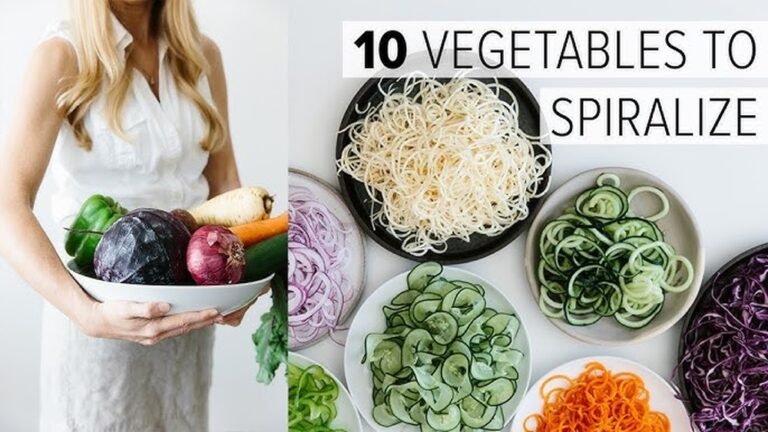
Zucchini tops the list for spiralizing. It has a firm texture and mild taste. Carrots add a sweet crunch and bright color to your meals. Cucumbers provide a refreshing twist and hold their shape well. Sweet potatoes offer a slightly sweet flavor with a firm texture. Beets bring vibrant color and a rich taste. Butternut squash works well but may need peeling first. Turnips and radishes add peppery notes and crispness. Choose vegetables that are firm and not too soft or watery.
Tips For Selecting Fresh Produce
Look for vegetables with no soft spots or bruises. The skin should be smooth and shiny. Avoid veggies that feel mushy or have wrinkles. Choose vegetables with bright and even color. Pick firm vegetables that feel heavy for their size. Smell the produce; fresh veggies have a mild, clean scent. Store vegetables properly to keep them fresh longer. Use spiralizers soon after purchase for best results.
Spiralizer Alternatives
Spiralizers make vegetable noodles fast and fun. Not everyone owns one. Some alternatives work well with common kitchen tools. These options help create spiral cuts without extra gadgets. Try them to add texture and style to meals.
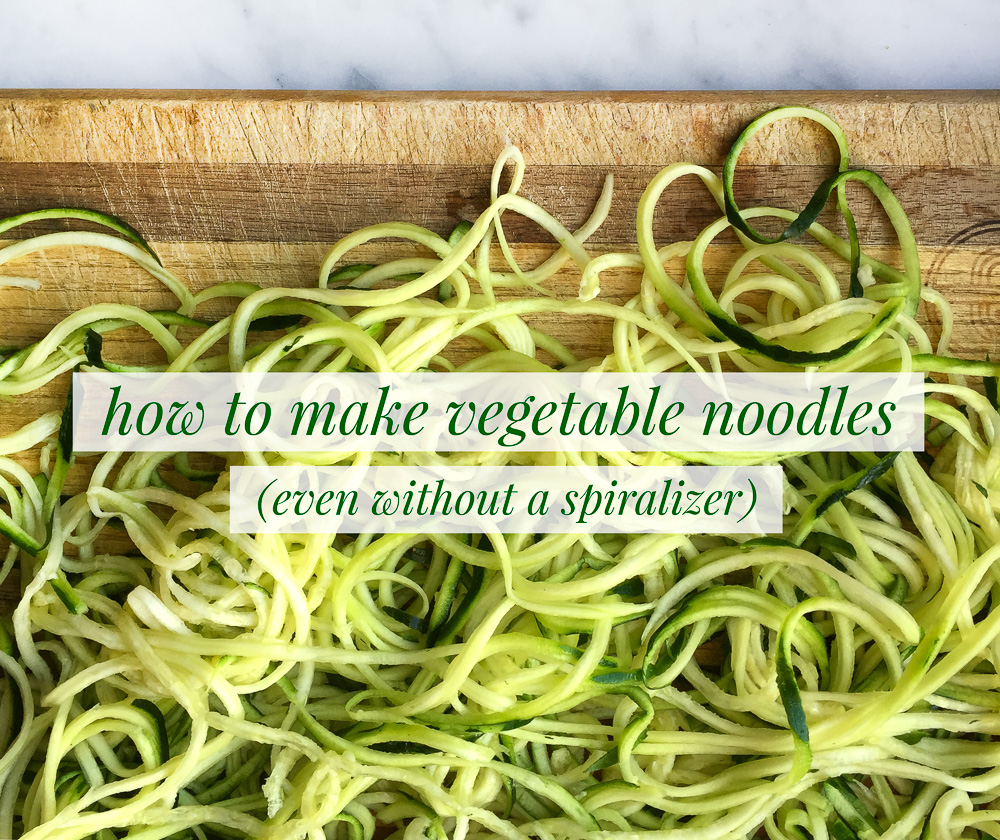
Using A Vegetable Peeler
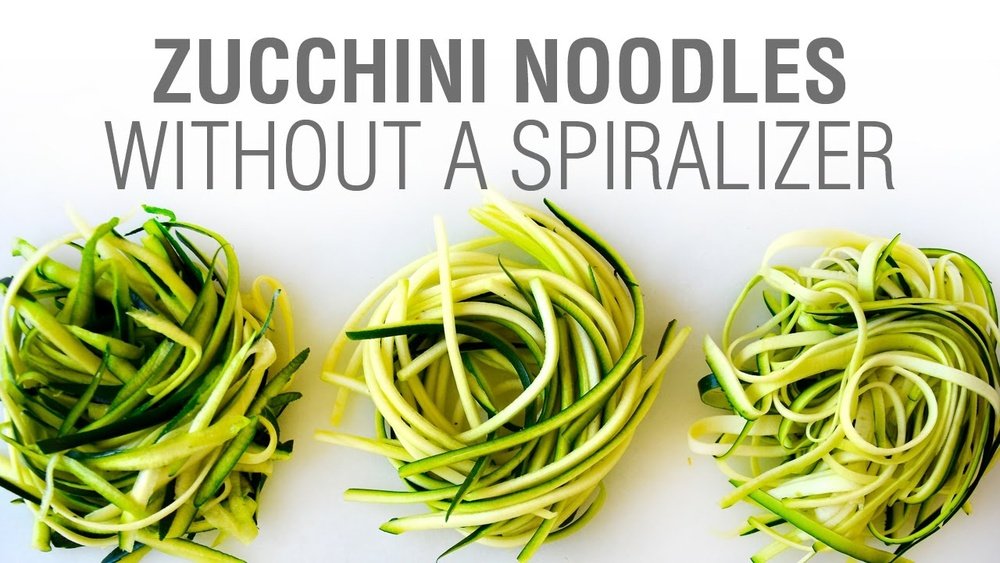
A vegetable peeler can make thin strips easily. Peel long ribbons from zucchini or carrots. Keep steady pressure for even slices. These ribbons work well as noodles or salad toppings. This method needs patience but gives great results.
Box Grater Techniques
Use the large holes on a box grater for spiral-like cuts. Slide the vegetable up and down firmly. This creates long, thin strips similar to spirals. Perfect for softer veggies like cucumbers or zucchinis. Clean the grater carefully after use to avoid rust.
Knife Skills For Spiral Cuts
Sharp knives can make spiral shapes with practice. Cut vegetables into thin strips by slicing lengthwise. Rotate the vegetable as you cut to form spirals. This method requires steady hands and focus. It gives full control over thickness and length.
Prepping Veggies For Spiralizing
Preparing vegetables correctly makes spiralizing simple and enjoyable. Proper prepping helps the spiralizer work smoothly. It also prevents jams and uneven spirals.
Vegetables must be clean, peeled, and trimmed. These steps improve both safety and the final look of your veggie noodles.
Cleaning And Peeling
Start by washing vegetables under cold water. Remove dirt and residues carefully. Use a vegetable brush for tougher skins like carrots or beets.
Peeling depends on the vegetable type. For zucchinis and cucumbers, peeling is optional. For harder vegetables like carrots or sweet potatoes, peel to avoid tough textures.
Trimming Ends For Easy Spiralizing
Cut off both ends of the vegetable. This creates flat surfaces for the spiralizer to grip. Trim any uneven or soft spots to prevent slipping.
Make sure the vegetable is straight. Straight pieces spiralize better and produce uniform noodles. Curvy or thick ends can cause jams or broken spirals.
Credit: www.gilgharda.com
Creative Spiralizer Hacks
Vegetable spiralizers are more than simple kitchen tools. They offer a fun way to prepare meals and add variety to dishes. Small changes and smart tricks can improve your spiralizing experience. These creative hacks help save time and expand your spiralizer’s use.
Try these ideas to make spiralizing easier and more enjoyable. Use your spiralizer in new ways to prepare different foods. These tips also help speed up your kitchen tasks.
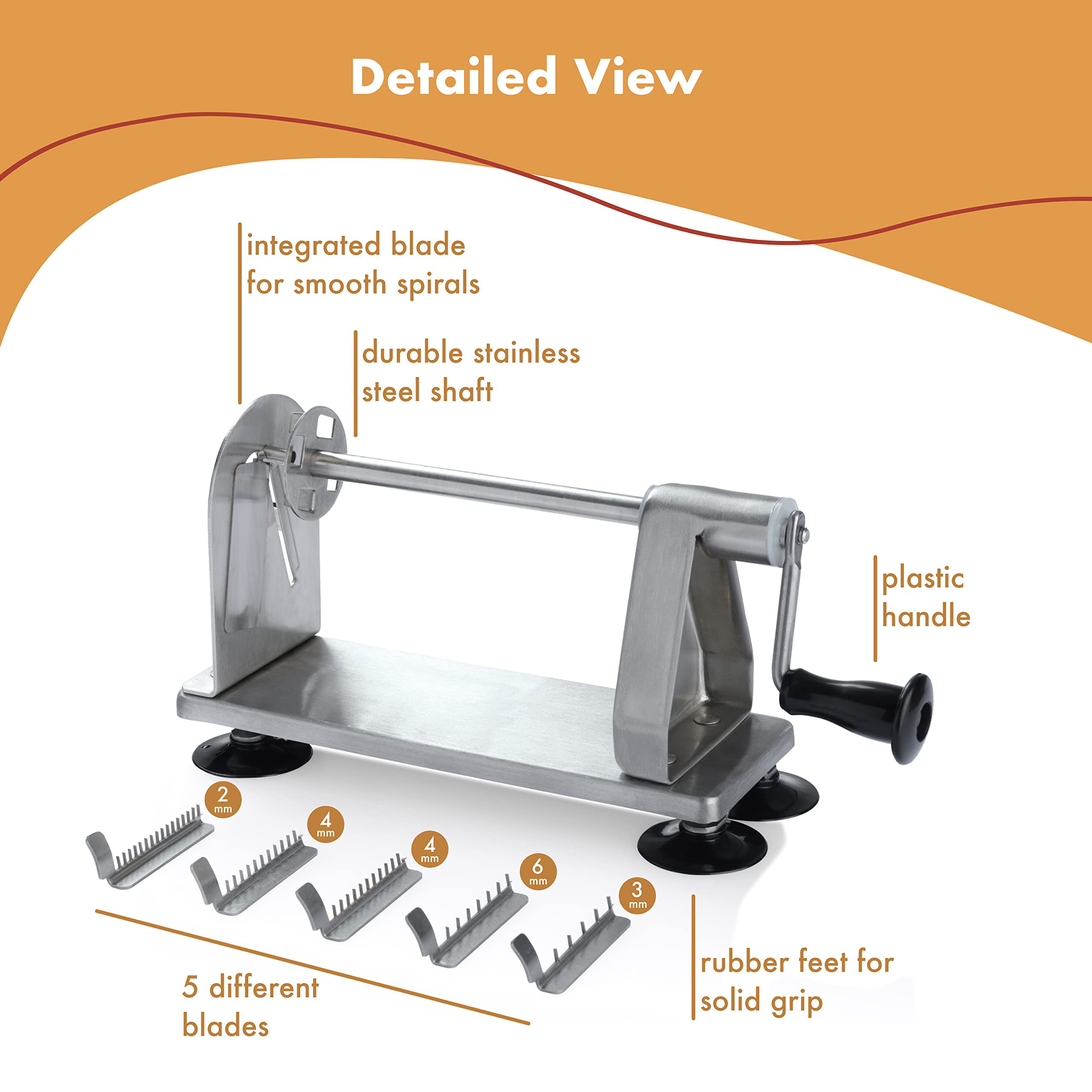
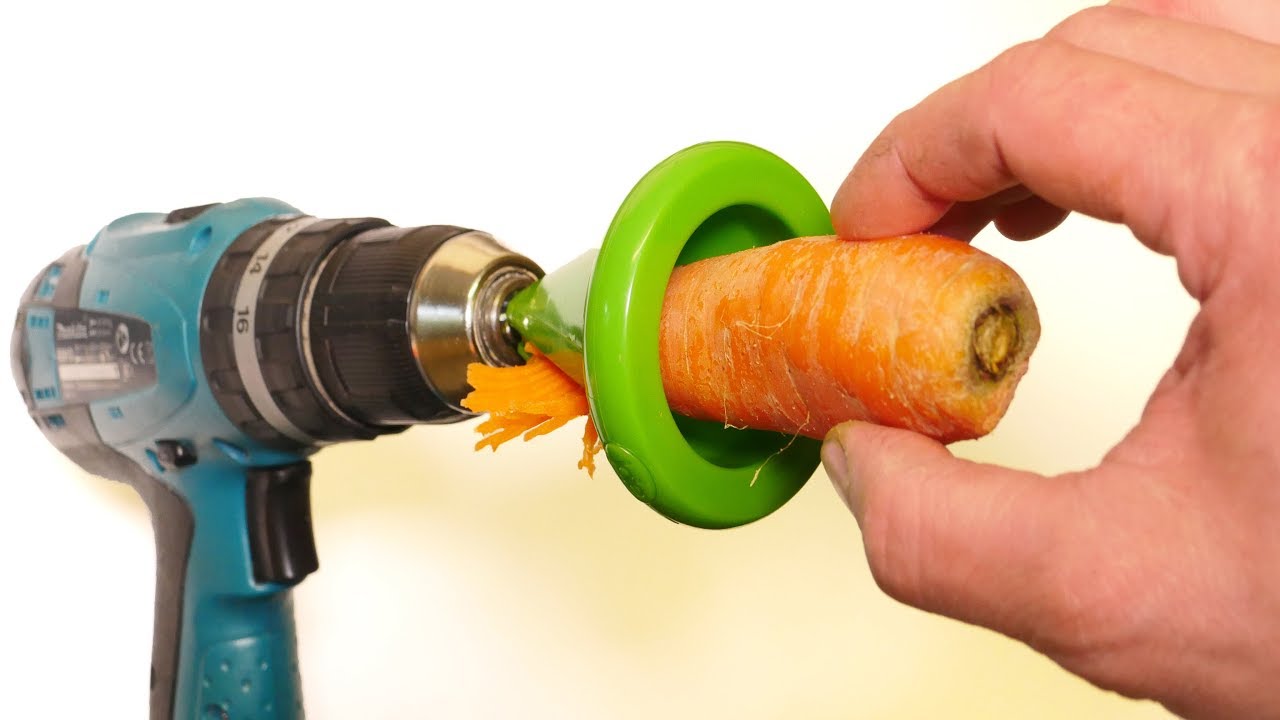
Making Turbo Kitchen Spiralizer
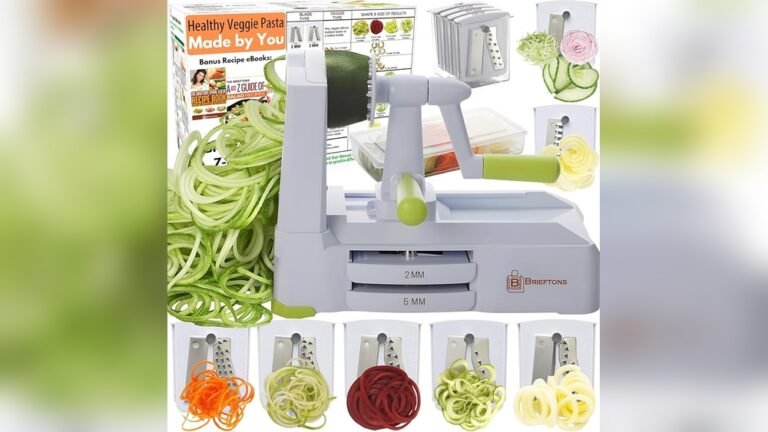
You can create a faster spiralizer with household items. Attach a hand drill to your spiralizer’s handle. This setup spins vegetables quickly and evenly. It reduces the effort needed to turn the handle manually.
Be sure to secure the vegetable firmly before starting. Use the drill on low speed to avoid accidents. This hack works best on firm vegetables like carrots and cucumbers. It helps prepare large amounts of noodles in minutes.
Using Spiralizer For More Than Noodles
Spiralizers can cut more than zucchini noodles. Try spiralizing potatoes for curly fries or chips. Use sweet potatoes for colorful, healthy snacks. Spiralized beets and carrots add texture to salads.
Even firm fruits like apples work well. Spiralized apples make great toppings for desserts or oatmeal. Experiment with different vegetables to find new recipes. This hack expands your meal options beyond just noodles.
Speeding Up The Spiralizing Process
Cut vegetables into uniform pieces before spiralizing. Smaller pieces fit better and spin faster. Chill vegetables in the fridge to make them firmer. This helps the spiralizer grab and cut more cleanly.
Use sharp blades and clean your spiralizer regularly. Smooth blades reduce resistance and speed up cutting. Keep a bowl ready to catch spirals as they come out. These steps help you prepare meals quickly and neatly.
Spiralizer Safety Tips
Using a vegetable spiralizer can make meal prep fun and healthy. Safety should always come first. Simple safety tips help prevent injuries and keep your spiralizer in good shape. Follow these easy guidelines to enjoy your spiralizer without any hassle.
Avoiding Common Injuries
Always keep your fingers away from the blades. Use the food holder to grip vegetables securely. Cut large vegetables into smaller pieces before spiralizing. Work slowly and do not rush. Stop if you feel your fingers getting too close. Keep the spiralizer on a flat, stable surface. Do not apply too much force to avoid slips. Clean blades carefully, using a brush if possible. Never touch blades directly with your hands.
Maintaining Your Spiralizer
Clean your spiralizer after every use. Remove vegetable bits from the blades immediately. Wash all parts with warm, soapy water. Dry completely before storing to prevent rust. Check blades often for dullness or damage. Replace blades if they become blunt. Store your spiralizer in a safe place. Avoid dropping or banging the device. Regular maintenance ensures smooth, safe operation every time.
Cooking With Spiralized Veggies
Cooking with spiralized veggies brings fun and health to your kitchen. Spiralizing turns ordinary vegetables into curly, noodle-like shapes. These shapes cook quickly and look appealing on any plate. You can use many vegetables like zucchini, carrots, and sweet potatoes. Spiralized veggies add texture and color to your meals.
They help you eat more vegetables without extra effort. Spiralized veggies fit in salads, stir-fries, and even soups. The cooking time is short, making meal prep faster. This method keeps vegetables crunchy and fresh. It makes healthy eating simple and enjoyable.
Quick Recipes For Beginners
Start with simple dishes to enjoy spiralized veggies. Try zucchini noodles with a light tomato sauce. Toss spiralized carrots in a fresh salad with lemon dressing. Make sweet potato stir-fry with soy sauce and garlic. These recipes need few ingredients and little time. They help you get comfortable using your spiralizer.
Incorporating Spiralized Veggies In Meals
Use spiralized veggies as pasta substitutes in many dishes. Add them to soups for extra crunch and nutrition. Mix spiralized cucumbers or radishes into cold salads. Stir-fry spiralized vegetables with your favorite protein. You can even bake spiralized sweet potato as a side dish. These ideas make meals more colorful and healthy.
Storage And Serving Ideas
Storing and serving spiralized vegetables properly keeps them fresh and tasty. Good storage prevents sogginess and helps maintain crunch. Serving ideas can make your dishes look more appealing and enjoyable. Here are practical tips to keep your spiralized veggies fresh and present them beautifully on the plate.
Keeping Spiralized Veggies Fresh
Place spiralized vegetables in an airtight container. Adding a paper towel inside absorbs extra moisture. Store containers in the refrigerator to keep veggies crisp. Avoid washing veggies before storing; wash just before use. Use spiralized veggies within 2-3 days for best taste. For longer storage, freeze spiralized veggies on a tray, then transfer to freezer bags.
Presentation Tips For Dishes
Arrange spiralized veggies in loose nests on plates for a neat look. Mix different colored veggies to create vibrant meals. Use fresh herbs or a sprinkle of seeds for extra texture. Serve with dipping sauces on the side to add flavor. Drizzle a little olive oil or lemon juice to brighten the dish. Use clear bowls or white plates to highlight the veggie colors.
Credit: www.youtube.com
Credit: www.lizmoody.com
Frequently Asked Questions
What Can I Use If I Don’t Have A Spiralizer?
Use a vegetable peeler, box grater, or sharp knife to create thin, noodle-like vegetable strips without a spiralizer.
Can I Spiralize Zucchini With A Cheese Grater?
Yes, you can spiralize zucchini using a cheese grater by sliding the zucchini lengthwise on the large grater side. This method creates thin, noodle-like slices but may not be as uniform as a spiralizer. Handle carefully to avoid injury.
What Can I Spiralise?
You can spiralize vegetables like zucchini, carrots, cucumbers, sweet potatoes, beets, butternut squash, and turnips. These create healthy noodles and ribbons.
What Can You Make With A Vegetable Spiralizer?
You can make vegetable noodles, salads, stir-fries, veggie pizzas, and creative garnishes using a vegetable spiralizer.
Conclusion
Vegetable spiralizers make cooking fun and healthy. These simple DIY hacks save time and effort. Try different veggies for colorful, tasty meals. Use these tips to enjoy fresh, spiralized dishes daily. Keep experimenting to find your favorite spiralizing tricks. Cooking with a spiralizer is easy and rewarding.
Stay creative and enjoy your vegetable spirals every day.
Hi, I’m Emma Carter, a passionate home cook with over 12 years of hands-on experience in home kitchens. I love testing kitchen tools, trying new recipes, and helping everyday cooks make smarter buying decisions. Every review and guide I write is based on real cooking experience, practical testing, and honest opinions, not marketing claims.