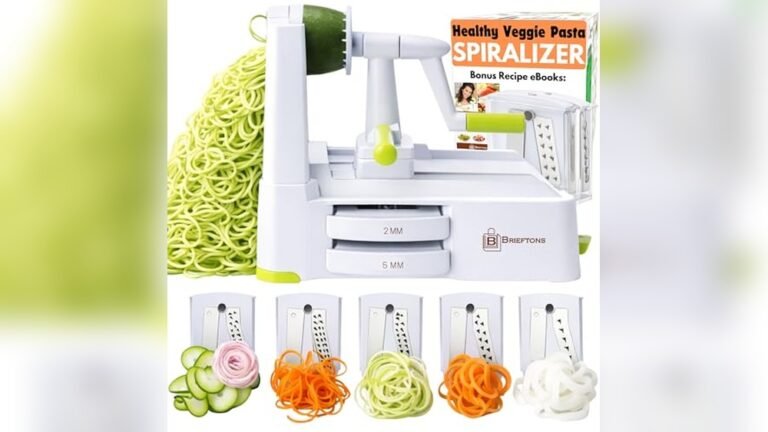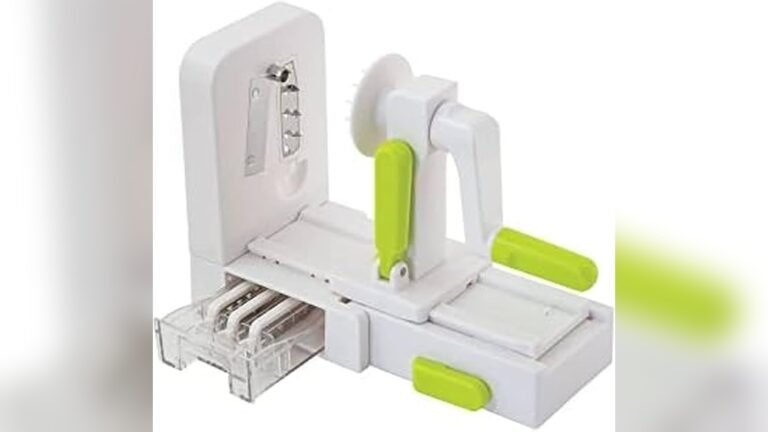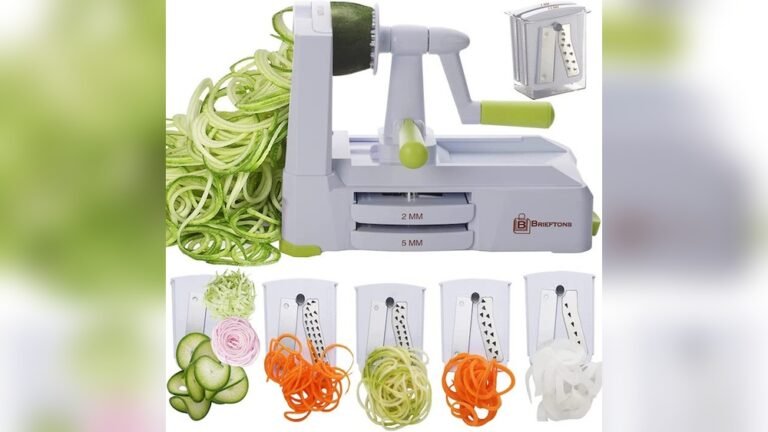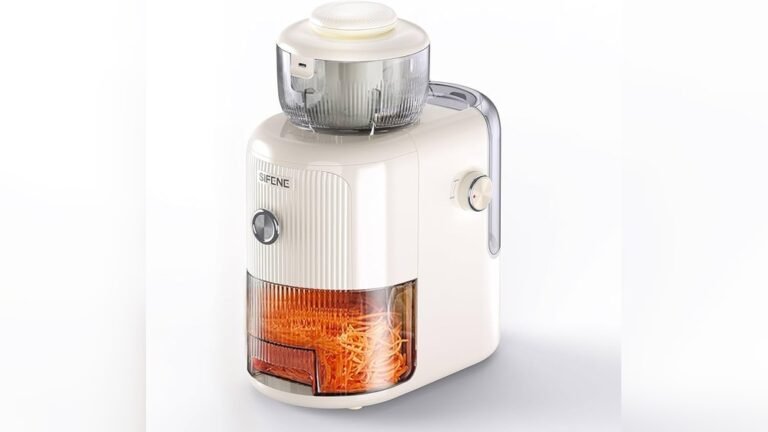
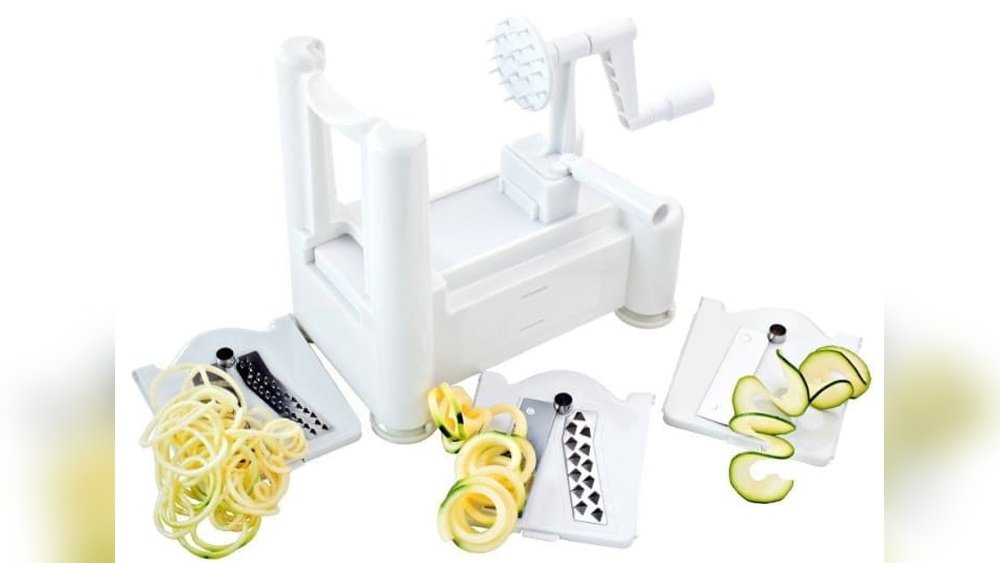
Maintenance Tips for Vegetable Spiralizer to Last Longer
If you love turning fresh veggies into fun, healthy meals with your vegetable spiralizer, keeping it in top shape is key. You want your spiralizer to slice smoothly every time, without any stuck bits or dull blades slowing you down.
But do you know the best ways to clean, maintain, and care for your spiralizer so it lasts longer and works better? You’ll discover simple, practical maintenance tips that save you time and effort while ensuring your spiralizer stays sharp and ready for your next veggie creation.
Keep reading to unlock easy tricks that make your spiralizing experience hassle-free and enjoyable!

Credit: gharpedia.com
Choosing The Right Vegetable
Choosing the right vegetable makes a big difference when using a vegetable spiralizer. The texture and firmness affect how well the vegetable spirals. Soft or watery vegetables may not hold their shape. Picking the correct vegetable helps you get clean, crisp spirals every time.
Best Vegetables For Spiralizing
Zucchini is the most popular choice for spiralizing. It has firm flesh and a mild taste. Carrots work well and add bright color to dishes. Cucumbers make fresh, crunchy spirals perfect for salads. Sweet potatoes offer a firmer texture and a sweet flavor. Beets add a rich color and earthiness. These vegetables hold their shape and create beautiful spirals.
Tips For Freshness And Firmness
Choose vegetables that are firm and fresh. Avoid those with soft spots or wrinkles. Fresh vegetables are easier to spiralize and taste better. Store vegetables in a cool, dry place until use. Keep them away from moisture to maintain crispness. If a vegetable feels soft, do not spiralize it. Freshness and firmness ensure smooth spiralizing and better results.

Credit: forlunch.pro
Keeping Blades Sharp
Keeping the blades sharp is essential for a vegetable spiralizer. Sharp blades cut vegetables cleanly and quickly. They help create perfect spirals without tearing or crushing. Dull blades make spiralizing harder and less safe. Maintaining sharp blades improves your spiralizer’s performance and extends its life.
When To Sharpen Blades
Check the blades if cutting feels tough or uneven. If the spiralizer pulls or crushes vegetables, blades need sharpening. Blades that slip or create ragged edges also need attention. Regular use may dull blades over time. Inspect blades every few weeks or after heavy use. Early sharpening keeps your spiralizer working smoothly.
Safe Sharpening Techniques
Use a small sharpening stone or ceramic rod for best results. Hold the blade at a consistent angle while sharpening. Move the stone in one direction, away from your body. Avoid using electric sharpeners, which may damage thin blades. Always wear protective gloves to prevent cuts. After sharpening, rinse blades carefully to remove metal dust. Dry blades completely before storing to avoid rust.
Cleaning After Use
Cleaning your vegetable spiralizer right after use keeps it in good shape. It stops food bits from drying and sticking. A clean spiralizer works better and lasts longer. Follow these simple steps to clean it properly and keep your kitchen tools fresh.
Immediate Rinsing
Rinse the spiralizer immediately after use. Use warm water to wash off vegetable pieces. This prevents food from hardening on the blades. Quick rinsing makes cleaning easier and saves time later. Avoid letting food dry on the spiralizer parts.
Using A Cleaning Brush
Use a small brush to clean the blades carefully. A brush helps reach tight spots where food hides. Clean both sides of the blades gently to avoid damage. Brushes remove stuck bits without dulling the sharp edges. This step keeps your spiralizer safe and clean.
Dishwasher Safety Tips
Check if your spiralizer parts are dishwasher-safe. Place only removable parts in the top rack. Avoid putting the main body in the dishwasher; wash it by hand. Use a gentle cycle to protect sharp blades. Always dry parts well before storing them.
Avoiding Rust And Damage
Keeping your vegetable spiralizer free from rust and damage extends its life. Regular care prevents blade dullness and metal corrosion. Simple steps help maintain its sharpness and appearance. Avoiding moisture buildup is key to stop rust formation.
Drying Methods
After washing, dry the spiralizer immediately. Use a clean towel to wipe all parts thoroughly. Pay close attention to the blades and small crevices. Let the spiralizer air dry in a well-ventilated area. Never store it while still wet. Moisture left on metal parts causes rust fast.
Proper Storage Solutions
Store your spiralizer in a dry, cool place. Avoid damp drawers or cabinets. Use a storage bag or container to protect blades. Keep parts separated to prevent scratches and damage. Avoid stacking heavy items on top of it. Proper storage keeps it safe and rust-free for longer.
Maintaining Moving Parts
Maintaining the moving parts of your vegetable spiralizer keeps it working smoothly. Regular care prevents wear and tear. This extends the life of your kitchen tool. Focus on key areas like joints and screws. These parts face the most stress during use. Proper upkeep ensures effortless spiralizing every time.
Lubricating Joints
Apply a small amount of food-safe lubricant to the joints. This reduces friction and allows smooth movement. Avoid using too much oil to prevent attracting dust. Wipe off any excess lubricant with a clean cloth. Repeat this process monthly or if you notice stiffness. Well-lubricated joints help the spiralizer operate quietly and efficiently.
Checking Screws And Attachments
Regularly inspect all screws and attachments for tightness. Loose parts can cause instability and damage the device. Use a screwdriver to tighten screws gently but firmly. Replace any missing or damaged screws immediately. Secure attachments improve safety and maintain the spiralizer’s performance. Frequent checks keep your tool ready for use at all times.
Troubleshooting Common Issues
Troubleshooting common issues with your vegetable spiralizer keeps it working smoothly. Simple fixes save time and effort. Identifying problems early helps maintain sharp blades and efficient performance.
Blade Dullness Signs
Dull blades cut unevenly or tear vegetables. You might notice more force is needed. Spiralized strands appear rough or crushed. Slow cutting or skipping also signals dullness. Regular inspection prevents damage and ensures clean cuts.
Handling Clogs And Jams
Vegetable pieces can clog the blades or jam the spiralizer. Hard or fibrous vegetables often cause blockages. Stop using the device if it jams to avoid damage. Remove stuck pieces gently with a brush or toothpick. Clean the spiralizer after each use to prevent buildup.
Enhancing Spiralizer Longevity
Proper care keeps your vegetable spiralizer working well for years. Regular maintenance prevents damage and ensures smooth operation. Small efforts today save big repair costs later. Follow these simple tips to enhance the life of your spiralizer.
Regular Inspection
Check your spiralizer before each use. Look for cracks, loose parts, or dull blades. Clean the device thoroughly after every use to avoid buildup. Dirt and food residue can cause parts to wear faster. Inspect the blades closely for sharpness. Sharp blades cut better and reduce strain on the tool. Replace any damaged parts immediately to prevent further harm.
Replacing Worn Components
Blades and other components wear out over time. Using dull blades can crush vegetables instead of slicing. Purchase replacement blades designed for your spiralizer model. Change blades as soon as they lose sharpness. Also, replace worn-out suction cups or handles to keep stability. Keeping parts fresh maintains performance and safety. Store your spiralizer carefully to avoid damage to delicate parts.

Credit: manuals.plus
Frequently Asked Questions
How To Clean A Spiralizer?
Disassemble the spiralizer parts carefully. Rinse blades and pieces under warm water. Use a small brush with soap to remove residue. Dry all parts thoroughly before storing. Avoid soaking the main body if it’s not dishwasher safe. Regular cleaning prevents buildup and ensures hygiene.
Can A Spiralizer Go In The Dishwasher?
Most spiralizer blades and accessories are dishwasher safe on the top rack. Clean the main body by hand with a damp cloth to avoid damage.
Is Spiralizing Healthier Than Regular Pasta?
Spiralized vegetables offer fewer calories and carbs than regular pasta. They are gluten-free, unprocessed, and rich in vitamins, making them a healthier choice.
What Are The Top 5 Veggies People Spiralize?
The top 5 veggies people spiralize are zucchini, carrots, cucumbers, sweet potatoes, and beets. These vegetables create tasty, healthy noodles.
Conclusion
Regular cleaning keeps your vegetable spiralizer working well. Use warm, soapy water to wash blades carefully. Dry all parts fully to prevent rust or damage. Store your spiralizer in a dry place away from moisture. Check blades often to ensure they stay sharp and safe.
Simple care extends the life of your kitchen tool. Enjoy fresh, healthy meals with your well-maintained spiralizer. Keep these easy tips in mind for lasting use.

Hi, I’m Emma Carter, a passionate home cook with over 12 years of hands-on experience in home kitchens. I love testing kitchen tools, trying new recipes, and helping everyday cooks make smarter buying decisions. Every review and guide I write is based on real cooking experience, practical testing, and honest opinions, not marketing claims.