How to Shred Cabbage for Coleslaw – 4 Easy Methods That Actually Work
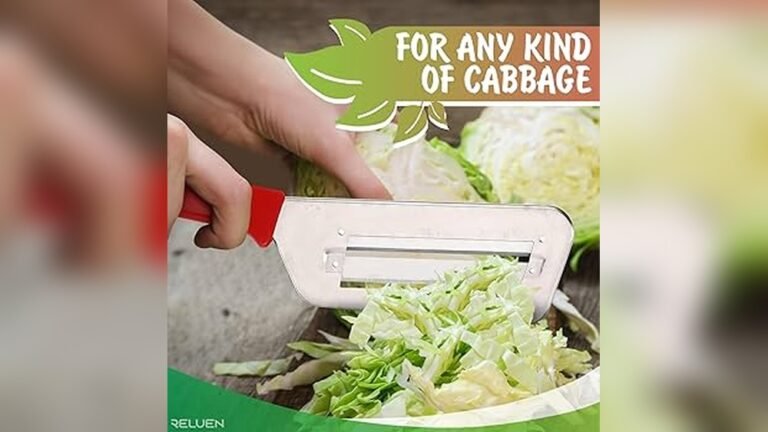
The best way to shred cabbage for coleslaw is with a sharp chef’s knife. It gives you the most control, the best texture, and works well for any amount of cabbage. But there are three other great methods depending on what tools you have at home.
In this guide you will learn all four methods step by step, which one is right for you, how to prep your cabbage properly before you start, common mistakes that ruin coleslaw texture, and a few tips from actual kitchen experience. Whether you are making coleslaw for dinner tonight or for a crowd, this guide has you covered.
Why Good Shredding Actually Matters
Coleslaw is not just about dressing. The texture of the cabbage is what makes or breaks it.
If the pieces are too thick they feel tough and hard to chew. If they are too thin or uneven they turn soggy fast and lose that satisfying crunch.
The goal is thin, uniform shreds that are long enough to look appealing but short enough to eat easily. About 1 to 2 millimetres thick is the sweet spot.
Getting this right is easier than most people think once you know a few simple techniques.
What You Need Before You Start
Before you pick up any tool, a little prep work makes the whole process faster and cleaner.
How to Prep Cabbage Before Shredding
The 4 Best Methods to Shred Cabbage for Coleslaw
Here are four methods ranked from most recommended to most convenient. Each has its own strengths.
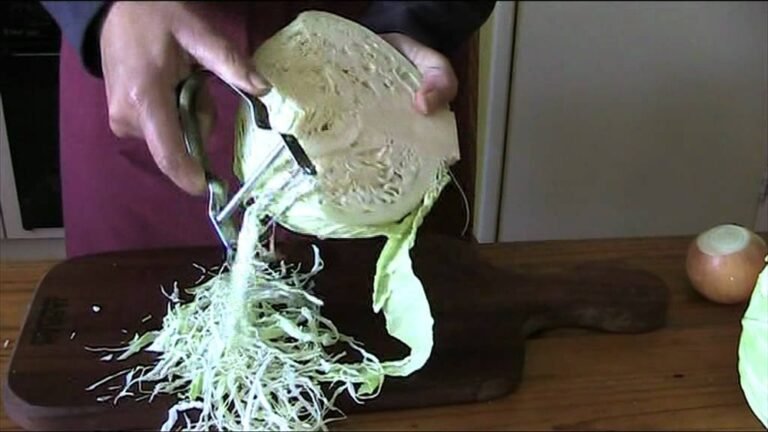
Method 1 — Sharp Chef’s Knife (Best Overall)
This is the method most home cooks and professional chefs prefer. It gives you the most control over thickness and produces clean, uniform shreds with the best texture.
What you need: A sharp chef’s knife (8-inch works great) and a large stable cutting board.
Step-by-Step
Best for: Any amount of cabbage, any skill level once you have the grip right.
Result: Thin, consistent shreds with great crunch and a professional finish.
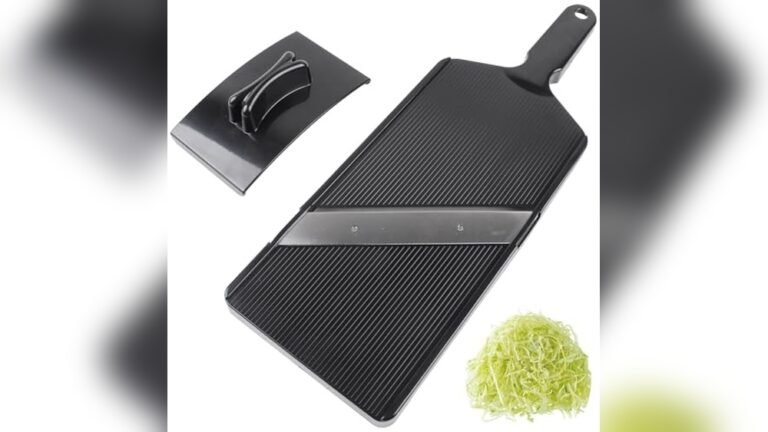
Method 2 — Mandoline Slicer (Fastest and Most Uniform)
A mandoline slicer produces the most perfectly even shreds of any method. Every single piece comes out the same thickness. This is the method to use if you are feeding a crowd.
What you need: A mandoline slicer set to the 1 to 2mm setting, a cut-resistant glove, and a large bowl to catch the shreds.
Step-by-Step
Best for: Large batches, parties, anyone who wants perfectly uniform results fast.
Result: The most consistent, paper-thin shreds you can get at home.
Method 3 — Box Grater (No Special Tools Needed)
Almost every kitchen already has a box grater. It works well for small amounts of cabbage and produces very fine, thin shreds that are great for a creamy coleslaw.
What you need: A standard box grater with large holes (the same side you use for cheese) and a bowl.
Step-by-Step
Best for: Small portions, when you have no other tools.
Result: Very fine shreds that soak up dressing well. Can get a little mushy quickly so dress and serve soon after shredding.
Method 4 — Food Processor (Best for Large Batches)
A food processor is the fastest method for a big quantity of cabbage. It is great when you are making coleslaw for a barbecue or a family gathering. The shreds are not as elegant as a knife but the speed makes up for it.
What you need: A food processor with a shredding disc attachment.
Step-by-Step
Best for: Large amounts quickly, batch cooking, big gatherings.
Result: Slightly shorter shreds with a little variation in size. Excellent for a rustic homemade look.
Method Comparison — Which Is Right for You
| Method | Speed | Consistency | Best Batch Size | Skill Needed |
|---|---|---|---|---|
| Chef’s Knife | Medium | Very good | Small to medium | Basic knife skills |
| Mandoline | Fast | Excellent | Medium to large | Basic, with caution |
| Box Grater | Slow | Fine/uneven | Small only | None |
| Food Processor | Very fast | Good | Large | None |
Common Mistakes That Ruin Your Coleslaw
Using a Dull Knife
A dull knife tears the cabbage instead of cutting it. This bruises the cells and makes the shreds go limp and watery faster. Always use a sharp knife. It is also safer because it requires less force.
Skipping the Core Removal
The core is hard, bitter, and chewy. If you leave pieces of it in your shreds they will stand out in a bad way. Always remove it completely before shredding.
Making Shreds Too Thick
Thick shreds are tough to chew and do not absorb dressing well. They also look rough and unappetising. Keep your cuts thin — 1 to 2mm is the goal.
Not Drying the Cabbage Before Shredding
Wet cabbage sticks together and is harder to cut cleanly. It also waters down your dressing once you mix it. Pat it completely dry first.
Dressing Too Early
If you add dressing and then leave it for hours before serving the cabbage softens and goes soggy. Dress the coleslaw no more than 30 to 60 minutes before serving for the best crunch.
Cutting Pieces Too Long
Shreds that are 10 centimetres long are awkward to eat and hard to serve neatly. After shredding, run your knife through the pile once or twice to break up any pieces that are too long.
Cleaning and Tool Maintenance Tips
Knife Care
Wash your knife by hand immediately after use. Dishwashers dull knife edges quickly and can damage handles. Dry it straight away so the blade does not rust. Hone it with a honing steel before each use to keep the edge sharp.
Mandoline Care
Rinse the mandoline immediately after use before any cabbage dries on the blade. Use a soft brush to clean it — not a sponge that your hand can slip through onto the blade. Most mandoline parts are dishwasher safe, but check your model’s instructions first.
Box Grater Care
Soak the grater in warm soapy water for a few minutes before scrubbing. Cabbage fibres get stuck in the holes and are hard to remove once dry. A small dish brush works better than a cloth for cleaning the holes.
Food Processor Care
Remove the shredding disc carefully after use — it is sharp. Wash the disc and bowl in warm soapy water or put them in the dishwasher if your model allows it. Dry completely before storing to prevent moisture buildup.
Expert Tips for Better Coleslaw Every Time
- Chill your shredded cabbage in the fridge for 20 minutes before dressing it. Cold cabbage stays crunchier longer after the dressing is added.
- Mix two types of cabbage — green and red — for better colour, a slight flavour difference, and a more interesting texture.
- Cut against the grain when possible. Slicing across the leaf layers rather than along them produces shorter, more tender shreds.
- Use a large enough cutting board. Cabbage creates a lot of shreds fast. A too-small board makes a mess and slows you down.
- A pinch of sugar in the dressing balances the natural bitterness of raw cabbage beautifully.
- Add carrot shreds for colour, sweetness, and extra crunch. Shred them the same way using any of the four methods above.
Frequently Asked Questions
A sharp 8-inch chef’s knife is ideal. It is long enough to cut through a cabbage wedge in one smooth stroke and gives you full control over the thickness of your shreds. Keep it sharp and it will do the job better than any other single blade.
Aim for around 1 to 2 millimetres thick. This is thin enough to absorb the dressing properly and give a tender texture but thick enough to hold its crunch for a good amount of time after dressing is added.
Yes. You can shred the cabbage up to 24 hours ahead and store it in an airtight container or zip bag in the fridge. Keep it undressed until closer to serving time. If you shred and salt it beforehand, rinse and dry it well before adding dressing.
Both produce excellent results. A mandoline is faster and gives more consistent thickness which is great for large batches. A knife gives you more control and is better for smaller amounts. For most home cooks a knife is the more practical everyday choice. A mandoline is worth using if you cook for groups regularly.
Cabbage releases water naturally especially after it is cut and mixed with salt-based dressing. To prevent this, toss the shredded cabbage with a little salt, let it sit for 15 minutes, then rinse and dry it thoroughly before adding dressing. Also avoid dressing too far in advance of serving.
Yes, absolutely. Use the shredding disc attachment rather than the chopping blade. The shredding disc produces thin, even strips that work great for coleslaw. It is the fastest method for large amounts but the shreds tend to be slightly shorter than knife-cut ones.
Yes, always. The core is tough, bitter, and hard to chew. It does not soften when dressed and will ruin the texture of your coleslaw. Cut it out completely before shredding using two angled cuts on each half.
Green cabbage is the classic choice and works perfectly for traditional coleslaw. It has a mild flavour, a good firm texture, and holds up well after dressing. Red cabbage adds a beautiful colour and a slightly peppery flavour. Many people mix the two for the best of both.
Final Thoughts
The best way to shred cabbage for coleslaw is with a sharp chef’s knife. It is the most reliable method for everyday cooking and gives you full control over how thin your shreds turn out. If you are cooking for a crowd a mandoline gets the job done faster with incredibly uniform results.
Whichever method you choose the key steps stay the same. Prep the cabbage well, remove the core, keep your shreds thin and even, and do not dress it too early. Those four things alone will take your coleslaw from average to genuinely great.
Good coleslaw is one of those simple dishes that rewards a little attention to technique. Once you get comfortable shredding cabbage properly it takes almost no time and the difference in texture and taste is real. Give it a try and see for yourself.
Hi, I’m Emma Carter, a passionate home cook with over 12 years of hands-on experience in home kitchens. I love testing kitchen tools, trying new recipes, and helping everyday cooks make smarter buying decisions. Every review and guide I write is based on real cooking experience, practical testing, and honest opinions, not marketing claims.