What’S the Difference between a Food Processor And a Blender: Key Insights
Are you confused about whether to reach for a blender or a food processor next time you’re in the kitchen? You’re not alone.
Both appliances look similar but serve very different purposes. Knowing the difference can save you time, effort, and even money. Imagine effortlessly whipping up a smoothie or chopping vegetables perfectly without wondering if your tool can handle the job. You’ll discover exactly what sets a food processor apart from a blender, when to use each one, and how to get the best results for your recipes.
Stick around—you’re about to become a kitchen pro who knows just which gadget to grab for every cooking task.
Credit: www.goodhousekeeping.com
Blender Basics
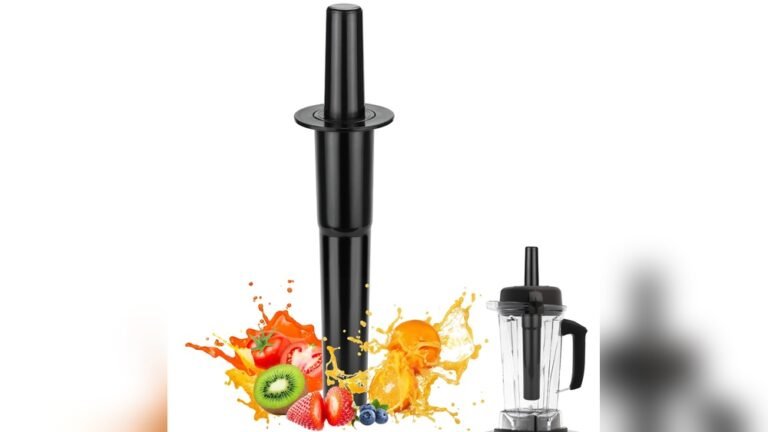
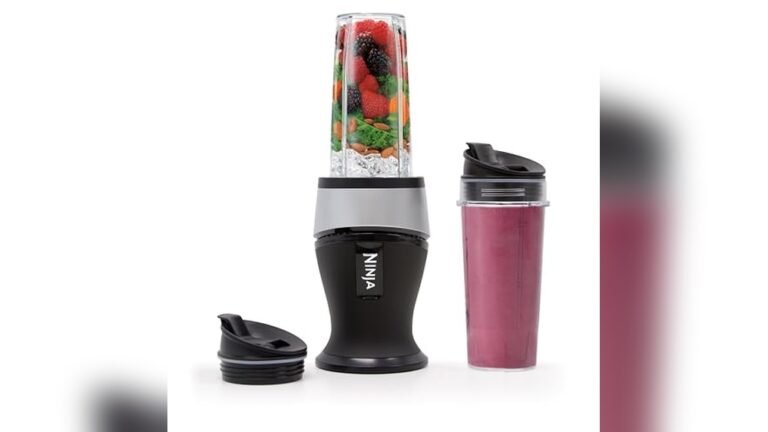
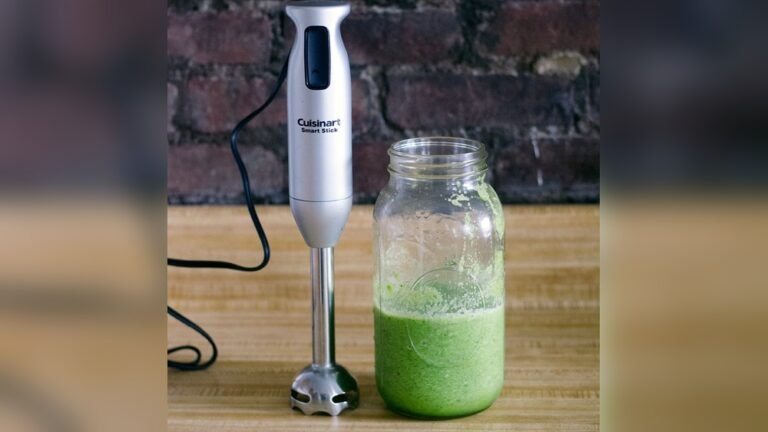
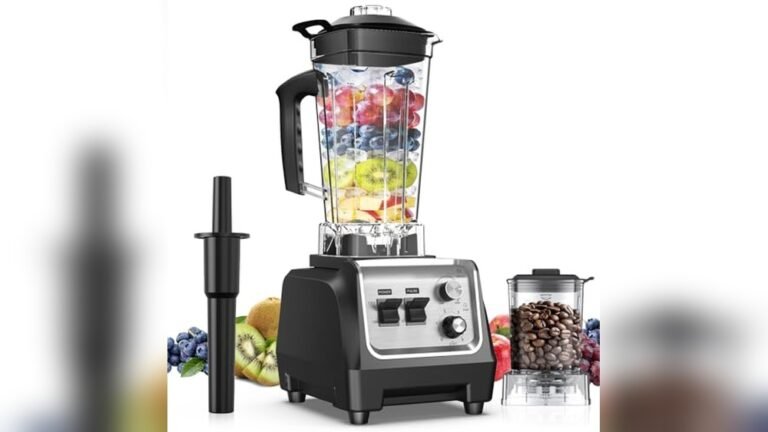
A blender has a tall, narrow jar with sharp blades at the bottom. It works by spinning blades fast to break down food into smooth liquids. The motor runs at high speed to blend ingredients evenly. Blenders work best with liquids, soft fruits, and vegetables. They can crush ice and make smoothies, shakes, or sauces.
Ideal ingredients for blenders include fruits, vegetables, yogurt, and ice cubes. They are great for making soups, smoothies, and purees. Blenders mix and liquefy ingredients quickly to create smooth textures.
Common uses involve making drinks, baby food, and salad dressings. Blenders are less useful for chopping or slicing solid foods. They focus on blending ingredients into a liquid form.
:max_bytes(150000):strip_icc()/Cuisinart-Vs-Vitamix-7fe65962cd9e475f960402240a580a0a.png)
Credit: www.thespruceeats.com
Food Processor Essentials
Food processors have a wide, flat bowl with a large feed tube. Their blades are sharp and come in different shapes for slicing, shredding, and chopping. These blades are fixed on a central spindle and can be swapped easily.
They handle dry and solid foods well, like nuts, cheese, and dough. The bowl’s shape helps keep solid pieces moving while cutting.
- Slice vegetables into thin pieces
- Grate cheese or carrots quickly
- Mix dough for bread or cookies
- Chop nuts or herbs finely
Food processors are versatile. They do more than blend liquids. Their functions include chopping, slicing, shredding, and kneading. This makes them useful for many kitchen tasks beyond just blending.
Texture And Consistency Differences
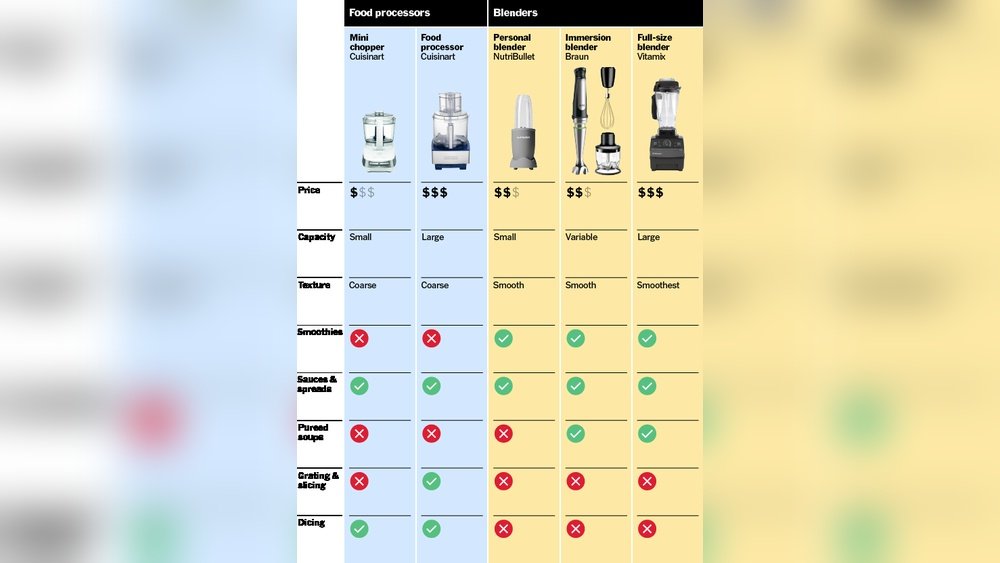
Food processors chop, slice, shred, and dice with precision. They handle solid foods well, creating chunky or finely chopped textures. Blenders excel at pureeing, turning ingredients into smooth liquids or thick pastes.
Blenders have strong liquefaction capabilities. They are perfect for smoothies, soups, and sauces. Food processors can make chunky mixtures but cannot liquefy as smoothly as blenders.
Precision in cutting is a key difference. Food processors use different blades to control the size and shape of pieces. Blenders usually have fixed blades that blend everything evenly without chopping precisely.

Credit: nutritionrefined.com
Performance With Various Ingredients
Blenders crush ice and frozen items quickly, making smooth drinks. They work best for liquids and soft foods. Food processors handle ice too, but they are better with harder, chunkier ingredients.
Chopping vegetables and grating cheese is easier with a food processor. It can shred, slice, and dice evenly. Blenders usually mash vegetables but don’t cut them well. Cheese stays in chunks with blenders.
For dough kneading and mixing, a food processor is the better choice. Its strong motor and special blade help mix dough smoothly. Blenders cannot knead dough properly and may overheat if used for this.
Capacity And Bowl Design
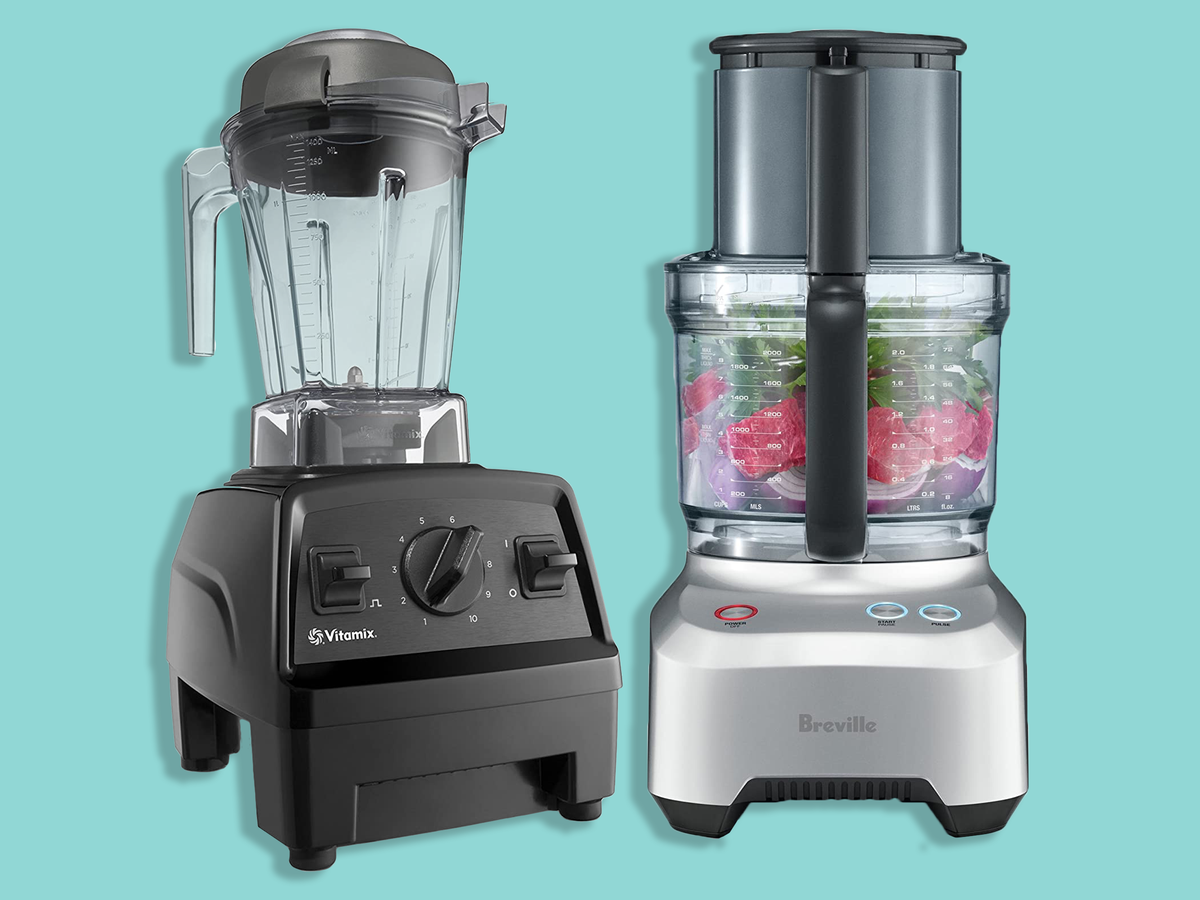
A blender usually has a tall, narrow pitcher. This shape helps mix liquids and soft foods well. A food processor has a wide, shallow work bowl. It is better for chopping, slicing, and mixing solid foods.
Blenders handle smaller volumes of liquid, often 4 to 8 cups. Food processors can hold larger amounts, sometimes over 10 cups. This is useful for big batches of dough or chopped vegetables.
Space is also a factor. Blenders are often taller but take less counter space. Food processors are wider and may need more room to store or use.
Attachments And Versatility
Food processors often come with interchangeable blades and discs. These allow you to slice, shred, chop, and grate with one machine. Blenders usually have one fixed blade for blending and pureeing.
Additional accessories for food processors may include dough blades and citrus juicers. These add to their multi-functionality. Blenders mostly focus on smoothies, soups, and sauces without many extra parts.
Food processors handle many tasks beyond blending. They can prepare dough, chop nuts, or make salsa. Blenders are best at making liquids smooth and creamy but lack the versatility of processors.
Cleaning And Maintenance Tips
Cleaning a food processor or blender is simple but needs care. Most parts detach easily for washing. Use warm, soapy water and a soft cloth. Avoid harsh scrubbing to keep surfaces smooth.
Blade safety is important. Always hold blades by the base, never the sharp edges. Store blades separately or inside the appliance to prevent accidents.
For long-term care, dry all parts fully before storing. Check seals and lids for cracks or wear. Replace damaged parts to avoid leaks and maintain good performance.
Choosing Between Blender And Food Processor
Blenders are best for making smooth liquids like shakes, smoothies, and soups. They work well when you want to blend or puree ingredients into a drinkable form.
Food processors handle a wider range of tasks. They can slice, dice, shred, and knead dough. Use one when you want to prepare solid foods that need chopping or mixing.
Some recipes need both appliances. Use a food processor to prep veggies, then a blender for pureeing sauces.
| Factor | Blender | Food Processor |
|---|---|---|
| Best for | Smooth liquids | Chopping, slicing, mixing dough |
| Functions | Puree, blend | Slice, shred, dice, knead |
| Space | Usually smaller | Takes more counter space |
| Price | Often less expensive | Can be pricier due to extra parts |
Conclusion
Both food processors and blenders have unique kitchen roles. A blender works best for liquids and smooth textures. It blends, purees, and crushes ice quickly. A food processor handles solid foods well. It chops, slices, shreds, and even kneads dough.
Choose the one that fits your cooking needs. Sometimes, having both can make meal prep easier. Understanding their differences helps you cook smarter, not harder. Use each tool for the tasks they do best. Your kitchen will be more efficient and enjoyable this way.
Hi, I’m Emma Carter, a passionate home cook with over 12 years of hands-on experience in home kitchens. I love testing kitchen tools, trying new recipes, and helping everyday cooks make smarter buying decisions. Every review and guide I write is based on real cooking experience, practical testing, and honest opinions, not marketing claims.