How to Fix a Dull Avocado Slicer: Quick Sharpening Tips
If your avocado slicer feels dull and struggles to cut through ripe avocados, you’re not alone. Many new cooks and home users face this problem. A sharp slicer makes preparing avocados easy, quick, and safe. But over time, even good slicers lose their edge. Let’s explore how to fix a dull avocado slicer, why it happens, and how to keep your tool in top shape. Whether you’re a first-time kitchen user or just want better results, this guide will help you get your slicer working like new.
Why Avocado Slicers Become Dull
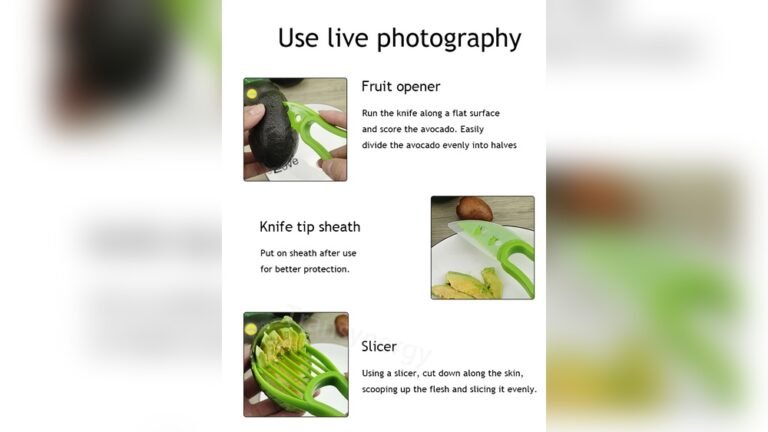
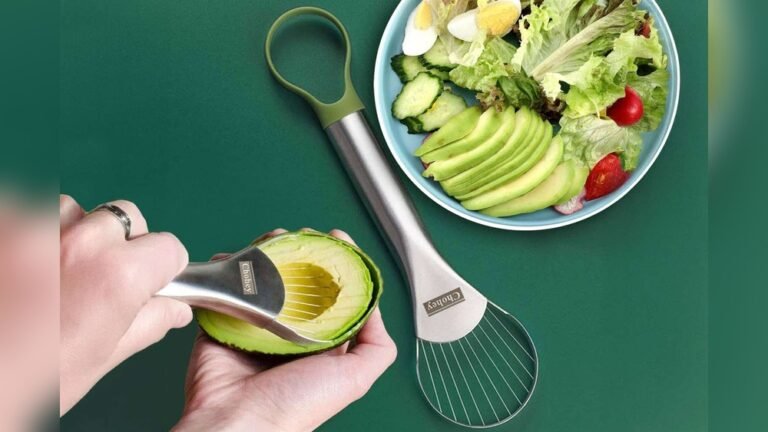
Avocado slicers are simple tools, but they can lose sharpness quickly. Most are made from stainless steel or plastic. Stainless steel slicers start sharp, but cutting through hard pits, unripe avocados, or even washing in the dishwasher can wear them down. Plastic slicers don’t really “sharpen”—they rely on a strong edge, but after months of use, that edge fades.
Dull slicers can cause problems:
- Avocado flesh gets mashed instead of sliced.
- More force is needed, making slips and accidents more likely.
- You waste time and get uneven slices.
If your tool isn’t cutting smoothly, it’s probably dull. Let’s get your slicer back in shape.
Identifying A Dull Avocado Slicer
Before you fix anything, check if your slicer is really dull. Here are clear signs:
- Requires extra pressure to cut through avocado flesh.
- Slices are uneven or mashed.
- Edge feels blunt when you touch it (carefully).
- Struggles with ripe avocados, which should be easy to slice.
Try slicing a ripe avocado. If the slicer glides through easily, it’s sharp. If not, follow the steps below.
How To Sharpen A Stainless Steel Avocado Slicer
Most avocado slicers are made from thin stainless steel. They don’t need much sharpening, but a little can help. Here’s a step-by-step process:
Step 1: Clean Your Slicer
Wash your slicer with warm water and soap. Remove all avocado residue. Dry it completely. Dirt can affect sharpening and hide damage.
Step 2: Use A Sharpening Tool
You’ll need a fine-grit sharpening stone or a ceramic rod. These are safe for small kitchen tools.
- Hold the slicer steady.
- Gently run the edge along the stone or rod at a 20-degree angle.
- Repeat 3–5 times on each edge, using light pressure.
- Wipe clean after sharpening.
Step 3: Check Sharpness
Test on a soft avocado. If the slicer glides easily, you’re done. If not, repeat sharpening gently.
Safety Tip
Always keep fingers away from the sharpening edge. Wear kitchen gloves if you’re new to sharpening.
Sharpening Plastic Avocado Slicers: Is It Possible?
Plastic slicers don’t “sharpen” in the usual way. If the edge is worn, you can try to restore it:
- Use a fine-grit sandpaper (around 400–600 grit).
- Rub gently along the cutting edge.
- Check often—too much sanding can damage the slicer.
Plastic tools wear out faster. If the edge is chipped or too blunt, it’s safer to replace the slicer.
Credit: lifetips.alibaba.com
Comparing Avocado Slicer Materials
Some beginners wonder if stainless steel or plastic is better. Here’s a quick comparison:
| Material | Sharpness | Durability | Ease of Sharpening |
|---|---|---|---|
| Stainless Steel | Very sharp | Long-lasting | Easy |
| Plastic | Moderately sharp | Wears out faster | Difficult |
For most home cooks, stainless steel is a better choice. It stays sharp longer and can be fixed more easily.
Maintenance Tips For A Sharp Avocado Slicer
Keeping your slicer sharp isn’t hard. Here are practical tips:
- Hand wash only. Dishwashers can dull the edge, especially on stainless steel.
- Dry immediately. Moisture can cause rust spots, even on “stainless” steel.
- Store safely. Keep slicers in a drawer or tool holder—avoid banging with other tools.
- Avoid cutting pits. Slicers are made for flesh, not the hard pit. Use a separate knife for the pit.
Following these steps will keep your slicer sharp longer.
Common Mistakes When Fixing A Dull Avocado Slicer
Even experienced cooks make mistakes. Here are problems to avoid:
- Sharpening too aggressively: This can bend or break the thin slicer blades.
- Using the wrong angle: Too flat or too steep an angle won’t sharpen properly.
- Ignoring cracks or chips: If the slicer is damaged, sharpening won’t fix it.
- Not testing after sharpening: Always check before using on food.
Fixing these mistakes saves time and keeps you safe.
When It’s Better To Replace Your Avocado Slicer
Sometimes, fixing isn’t enough. Here’s when to buy a new slicer:
- Blade is bent or broken.
- Plastic edge is chipped or worn away.
- Rust spots that won’t clean off.
- Sharpening doesn’t improve performance.
Avocado slicers are not expensive. A new, sharp tool is safer and faster. If your slicer is more than two years old and has problems, consider replacing it.

Credit: www.amazon.com
Choosing A New Avocado Slicer
If you decide to replace your tool, pick a slicer that suits your kitchen. Look for:
- Stainless steel blades: They stay sharp longer.
- Comfortable grip: Makes slicing easier.
- Easy cleaning: Dishwasher-safe is a bonus, but hand-wash is best.
Here’s a quick comparison of features:
| Feature | Why It Matters | Recommended |
|---|---|---|
| Blade Material | Stays sharp, easy to fix | Stainless Steel |
| Grip | Comfort, control | Soft rubber, ergonomic shape |
| Cleaning | Hygiene, maintenance | Hand-wash preferred |
Always check reviews and ratings before buying. For more details about kitchen tool safety, visit Consumer Reports.
Practical Tips For Safe And Effective Slicing
A sharp slicer is safe, but technique matters. Here’s how to slice avocados easily:
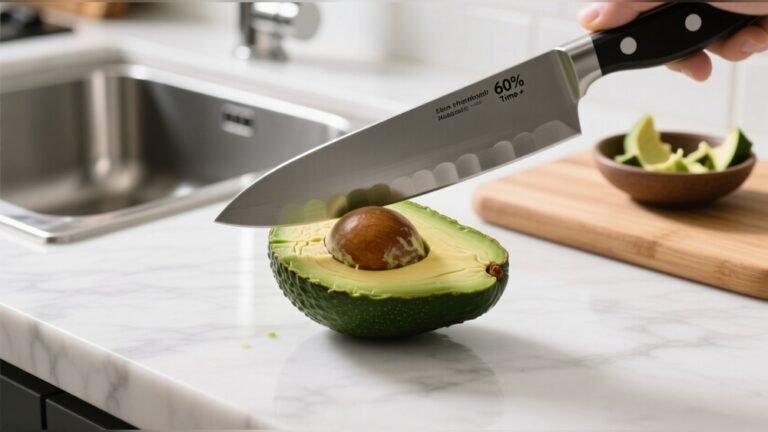
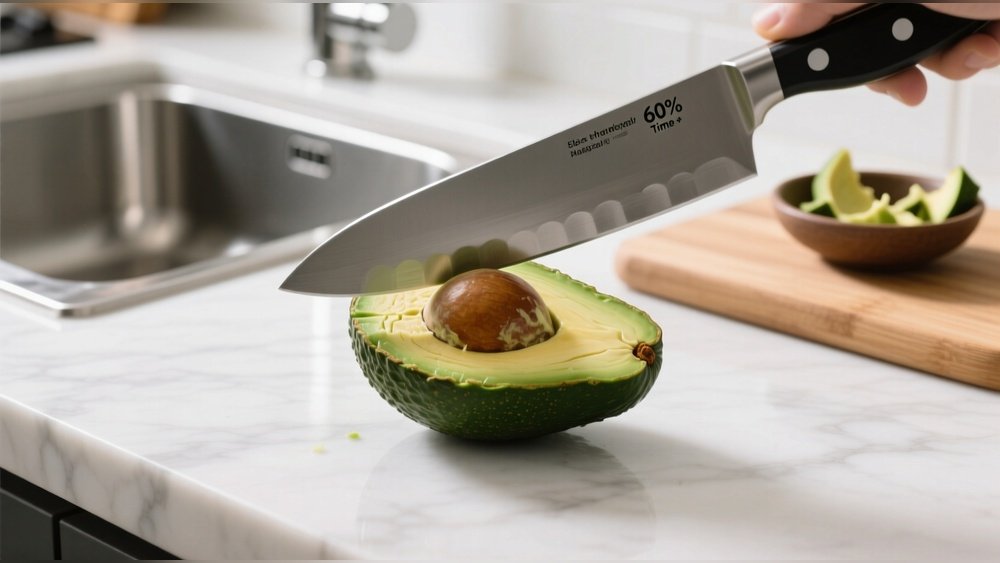
- Cut the avocado in half with a sharp knife.
- Remove the pit carefully. Don’t use the slicer for this step.
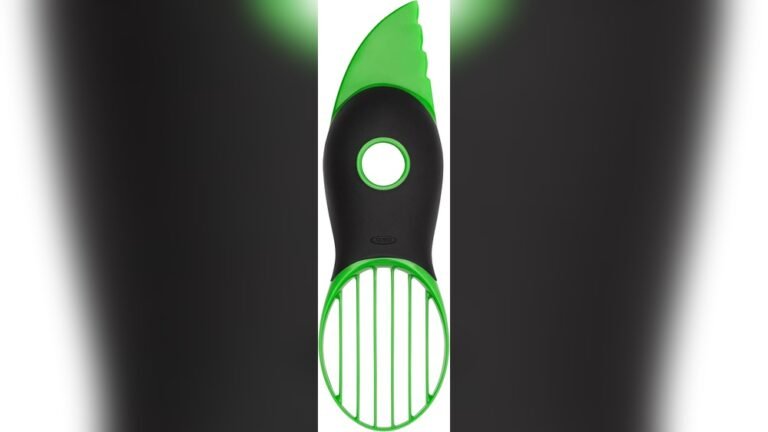
- Place the slicer at the top of the avocado half.
- Press gently and evenly through the flesh.
- Avoid twisting or forcing the slicer.
If you feel resistance, stop and check the tool. Never force a dull slicer—it increases injury risk.
Hidden Insights: What Beginners Often Miss
Many new cooks don’t realize:
- Dull slicers waste avocados. You lose good flesh when the tool mashes instead of slicing.
- Regular maintenance saves money. Sharpening and cleaning prevent early replacement.
- Slicer quality affects taste. Smooth slices look nicer and help with salads and sandwiches.
Paying attention to these points makes your kitchen experience better.
How Avocado Slicer Performance Compares To Other Tools
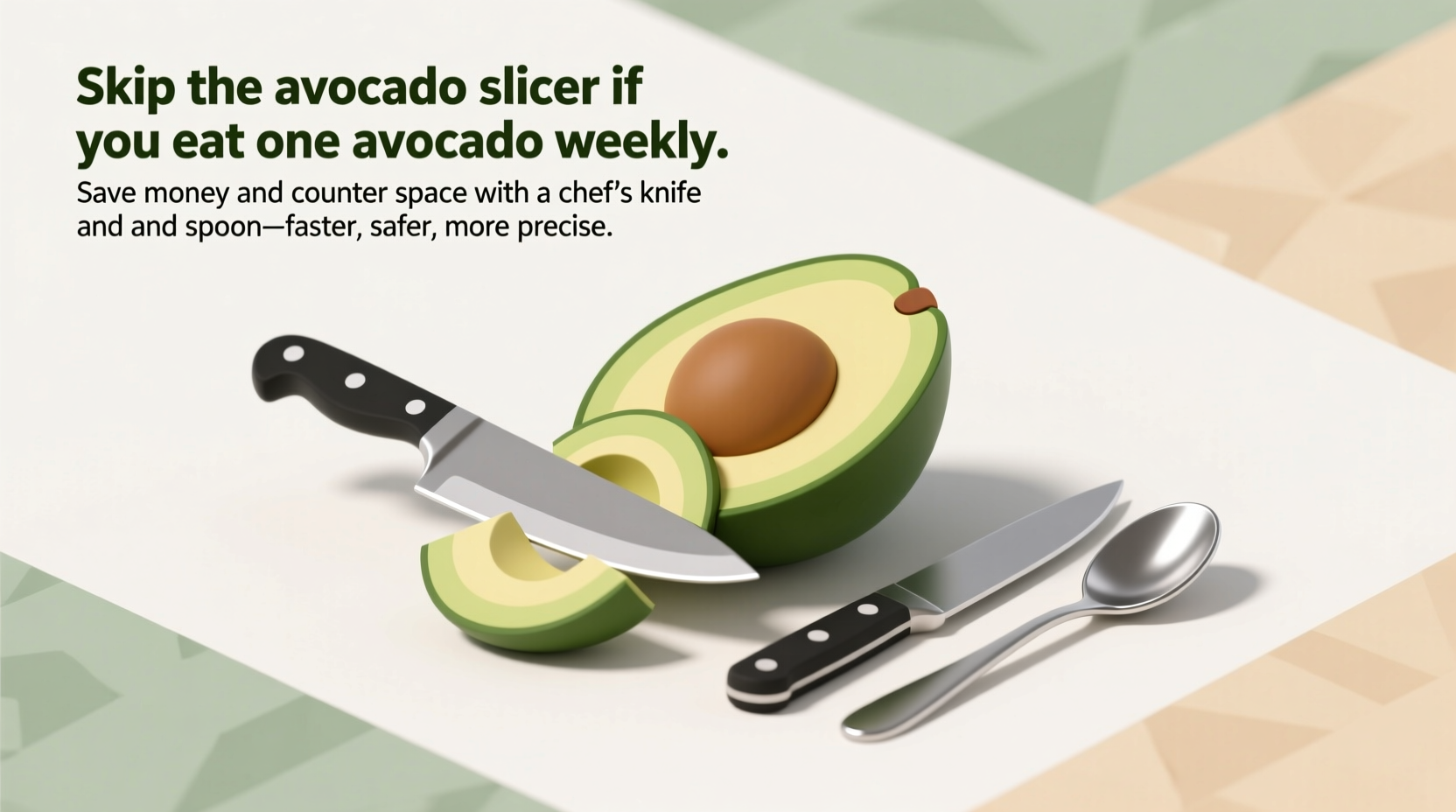
Some people use knives or spoons for avocados. Let’s see how a slicer compares:
| Tool | Slice Quality | Safety | Speed |
|---|---|---|---|
| Avocado Slicer | Even, smooth | High | Fast |
| Knife | Variable | Medium | Medium |
| Spoon | Rough | High | Slow |
A sharp slicer is best for new cooks and busy kitchens.

Credit: www.amazon.com
Frequently Asked Questions
How Often Should I Sharpen My Avocado Slicer?
For stainless steel slicers, sharpen every 3–6 months if you use them often. For plastic slicers, check the edge monthly and sand lightly if needed. If you notice dullness, sharpen right away.
Can I Sharpen A Plastic Avocado Slicer At Home?
You can try using fine sandpaper, but results are limited. Plastic doesn’t hold a sharp edge well. If sanding doesn’t help, it’s safer to buy a new slicer.
What Are The Risks Of Using A Dull Avocado Slicer?
A dull slicer increases the risk of slipping and cutting your hand. It also wastes avocado flesh and takes more time. Always check your slicer before use.
Is It Safe To Use A Dishwasher For Cleaning Avocado Slicers?
Dishwashers can dull the edge over time, especially for stainless steel. Hand washing is safer and keeps the slicer sharp longer. If you must use a dishwasher, place the slicer away from heavy items.
What’s The Best Way To Store An Avocado Slicer?
Store in a clean, dry drawer or on a utensil rack. Avoid mixing with heavy tools, which can damage the blade. Dry the slicer before storing to prevent rust.
A dull avocado slicer can turn a simple kitchen task into a struggle. With the right steps, tools, and care, you’ll keep your slicer sharp and safe. Remember, regular maintenance and smart tool choices make cooking easier and more enjoyable.
If sharpening doesn’t work, don’t hesitate to replace your slicer. Your time and safety are worth it. With these tips, you can handle avocados like a pro and enjoy perfect slices every time.

Hi, I’m Emma Carter, a passionate home cook with over 12 years of hands-on experience in home kitchens. I love testing kitchen tools, trying new recipes, and helping everyday cooks make smarter buying decisions. Every review and guide I write is based on real cooking experience, practical testing, and honest opinions, not marketing claims.