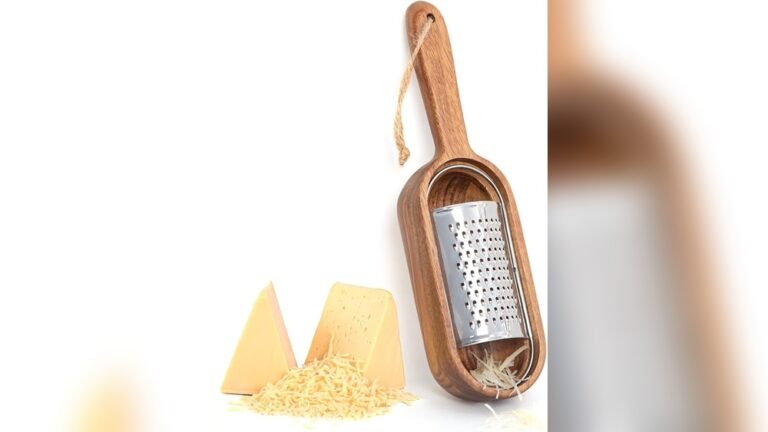
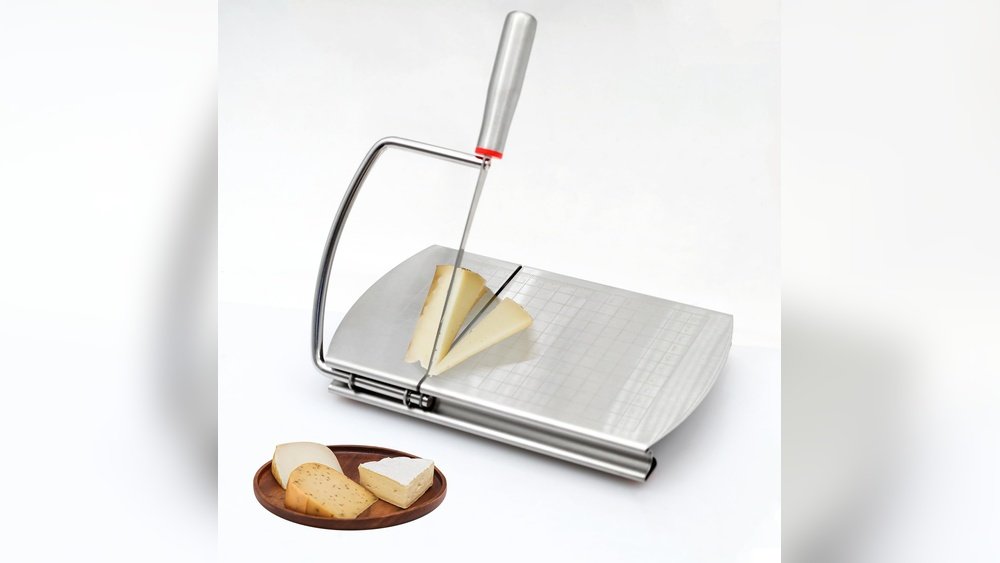
Size Guide Cheese Grater Handheld: Find Your Perfect Fit Today
Choosing the right handheld cheese grater can make a big difference in your kitchen. Whether you’re topping pasta, adding zest to a salad, or preparing ingredients for a recipe, the size and type of grater you use matters.
But how do you know which size guide to follow when picking your handheld cheese grater? You want something that fits comfortably in your hand, offers the right grating surface, and makes your cooking easier, not harder. In this guide, you’ll discover everything you need to know about handheld cheese grater sizes, so you can find the perfect match for your cooking style and cheese types.
Keep reading to make grating faster, neater, and more enjoyable every time.
Grater Types
Cheese graters come in various types, each designed for specific grating needs. Choosing the right type enhances your cooking experience. Understanding these types helps you select the best handheld grater for your kitchen tasks.
Fine And Coarse Graters
Fine graters create thin, delicate shreds. They work well for hard cheeses like Parmesan. These graters also suit zesting citrus fruits. Coarse graters produce thicker shreds. They are ideal for softer cheeses such as cheddar. Coarse graters also handle vegetables like potatoes and carrots.
Ribbon And Zester Styles
Ribbon graters slice cheese into flat, wide strips. These strips melt easily on dishes. Ribbon styles work great for semi-soft cheeses. Zester graters have tiny holes that finely grate zest or spices. They are perfect for adding flavor without bulk. Both types offer unique textures for different recipes.
Extra Coarse Options
Extra coarse graters create very thick pieces. They handle bulky ingredients like cabbage or root vegetables well. These graters help add crunch and texture to salads. They also work for shredding large cheese blocks quickly. Choose extra coarse for heavy-duty grating tasks in your kitchen.
Choosing Grater Size
Choosing the right size for a handheld cheese grater affects your kitchen experience. The size impacts how fast and easy you can grate cheese or other foods. Picking a grater with the right features ensures comfort and efficiency. Consider the grating surface, food-catching ability, and grip comfort when selecting a size. These factors help find the perfect match for your needs.
Ample Grating Surface
A larger grating surface means quicker shredding. It allows you to grate more cheese at once. Small graters can slow you down. A wide surface also gives better control. Choose a grater that fits the amount of food you usually prepare. This saves time and effort in the kitchen.
Food Catching Features
Some graters have built-in containers or guards to catch food. This feature reduces mess and waste. It keeps grated cheese from scattering all over the counter. A good food catcher helps keep your workspace clean. It also makes it easier to transfer grated food to your dish.
Comfortable Grip
Comfort matters during grating. A handle that fits well in your hand prevents slipping. It reduces strain and fatigue during use. Soft or textured grips offer better hold. Choose a grater size with a handle that feels secure. This makes grating safer and more pleasant.
Handheld Grater Styles
Handheld cheese graters come in various styles. Each style suits different kitchen tasks and preferences. Knowing these styles helps choose the right tool for your cooking needs. Here are the main handheld grater styles commonly used in kitchens.
Microplane Handheld Graters
Microplane graters have sharp, fine blades. They are perfect for zesting citrus or grating hard cheeses. Their thin design allows for precise grating. They work well with garlic, ginger, and nutmeg too. Easy to clean and store, Microplane graters are popular in many homes.
Rotary Handheld Graters
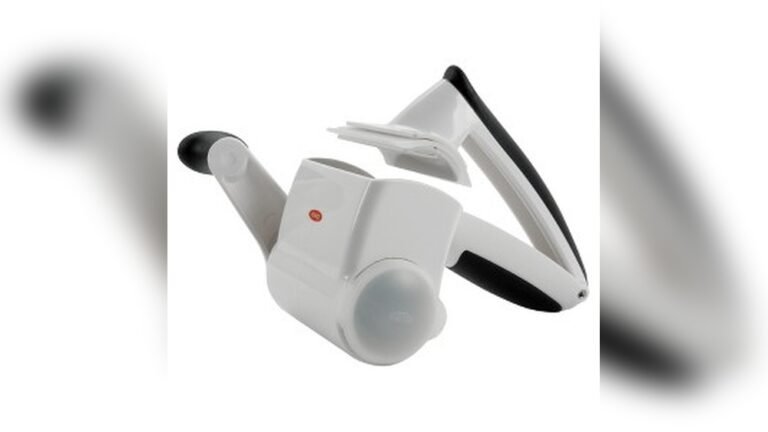
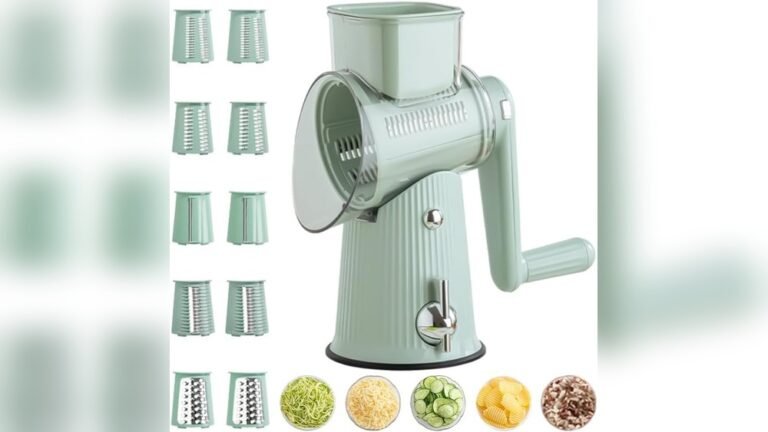
Rotary graters use a crank to grate food. You place cheese or vegetables inside the drum and turn the handle. This style reduces effort and keeps fingers safe. Rotary graters work best with hard cheeses like Parmesan. Their enclosed design collects grated food neatly, reducing mess.
Flat Handheld Graters
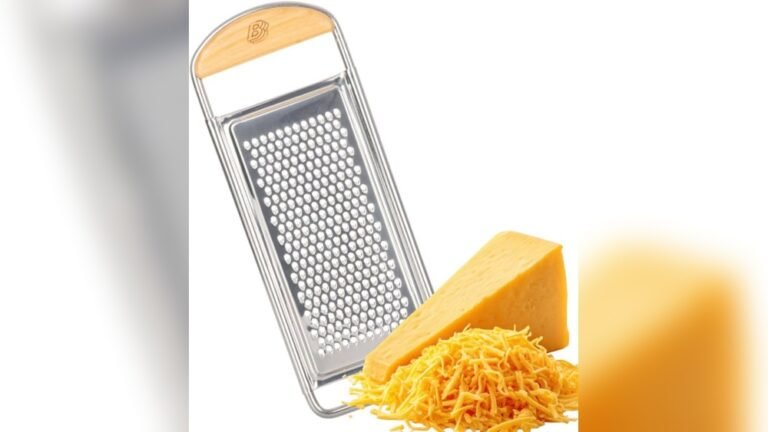
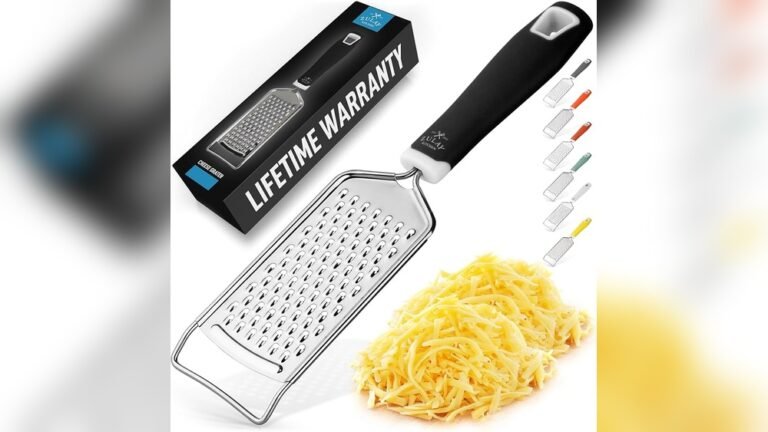
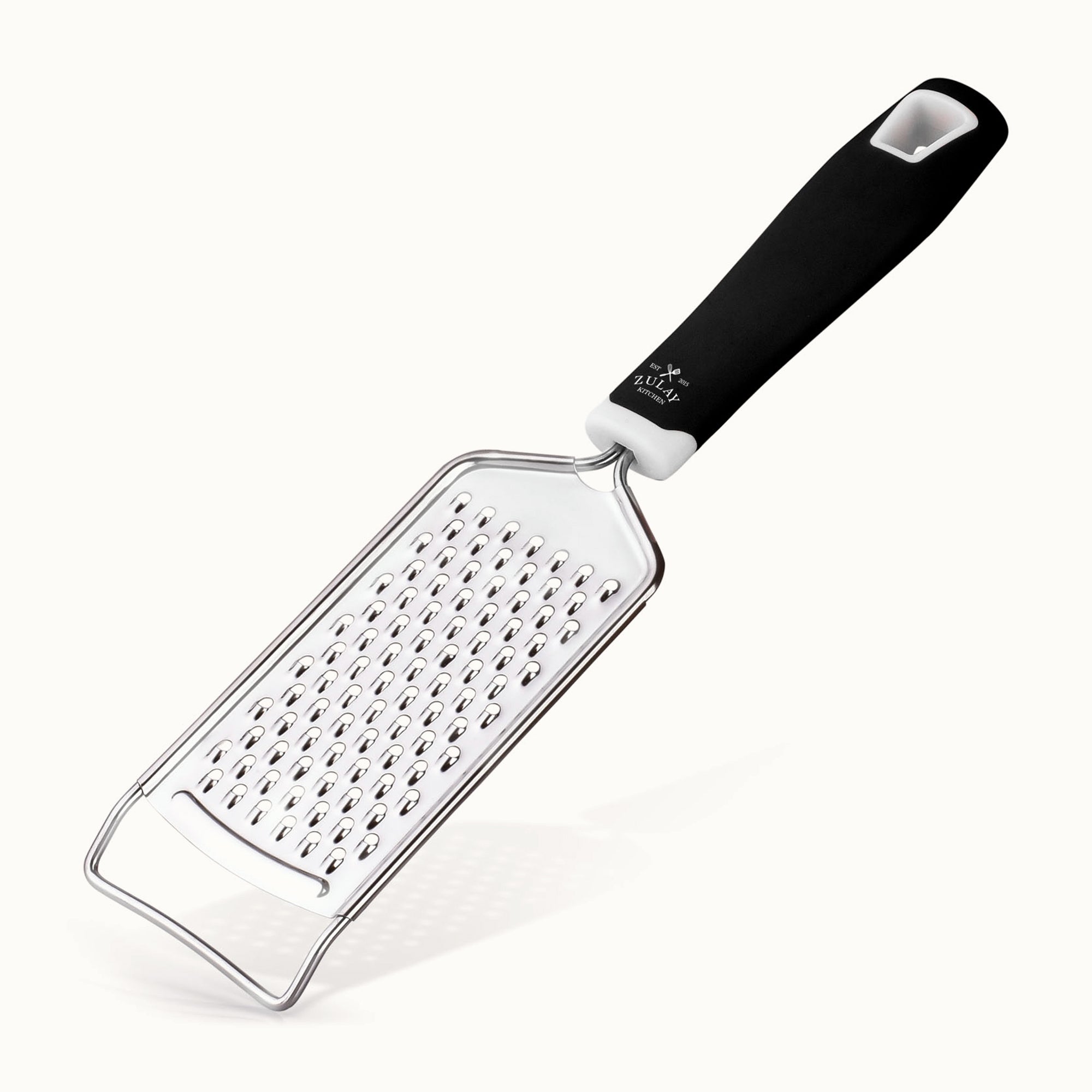
Flat graters have a simple, flat surface with holes or blades. They are lightweight and easy to hold. These graters work well for quick tasks and small amounts. Flat graters come in different sizes for fine or coarse grating. They are ideal for cheese, vegetables, and chocolate.

Credit: www.zulaykitchen.com
| Rotary Cheese Grater Hand Crank | View on Amazon → |
| OXO Good Grips Two-Fold Etched Grater | View on Amazon → |
| Zyliss Classic Rotary Cheese Grater – NSF Restaurant Certified | View on Amazon → |
Material And Durability
Choosing the right material for a handheld cheese grater affects its durability and performance. The grater must resist rust and stay sharp for a long time. The handle should provide a strong grip and last through many uses. Quality materials improve safety and ease of use in the kitchen.
Understanding material types helps pick a grater that fits your cooking needs. This section explains the benefits of stainless steel, dishwasher safety, and handle materials.
Stainless Steel Benefits
Stainless steel is the top choice for handheld cheese graters. It resists rust and corrosion even after frequent use. The blades stay sharp longer, making grating easier and faster. Stainless steel is strong and does not bend or break easily. This material also resists stains and odors, keeping the grater clean and fresh.
Dishwasher Safety
Many handheld cheese graters made from stainless steel are dishwasher safe. This feature saves time and effort in cleaning. A dishwasher-safe grater avoids rust caused by water sitting on the surface. It also prevents bacteria buildup, making the grater more hygienic. Check product details to confirm dishwasher safety before purchase.
Handle Materials
Handle comfort is key for a good grating experience. Common materials include plastic, rubber, and wood. Plastic handles are lightweight and easy to clean. Rubber handles offer a non-slip grip, improving control during use. Wood handles provide a natural feel but may require more care. Choose a handle that feels secure and comfortable in your hand.
Cheese Types And Graters
Choosing the right handheld cheese grater depends on the cheese type. Different cheeses need different grater sizes and styles. This guide helps you match cheese types with the best grater for smooth grating and great flavor.
Hard Cheeses
Hard cheeses like Parmesan and Pecorino require a fine or medium grater. These graters break down the cheese into small, fluffy pieces. A handheld grater with sharp blades works best. It makes grating easier and faster without much pressure.
Soft Cheeses
Soft cheeses such as mozzarella and cream cheese need a coarser grater. A grater with larger holes prevents the cheese from sticking. Handheld graters with ribbon or coarse blades help create longer shreds. This works well for melting or topping dishes.
Specialty Cheeses
Specialty cheeses like blue cheese or feta vary in texture. Crumbled or shredded forms suit different recipes. Small hole graters or crumblers work well depending on the cheese. Choosing the right handheld grater keeps the cheese texture intact and enhances your dish.
Popular Brands
Choosing the right handheld cheese grater often means choosing a trusted brand. Popular brands deliver quality, durability, and a great grating experience. These brands design graters that fit different needs and styles. Below are three well-known brands loved by many home cooks and professionals.
Microplane
Microplane is famous for its sharp blades and precise grating. Their graters are made from stainless steel for long-lasting use. The fine teeth on Microplane graters work well on hard cheeses like Parmesan. They also offer ergonomic handles that feel comfortable in your hand. Many chefs trust Microplane for quick and effortless grating.
Dalstrong
Dalstrong creates kitchen tools with a focus on performance and style. Their handheld cheese graters combine sharp blades with strong, durable materials. Dalstrong graters often have a modern design and non-slip handles. These features make grating cheese safer and easier. Users appreciate Dalstrong for its balance of quality and value.
Boska Holland
Boska Holland specializes in cheese tools and accessories. Their handheld graters come in various sizes and blade types. Boska graters are designed to handle soft and hard cheeses with ease. They also include practical features like built-in catchers for grated cheese. Boska’s products are popular in European kitchens and beyond for their reliability.
Size Guide Tips
Choosing the right size for a handheld cheese grater can make your cooking easier and more efficient. Size guide tips help match the grater size with the cheese block. They also consider how much cheese you will shred and how to store the grater properly. These tips ensure you get the best results every time.
Matching Grater To Cheese Block
Pick a grater size that fits the cheese block well. Small blocks work best with small graters. Large blocks need bigger graters for faster shredding. The size match stops cheese from slipping or breaking. It also makes grating safer and cleaner.
Shredding Quantity Considerations
Think about how much cheese you will shred at once. For small amounts, a compact grater is perfect. For large meals, use a bigger grater with more surface area. This saves time and effort in the kitchen. The right size avoids waste and keeps cheese fresh.
Storage And Handling
Choose a grater size that fits your kitchen space. Smaller graters are easy to store in drawers or hang on hooks. Larger graters may need special storage spots. Handle the grater with care to avoid cuts. Clean it immediately after use to keep it sharp and safe.

Credit: www.amazon.com
Additional Features
Additional features can enhance the use and comfort of a handheld cheese grater. These features improve efficiency and safety. They help you grate cheese faster and cleaner. Many models include special mechanisms and safety designs. Understanding these extras can help you pick the right grater for your kitchen.
Rotary Mechanisms
Rotary mechanisms make grating easier and quicker. You turn a handle instead of rubbing cheese against blades. This reduces hand strain and speeds up grating. Rotary graters often come with containers to catch grated cheese. They work well for hard and soft cheeses. This feature keeps your workspace tidy and cuts down on mess.
Dual Graters
Dual graters offer two grating surfaces in one tool. One side usually has fine blades, the other coarse. This allows you to grate different textures with one grater. Dual graters save space in your kitchen drawer. They give you flexibility for various recipes. You can switch blades easily depending on your needs.
Safety Features
Safety features protect your fingers from sharp blades. Many handheld graters include finger guards or covers. Some have non-slip handles for a secure grip. These features prevent accidents while grating. They make the grater safer for all users. Good safety design means less worry and more comfort.
Credit: www.zulaykitchen.com
Frequently Asked Questions
What Are The Different Grater Sizes?
Graters come in fine, coarse, ribbon, extra coarse, and zester sizes. Each suits different foods like cheese, carrots, or cabbage.
What Is The Best Handheld Cheese Grater?
The best handheld cheese grater offers a comfortable grip, sharp blades, and easy cleaning. Microplane rotary graters rank highly for efficiency and durability.
Are Nail Salons Supposed To Use Cheese Grater On Feet?
Nail salons should never use a cheese grater on feet. It can cause serious injury and infection. Use proper pedicure tools only.
How Do You Pick The Right Grater?
Choose a grater based on the type of food, desired shred size, comfort, and ease of cleaning. Select fine, coarse, or rotary styles accordingly.
Conclusion
Choosing the right handheld cheese grater size makes grating easier. Small graters suit fine tasks like zesting lemon or hard cheese. Larger graters handle coarse shredding for softer cheeses or vegetables. Consider what you grate most and pick accordingly. A comfortable grip and proper size improve your cooking experience.
Keep this guide handy to find your perfect handheld cheese grater. Enjoy effortless grating every time you cook.

Hi, I’m Emma Carter, a passionate home cook with over 12 years of hands-on experience in home kitchens. I love testing kitchen tools, trying new recipes, and helping everyday cooks make smarter buying decisions. Every review and guide I write is based on real cooking experience, practical testing, and honest opinions, not marketing claims.