Safety Tips for Cheese Grater Handheld | Avoid Cuts
If you love cooking, you probably use a handheld cheese grater often. But have you ever thought about how easily you can cut yourself while grating cheese or zesting citrus?
A sharp grater is great for your recipes, but it can be tricky and even dangerous if you’re not careful. That’s why knowing the right safety tips for your handheld cheese grater is so important. You’ll learn simple yet effective ways to protect your fingers, clean your grater safely, and get the best results every time.
Keep reading to make your kitchen time safer and more enjoyable!

Credit: www.amazon.com
Choosing The Right Grater
Choosing the right handheld cheese grater is key to safe and efficient use. A good grater reduces the risk of cuts and makes grating easier. This section covers the main points to consider when selecting your grater. Focus on type, material, and design to find the best fit for your kitchen.
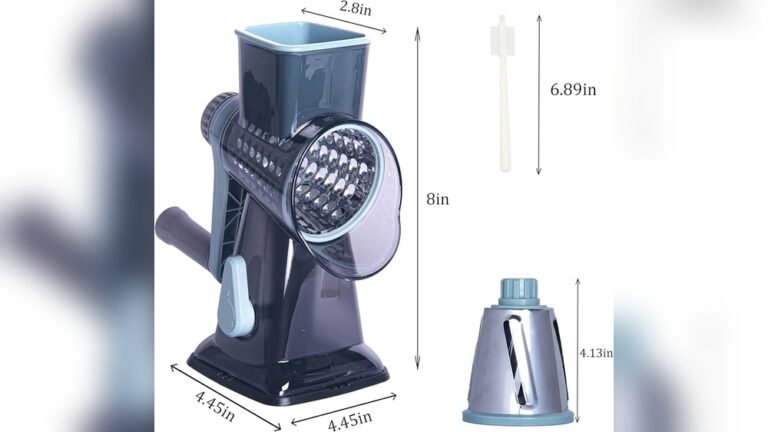
| Rotary Cheese Grater Hand Crank | View on Amazon → |
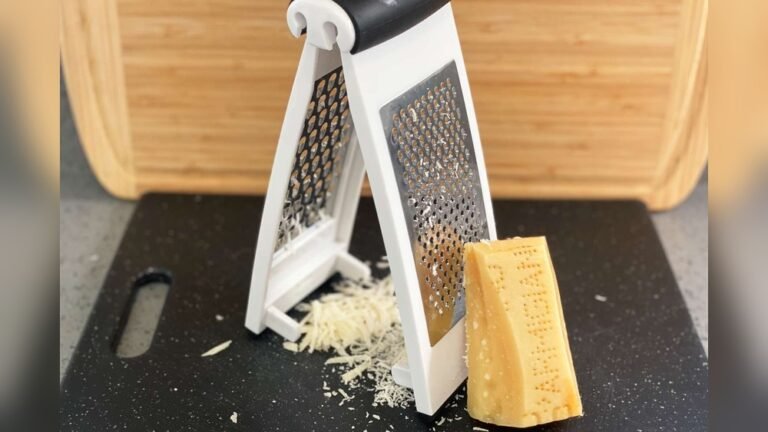
| OXO Good Grips Two-Fold Etched Grater | View on Amazon → |
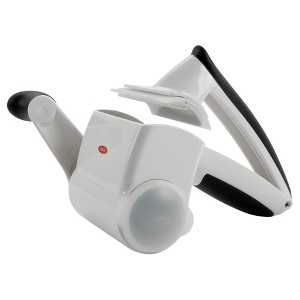
| Zyliss Classic Rotary Cheese Grater – NSF Restaurant Certified | View on Amazon → |
Types Of Handheld Graters
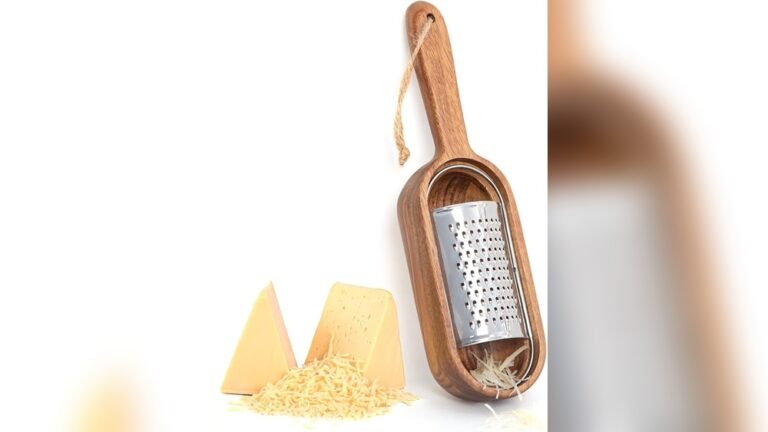
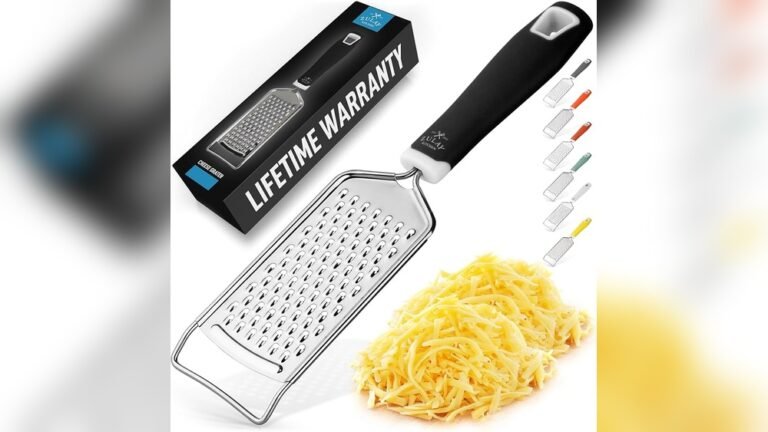
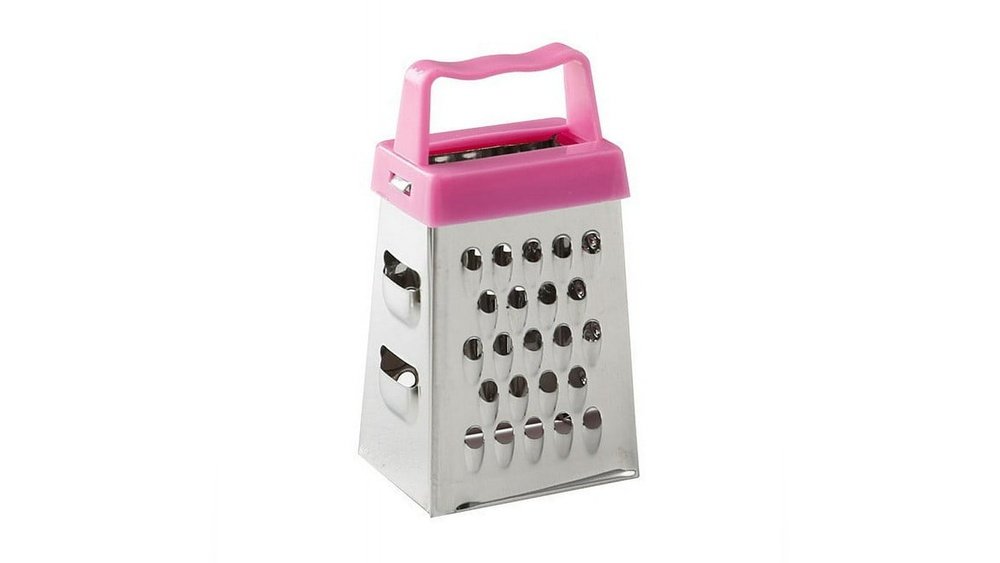
Handheld graters come in several styles. The most common are flat, rasp, and box graters. Flat graters are simple and easy to handle. Rasp graters have finer teeth for zesting and soft cheese. Box graters offer multiple grating surfaces but can be bulkier. Choose a type that matches your typical grating tasks.
Material And Build Quality
Stainless steel is the best material for durability and sharpness. Avoid cheap metals that rust or dull quickly. Look for graters with strong, securely attached blades. A solid build prevents wobbling and slipping during use. Good quality materials also make cleaning safer and easier.
Ergonomic Designs
Comfort matters when holding a grater for several minutes. Ergonomic handles reduce hand fatigue and improve grip. Non-slip grips offer better control, especially with wet hands. Some designs include finger guards for extra protection. Choose a grater that fits well in your hand and feels stable.

Credit: www.geedeldirect.net
Preparing For Safe Grating
Preparing for safe grating is the first step to avoid accidents. Taking simple precautions helps protect your fingers and makes grating easier. Before you start, get ready with the right tools and setup. This reduces risks and keeps your kitchen safe.
Focus on handling the food and grater carefully. Small changes in your preparation can prevent injuries and improve your grating experience.
Selecting Appropriate Food Sizes
Cut food into manageable pieces before grating. Large chunks can slip and cause cuts. Small pieces fit better in your hand and on the grater. This control lowers the chance of accidents. Always trim foods to sizes you can hold safely.
Using Protective Gloves
Wear cut-resistant gloves to protect your fingers. These gloves add a layer between your skin and the sharp grater. They reduce the risk of cuts and scrapes. Gloves also improve grip, making it easier to hold slippery foods. Use gloves every time you grate hard items like cheese.
Ensuring A Stable Work Surface
Place your grater on a flat, stable surface before starting. A steady base stops the grater from slipping. Use a damp cloth under the grater to keep it from moving. Stability helps you grate with controlled, safe motions. Never grate while holding the grater in the air.
Proper Grating Techniques
Proper grating techniques are essential for safe and effective use of a handheld cheese grater. Using the right methods reduces the risk of injury and improves the quality of your grated food. Follow simple steps to protect your fingers and get the best results every time.
Holding The Grater Correctly
Grip the handle firmly to keep the grater steady. Place the base on a flat surface or hold it over a bowl. Keep your fingers away from the grating surface. This gives you better control and prevents slips.
Using Controlled Motions
Move the food item gently against the grater. Avoid pressing too hard or rushing the process. Use slow, steady strokes to reduce accidents. Controlled motions help you grate evenly and safely.
Maintaining Distance From Blades
Stop grating before the food gets too small. Hold the food piece with your fingertips, not your palm. Use a protective glove or a food holder if available. Keeping distance from sharp blades prevents cuts and injuries.
Credit: www.target.com
Handling Small Or Hard Items
Handling small or hard items with a handheld cheese grater needs extra care. These items can slip or cause your fingers to get too close to the sharp edges. Using proper techniques helps avoid cuts and makes grating easier and safer.
Using Food Holders Or Forks
Food holders or forks keep small pieces steady. Hold the item with the tool instead of your fingers. This keeps your hands away from the sharp grater surface. It also gives better control over the item while grating. Use this method for small vegetables, nuts, or hard cheese.
Applying The Palm Technique
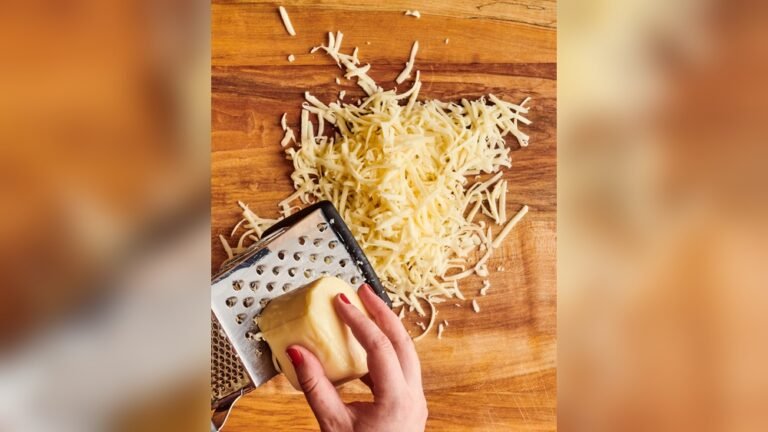
Hold the food flat against the grater using your palm. Press gently but firmly to keep the item stable. Move the item slowly up and down the grater. This technique lowers the risk of slipping. Your fingers stay safe behind your palm during grating.
Switching To Finer Grating Sides
Use the finer grating side for small or hard items. It requires less force and reduces the chance of slipping. The finer holes create smaller pieces with less pressure. This approach helps prevent injuries and improves grating results. Try it on hard spices or firm cheeses.
Cleaning And Maintenance
Proper cleaning and maintenance keep your handheld cheese grater safe and effective. Dirt and residue can dull the blades and cause bacteria build-up. Regular care extends the life of your grater and prevents accidents caused by stuck food.
Immediate Rinsing And Tapping Off Residue
Right after use, rinse your grater under warm water. Tap the sides gently to remove stuck food pieces. This stops food from drying and becoming harder to clean. Use a soft brush if needed, but avoid harsh scrubbing.
Using Cooking Oil To Prevent Sticking
Apply a thin layer of cooking oil on the grater blades before use. This helps cheese and other foods slide off easily. It also protects the metal from rust and keeps the grater sharp longer. Wipe off excess oil after cleaning.
Sharpening Tips With Aluminum Foil
Keep your grater sharp by rubbing it with a folded piece of aluminum foil. Fold the foil several times for thickness. Rub it against the blades to remove dull edges. This simple trick restores cutting power without special tools.
Storage And Safety Precautions
Proper storage and safety precautions extend the life of a handheld cheese grater. They also protect users from accidental cuts and injuries. Keeping the grater in good condition ensures it works well every time. Follow simple steps to store and care for your grater safely.
Safe Storage Methods
Store the cheese grater in a dry place to avoid rust. Use a protective cover or sheath for the blades. Keep it away from children’s reach to prevent accidents. Place the grater in a drawer or hang it on a hook. Avoid stacking it with heavy items to protect the blades.
Avoiding Dull Blades
Sharp blades make grating easier and safer. Dull blades increase the risk of slipping and injury. Clean the grater right after use to prevent food buildup. Dry it thoroughly before storing to keep blades sharp. Replace the grater if blades become too worn out.
Inspecting For Damage Regularly
Check the cheese grater before each use. Look for bent or broken blades that can cause injury. Ensure the handle is secure and not loose. Replace damaged graters to maintain safety. Regular inspection helps avoid accidents in the kitchen.
Frequently Asked Questions
How To Use A Cheese Grater Safely?
Hold the grater firmly and grate slowly in one direction. Keep fingers away from blades. Use a cut-resistant glove for extra protection. Grate over a stable surface to avoid slips. Clean immediately after use to prevent residue buildup and maintain sharpness.
How To Keep A Grater Safe?
Keep a grater safe by storing it in a protective cover or drawer. Clean immediately after use with a brush. Always handle blades carefully and wear cut-resistant gloves to protect fingers. Dry thoroughly to prevent rust and maintain sharpness.
How To Protect Your Fingers When Grating Cheese?
Wear cut-resistant gloves or use a finger guard to prevent injuries. Grate slowly and stop before fingers reach the blades. Hold cheese firmly and use a stable surface for better control.
How To Use A Hand Held Grater?
Hold the grater steady on a flat surface. Rub the food gently against the grater’s sharp side. Use slow, controlled motions. Keep fingers away from blades. Clean immediately after use to maintain sharpness and safety.
Conclusion
Using a handheld cheese grater can be safe and simple. Always grip the grater firmly to avoid slips. Keep your fingers away from the sharp edges. Use gentle, steady pressure while grating. Clean the grater immediately after use to prevent buildup.
Store it in a safe place where blades won’t cause harm. Wearing a cut-resistant glove adds extra protection. Taking these steps will keep you safe and make grating easier. Stay careful, and enjoy your cooking without injury. Safety matters every time you use your grater.

Hi, I’m Emma Carter, a passionate home cook with over 12 years of hands-on experience in home kitchens. I love testing kitchen tools, trying new recipes, and helping everyday cooks make smarter buying decisions. Every review and guide I write is based on real cooking experience, practical testing, and honest opinions, not marketing claims.