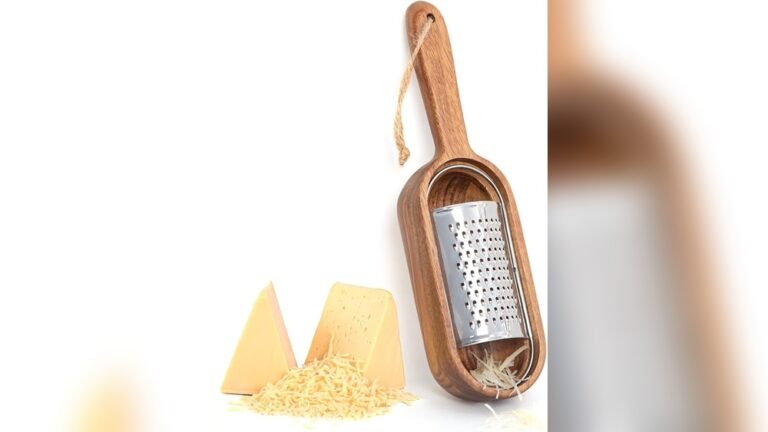

How to Use Cheese Grater Handheld for Perfect Grating
If you’ve ever struggled to get the perfect amount of cheese on your pasta or salad, learning how to use a handheld cheese grater can change your kitchen game completely. This simple tool lets you shred cheese quickly and evenly, but only if you know the right technique.
In this guide, you’ll discover easy, practical tips to make grating safer, faster, and less messy. Whether you’re a cooking newbie or just looking to sharpen your skills, mastering your handheld cheese grater will save you time and make your dishes taste even better.
Ready to become a cheese grating pro? Let’s dive in!
Choosing The Right Grater
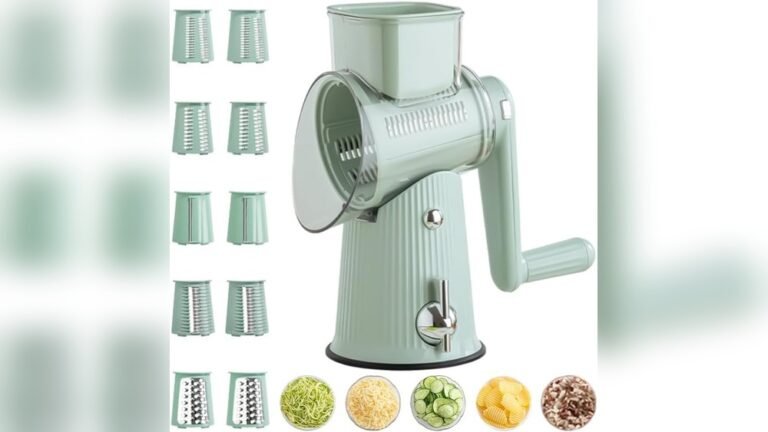
| Rotary Cheese Grater Hand Crank | View on Amazon → |
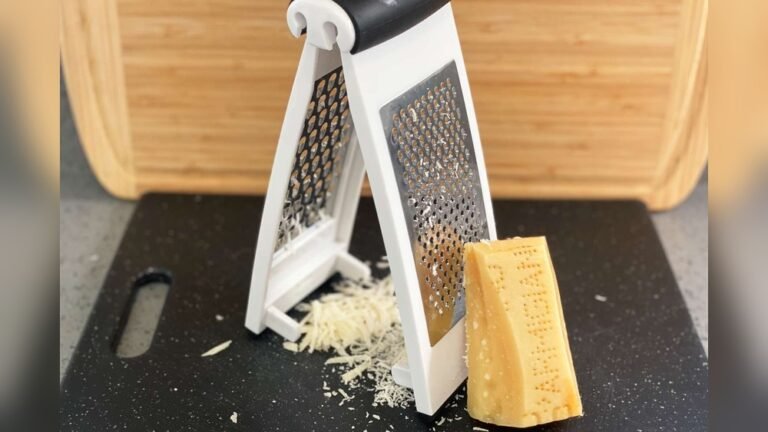
| OXO Good Grips Two-Fold Etched Grater | View on Amazon → |
| Zyliss Classic Rotary Cheese Grater – NSF Restaurant Certified | View on Amazon → |
Choosing the right handheld cheese grater makes grating easier and safer. The perfect grater fits your needs and kitchen style. Consider the grater’s type, material, size, and grip before buying. These factors affect your cooking experience and results.
Types Of Handheld Graters
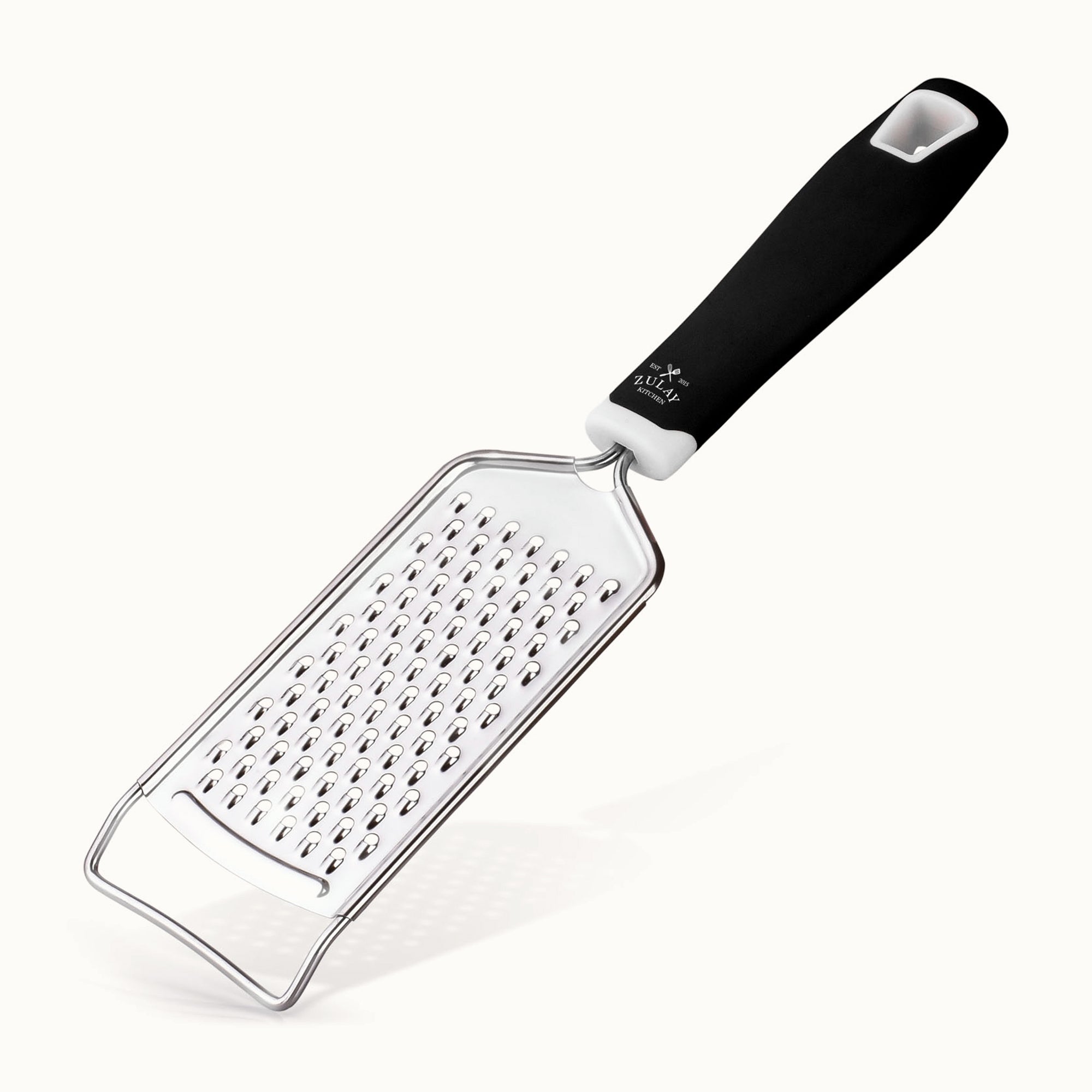
Handheld graters come in several types. A flat grater works well for quick tasks and small amounts. A box grater offers multiple grating surfaces in one tool. Microplane graters are great for fine zesting and hard cheeses. Choose the type that matches your usual grating tasks.
Material And Durability
Most graters are made of stainless steel. Stainless steel resists rust and stays sharp longer. Plastic handles add comfort but check for sturdy construction. Avoid cheap materials that bend or break easily. A durable grater lasts for years and stays effective.
Size And Grip
Size affects how easy the grater is to hold and use. Smaller graters work well for tight spaces but may require more effort. Larger graters cover more surface but need more room to use. Look for a grater with a comfortable, non-slip grip. A good grip prevents accidents and reduces hand fatigue.

Credit: ileoni.com
Preparing Cheese For Grating
Preparing cheese for grating makes the process easier and cleaner. Proper preparation helps you get even, fine shreds without crumbling the cheese. It also reduces the risk of the cheese sticking to the grater. Follow these simple steps to prepare your cheese perfectly for handheld grating.
Chilling Cheese For Firmness
Cold cheese is firmer and easier to grate. Place the cheese in the fridge for at least 30 minutes before grating. Firm cheese holds its shape and does not soften too much. Soft cheese can be messy and stick to the grater. Chilling prevents this and gives you neat, uniform shreds.
Cutting Cheese Into Manageable Pieces
Cut large blocks of cheese into smaller pieces before grating. Smaller pieces fit better in your hand and on the grater. This makes the grating safer and faster. Use a sharp knife to slice the cheese into chunks about 2 inches wide. This size is easier to handle and reduces waste.
Safe Grating Techniques
Using a handheld cheese grater safely helps prevent accidents in the kitchen. Proper techniques keep your fingers away from sharp edges. It also makes grating easier and cleaner. Follow these simple tips to protect yourself and enjoy grating cheese without worry.
Holding The Grater And Cheese
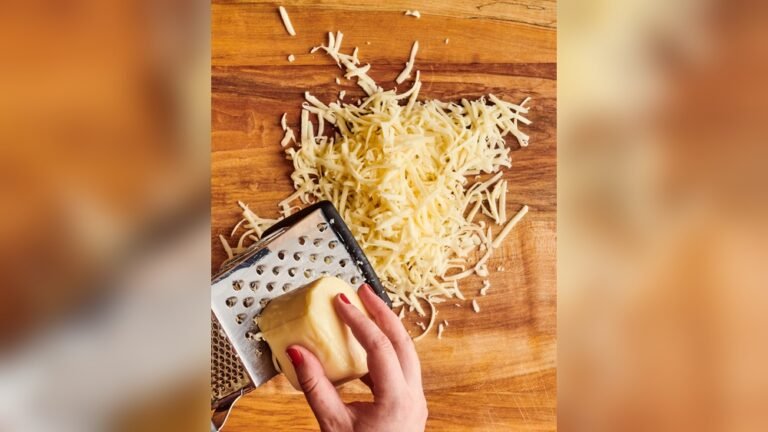
Hold the grater firmly on a stable surface. Use one hand to keep it steady. Hold the cheese with your other hand. Keep a strong grip but do not squeeze too hard. Use a piece of wax paper or a kitchen towel under the grater for extra grip. This stops slipping during grating.
Grating Angles And Motions
Place the grater at a slight angle, not flat. Move the cheese up and down or side to side smoothly. Use long, even strokes to avoid jerky motions. Do not press too hard; let the grater do the work. Change the direction if needed to get even shreds. This motion reduces the risk of slips.
Avoiding Finger Injuries
Keep your fingers away from the grater’s sharp surface. Stop grating when the cheese piece becomes too small to hold safely. Use a fork or food holder for tiny pieces. Always grate slowly near the end to avoid cuts. Wearing a cut-resistant glove adds extra protection. These steps help keep your hands safe.

Credit: www.amazon.com
Using All Sides Of A Box Grater
A box grater is a versatile kitchen tool. It has four different sides, each designed for a specific task. Using all sides lets you prepare ingredients in many ways. This makes cooking easier and adds variety to meals.
Each side of the box grater creates different textures. Knowing how to use each side saves time and effort. It also helps you achieve the right consistency for your dishes.
Fine Grating For Garnishes
The fine grating side has tiny holes. It works well for hard cheeses like Parmesan. Grate cheese finely to sprinkle on pasta or salads. This side also works for zesting citrus fruits. Fine grating creates delicate textures that add flavor and decoration.
Shredding For Cooking
The shredding side has medium-sized holes. It is perfect for shredding softer cheeses like cheddar. Use it to prepare cheese for melting in recipes. This side also shreds vegetables like carrots or zucchini. Shredded ingredients cook evenly and blend well in dishes.
Slicing And Zesting
The slicing side has long, sharp slits. It slices vegetables like cucumbers and potatoes quickly. Use this side to create thin, even slices for salads or cooking. The smallest holes on the grater work as a zester. They remove thin strips of citrus peel without the bitter white pith. Slicing and zesting add texture and freshness to recipes.
Cleaning And Maintenance
Cleaning and maintaining your handheld cheese grater is important. Proper care keeps it sharp and hygienic. It also extends the life of your grater. Dirt and cheese bits can stick to the grater’s surface. Cleaning right after use helps prevent buildup and rust. Follow these simple steps to keep your grater in top shape.
Rinsing Immediately After Use
Rinse your grater under warm water right after grating. This stops cheese from drying and sticking. Use running water to wash off soft cheese pieces. Avoid letting cheese harden on the grater. The sooner you rinse, the easier cleaning will be later. It also prevents odors and bacterial growth.
Using Brushes For Stuck Cheese
Use a small brush to remove stuck cheese bits. A toothbrush or a dish brush works well. Gently scrub between the grater holes to clear all residue. Avoid using sharp objects that can damage the grater. Brushes reach tight spaces that sponges cannot. This keeps the grater clean and safe for food use.
Drying And Storage Tips
Dry your grater completely after washing. Use a clean towel or air dry in a dish rack. Moisture can cause rust on metal graters. Store the grater in a dry place to avoid dampness. Hanging it or placing it in a utensil holder works best. Proper drying and storage keep your grater ready for next use.
Troubleshooting Common Issues
Using a handheld cheese grater can be simple and efficient. Yet, some common problems can slow you down. Knowing how to fix these issues helps keep grating smooth and fast. Here are tips for dealing with typical troubles.
Cheese Sticking To The Grater
Cheese often sticks to the grater’s surface. This happens with soft or warm cheese. Chill the cheese in the fridge before grating. Cold cheese is less sticky and easier to shred. Also, use quick, firm strokes to avoid buildup. Clean the grater regularly to remove any cheese bits.
Grater Dulling Over Time
The grater’s blades can lose sharpness after many uses. Dull graters make grating harder and uneven. Sharpen the grater by rubbing it gently with sandpaper. Another tip is to grate on a wooden surface to protect the blades. Replace the grater if it becomes too dull to work well.
Handling Soft Or Sticky Cheeses
Soft cheeses can clog the grater holes quickly. Lightly oil the grater surface with cooking spray to reduce sticking. Use a gentle motion and avoid pressing too hard. Grate soft cheese right before serving to keep it fresh. Consider using a different grater type, like a microplane, for very soft cheeses.
Creative Uses Beyond Cheese
The handheld cheese grater offers more than just cheese shredding. It is a versatile kitchen tool that can handle many ingredients. Exploring creative uses helps you get the most from this simple device. It saves time and adds texture to your dishes.
Grating Vegetables And Fruits
Use the handheld grater to shred vegetables like carrots, zucchini, and cucumbers. It works well for preparing salads, slaws, and garnishes. Fruits like apples and pears also grate nicely for baking or topping desserts. The fine texture helps blend flavors and improves presentation.
Grating soft vegetables and fruits quickly creates uniform pieces. This method is ideal for recipes requiring even cooking or mixing. It also reduces chopping time and effort. Try grating ginger or garlic to add fresh, strong flavors to meals.
Using For Chocolate And Nuts
The handheld grater is perfect for finely shredding chocolate. Use it to add delicate chocolate curls on cakes, desserts, or hot drinks. It creates a beautiful decoration and melts easily when sprinkled on warm foods.
Nuts like almonds, walnuts, or hazelnuts grate well for baking or garnishing. This adds a crunchy texture without large chunks. The fine nut shreds blend smoothly in batters and toppings. Grating nuts this way enhances both taste and appearance.
Credit: www.zulaykitchen.com
Frequently Asked Questions
How To Use A Hand Held Cheese Grater?
Hold the handheld cheese grater firmly. Rub cheese against the grater’s surface in a downward motion. Collect grated cheese below. Clean grater after use to maintain hygiene. Use caution to avoid scraping fingers.
Why Do Chicago Bears Fans Have Cheese Graters?
Chicago Bears fans use cheese graters as hats to mock the Green Bay Packers’ cheesehead tradition. It symbolizes rivalry pride.
Are Nail Salons Supposed To Use Cheese Grater On Feet?
Nail salons should never use cheese graters on feet. These tools cause cuts, infections, and skin damage. Use safer options like pumice stones or electric foot files instead.
What Are The Spikes On A Cheese Grater For?
The spikes on a cheese grater shred cheese or vegetables into small pieces. They create fine, even textures for cooking and garnishing.
Conclusion
Using a handheld cheese grater is simple and effective. Hold the grater firmly and grate cheese against its side. Use smaller cheese pieces for easier handling. Clean the grater carefully after each use to keep it sharp and safe. Different grater sides offer various textures, so choose based on your recipe.
Practice makes perfect, and soon grating cheese will feel natural. Enjoy freshly grated cheese in your dishes every time. This small tool adds flavor and fun to cooking.

Hi, I’m Emma Carter, a passionate home cook with over 12 years of hands-on experience in home kitchens. I love testing kitchen tools, trying new recipes, and helping everyday cooks make smarter buying decisions. Every review and guide I write is based on real cooking experience, practical testing, and honest opinions, not marketing claims.