How to Clean Cheese Grater Handheld Quickly & Effectively
If you’ve ever struggled with cleaning your handheld cheese grater, you’re not alone. Those tiny holes and sharp edges can trap bits of cheese and make scrubbing feel like a chore.
But what if you could clean your grater quickly and effortlessly, without wasting time or risking cuts? You’ll discover simple, effective techniques to get your cheese grater spotless every time. Whether you use it for hard Parmesan or soft mozzarella, these tips will keep your kitchen tool fresh and ready for your next culinary creation.
Keep reading, and say goodbye to frustrating cleanups!
Credit: www.amazon.com
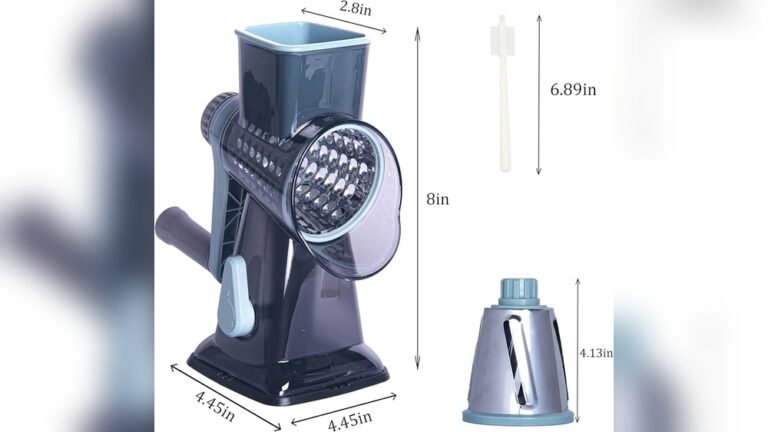
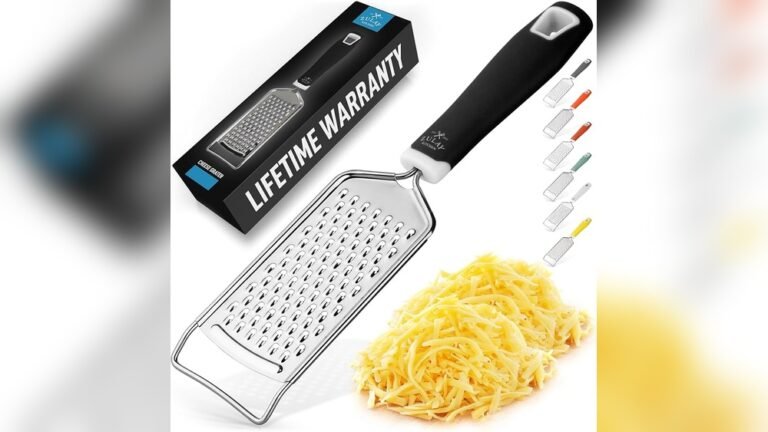
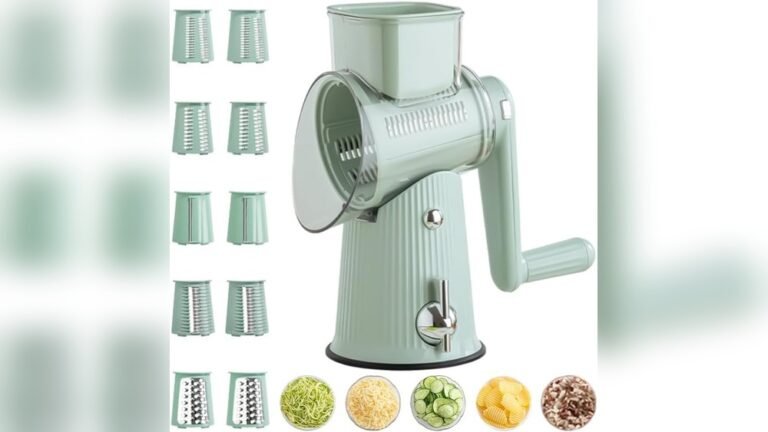
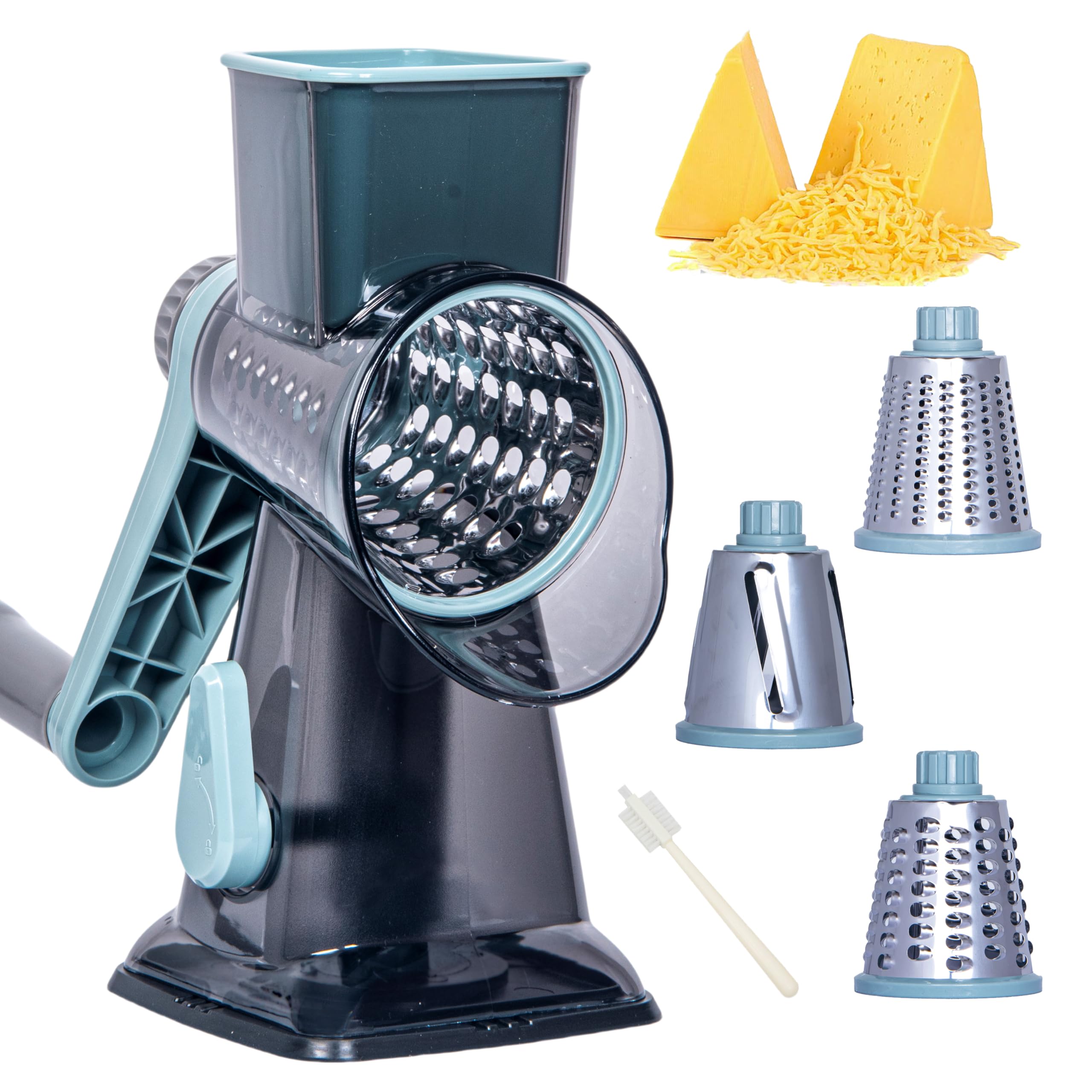
| Rotary Cheese Grater Hand Crank | View on Amazon → |
| OXO Good Grips Two-Fold Etched Grater | View on Amazon → |
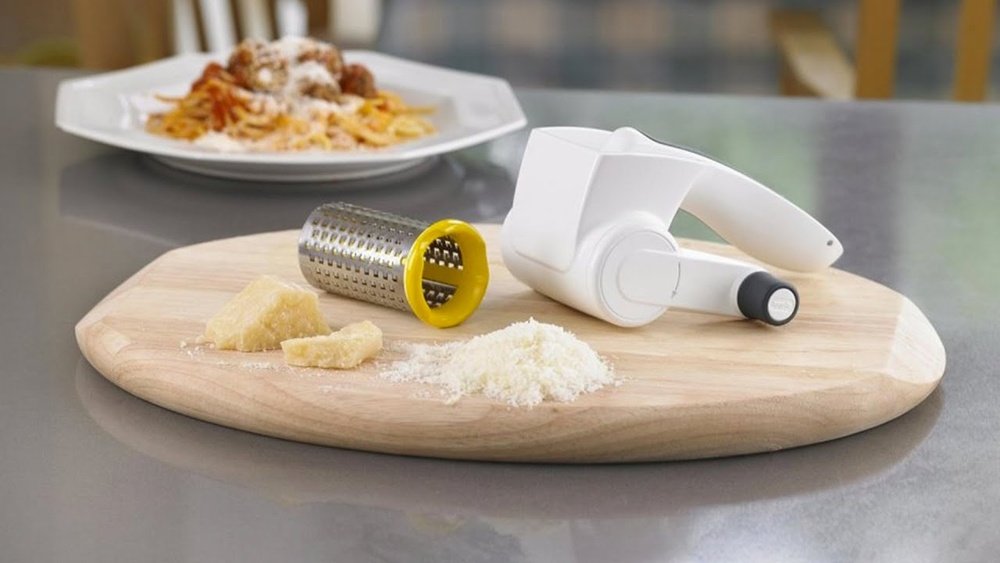
| Zyliss Classic Rotary Cheese Grater – NSF Restaurant Certified | View on Amazon → |
Tools Needed
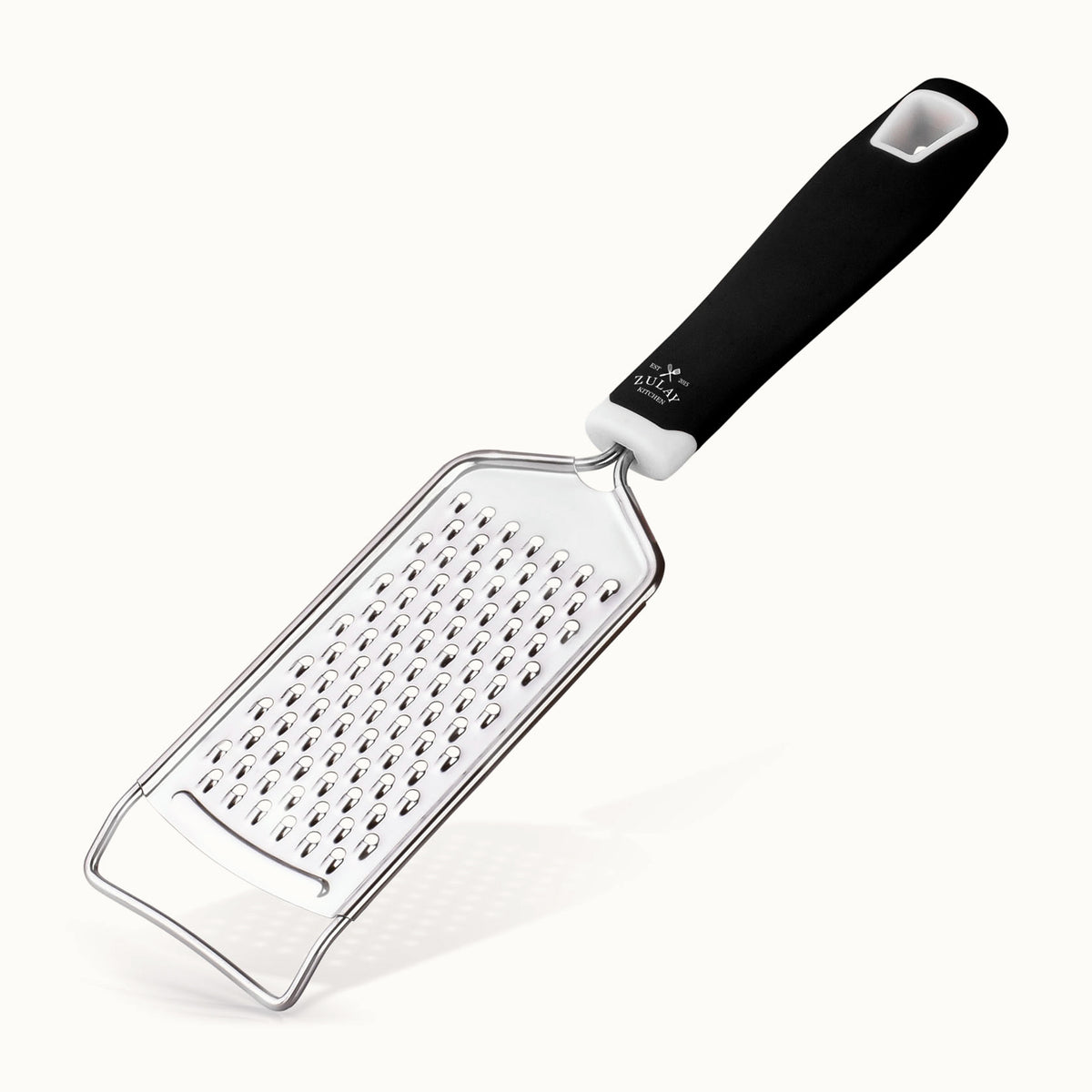
Cleaning a handheld cheese grater is simple with the right tools. These tools help remove cheese bits stuck in the tiny holes and keep your grater hygienic. Using proper brushes, soaking containers, and dishwasher options makes the process faster and more effective.
Brushes And Scrubbers
Small brushes work best for cleaning a cheese grater. A toothbrush or a nylon brush fits well between the grater’s teeth. Scrubbing gently removes cheese bits without damaging the metal. Avoid using rough scrubbers that may scratch the surface.
Soaking Containers
Soaking containers hold warm, soapy water to soften stuck cheese. Choose a container large enough to submerge the grater fully. Soaking loosens sticky cheese, making it easier to clean with a brush afterward. Use mild dish soap to avoid residue.
Dishwasher Use
Many metal handheld graters are dishwasher safe. Place the grater on the top rack for best results. A hot water cycle sanitizes and removes cheese residues effectively. Check the manufacturer’s guide to confirm dishwasher compatibility.
Immediate Rinse Tips
Cleaning a handheld cheese grater is easier with quick action. Immediate rinsing stops cheese from drying and sticking. This simple step saves time and effort later. Follow these tips for better cleaning results.
Rinse Right After Use
Hold the grater under running water as soon as you finish grating. Use warm water to help remove cheese faster. Avoid letting cheese sit on the grater. The sooner you rinse, the less cheese will cling to the blades. This keeps your grater cleaner and safer to handle.
Avoiding Stuck Cheese
Use a soft brush or sponge to gently clean any leftover cheese. Brush along the grater’s teeth, not across, to prevent damage. For sticky or oily cheese, soak the grater briefly in warm soapy water. This loosens cheese and makes rinsing easier. Quick action helps keep the grater in great condition and ready to use again.
Soaking Methods
Soaking a handheld cheese grater loosens stuck cheese and makes cleaning easier. This method softens dried bits and grease. It saves time and effort during scrubbing. Use the right soaking liquid for best results. Here are two effective soaking methods that clean your grater gently and thoroughly.
Warm Soapy Water
Fill a basin with warm water and dish soap. Submerge the cheese grater completely. Let it soak for 10 to 15 minutes. Warm water softens cheese residues and soap breaks down fats. After soaking, scrub the grater with a brush. Rinse with clean water to remove soap. Dry the grater well to avoid rust.
Natural Cleaners
Use natural ingredients like vinegar or lemon juice. Mix one part vinegar or lemon juice with two parts warm water. Soak the grater in this solution for 15 minutes. The acid helps dissolve cheese and kills bacteria. Scrub gently with a soft brush after soaking. Rinse thoroughly and dry to keep the grater fresh and clean.
Credit: zyliss.com
Brushing Techniques
Brushing is key to cleaning a handheld cheese grater effectively. It removes stuck cheese bits without damaging the grater. Using the right brushing techniques saves time and effort. Focus on gentle but thorough brushing to clear every tooth of residue.
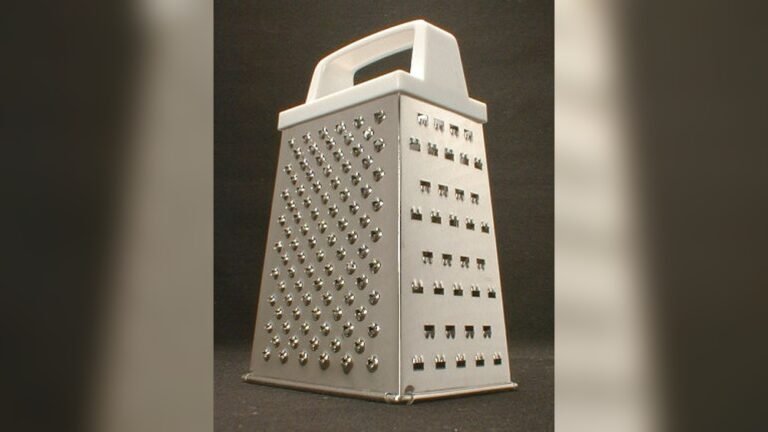
Brush Parallel To Teeth
Always brush along the direction of the grater’s teeth. Moving parallel avoids bending or dulling the sharp edges. It also helps dislodge trapped cheese more easily. Use steady strokes to clear out hard-to-reach spots. This method keeps your grater sharp and clean longer.
Using Toothbrush Or Nylon Brush
A toothbrush or small nylon brush works best for handheld graters. Their soft bristles reach into tiny gaps between teeth. Avoid metal brushes that can scratch or damage the surface. Dip the brush in warm soapy water to soften cheese residue. Brush gently but firmly until the grater shines.
Deep Cleaning Options
Deep cleaning your handheld cheese grater helps remove stubborn cheese bits and bacteria. Regular cleaning might miss tiny particles stuck in the grater holes. Deep cleaning ensures your grater stays hygienic and lasts longer. Use strong methods that reach every corner of the grater for best results.
Boiling Water Sanitizing
Boiling water kills bacteria and loosens stuck cheese bits. Fill a pot with water and bring it to a boil. Carefully place the metal grater in the boiling water for 5 minutes. Remove the grater with tongs and let it cool down. This method works well for all-metal graters. Avoid boiling graters with plastic handles or parts to prevent damage.
Dishwasher Cycles
Place your handheld cheese grater in the dishwasher for a thorough clean. Use the hottest water setting for better sanitation. The dishwasher can reach areas a brush might miss. Check if the grater is dishwasher safe before use. Avoid placing plastic parts on the bottom rack near the heating element. After the cycle, dry the grater completely to prevent rust.
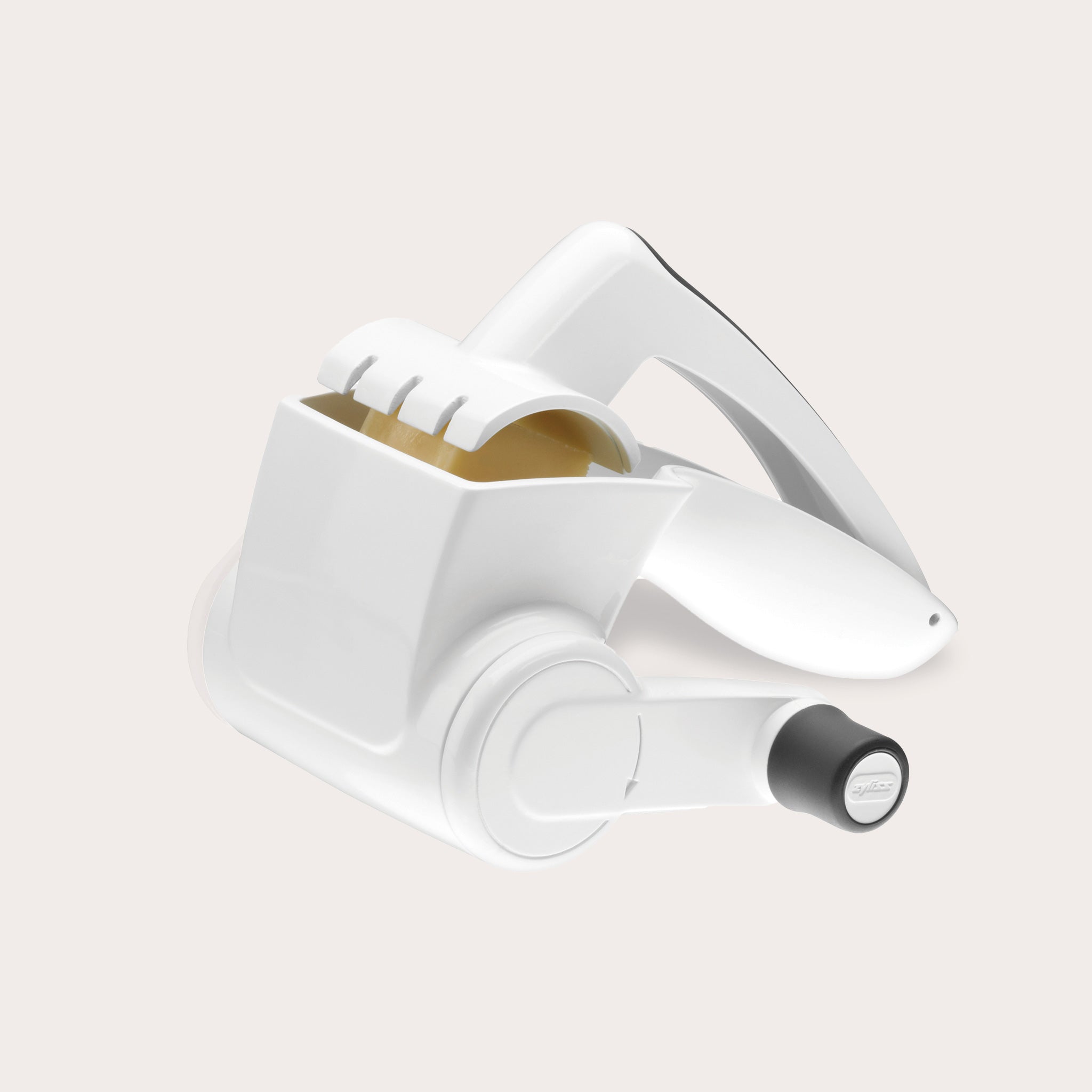
Cleaning Rotary Graters
Cleaning rotary graters keeps them working well and safe for food use. Dirt and cheese bits can hide inside the parts. Regular cleaning stops build-up and helps the grater last longer. This process is simple if you follow clear steps. Here is how to clean your rotary grater carefully and fully.
Disassembling Parts
Start by taking the grater apart carefully. Remove the handle first by twisting or pulling it off. Next, slide the drum out from the body. Keep all parts separate on a clean surface. This makes it easier to clean each piece deeply. Check for any stuck cheese or dirt in the small holes and edges.
Cleaning Drums And Handles
Wash the drum using warm water and mild soap. Use a soft brush to scrub inside the holes and blades. Brush gently to avoid dulling the metal. Rinse well to remove all soap. Clean the handle with soapy water and a cloth. Dry all parts completely before putting the grater back together. This prevents rust and keeps your grater fresh for next use.
Removing Stubborn Residue
Removing stubborn residue from a handheld cheese grater can be tough. Cheese and food particles often stick tightly to the grater’s surface. This makes cleaning tricky and time-consuming. Using simple household items and proper scrubbing methods helps. It breaks down stuck bits and cleans the grater efficiently. Below are two effective ways to remove that stubborn residue.
Lemon And Soap Trick
Cut a fresh lemon in half. Rub the cut side over the grater’s surface. The lemon juice helps break down cheese oils and food bits. Next, add a few drops of dish soap. Use warm water to create suds. Let the lemon juice and soap sit for a few minutes. This softens the stuck residue. Rinse with warm water to wash away loosened particles. This method cleans and freshens the grater naturally.
Scrubbing Tips
Use a small brush with stiff bristles. A toothbrush works well for this task. Brush along the grater’s teeth, not across them. This prevents damage and removes residue effectively. For stubborn spots, soak the grater in warm, soapy water. Soaking loosens dried cheese and food scraps. After soaking, scrub again gently. Rinse thoroughly under running water. Dry with a clean towel to prevent rust. Regular scrubbing keeps your grater clean and ready for use.
Drying And Storage
Drying and storing your handheld cheese grater properly keeps it clean and safe to use. Moisture left on the grater can cause rust and damage its sharp edges. Proper care after washing helps maintain the grater’s quality and longevity.
Preventing Rust
After washing, shake off excess water from the grater. Use a clean towel to dry all surfaces carefully. Pay close attention to the small holes and blades where water hides. Air-dry the grater in a well-ventilated place for a few minutes. Avoid leaving the grater wet or in a damp area. Drying quickly stops rust from forming and keeps the metal strong.
Proper Storage Practices
Store the cheese grater in a dry drawer or cupboard. Keep it away from moisture sources like sinks or dishwashers. Place the grater in a protective sleeve or wrap it in a dry cloth. This prevents dust and dirt from settling on the blades. Avoid stacking heavy items on top to protect its shape. Organized storage ensures your grater stays sharp and ready to use.
Credit: martinscastro.pt
Frequently Asked Questions
How To Clean A Hand Held Cheese Grater?
Rinse the grater immediately after use. Soak in warm, soapy water for sticky cheese. Scrub gently with a nylon brush along the blades. Rinse thoroughly and dry. For metal graters, run through the dishwasher occasionally to sanitize.
How To Take Apart A Handheld Cheese Grater?
Unscrew or detach the handle first. Then, slide or lift the drum out of the frame carefully. Clean each part separately.
Are Rotary Cheese Graters Hard To Clean?
Rotary cheese graters are easy to clean. Disassemble the parts, soak in warm soapy water, and use a brush to remove cheese residues. Most components are dishwasher safe, making cleaning quick and convenient. Regular cleaning prevents buildup and keeps the grater hygienic and efficient.
How To Get Stuff Off Grater?
Rinse the grater immediately after use. Soak in warm, soapy water if residue sticks. Scrub with a brush along the teeth. Rinse thoroughly and dry.
Conclusion
Cleaning a handheld cheese grater is simple with the right steps. Rinse it right after use to stop cheese from drying. Use warm, soapy water and a soft brush to clean stuck bits. For tougher residue, soak the grater briefly before scrubbing.
Dry it well to avoid rust and keep it safe. Regular cleaning keeps your grater ready and hygienic for every meal. Small effort, big difference in kitchen hygiene. Keep your grater clean and enjoy fresh, tasty cheese every time.

Hi, I’m Emma Carter, a passionate home cook with over 12 years of hands-on experience in home kitchens. I love testing kitchen tools, trying new recipes, and helping everyday cooks make smarter buying decisions. Every review and guide I write is based on real cooking experience, practical testing, and honest opinions, not marketing claims.