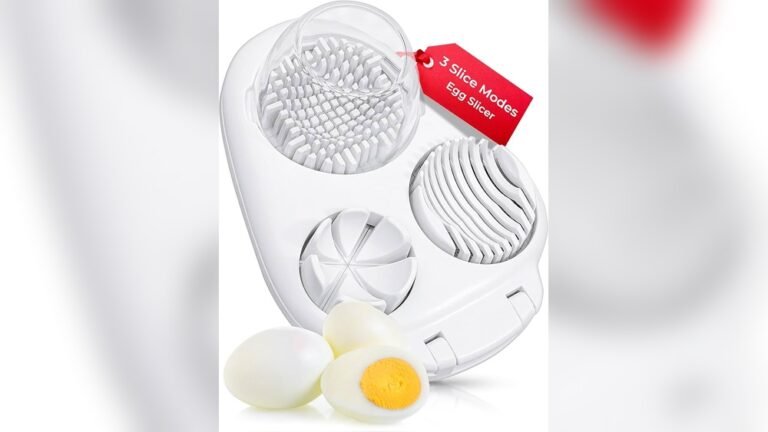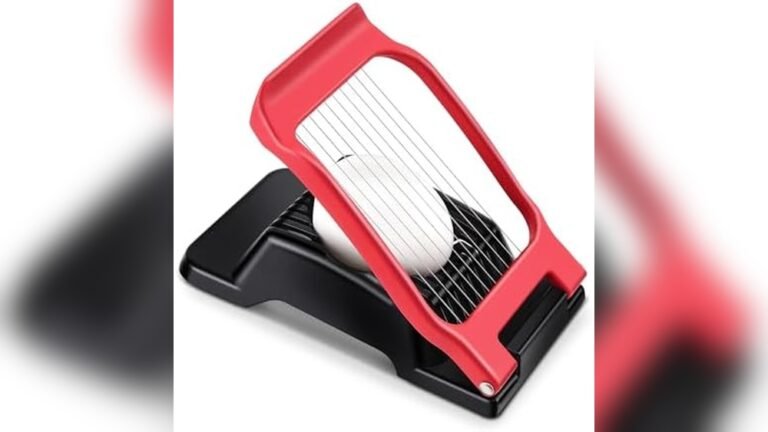
Size Guide Egg Slicer to Find the Perfect Fit for Your Kitchen
Choosing the right egg slicer might seem simple, but have you ever found yourself wondering, “What size slicer do I actually need?” Whether you’re preparing a quick snack or crafting a beautiful salad, the size of your egg slicer can make all the difference. If your slicer is too small, it might not handle larger eggs or other fruits and veggies you want to slice.
Too big, and it could be bulky or tricky to store. In this guide, you’ll discover how to pick the perfect egg slicer size for your kitchen needs. Get ready to slice with ease, save time, and add a touch of perfection to every dish you create! Keep reading to find the ideal match for your cooking style and space.

Credit: www.amazon.com
Choosing Egg Slicer Sizes
Choosing the right egg slicer size affects your kitchen tasks. It helps slice eggs neatly and saves time. Different sizes suit different egg types and slicing needs. Knowing the common sizes and how they impact use guides your choice.
Common Egg Slicer Dimensions
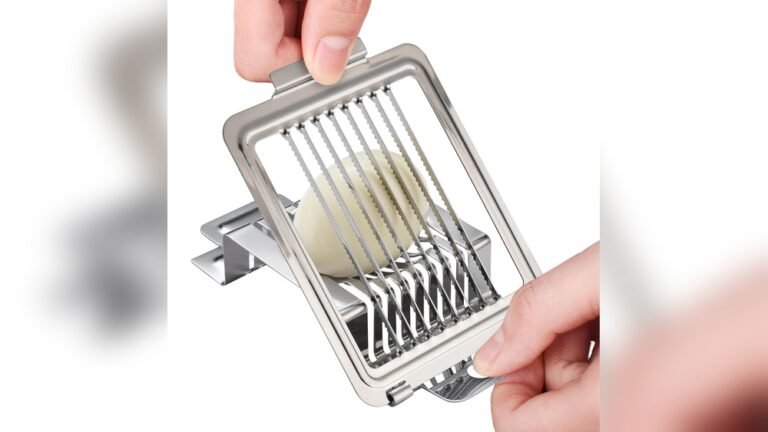
Egg slicers usually range from 4 to 6 inches wide. Most fit standard chicken eggs comfortably. Some models have adjustable features for larger eggs. Compact slicers suit small kitchens and occasional use. Larger slicers handle bigger eggs and more slices at once.
Size Impact On Slicing Efficiency
Bigger slicers can cut more slices in one press. Small slicers work well for quick, light tasks. Larger sizes may require more storage space. Wire tension and blade count also affect slicing speed. Choose a size that matches your cooking frequency.
Selecting Based On Egg Size
Match slicer size to the eggs you use most. Standard chicken eggs fit most slicers perfectly. For duck or goose eggs, choose larger slicers. Small eggs like quail need compact slicers or special models. Proper fit prevents eggs from breaking during slicing.

Credit: flourbox.com
Materials And Design Options
The materials and design of an egg slicer play a key role in its performance. Choosing the right combination affects ease of use and the quality of slices. Different options suit different needs and preferences. Understanding these choices helps pick the best slicer for daily tasks.
Wire Vs. Plastic Blades
Wire blades provide thin and precise cuts. They glide smoothly through eggs without crushing them. Wire is usually made of stainless steel, which resists rust and stays sharp longer.
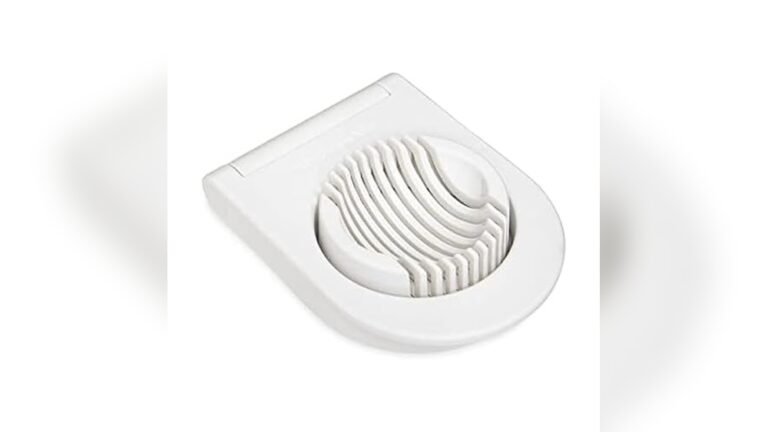
Plastic blades are safer for kids and less likely to damage non-stick surfaces. They work well for softer foods but may not slice as cleanly. Plastic is lighter and often cheaper than wire.
Ergonomic Features
Comfort matters in a tool used often. Many egg slicers have handles designed to fit the hand well. Non-slip grips prevent slipping and reduce effort during slicing.
Some models include wide bases for stability. This keeps the slicer steady on counters. A well-designed hinge ensures smooth opening and closing.
Durability And Maintenance
Durable materials extend the life of an egg slicer. Stainless steel parts resist wear and corrosion. High-quality plastic parts avoid cracking and breaking.
Cleaning should be easy. Dishwasher-safe slicers save time and effort. Avoid models with many small crevices where food can get stuck.
Versatile Uses Beyond Eggs
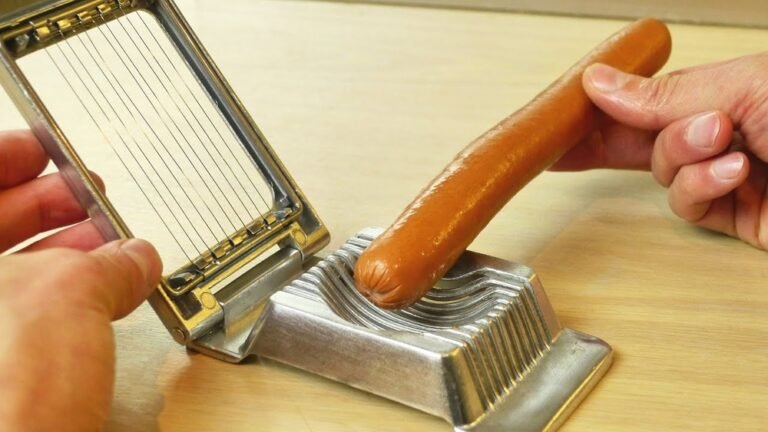
An egg slicer is not just for eggs. Its design allows slicing many soft foods easily. The thin wires create even, clean cuts fast. This tool helps save time in the kitchen. It works well for fruits, vegetables, and more. Discover how to use it beyond eggs.
Slicing Strawberries And Fruits
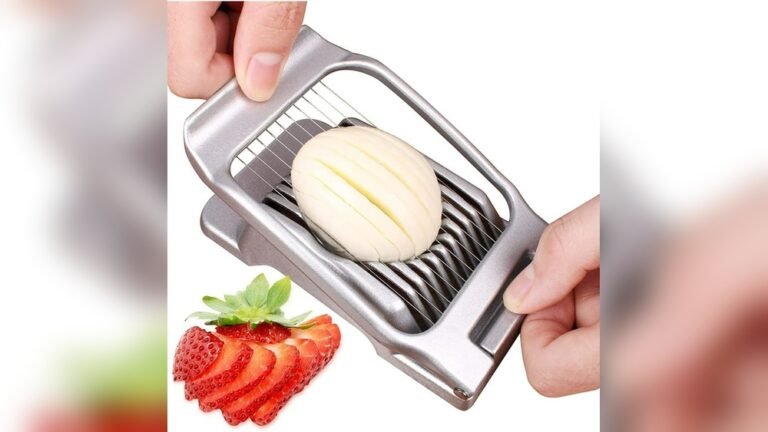
Egg slicers cut strawberries into perfect slices quickly. The thin wires glide through soft fruit without crushing. You can also slice kiwi, bananas, and grapes. This method keeps fruit looking fresh and neat. Ideal for salads, desserts, and snacks.
Cutting Mushrooms And Olives
Mushrooms and olives slice well with an egg slicer. The tool creates uniform pieces for cooking or garnishing. It works best on firm mushrooms and pitted olives. This saves time and effort compared to knives. Perfect for pizza toppings or salads.
Handling Soft Vegetables
Soft vegetables like cherry tomatoes or cooked potatoes slice easily. The slicer cuts without squashing delicate textures. This makes it great for quick meal prep. Use it for salads, sandwiches, or side dishes. A handy tool for everyday kitchen tasks.

Credit: www.economist.com
Matching Slicer To Kitchen Needs
Choosing the right egg slicer depends on your kitchen needs. Different slicers suit different cooking habits and kitchen sizes. Matching the slicer size and type to how often you cook saves time and makes prep easier. Consider how many eggs you slice daily and your kitchen space before buying.
For Occasional Home Use
Small egg slicers work best for occasional use. They are compact and easy to store. Use a 9-inch slicer if you slice eggs a few times a week. It handles light slicing tasks like eggs and soft fruits. These slicers cost less and take little space in your kitchen.
For Frequent Cooking
Medium-sized slicers suit daily cooks. A 10-inch or 12-inch slicer works well for regular egg slicing. They handle more eggs at once and slice vegetables too. These slicers are sturdy and save time during meal prep. They are great for family meals and daily recipes.
For Commercial Kitchens
Large slicers fit busy commercial kitchens best. A 12-inch or 13-inch slicer handles high volume slicing. It cuts eggs, cheese, and some frozen foods quickly. These slicers are strong and built for long hours of use. They help speed up service in restaurants and cafes.
Tips For Easy And Safe Slicing
Using an egg slicer can save time and effort in the kitchen. Following simple tips helps keep slicing easy and safe. Proper care and handling prevent accidents and improve results. The next sections explain how to prepare eggs, maintain slicer sharpness, and store the tool properly.
Proper Egg Preparation
Start with hard-boiled eggs cooled completely. Warm eggs may crumble or stick to wires. Gently peel eggs to avoid damage. Use fresh eggs for best slicing. Place the egg firmly in the slicer’s cradle. Do not force the slicer down too fast. Slow, steady pressure gives clean, even slices.
Maintaining Sharpness
Egg slicers use thin wires to cut smoothly. Avoid pressing too hard to protect wires. Check wires regularly for bends or breaks. Replace the slicer if wires become loose or dull. Do not use the slicer on hard foods like nuts. Keep slicer wires dry to prevent rust and damage.
Cleaning And Storage
Clean the slicer immediately after use to stop residue buildup. Rinse under warm water and use a soft brush to clean wires. Avoid harsh scrubbing that can bend wires. Dry the slicer carefully before storing. Store in a dry place away from heavy objects. Proper storage keeps the slicer in good condition and ready to use.
Popular Brands And Models
Choosing the right egg slicer can make meal prep faster and neater. Popular brands offer various models to fit different needs. Some focus on affordability, while others provide premium features for frequent use. Understanding these options helps pick the best slicer for your kitchen.
Top-rated Egg Slicers Online
Many top-rated egg slicers have strong customer reviews. Brands like OXO and Westmark lead with durable designs. These slicers usually feature stainless steel wires for clean cuts. They work well for eggs and soft fruits. Their ergonomic handles make slicing easy and safe.
Budget-friendly Options
Budget-friendly egg slicers provide great value without high cost. Brands such as Chef’n and Prepworks offer simple models. These slicers are lightweight and easy to store. Perfect for occasional use or small kitchens. They still deliver even slices for salads and snacks.
Premium And Specialty Slicers
Premium egg slicers include extra features for advanced needs. Some models have adjustable blades for different slice thicknesses. Brands like Norpro offer slicers that cut eggs into wedges or cubes. Specialty slicers might handle other foods like mushrooms or strawberries. These tools suit busy cooks who want versatility and durability.
Frequently Asked Questions
What Size Slicer Do I Need?
Choose a slicer size based on your needs: 9-inch for light use, 10-inch for medium slicing, 12-inch for frequent use, and 13-inch for high volume or large cuts.
Will An Egg Slicer Slice Strawberries?
Yes, an egg slicer can slice strawberries, especially ripe and firm ones, into uniform, clean slices quickly and easily.
What Else Can You Cut With An Egg Slicer?
An egg slicer can cut strawberries, kiwis, bananas, mushrooms, olives, cherry tomatoes, and small firm fruits or vegetables evenly and quickly.
Are Egg Slicers Sharp?
Egg slicers use thin, sharp wires that easily cut through hard-boiled eggs and soft fruits. They are sharp enough for smooth slicing but safe to handle.
Conclusion
Choosing the right egg slicer size makes slicing easier and faster. Small slicers work well for occasional use and light slicing. Medium sizes suit daily kitchen tasks with moderate slicing needs. Larger slicers handle frequent use and bigger food items smoothly.
Consider how often and what you will slice before buying. A good fit helps save time and effort in the kitchen. Use this guide to pick a slicer that matches your needs perfectly. Simple tools can improve your cooking experience every day.

Hi, I’m Emma Carter, a passionate home cook with over 12 years of hands-on experience in home kitchens. I love testing kitchen tools, trying new recipes, and helping everyday cooks make smarter buying decisions. Every review and guide I write is based on real cooking experience, practical testing, and honest opinions, not marketing claims.