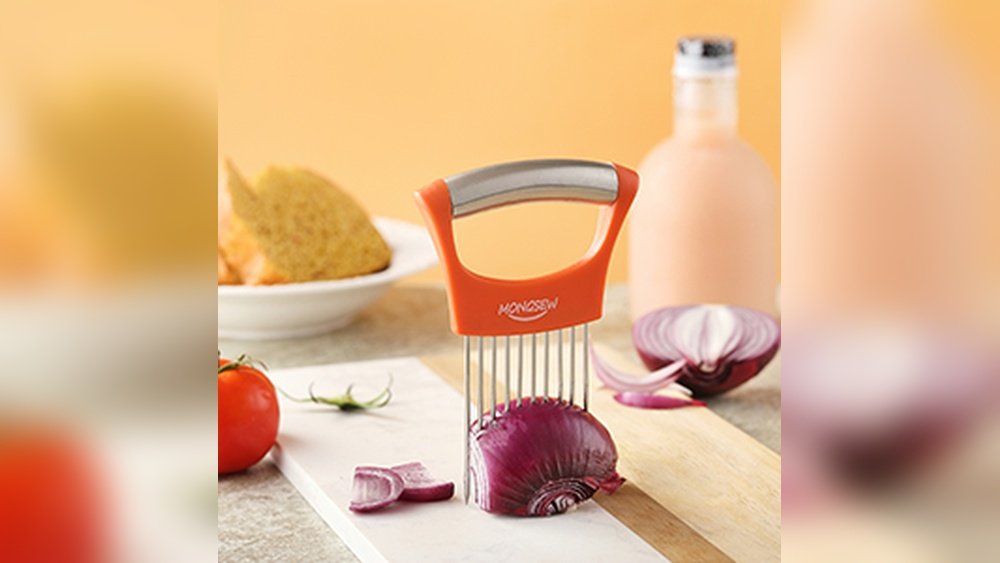
How to Store Tomato Slicer – Easy Tips for Freshness
You’ve just sliced fresh, juicy tomatoes and now wonder how to keep them tasting their best. Storing tomato slicers properly isn’t as tricky as it seems, but doing it wrong can turn your vibrant slices into soggy, flavorless pieces in no time.
Whether you’re prepping for a picnic, meal prepping for the week, or just want to avoid waste, knowing the right way to store your tomato slices can save you time and money. In this guide, you’ll discover simple, effective tips to keep your tomato slicers fresh, flavorful, and ready to enjoy whenever you want.
Let’s dive into how you can extend the life of your tomato slices with easy storage hacks you’ll wish you knew sooner!
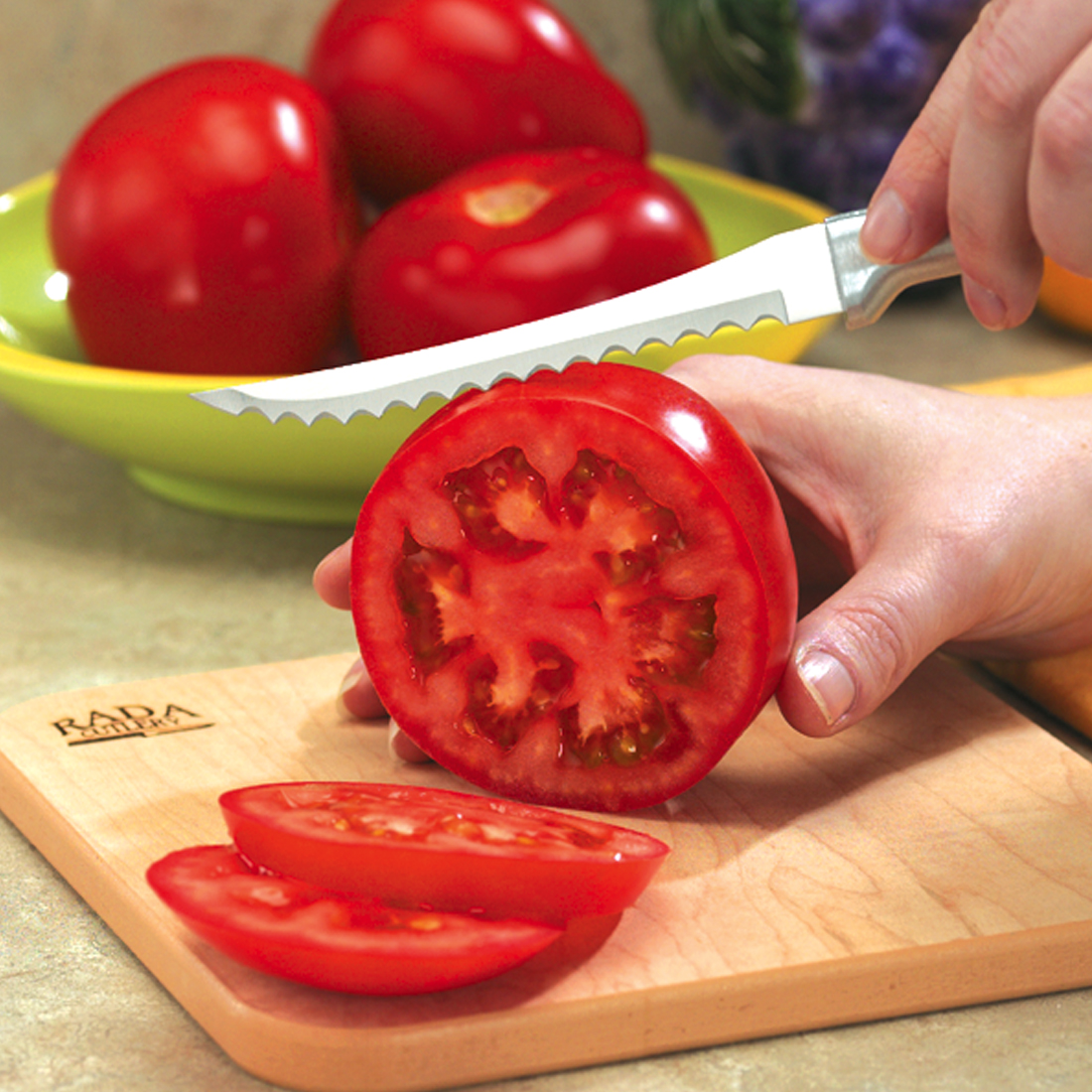
Credit: www.dutchmansstore.com
Storage Containers
Storing sliced tomatoes properly keeps them fresh longer and maintains their flavor. Using the right storage containers is key. Containers protect tomato slices from air and moisture. They also prevent the tomato slices from absorbing other fridge odors. Choosing the right container helps avoid sogginess and spoilage.
Choosing Airtight Containers
Airtight containers keep air out and preserve freshness. They stop moisture loss and prevent the tomato slices from drying. Choose containers with a tight-fitting lid for best results. Plastic or glass containers with seals work well. Make sure the container size fits the amount of tomato slices. Too much empty space lets air circulate and spoil the tomatoes faster.
Using Resealable Plastic Bags
Resealable plastic bags are easy and space-saving. Remove excess air before sealing to reduce oxidation. Double-bagging can help prevent leaks and smells. Use bags made for food storage to keep tomatoes safe. Label the bag with the date to track freshness. Store the bag flat in the fridge for even cooling.
Benefits Of Glass Vs Plastic
Glass containers do not absorb stains or odors. They are more durable and eco-friendly. Glass keeps tomato slices tasting fresh longer. Plastic containers are lighter and less likely to break. They come in many sizes and shapes. Choose BPA-free plastic for safe food storage. Both types work well, but glass is best for flavor and health.

Credit: www.webstaurantstore.com
Refrigeration Tips
Keeping tomato slicers fresh in the fridge helps maintain their taste and texture. Proper refrigeration slows spoilage and preserves juiciness. Follow simple steps to store tomato slices effectively and enjoy their freshness longer.
Ideal Temperature Settings
Set your refrigerator between 35°F and 40°F (1.5°C to 4°C). This range keeps tomato slices cool without freezing them. Avoid temperatures below 32°F, which can cause damage to the tomato’s texture.
Maintaining the right temperature prevents spoilage and keeps the slices fresh. Check your fridge settings regularly to ensure consistent cooling.
Storing Slices Cut Side Down
Place tomato slices cut side down on a plate or container. This reduces exposure to air and prevents drying out. Cover the slices with plastic wrap or use an airtight container.
This method helps lock in moisture and slows the browning process. It also keeps the slices from becoming mushy or losing flavor.
Shelf Life In The Fridge
Tomato slices last up to two days in the refrigerator. Beyond this, they start to lose freshness and texture. Use them quickly in salads, sandwiches, or cooking.
Storing tomato slices properly helps avoid waste and keeps meals tasting fresh. Always check for signs of spoilage before use, such as a sour smell or slimy texture.
Freezing Methods
Freezing is a smart way to keep tomato slicers fresh for longer. It slows down spoilage and preserves flavor. Using the right freezing methods helps maintain the tomato’s texture and taste. Follow simple steps to freeze tomato slices properly and enjoy them later.
Preparing Tomatoes For Freezing
Start by washing the tomatoes gently under cool water. Pat them dry with a clean towel. Slice the tomatoes evenly to ensure quick freezing. Remove any blemishes or soft spots. Lay the slices on a baking sheet lined with parchment paper. Freeze them for a few hours until firm. This step prevents slices from sticking together.
Using Airtight Packaging
Once frozen, transfer the tomato slices into airtight containers or freezer bags. Remove as much air as possible to avoid freezer burn. Label each package with the date of freezing. Store the packages flat in the freezer for easy stacking. Airtight packaging keeps the tomatoes fresh and flavorful for months.
Thawing And Usage Tips
Thaw tomato slices in the refrigerator overnight for the best texture. For faster thawing, place them in a sealed bag and submerge in cold water. Use thawed tomatoes mainly in cooked dishes like sauces or stews. Avoid refreezing thawed tomatoes to maintain quality. Frozen tomato slicers add a fresh touch to many recipes.
Preservation Alternatives
Preserving sliced tomatoes can extend their usability and reduce waste. Various methods keep their flavor and texture intact. Choose a preservation method based on how you plan to use your tomatoes later.
Dehydrating Tomato Slices
Dehydrating removes moisture from tomato slices. This process prevents bacteria growth and spoilage. Use a food dehydrator or an oven at low heat. Slice tomatoes evenly for uniform drying. Store dried tomatoes in airtight containers. They last for months and work well in soups or salads.
Canning Whole Or Sliced Tomatoes
Canning preserves tomatoes for long periods. Sterilize jars and lids before use. Pack tomatoes tightly and add lemon juice for acidity. Process jars in a boiling water bath. Properly canned tomatoes stay safe for up to a year. Use canned tomatoes in sauces, stews, or recipes needing fresh tomato taste.
Making Tomato Sauces And Purees
Turning tomatoes into sauces or purees is a tasty way to preserve them. Cook sliced tomatoes until soft and blend to desired texture. Store in sterilized jars or freezer-safe containers. Freeze or refrigerate for easy use later. Sauces and purees are perfect for pasta, pizza, or stews.
Handling Leftovers
Handling leftover tomato slicer pieces properly keeps their taste fresh and texture firm. Leftover slices can still add value to your meals. Store them right and explore simple ways to enjoy them beyond just salads or sandwiches.
Creative Uses For Leftover Slices
Use leftover tomato slices in wraps and sandwiches for a juicy crunch. Layer them with cheese and herbs on toast for a quick snack. Add slices to your omelets or scrambled eggs to brighten the flavor. Blend them into smoothies for a fresh, healthy twist. Leftover slices work well in cold pasta or grain salads, boosting color and nutrition.
Enhancing Flavor With Roasting
Roasting tomato slices deepens their flavor and softens texture. Toss slices with olive oil, salt, and garlic before roasting. Place them on a baking sheet and roast at 400°F (200°C) for 20 minutes. Use roasted tomatoes as a side dish or add to sauces and soups. Roasting brings out natural sweetness and reduces acidity, making them tastier.
Safe Storage Practices
Store leftover tomato slices in airtight containers or resealable bags. Keep them in the refrigerator to slow spoilage. Use within two to three days for best taste and safety. Avoid stacking slices to prevent bruising and sogginess. Label containers with date to track freshness easily. Proper storage helps maintain quality and reduces food waste.
Maintaining Freshness
Keeping your tomato slicer fresh after cutting preserves taste and texture. Proper storage helps avoid spoilage and waste. Follow simple steps to maintain freshness longer.
Avoiding Excess Moisture
Excess moisture causes tomatoes to become mushy quickly. Avoid washing sliced tomatoes before storage. Use containers that allow some air circulation. Keep tomatoes dry by wiping off any water droplets.
Using Paper Towels For Absorption
Place a paper towel inside the storage container. The towel absorbs extra moisture from the tomatoes. Change the paper towel daily to keep it effective. This method keeps slices firm and fresh.
Keeping Tomatoes Away From Ethylene Producers
Some fruits release ethylene gas, speeding up tomato ripening and spoilage. Store sliced tomatoes separately from bananas, apples, and avocados. Keep your tomatoes in a cool place, away from these fruits. This slows down decay and keeps them fresh longer.
Safety Guidelines
Following safety guidelines is key when storing tomato slicers. Proper care prevents foodborne illness and keeps tomatoes fresh longer. Understanding how to handle and store sliced tomatoes safely protects your health and taste experience.
Recognizing Spoiled Tomatoes
Check tomatoes for soft spots or mold before storage. Avoid tomatoes with a sour smell or dark discoloration. Spoiled tomatoes can cause food poisoning if eaten. Always discard any tomato that looks or smells bad.
Proper Cleaning Before Storage
Rinse tomatoes gently under cool running water before slicing. Use a clean knife and cutting board to avoid contamination. Pat tomatoes dry with a clean towel before placing them in storage. Clean tomatoes reduce bacteria growth and keep them fresh.
Avoiding Cross-contamination
Store sliced tomatoes separately from raw meats and other raw foods. Use clean, sealed containers or bags to prevent contact with other foods. Wash hands thoroughly after handling raw foods and before touching sliced tomatoes. Preventing cross-contamination protects from harmful bacteria.

Credit: amishcountrystoreonline.com
Frequently Asked Questions
How To Store Tomatoes After Slicing?
Store sliced tomatoes in an airtight container, place in the refrigerator, and use within two to three days for freshness.
What To Do With Too Many Slicer Tomatoes?
Use excess slicer tomatoes by canning, slow-roasting, dehydrating, freezing, or making sauces like marinara, salsa, or purée.
How Far In Advance Can You Slice A Tomato?
Slice tomatoes up to two days in advance. Store slices in an airtight container or wrap tightly with plastic wrap. Keep refrigerated to maintain freshness and prevent spoilage. Use within 48 hours for best taste and texture.
What To Do With Leftover Tomato Slices?
Store leftover tomato slices in an airtight container in the fridge. Use within two days. Add them to sandwiches, salads, or roast with olive oil for flavor.
Conclusion
Storing tomato slicers properly keeps them fresh and tasty longer. Use airtight containers or wrap slices tightly to prevent drying. Refrigerate and aim to use within two to three days for best flavor. Avoid leaving slices out at room temperature to stop spoilage.
Simple steps protect your tomatoes and reduce waste. Enjoy fresh tomato slices in sandwiches, salads, or cooking anytime. Proper storage makes your tomato slicers convenient and ready to eat. Easy to follow and effective for every kitchen.

Hi, I’m Emma Carter, a passionate home cook with over 12 years of hands-on experience in home kitchens. I love testing kitchen tools, trying new recipes, and helping everyday cooks make smarter buying decisions. Every review and guide I write is based on real cooking experience, practical testing, and honest opinions, not marketing claims.