Quick & Effective Tips for How to Clean Mango Slicer Easily
You love enjoying juicy, perfectly sliced mangoes, but have you ever thought about the best way to clean your mango slicer afterward? If you don’t clean it properly, leftover fruit bits and sticky residue can build up, making your slicer less effective and unhygienic.
But don’t worry—cleaning your mango slicer doesn’t have to be a hassle. In this guide, you’ll discover simple, quick steps to keep your slicer spotless and ready for your next delicious mango treat. Keep reading, and you’ll learn how to make cleaning effortless while protecting your slicer’s sharpness and your health.
Choosing The Right Mango Slicer
Choosing the right mango slicer makes cleaning easier and speeds up your kitchen work. A good slicer cuts fruit neatly without much effort. It also cleans quickly, saving time and keeping your kitchen tidy. Picking the right type and material helps you enjoy fresh mango slices every time.
Types Of Mango Slicers
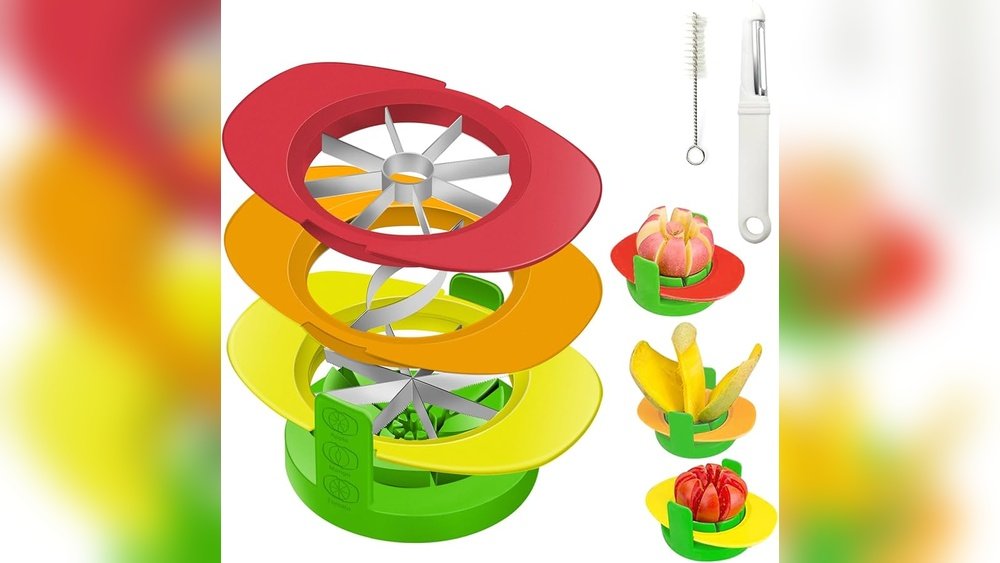
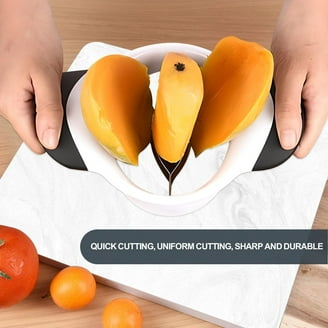
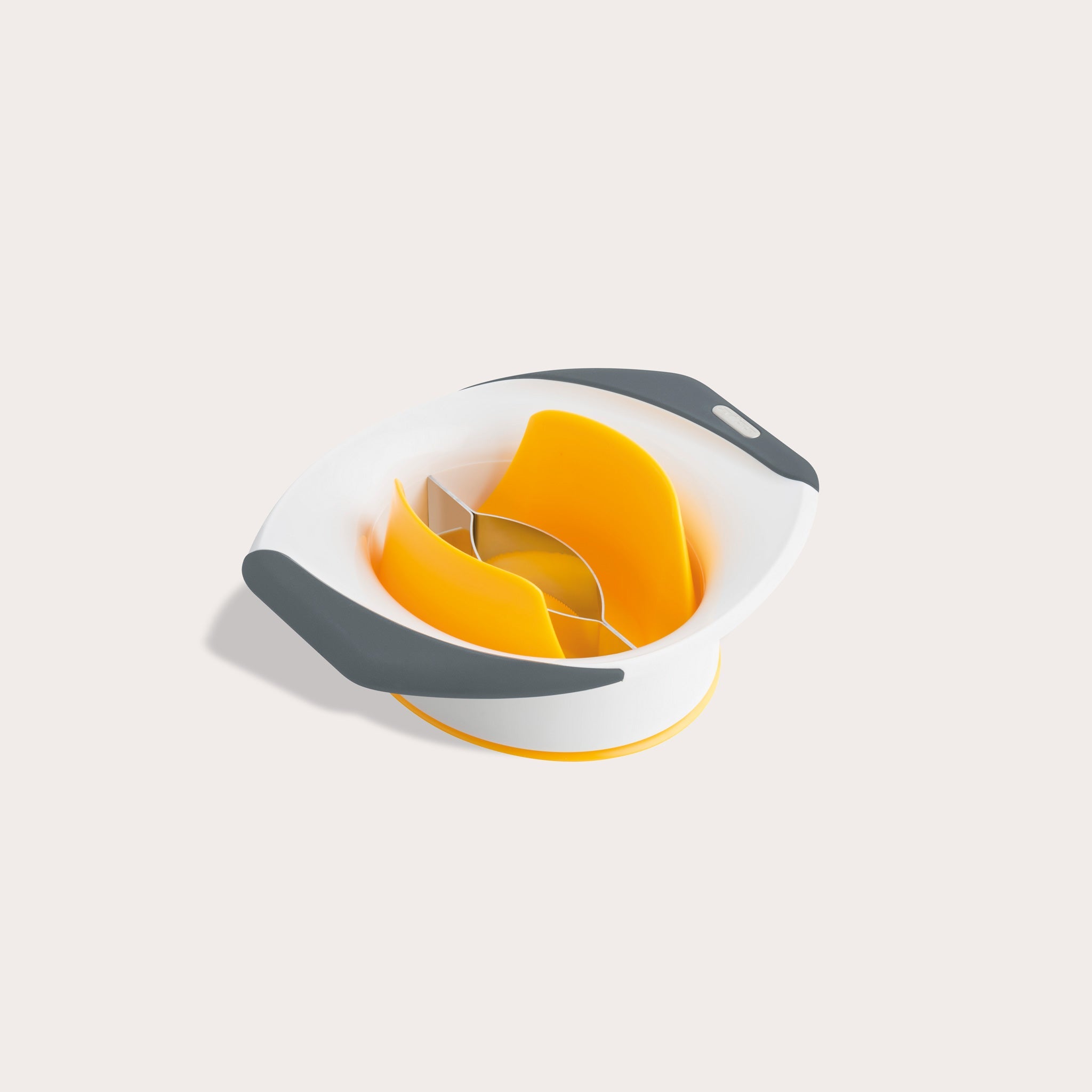
Mango slicers come in several styles. Some have a simple round blade that pits and slices in one press. Others have multiple blades to cut mangoes into cubes. Some models also include a scoop to help remove fruit from the skin. Choose a slicer that fits how you like to eat mangoes. Simpler designs usually clean faster.
Material And Durability
Look for slicers made from stainless steel or strong plastic. Stainless steel blades stay sharp and resist rust. Plastic handles should feel sturdy and not bend easily. Durable materials last longer and handle repeated cleaning well. Avoid cheap slicers that break or rust quickly. A durable slicer saves money and effort over time.
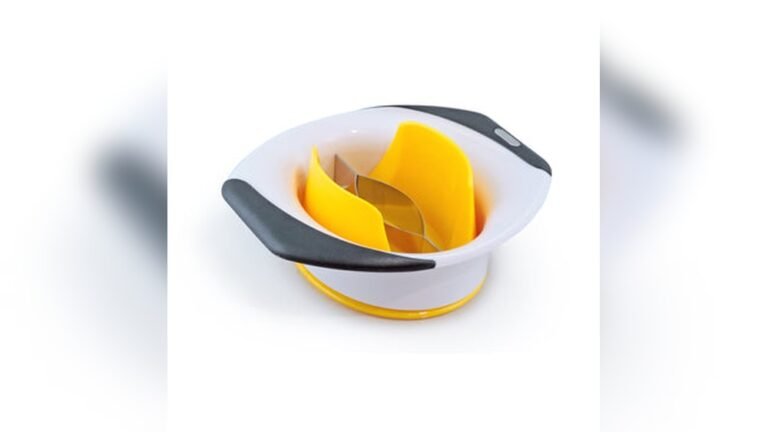
Credit: www.walmart.com
Preparing For Cleaning
Preparing your mango slicer for cleaning ensures better hygiene and extends its lifespan. Starting with a clean tool helps avoid sticky residue buildup. It also makes the cleaning process quicker and more effective.
Follow simple steps before washing. These steps remove leftover fruit and separate parts for thorough cleaning. Proper preparation keeps your slicer in top condition and ready for the next use.
Removing Mango Residue
Remove any mango pieces stuck on the slicer. Use a soft brush or cloth to wipe away pulp. Avoid using sharp tools that may damage the blades.
Focus on the crevices where fruit often hides. This prevents mold and bacteria growth. Rinse under warm water to loosen stubborn residue before scrubbing.
Disassembling The Slicer
Take apart the slicer if possible. Separate the blade, handle, and any removable parts carefully. This allows for a deep clean and stops fruit buildup in hard-to-reach areas.
Check the manufacturer’s instructions for safe disassembly. Handle the blades with care to avoid injury. Disassembled parts dry faster and stay cleaner longer.
Cleaning Techniques
Proper cleaning techniques keep your mango slicer safe and ready for use. Regular cleaning removes sticky fruit residue and prevents bacteria build-up. Follow these simple steps to maintain your slicer’s sharpness and hygiene.
Hand Washing With Warm Water
Start by rinsing the mango slicer under warm water. Warm water helps loosen the fruit pulp and juice. Avoid using very hot water to protect the slicer’s material. Gently rub the slicer with your hand or a soft sponge to remove dirt.
Using Mild Detergents
Apply a small amount of mild detergent to the slicer. Mild detergents clean without damaging the blade or handle. Use a soft brush or sponge to spread the detergent evenly. Rinse thoroughly to remove all soap residue. This step ensures your slicer is clean and safe for next use.
Cleaning Hard-to-reach Areas
Check the slicer for small gaps and corners. Use a soft brush or an old toothbrush to clean these areas. This removes trapped fruit fibers and prevents mold growth. Pay special attention to the blade edges and handle joints. Dry the slicer completely before storing it to avoid rust or damage.

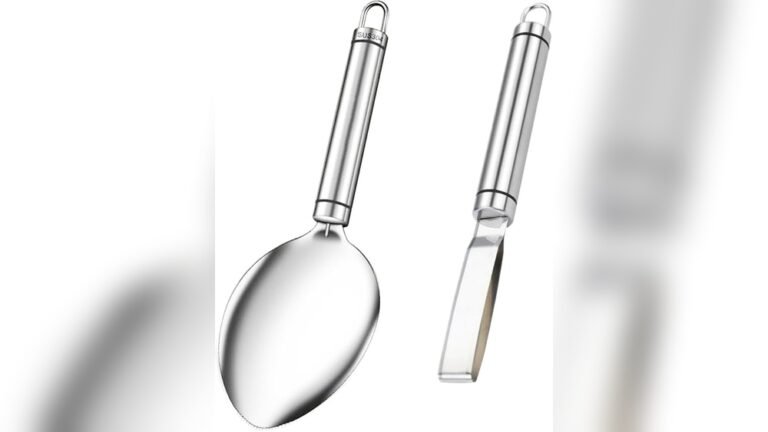
Credit: www.amazon.com
Sanitizing The Slicer
Sanitizing the mango slicer is an essential step after cleaning. It removes germs and bacteria that may remain on the surface. Proper sanitization keeps your slicer safe and ready for the next use. This process also helps maintain the slicer’s quality and durability over time.
Safe Sanitizing Solutions
Use mild sanitizing solutions made for kitchen tools. A mixture of water and white vinegar works well. Another option is diluted bleach, but use it carefully. Soak the slicer parts for a few minutes to kill germs. Rinse thoroughly with clean water after soaking. Let the slicer air dry completely before storing it.
Avoiding Harsh Chemicals
Harsh chemicals can damage the slicer’s metal and plastic parts. Avoid using strong detergents or abrasive cleaners. These may cause rust or wear out the slicer faster. Stick to gentle, food-safe sanitizers to protect your tool. Harsh chemicals can also leave harmful residues on the slicer’s surface.
Drying And Storage Tips
Drying and storing your mango slicer correctly keeps it clean and safe to use. Proper drying stops water spots and rust. Good storage protects the blade and extends its life. Follow simple steps to keep your slicer in top shape after every use.
Air Drying Methods
After washing, shake off excess water from the mango slicer. Place it on a clean dish rack or towel. Let air dry completely before storing. Avoid using cloth to dry the blade, as it may leave fibers. Air drying prevents moisture build-up and rust formation. Make sure all parts are dry, especially the blade and handle.
Proper Storage To Prevent Rust
Store your mango slicer in a dry place. Avoid humid or damp areas like under the sink. Use a protective cover or sheath for the blade if available. Keep the slicer separate from other utensils to avoid damage. Check regularly for any signs of rust or wear. Proper storage ensures your slicer stays sharp and rust-free for longer.
Maintaining Your Mango Slicer
Maintaining your mango slicer ensures it stays sharp and safe to use. Regular care helps the slicer last longer and work better. Clean and inspect it often to avoid damage and buildup. Follow simple steps to keep your mango slicer in top condition.
Regular Inspection
Check your mango slicer before each use. Look for any rust or stains on the blades. Make sure the handle is secure and not loose. Inspect the blade edges for chips or dull spots. Early detection of problems prevents accidents and damage. Clean any residue from the slicer after every use to avoid sticky buildup.
Sharpening And Blade Care
Keep the blades sharp for easy slicing. Use a small knife sharpener or whetstone to sharpen the blades. Follow the blade angle carefully while sharpening. Avoid using harsh tools that can damage the blade. Dry the slicer fully after washing to prevent rust. Store the slicer in a dry place away from moisture. Proper blade care improves slicing speed and safety.
Troubleshooting Common Issues
Troubleshooting common issues with your mango slicer keeps it working well. Regular use can cause stains and rust spots. These problems reduce slicer efficiency and hygiene. Proper care extends the life of your slicer.
Removing Stubborn Stains
Stains from mango juice can be tough to remove. Start by soaking the slicer in warm, soapy water for 10 minutes. Use a soft brush to scrub the stained areas gently. Avoid harsh scrubbing to protect the blade.
For extra strength, make a paste from baking soda and water. Apply the paste on stains and let it sit for 5 minutes. Then scrub lightly and rinse well with clean water. Dry the slicer completely to prevent new stains.
Dealing With Rust Spots
Rust spots appear when moisture stays on the slicer too long. Remove rust by using white vinegar. Soak a cloth in vinegar and rub the rusty spots carefully.
For stubborn rust, soak the slicer in vinegar for 15 minutes. Use a soft brush to scrub off the rust gently. Rinse the slicer thoroughly and dry it well to stop rust from returning.
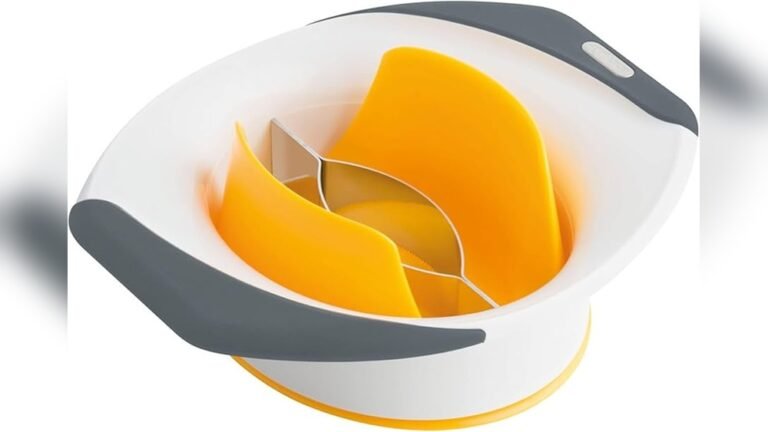
Credit: zyliss.com
Frequently Asked Questions
What Is The Correct Way To Clean And Sanitize A Slicer?
Disassemble the slicer carefully. Wash all parts with warm, soapy water. Scrub the blade using a circular motion. Rinse thoroughly. Sanitize with a food-safe solution. Air dry completely before reassembling. Clean and sanitize after each use to ensure food safety.
How To Clean Mango Wood Cutting Board?
Clean mango wood cutting boards by hand washing with mild soap and warm water. Scrub gently in circular motions. Avoid soaking. Dry immediately with a towel. Apply mineral oil regularly to maintain moisture and prevent cracking. Store in a dry, ventilated area.
How To Clean A Mandoline Slicer?
Disassemble the mandoline slicer carefully. Rinse all parts with warm water and mild soap. Use a brush to clean blades safely. Dry thoroughly before reassembling. Store in a dry place to prevent rust.
What’s The Easiest Way To Clean A Mango?
Cut the mango in half, avoid the pit, then scoop out the flesh with a spoon. Rinse under cold water before slicing.
Conclusion
Cleaning your mango slicer is simple and quick with the right steps. Always rinse it immediately after use to prevent fruit residue from drying. Use warm water and mild soap to scrub all parts gently. Pay close attention to the blades and crevices where pulp can hide.
Dry the slicer thoroughly before storing it to avoid rust or mold. Regular cleaning keeps your slicer safe and ready for the next mango. Small effort brings better hygiene and longer tool life. Enjoy fresh mangoes without worry every time.

Hi, I’m Emma Carter, a passionate home cook with over 12 years of hands-on experience in home kitchens. I love testing kitchen tools, trying new recipes, and helping everyday cooks make smarter buying decisions. Every review and guide I write is based on real cooking experience, practical testing, and honest opinions, not marketing claims.