How to Store Mango Slicer for Long-Lasting Use
You love enjoying fresh mangoes, and your mango slicer makes it so easy to get perfectly cut fruit every time. But have you ever stopped to think about the best way to store your mango slicer when you’re not using it?
Proper storage keeps your slicer sharp, clean, and ready for your next mango craving. If you want to avoid frustration, prolong the life of your tool, and keep your kitchen organized, this guide is just for you. Keep reading to discover simple, effective tips on how to store your mango slicer the right way, so it stays in top shape and ready to serve you perfectly sliced mangoes anytime.

Credit: www.clubchefstore.com.au
Choosing The Right Mango Slicer
Choosing the right mango slicer makes mango preparation easier and safer. A good slicer fits your needs and lasts long. It helps you cut mangoes quickly without wasting fruit or hurting yourself. Consider the type, material, and safety features before buying one. These factors affect how well the slicer works and how simple it is to store.
Types Of Mango Slicers
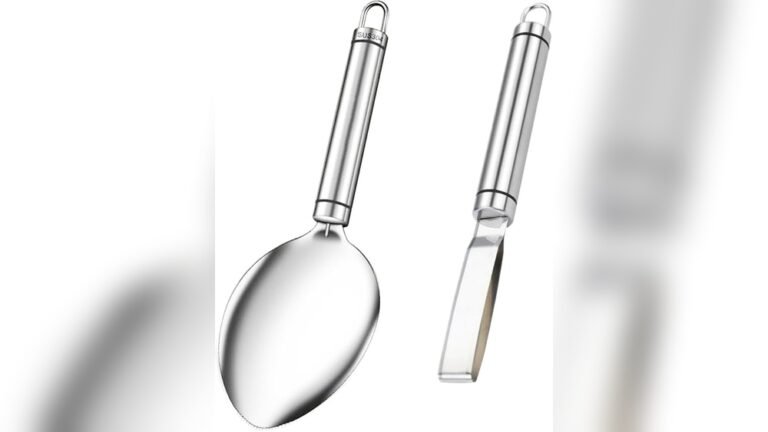
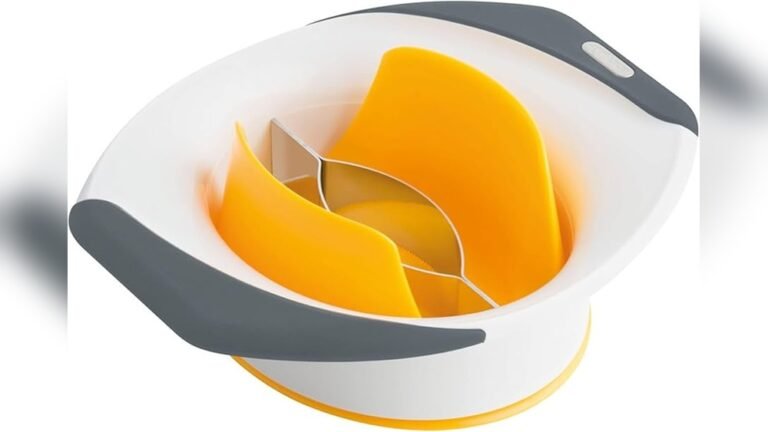
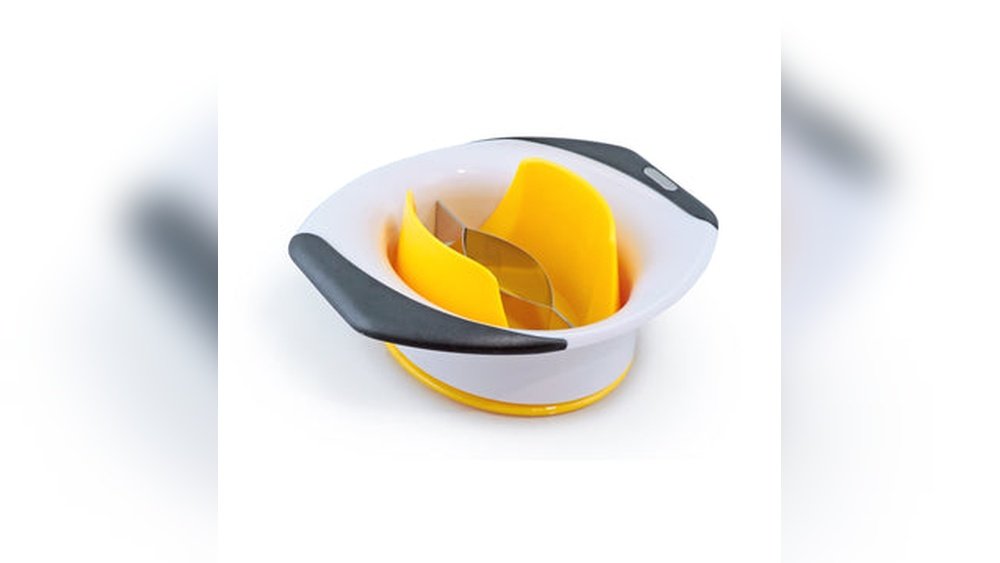
Mango slicers come in different styles. Some have a simple circular blade to cut around the pit. Others have handles and more complex blades for easy slicing. There are hand-held and electric slicers. Hand-held slicers need manual effort but are easy to clean and store. Electric slicers work faster but take more space and need care.
Material And Durability
Choose mango slicers made from strong materials. Stainless steel blades last longer and stay sharp. Plastic handles are light and easy to grip. Avoid slicers with cheap plastic parts that break quickly. Durable slicers save money because you do not need to replace them often. A sturdy slicer also feels safer to use.
Safety Features To Look For
Safety is important when handling sharp blades. Look for slicers with protective covers or guards. Non-slip handles prevent accidents during cutting. Some slicers have blade locks to keep them closed when not in use. These features reduce the risk of cuts. A safe slicer protects your fingers and keeps your kitchen tidy.

Credit: www.walmart.com
Cleaning Your Mango Slicer
Cleaning your mango slicer keeps it ready for the next use and prevents fruit residue buildup. Proper cleaning also stops bacteria growth and keeps the slicer safe. Use the right methods to clean without damaging the tool.
Hand Washing Techniques
Start by rinsing the slicer under warm water. Use a soft sponge or brush with mild dish soap. Clean all edges and blades carefully. Avoid scrubbing too hard to protect the slicer’s surface. Rinse thoroughly to remove soap. Dry with a clean towel to stop rust.
Dishwasher Safety
Check if your mango slicer is dishwasher safe. Place it on the top rack for gentle cleaning. Avoid mixing with heavy pots or sharp utensils. Use a mild dishwasher detergent. Remove the slicer after the cycle ends and dry if needed. This method saves time and keeps the slicer clean.
Removing Stubborn Residue
Soak the slicer in warm soapy water for 10-15 minutes. Use a small brush or toothbrush to scrub stuck fruit bits. For tough stains, try a paste of baking soda and water. Apply the paste and gently scrub. Rinse well and dry completely before storing. This keeps your slicer fresh and ready.
Drying And Maintenance
Proper drying and maintenance keep your mango slicer in top shape. These steps help avoid damage and extend its lifespan. Clean and dry your slicer carefully after each use.
Proper Drying Methods
Rinse the mango slicer with warm water right after use. Use a soft cloth or towel to wipe it dry. Let it air dry completely before storing. Avoid leaving it wet as moisture causes problems.
Preventing Rust And Corrosion
Store your slicer in a dry place to prevent rust. If it has metal parts, apply a thin layer of food-safe oil. This creates a barrier against moisture. Avoid storing the slicer in humid areas or near water.
Regular Maintenance Tips
Check your mango slicer regularly for signs of wear or damage. Sharpen the blades if they become dull. Use a brush to clean hard-to-reach spots. Keep it away from harsh chemicals that might damage the material.
Credit: www.countrystorevt.com
Storage Options For Mango Slicers
Proper storage of your mango slicer keeps it sharp and safe. It also helps maintain kitchen order. Several storage options fit different kitchen styles and needs. Choose one that protects the slicer and saves space.
Using Protective Covers
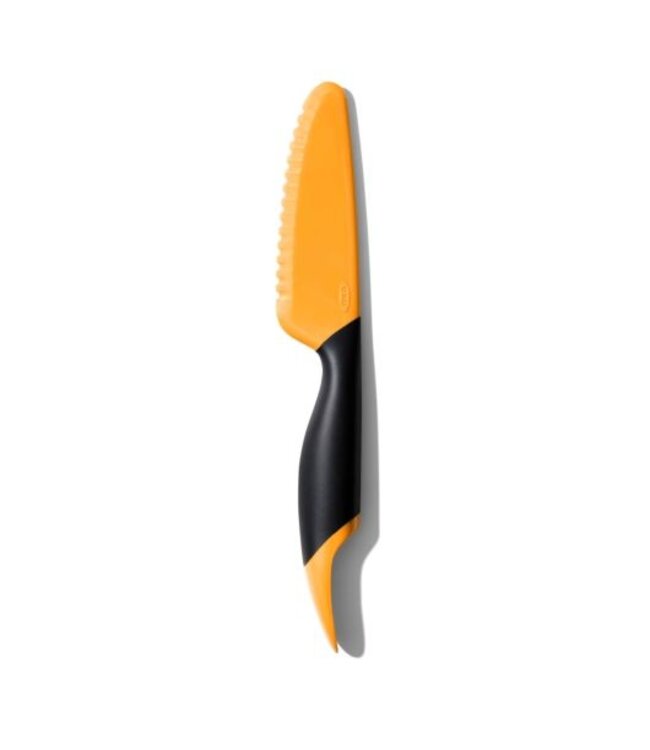
Protective covers shield the slicer’s blades from damage. They prevent accidental cuts and keep the slicer clean. Many mango slicers come with covers, or you can buy one separately. Use a cover every time after washing and drying the slicer. This simple step extends the slicer’s life and ensures safety.
Safe Drawer Organization
Keep your mango slicer in a dedicated drawer section. Use drawer dividers to separate it from other utensils. This prevents the slicer from moving and dulling its blades. Always place the slicer flat with the blade side down. A clean, dry drawer avoids rust and keeps the slicer ready to use.
Wall Or Magnetic Storage Ideas
Wall-mounted hooks or magnetic strips save counter and drawer space. Attach a magnetic strip in your kitchen to hold metal slicers securely. Hooks can hold slicers with handles or holes. These options keep the slicer visible and easy to grab. They also reduce clutter and help keep your kitchen tidy.
Avoiding Common Storage Mistakes
Proper storage of your mango slicer extends its life and keeps it working smoothly. Avoid common mistakes that damage the slicer or reduce its effectiveness. Small steps can make a big difference.
Keeping Away From Moisture
Moisture causes rust and dulls the blade quickly. Always dry your mango slicer completely after washing. Store it in a dry place to prevent water damage. Avoid leaving it near sinks or damp areas.
Avoiding Contact With Sharp Objects
Sharp objects can chip or dull the slicer’s blade. Do not store it loose with knives or other metal tools. Use a protective cover or keep it in a separate drawer. This protects the blade and keeps it sharp longer.
Temperature Considerations
Extreme heat or cold can warp the slicer handle or blade. Keep the slicer at room temperature for best results. Avoid storing it near ovens, heaters, or in the freezer. Stable temperature helps maintain its shape and function.
Extending The Life Of Your Mango Slicer
Keeping your mango slicer in good shape saves money and effort. Proper care extends its life and keeps slicing easy. Follow simple steps to maintain your tool well.
Sharpening Blades When Needed
Dull blades make slicing hard and unsafe. Check blades often for sharpness. Use a sharpening stone or tool designed for small blades. Sharpen gently to keep the original shape. Sharp blades cut cleanly and reduce fruit waste.
Replacing Worn Parts
Some mango slicers have parts that wear out. Look for loose handles or bent blades. Replace these parts quickly to avoid damage. Use original parts from the manufacturer for best fit. Regular checks prevent bigger problems later.
When To Upgrade Your Slicer
Old slicers may not work well even after repairs. If blades break or parts no longer fit, it is time to upgrade. Choose a slicer with strong materials and good reviews. A new slicer makes mango cutting faster and safer.
Safety Tips For Using And Storing
Using and storing a mango slicer safely protects you and your family. The slicer has sharp edges that can cause injuries. Proper handling and storage reduce risks and keep the kitchen safe. Follow simple safety tips to avoid accidents and keep the slicer in good condition.
Safe Handling Practices
Hold the mango slicer firmly to avoid slips. Always cut on a stable surface. Keep fingers away from sharp edges during use. Clean the slicer carefully after each use. Use a soft brush or cloth to avoid cuts. Never apply too much force when slicing. Store the slicer dry to prevent rust and damage.
Childproof Storage Solutions
Keep the mango slicer out of children’s reach. Store it in a high cabinet or locked drawer. Use blade covers or protective sheaths if available. Label the storage area to warn others of sharp tools. Teach older children about slicer safety. Avoid leaving the slicer on countertops or near sinks.
Emergency Measures For Accidents
Keep a first aid kit nearby in the kitchen. Clean any cuts immediately with soap and water. Apply pressure to stop bleeding and use a bandage. Seek medical help if bleeding does not stop. Avoid using the slicer until fully healed. Learn basic first aid to handle kitchen injuries confidently.
Frequently Asked Questions
How To Store Mango Slices?
Store mango slices in an airtight container in the refrigerator for up to one week. To prevent browning, coat slices with lemon juice before storing. For longer storage, freeze mango cubes in a sealed freezer bag for up to six months.
Does Sliced Mango Need To Be Refrigerated?
Yes, sliced mango should be refrigerated in an airtight container. Refrigeration slows spoilage and keeps it fresh up to a week.
How To Keep Sliced Mango From Turning Brown?
Coat sliced mango with lemon or lime juice to prevent browning. Store in an airtight container in the fridge. Use fresh slices within a few days for best taste.
Should Mangoes Be In The Fridge Or On The Counter?
Store unripe mangoes on the counter to ripen. Once ripe, refrigerate whole or sliced mangoes in airtight containers to keep fresh longer.
Conclusion
Proper storage keeps your mango slicer clean and ready to use. Always wash it after slicing mangoes. Dry the slicer well to avoid rust or damage. Store it in a dry place, away from moisture. Using a protective cover or case helps prevent cuts and dirt.
Keeping your mango slicer safe extends its life and improves performance. Follow these simple tips to enjoy fresh mangoes with ease every time.

Hi, I’m Emma Carter, a passionate home cook with over 12 years of hands-on experience in home kitchens. I love testing kitchen tools, trying new recipes, and helping everyday cooks make smarter buying decisions. Every review and guide I write is based on real cooking experience, practical testing, and honest opinions, not marketing claims.