Maintenance Tips for Herb Stripper to Maximize Efficiency
If you love cooking with fresh herbs, you know how handy a herb stripper can be. This simple tool saves you time by quickly removing leaves from stems, making your meal prep a breeze.
But to keep your herb stripper working smoothly and looking great, a little maintenance is key. You’ll discover easy, practical tips to care for your herb stripper so it lasts longer and performs at its best. Stick around your kitchen routine will thank you!

Credit: berghoffworldwide.com
Choosing The Right Herb Stripper
Choosing the right herb stripper is key for easy and efficient herb preparation. A good herb stripper saves time and effort in the kitchen. It also protects delicate leaves from damage. Consider materials, size, and finishes before buying. These factors impact durability, comfort, and food safety.
Material Options
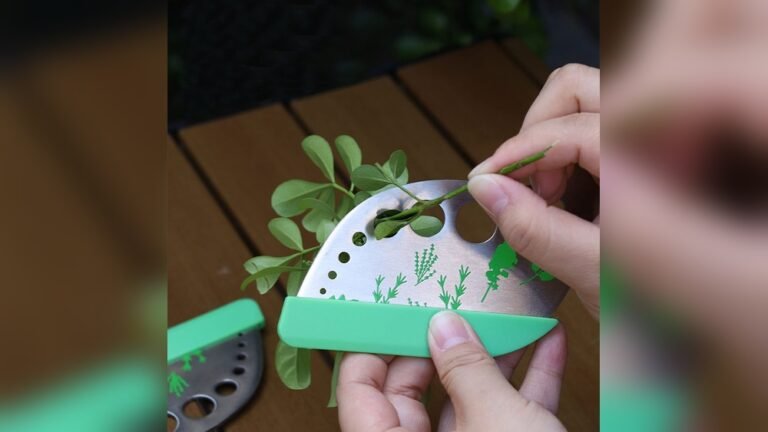
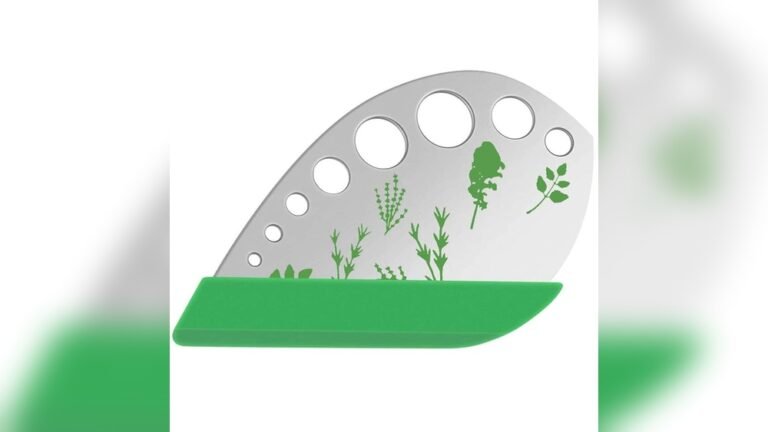
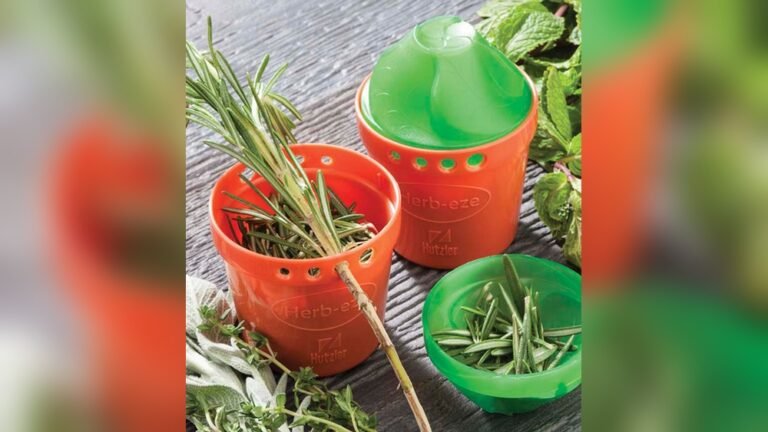
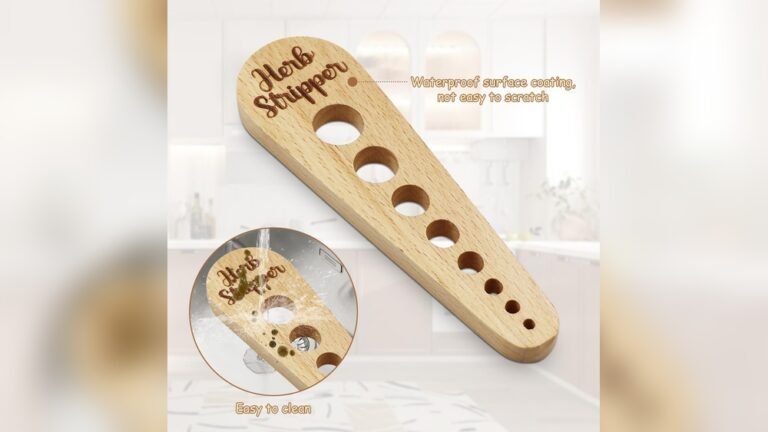
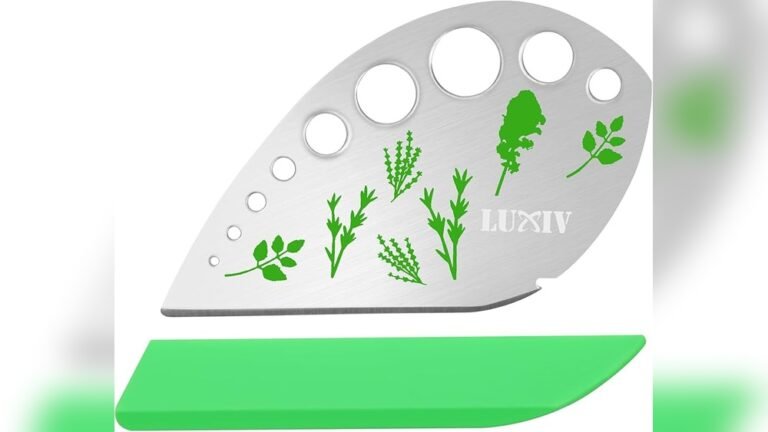
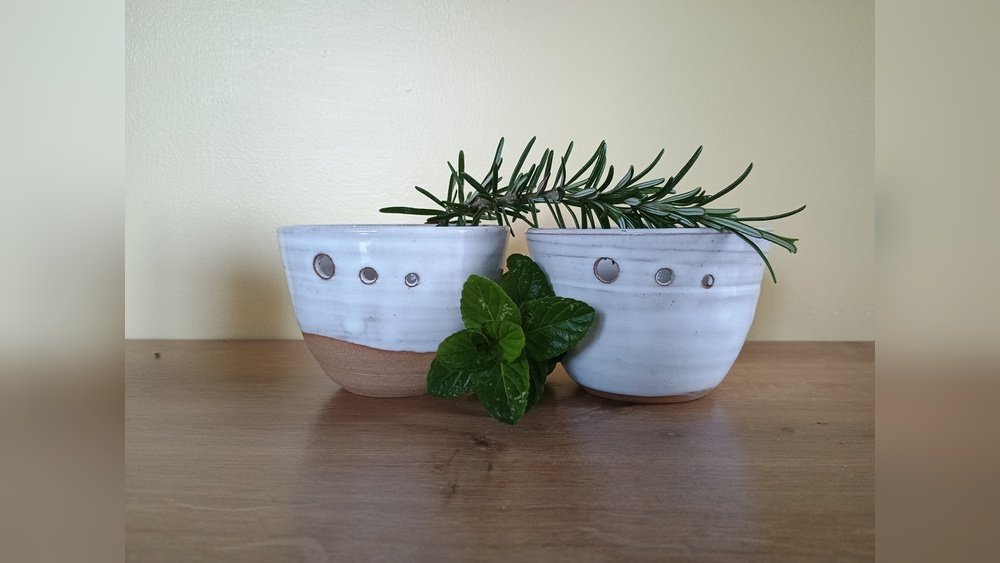
Herb strippers come in various materials like wood, plastic, and metal. Wooden strippers offer a natural feel and are gentle on herbs. Plastic options are lightweight and often dishwasher safe. Metal strippers are sturdy and long-lasting but may be harsher on leaves. Choose a material that fits your style and use.
Size And Design Variations
Sizes vary to match different hand sizes and herb types. Some herb strippers have multiple hole sizes for different stems. Compact designs fit easily in kitchen drawers. Ergonomic handles provide a better grip and reduce hand fatigue. Pick a size and design that feels comfortable and suits your needs.
Food-safe Finishes
Food-safe finishes protect your herb stripper and prevent contamination. Look for natural oils or beeswax coatings on wooden strippers. These finishes keep the wood from drying out and cracking. Avoid strippers with toxic paints or chemicals. A well-finished herb stripper lasts longer and stays safe for food use.
Daily Cleaning Practices
Daily cleaning practices keep your herb stripper working well. Proper care stops damage and extends its life. Simple steps after each use prevent buildup and stains. Clean tools make herb stripping easier and more hygienic.
Hand Washing Techniques
Use warm water and mild soap to wash the herb stripper. Gently scrub with a soft cloth or sponge. Avoid harsh brushes that can scratch the surface. Rinse thoroughly to remove all soap residues. Dry immediately with a clean towel to avoid water marks.
Avoiding Soaking And Submersion
Do not soak or submerge the herb stripper in water. Prolonged exposure to water can cause wood or materials to warp. Keep water contact brief during cleaning. Quick washing helps maintain the tool’s shape and strength. Always dry the tool well after washing.
Removing Herb Residues
Check for stuck herb pieces after each use. Use a toothpick or soft brush to remove residues from small holes. Avoid using metal tools that may damage the surface. Clean thoroughly to prevent mold or bacteria growth. Keeping the tool residue-free improves performance and hygiene.
Periodic Maintenance Steps
Periodic maintenance keeps your herb stripper working smoothly and looking great. Regular care prevents damage and extends its life. Simple steps like oiling and waxing protect the wood from drying out and cracking. These steps also keep the tool safe for food use.
Applying Cutting Board Oil
Use food-safe cutting board oil to treat the wood. Apply a small amount with a soft cloth. Rub the oil evenly over the entire surface. Let it soak in for a few hours or overnight. Wipe off any excess oil before using the tool again. This keeps the wood hydrated and prevents splitting.
Using Beeswax And Food-safe Oils
Mix beeswax with food-safe oil for extra protection. Warm the beeswax slightly to soften it. Combine it with oil to create a smooth paste. Apply this paste to the herb stripper with a cloth. Buff it gently to seal the wood pores. This layer repels moisture and adds shine.
Frequency Of Maintenance
Maintain your herb stripper every few months. The exact timing depends on how often you use it. For heavy use, oil and wax it once every two months. For lighter use, every three to four months is enough. Regular checks help spot any cracks or dryness early.
Preventing Damage
Preventing damage is key to keeping your herb stripper working well for a long time. Careful use and proper handling stop wear and tear. Small habits can protect your tool from common problems like cracks and warping. This section explains how to handle entangled herbs, avoid damage, and store your herb stripper safely.
Handling Entangled Herbs
Do not force herbs through the holes when they get stuck. Gently pull the herb stem to loosen it. Use a toothpick or small brush to clear stuck leaves carefully. Avoid sharp tools that can scratch or break the surface. Regular cleaning after use stops build-up that causes entanglement.
Avoiding Cracks And Warping
Never soak your herb stripper in water. Moisture causes wood to swell and crack. Clean it with a damp cloth and dry it right away. Apply food-safe oil every few months to keep the wood hydrated. Store it away from direct sunlight or heat sources to prevent warping.
Storage Tips
Keep your herb stripper in a dry, cool place. Use a drawer or container to protect it from dust. Avoid stacking heavy items on top to prevent pressure damage. Wrap it in a soft cloth if storing with other tools. Proper storage keeps your herb stripper in good shape for years.
Troubleshooting Common Issues
Troubleshooting common issues with your herb stripper keeps it working well. Problems often arise from frequent use or improper care. Knowing how to fix these issues saves time and frustration. Below are simple tips to handle typical problems.
Dealing With Stubborn Stems
Stems sometimes get stuck in the holes or slots. Gently wiggle the stem back and forth to loosen it. Avoid forcing it, as this can damage the tool. Try using a toothpick or small brush to clear clogged holes. Regular cleaning prevents buildup that causes sticking. Dry the tool thoroughly after washing to stop moisture from causing swelling.
Fixing Loose Or Damaged Parts
Loose parts reduce the tool’s efficiency. Tighten screws or joints carefully with a small screwdriver. For wooden herb strippers, apply food-safe wood oil to keep parts firm and prevent cracking. If a part breaks, check if the manufacturer offers replacements. Avoid using glue or tape, as these can affect food safety and durability.

Credit: berghoffworldwide.com
Extending Longevity
Extending the life of your herb stripper ensures it stays effective for many uses. Proper care and simple habits keep the tool working smoothly. Small daily steps prevent damage and save money over time.
Paying attention to how you use and maintain the herb stripper makes a big difference. Avoid harsh treatments and clean it gently. This helps maintain its shape and function.
Proper Use Techniques
Use the herb stripper only for its intended purpose. Avoid forcing large stems through small holes. Slide herbs gently through the correct-sized opening.
Do not twist or bend the tool too much. Keep hands steady and move herbs carefully. This prevents cracks or breakage in the material.
Store the herb stripper in a dry place away from heavy objects. Avoid stacking it under heavy kitchen tools. This protects its shape and finish.
Regular Inspection Routine
Check the herb stripper often for any signs of wear. Look for cracks, chips, or loose parts. Early detection prevents bigger damage later.
Clean the tool after each use with a soft brush or cloth. Avoid soaking it in water to protect the material. Dry it fully before storing.
Apply a small amount of food-safe oil occasionally. This nourishes wooden herb strippers and keeps them from drying out. Follow the manufacturer’s advice on oiling frequency.

Credit: www.amazon.com
Frequently Asked Questions
How To Easily Strip Herbs?
Hold the herb stem with one hand and pinch the leaves with the other. Pull downward to strip leaves quickly and easily. Repeat for all stems.
How Often Should I Clean My Herb Stripper?
Clean your herb stripper after each use to avoid residue buildup. Rinse with warm water and gently scrub to keep it hygienic and ready for next use.
Can I Soak My Herb Stripper In Water?
No, avoid soaking your herb stripper. Prolonged water exposure can damage the wood and shorten its lifespan. Always hand wash and dry immediately.
What Oil Is Best For Maintaining A Wooden Herb Stripper?
Use food-safe mineral or cutting board oil. Apply a small amount every few months to keep the wood conditioned and prevent cracking or drying.
Conclusion
Proper care keeps your herb stripper working well for years. Clean it gently after each use to avoid damage. Avoid soaking or using harsh chemicals that harm the wood. Applying food-safe oil every few months protects and maintains its quality.
Store it in a dry place to prevent warping or cracking. Regular maintenance saves time and effort during herb preparation. A well-kept herb stripper makes cooking easier and more enjoyable. Remember, simple habits lead to long-lasting kitchen tools. Keep your herb stripper ready for fresh herbs anytime.

Hi, I’m Emma Carter, a passionate home cook with over 12 years of hands-on experience in home kitchens. I love testing kitchen tools, trying new recipes, and helping everyday cooks make smarter buying decisions. Every review and guide I write is based on real cooking experience, practical testing, and honest opinions, not marketing claims.