Easy Steps How to Clean Herb Stripper for Spotless Results
If you love cooking with fresh herbs, you probably rely on your herb stripper to save time and effort. But have you ever stopped to think about how to clean your herb stripper properly?
Keeping your tool clean isn’t just about hygiene, it also ensures it works smoothly every time you need it. In this guide, you’ll discover simple, effective steps to clean your herb stripper quickly, so you can enjoy fresh, flavorful herbs without any hassle.
Ready to make your kitchen routine easier and your meals tastier? Let’s dive in!
Credit: www.vellabox.com
Types Of Herb Strippers
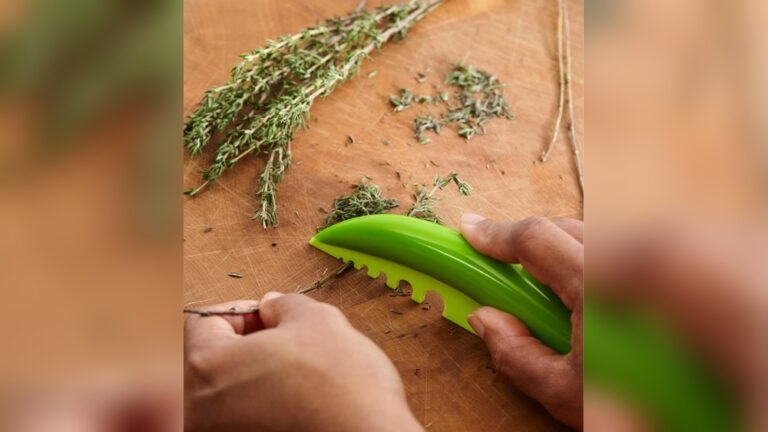
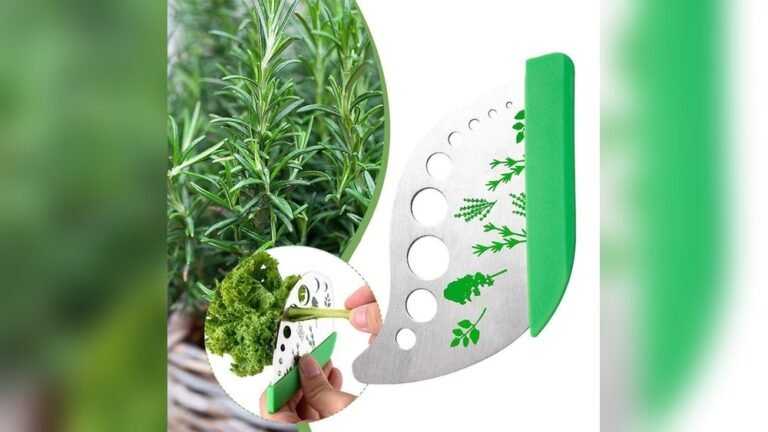
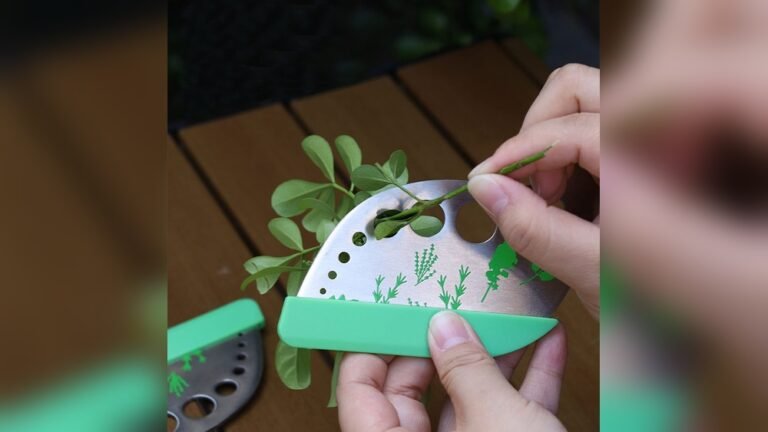
Herb strippers come in different types designed to make leaf removal easier and faster. Choosing the right type helps maintain your herbs’ freshness and flavor. Understanding these types also helps in cleaning and caring for your tool properly.
Manual Vs. Mechanical
Manual herb strippers require hand use to pull leaves from stems. They are simple, quiet, and often small. Mechanical herb strippers use a crank or motor to strip herbs quickly. These are faster but need more cleaning and care. Manual tools are perfect for small tasks. Mechanical ones suit large batches or frequent use.
Materials Used
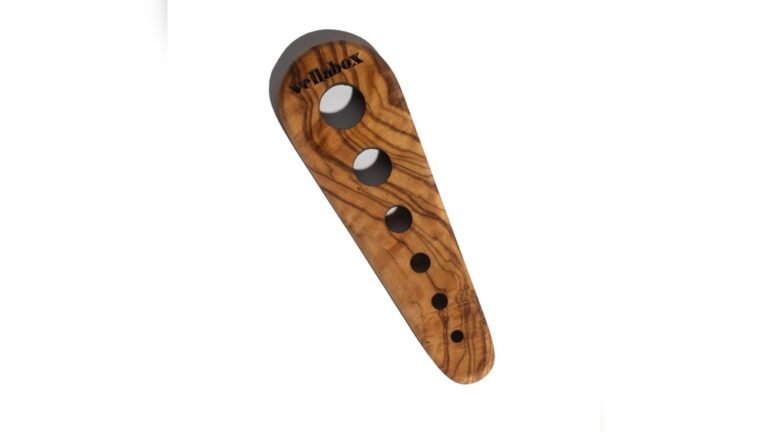
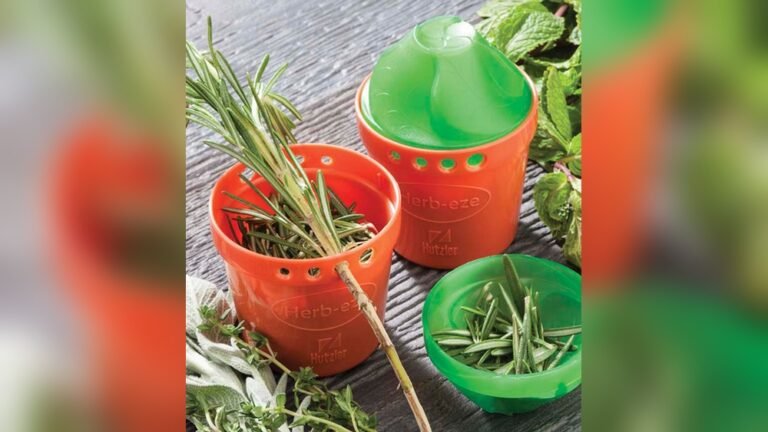
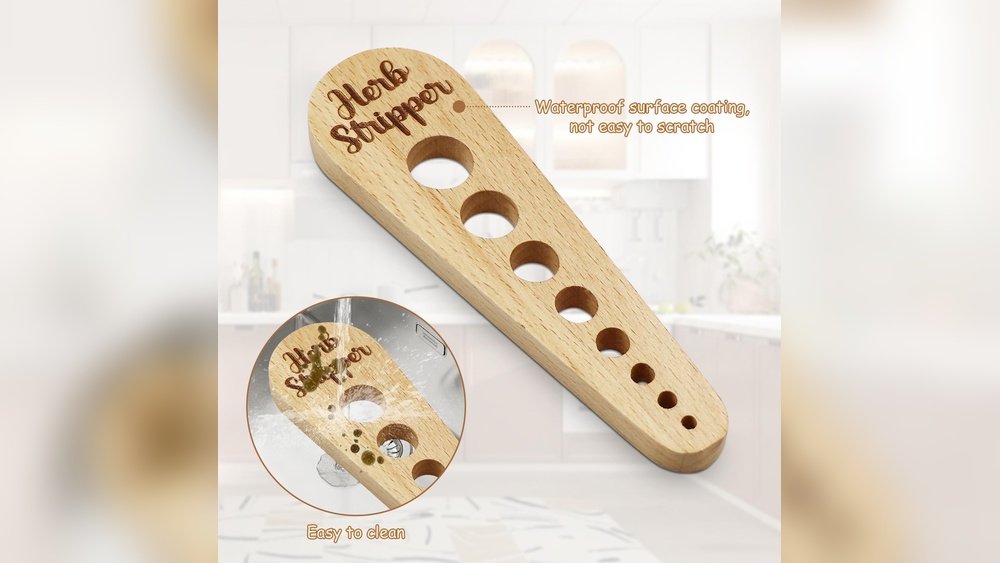
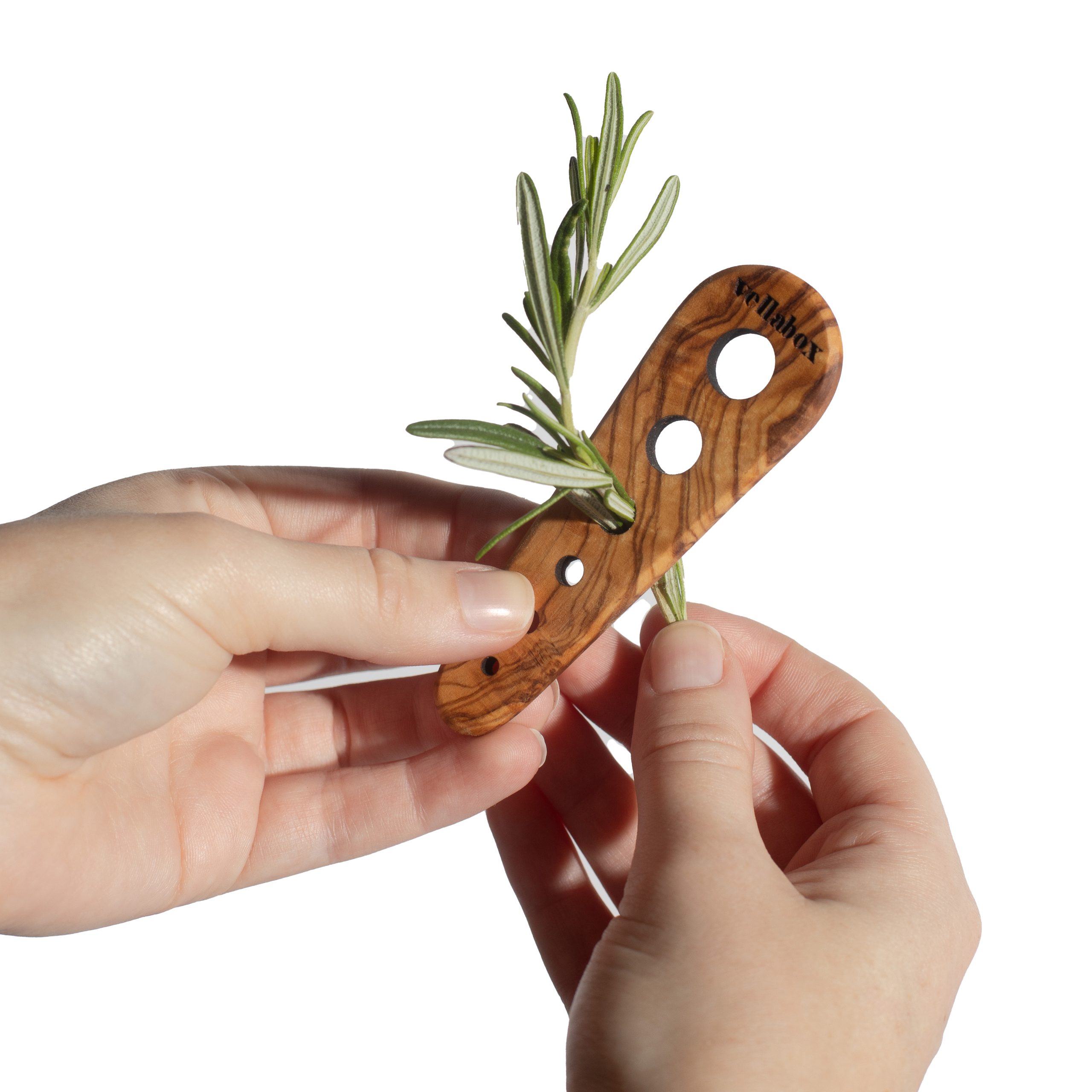
Herb strippers are made from various materials. Plastic models are light, affordable, and easy to clean. Metal herb strippers are strong and last longer but may need drying quickly to avoid rust. Wooden herb strippers look natural and are gentle on herbs but require careful washing. Choosing the right material affects cleaning methods and tool lifespan.

Credit: www.norpro.com
Why Clean Your Herb Stripper
Cleaning your herb stripper is essential for safe and efficient use. Dirt and plant residue can build up quickly. This build-up reduces the tool’s effectiveness and may cause health risks. Regular cleaning keeps your herb stripper in top shape. It also ensures your herbs stay fresh and tasty.
Preventing Bacteria Build-up
Herb strippers often hold moisture after use. Moist environments encourage bacteria growth. Bacteria can spoil your herbs and cause illness. Cleaning removes leftover bits and moisture. This stops bacteria from growing on your tool. A clean herb stripper helps keep your kitchen safe.
Maintaining Performance
Residue can clog the holes and strips. This makes the tool harder to use. It also slows down your herb stripping process. Cleaning clears all blockages and keeps parts moving smoothly. A well-maintained herb stripper works faster and better. It saves time and effort in the kitchen.
Tools Needed For Cleaning
Cleaning your herb stripper properly keeps it working well and safe to use. Using the right tools makes cleaning easy and gentle on the device. Avoid harsh materials that can damage the surface or get stuck inside. Here are essential tools you need to clean your herb stripper effectively.
Soft Brushes And Cloths
Soft brushes help remove herb bits from small holes and crevices. Choose brushes with gentle bristles to avoid scratches. A toothbrush or small paintbrush works well. Use a soft cloth to wipe the outer parts and smooth surfaces. Microfiber cloths are good for drying after cleaning. Avoid abrasive pads that can harm the material.
Mild Soaps And Cleaners
Use mild soap to clean your herb stripper safely. Dish soap or gentle hand soap works best. Mix soap with warm water for better cleaning power. Avoid harsh chemicals or bleach that can damage the tool. Mild cleaners remove oils and dirt without leaving residue. Always rinse thoroughly to remove any soap traces.
Step-by-step Cleaning Guide
Cleaning your herb stripper regularly keeps it working well and extends its life. Follow this simple step-by-step guide to clean your herb stripper quickly and thoroughly. Each step uses gentle methods to protect the tool and remove all residue.
Disassemble The Stripper
Start by taking apart the herb stripper carefully. Remove any detachable parts like rings or caps. This lets you clean every corner and hole properly. Place the pieces on a clean surface to keep them organized.
Rinse With Warm Water
Rinse all parts under warm running water. This helps loosen dirt and plant bits stuck inside. Avoid using hot water, as it may damage the material. Use a gentle flow to prevent small pieces from flying away.
Scrub Gently
Use a soft brush or cloth with mild soap to scrub the parts. Focus on the holes and grooves where herbs get trapped. Avoid harsh scrubbing to prevent scratches. For tight spaces, try a small brush or a toothpick carefully.
Rinse Off Soap
Rinse each piece again under warm water to remove all soap. Make sure no soap remains, as it can affect the taste of your herbs. Check all surfaces and holes thoroughly to ensure cleanliness.
Dry Thoroughly
Use a clean towel to dry every part completely. Air dry for extra safety if needed. Make sure no moisture stays inside the holes or crevices. Proper drying prevents mold and keeps your herb stripper ready for next use.
Tips For Tough Residue
Removing tough residue from your herb stripper keeps it working well. Residue can build up in small holes and grooves. Cleaning these spots requires careful methods to avoid damage. Below are useful tips to help clean stubborn dirt and keep your tool in top shape.
Using Vinegar Solutions
Vinegar is a natural cleaner that breaks down residue easily. Mix equal parts white vinegar and warm water in a bowl. Dip a soft brush or cloth in the solution. Gently scrub the herb stripper, focusing on clogged areas. Vinegar dissolves sticky bits without harsh chemicals. After scrubbing, rinse the tool with clean water. Dry it well with a towel to prevent rust or mold.
Avoiding Soaking Damage
Do not soak your herb stripper for long periods. Prolonged soaking can weaken materials or cause rust. Instead, use a damp cloth or brush with cleaning solutions. Wipe and clean quickly, then dry immediately. Pay special attention to small parts and holes. Keeping drying time short helps keep your herb stripper strong and safe to use.
Maintenance And Storage
Proper maintenance and storage keep your herb stripper clean and working well. Regular care prevents damage and extends its life. Simple steps ensure your tool is ready for every use.
Hand Washing Vs. Dishwasher
Hand washing is gentler on your herb stripper. Use warm, soapy water and a soft brush. Clean inside holes carefully to remove all herb bits. Rinse well and dry immediately to avoid rust or warping.
Dishwasher use may damage delicate parts. High heat and strong detergents can cause cracks or fading. Hand washing keeps your tool looking new longer.
Storing To Prevent Damage
Store your herb stripper in a dry place. Avoid crowded drawers where it can get bent or scratched. Use a dedicated container or hang it on a hook.
Keep it away from sharp objects that can cause nicks. Proper storage keeps your herb stripper safe and ready to use.
Common Mistakes To Avoid
Cleaning your herb stripper properly keeps it working well and lasts longer. Many people make simple mistakes that damage their tool. Avoid these errors to maintain your herb stripper’s quality and performance. Here are common mistakes to watch out for.
Soaking Wooden Strippers
Wooden herb strippers should never be soaked in water. Prolonged soaking causes the wood to swell and crack. It also weakens the glue holding parts together. Instead, wipe the stripper clean with a damp cloth. Dry it immediately to prevent moisture damage.
Using Harsh Chemicals
Harsh chemicals can ruin your herb stripper’s material. Avoid bleach, strong detergents, or abrasive cleaners. These substances break down plastic or wood surfaces. Use mild soap and warm water for cleaning. This keeps the stripper safe and free of harmful residues.

Credit: www.amazon.com
Frequently Asked Questions
How To Clean Herb Ripper Grinder?
Disassemble the herb ripper grinder. Use warm, soapy water and a soft brush to scrub all parts. Rinse thoroughly and dry immediately to prevent moisture damage. Avoid soaking wooden parts. Reassemble once fully dry for best performance.
Should You Wash Herbs In Vinegar?
Washing herbs in vinegar helps remove bacteria and pesticides. Use a diluted vinegar solution, rinse with cold water, and dry thoroughly.
How Do You Disinfect Herbs?
Rinse herbs under cool running water, removing damaged leaves. Soak briefly in diluted vinegar for 1-2 minutes. Rinse again and air dry thoroughly.
How To Easily Strip Herbs?
Hold the herb stem in one hand. Use your other hand’s fingers to pull leaves downwards, stripping them easily from the stem. Repeat for all herbs.
Conclusion
Cleaning your herb stripper keeps it working well and lasting longer. Use warm, soapy water and a soft brush for best results. Avoid soaking it to prevent damage. Rinse thoroughly and dry quickly to stop water absorption. Regular cleaning helps you enjoy fresh, flavorful herbs every time.
Simple care makes your kitchen tasks easier and more pleasant. Keep your herb stripper clean, and it will serve you well.

Hi, I’m Emma Carter, a passionate home cook with over 12 years of hands-on experience in home kitchens. I love testing kitchen tools, trying new recipes, and helping everyday cooks make smarter buying decisions. Every review and guide I write is based on real cooking experience, practical testing, and honest opinions, not marketing claims.