Benefits of Lettuce Knife: Unlock Freshness with Precision Cuts
Have you ever struggled to chop lettuce without bruising or browning it? If you want your salads to stay fresh and crisp longer, the right tool can make all the difference.
That’s where a lettuce knife comes in. Designed specifically to handle delicate leafy greens, this simple tool helps you cut cleanly without crushing or discoloring your lettuce. Imagine preparing your salads faster, safer, and with better results every time. Curious to know how a lettuce knife can upgrade your kitchen routine?
Keep reading to discover the surprising benefits that will change the way you handle leafy greens forever.
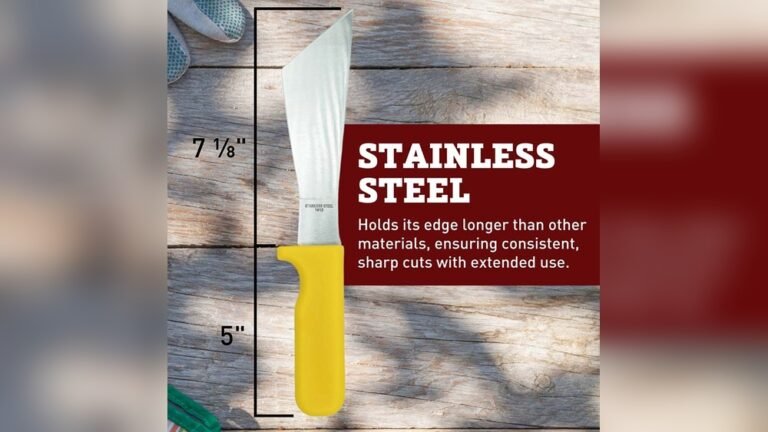
Credit: www.agriculturesolutions.com
Lettuce Knife Design
The design of a lettuce knife is simple yet effective. It focuses on making cutting leafy greens safe and clean. Unlike regular knives, it uses materials and shapes that suit delicate leaves. The design avoids damage to the lettuce, keeping it fresh longer.
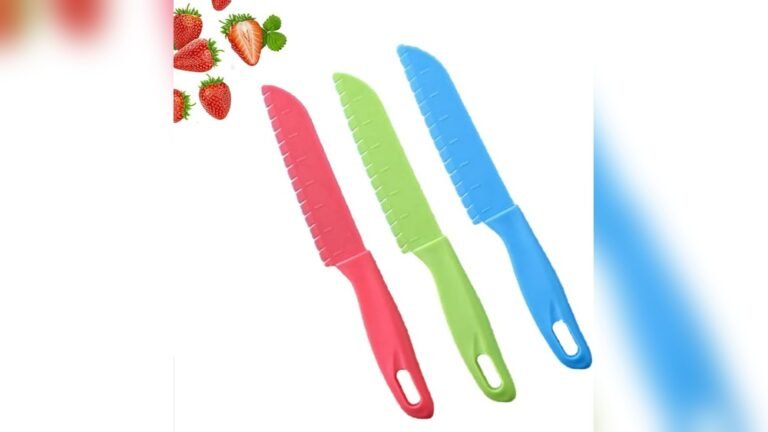
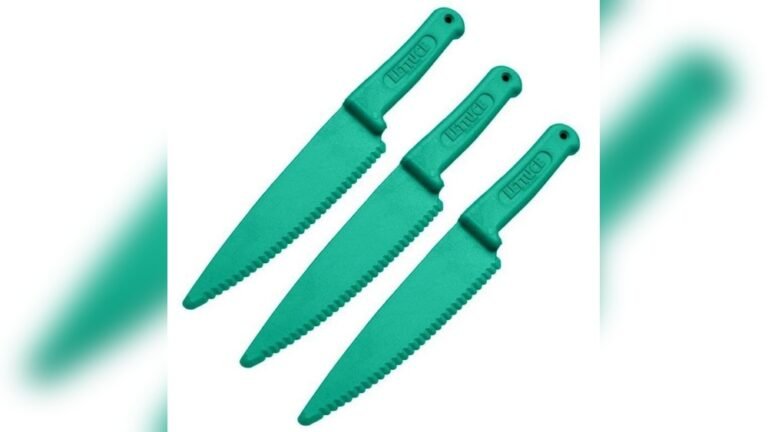
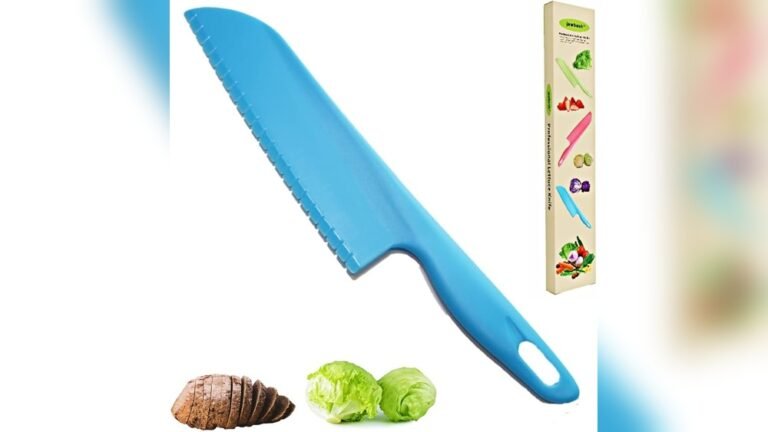
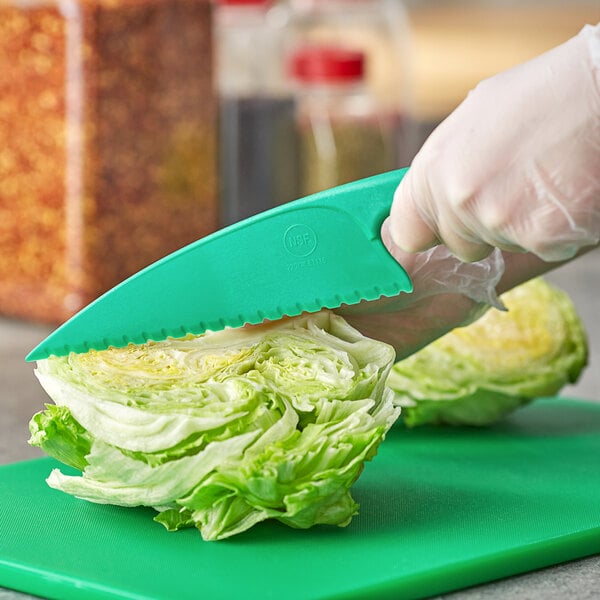
Many lettuce knives use plastic blades with serrations. These blades help slice through lettuce without crushing it. The shape and size of the knife make it easy to handle. This thoughtful design reduces the risk of injury and browning on lettuce edges.
Serrated Plastic Blades
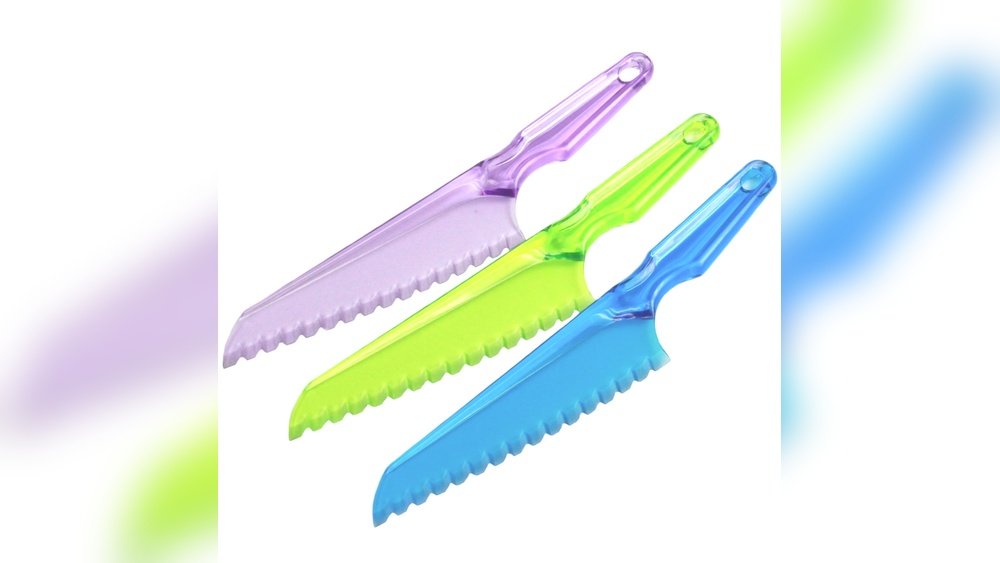
Serrated plastic blades are common in lettuce knives. The serrations help cut through leaves smoothly. They grip the lettuce gently, avoiding tears and bruises. Plastic does not react with lettuce like metal does. This keeps the lettuce looking fresh and green.
Safety Features
Lettuce knives often have safety in mind. Plastic blades are less sharp than metal, lowering cut risks. Handles are designed for a secure grip. This prevents slips and accidents during use. The knife’s shape also keeps fingers away from the blade.
Comparison With Metal Knives
Metal knives cut lettuce but can cause browning on edges. They may bruise leaves due to a sharper, harder blade. Lettuce knives with plastic blades avoid this issue. They keep lettuce fresh longer by reducing damage. Plastic blades are safer for children and beginners in the kitchen.
Freshness Preservation
Preserving the freshness of lettuce is key to enjoying crisp, tasty salads. Using the right tool helps keep lettuce vibrant and appealing. A lettuce knife plays an important role in this process. It cuts cleanly without harming the leaves, which helps maintain their natural state.
Freshness preservation means keeping lettuce from wilting, browning, or losing its crunch. This section explains how a lettuce knife helps achieve this. It focuses on preventing browning, maintaining crispness, and extending shelf life.
Preventing Browning
Browning happens when lettuce reacts with metal knives. The metal causes oxidation on the cut edges. A lettuce knife made of plastic or nylon avoids this issue. It does not trigger oxidation, so the lettuce stays green and fresh longer. This keeps salads looking fresh and appetizing.
Maintaining Crispness
Lettuce knives have serrated edges that cut gently. They slice through leaves without crushing them. This careful cutting preserves the lettuce’s natural structure. Crispness stays intact because the leaves are not bruised or damaged. Crisp lettuce improves the texture and eating experience of salads.
Impact On Shelf Life
Using a lettuce knife helps extend the lettuce’s shelf life. Since the leaves do not brown or wilt quickly, they last longer in the fridge. This reduces food waste and saves money. Fresh lettuce ready to use means less frequent trips to the store and more enjoyable meals.
Cutting Performance
The cutting performance of a lettuce knife stands out from regular knives. It offers superior control and gentleness on delicate leaves. Its design helps keep lettuce fresh and crisp after cutting. Using a lettuce knife can improve your food prep and presentation.
Precision And Clean Cuts
Lettuce knives have sharp, serrated edges. These edges slice through leaves smoothly without crushing them. This precision prevents bruising and sogginess. Clean cuts help lettuce stay crisp longer. It also enhances the look of your salads and dishes.
Avoiding Leaf Damage
Regular knives often tear lettuce leaves. This damage causes quicker browning and wilting. Lettuce knives reduce this damage with their special blade shape. They cut gently, preserving leaf texture and color. This keeps your greens fresh and tasty.
Ease Of Use
Lettuce knives are lightweight and easy to handle. Their design fits comfortably in the hand. They require less force to cut through leaves. This ease reduces hand fatigue during food prep. Even beginners can cut lettuce neatly with these knives.
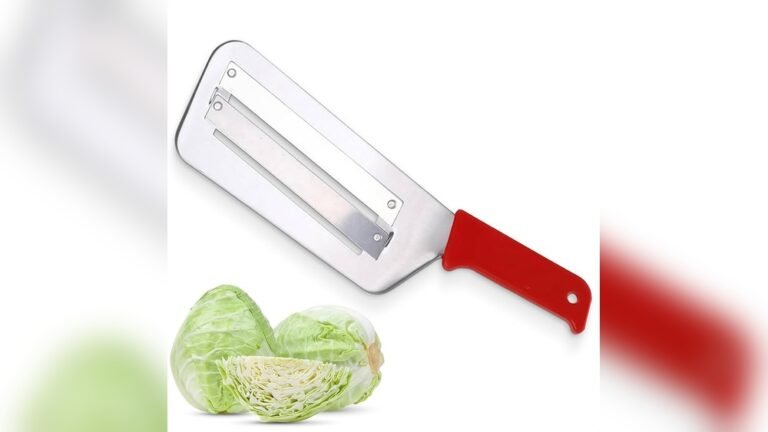
Credit: www.webstaurantstore.com
Health And Safety Benefits
Lettuce knives offer clear health and safety benefits in the kitchen. They are designed to be gentle yet effective. These knives help avoid common injuries and maintain hygiene while preparing food.
Using a lettuce knife can make cooking safer and cleaner for everyone. Their unique design supports safe cutting practices, especially for those new to cooking.
Safe For Kids And Beginners
Lettuce knives are perfect for children and beginners. They have serrated edges that cut smoothly without sharp blades. This reduces the chance of cuts and accidents. Kids can learn to cut vegetables safely with these knives. They build confidence and skills in the kitchen.
Reduced Risk Of Injury
The lettuce knife’s plastic serrated blade reduces the risk of injury. It cuts through leafy greens cleanly without slipping. This lowers the chance of accidental cuts compared to metal knives. The blade is tough enough to slice lettuce but gentle on fingers.
Hygienic Material Properties
Lettuce knives are made from materials that resist bacteria growth. Plastic blades do not rust or corrode like metal. This keeps the knife cleaner and safer to use. They are easy to wash thoroughly, promoting better kitchen hygiene. Using a lettuce knife helps prevent food contamination.
Versatility In Kitchen
The lettuce knife is a flexible tool that fits many kitchen tasks. It offers more than just cutting lettuce. Its design and material make it useful in different settings. This versatility adds value for home cooks and professionals alike.
Cutting Other Produce
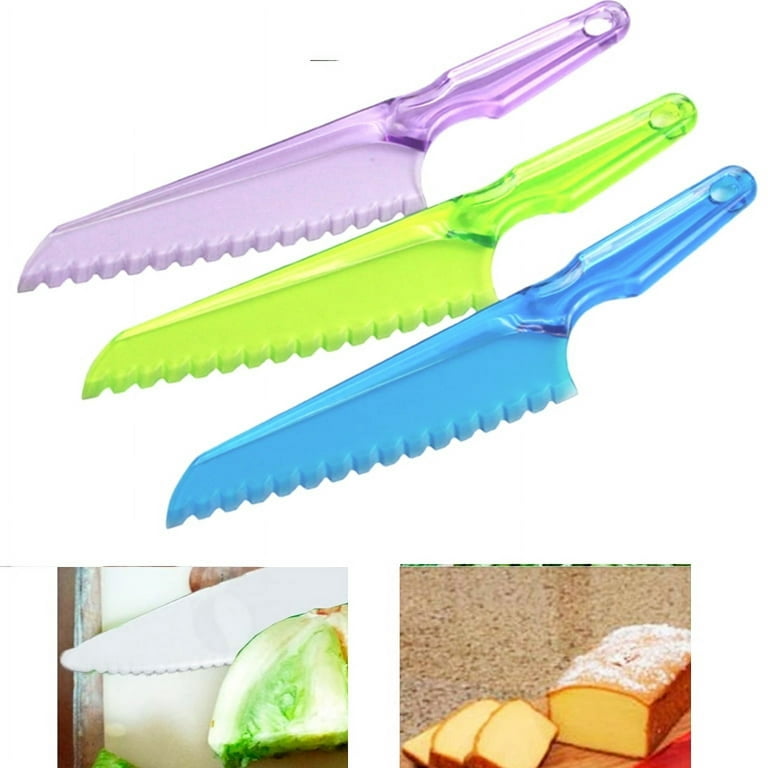
The lettuce knife works well on fruits and vegetables. Its serrated edge slices through tomatoes without crushing them. It cuts soft fruits like peaches and plums with ease. Harder vegetables such as cucumbers and zucchinis are no problem either. This knife handles various textures smoothly.
Suitable For Various Recipes
This knife suits many cooking styles and dishes. It can prepare fresh salads by chopping greens gently. It helps in making sandwiches by slicing soft bread or spreads. The knife also works for garnishing dishes with herbs and small veggies. Its gentle cutting preserves food texture and look.
Outdoor And Garden Use
The lettuce knife is handy outside the kitchen too. It can trim herbs and small plants in the garden. Campers find it useful for preparing meals outdoors. Its lightweight and safe design make it easy to carry. This knife supports cooking and gardening tasks equally well.
Credit: www.walmart.com
Material Comparisons
Choosing the right material for a lettuce knife affects its performance and care. Different blade materials offer unique benefits and some drawbacks. Understanding these can help select the best tool for fresh, crisp lettuce every time.
Plastic Vs Metal Blades
Plastic blades are gentle on lettuce leaves. They reduce bruising and help keep lettuce from turning brown quickly. Plastic knives often have serrated edges that cut smoothly without tearing.
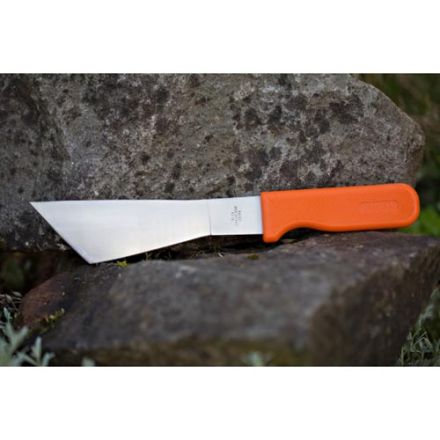
Metal blades are sharper and more durable but can cause lettuce edges to discolor faster. Some believe metal knives speed up browning, though recent studies show this is less of a concern. Metal knives need careful handling to avoid damage to delicate greens.
Use Of Ceramic Knives
Ceramic knives are very sharp and stay sharp longer than metal ones. They resist rust and do not react with lettuce, keeping flavors pure. Ceramic blades are lightweight but can chip if dropped or used on hard surfaces.
These knives are easy to clean and maintain, making them ideal for daily lettuce cutting. However, they require gentle use to preserve their sharp edge and avoid damage.
Color-coated Knife Advantages
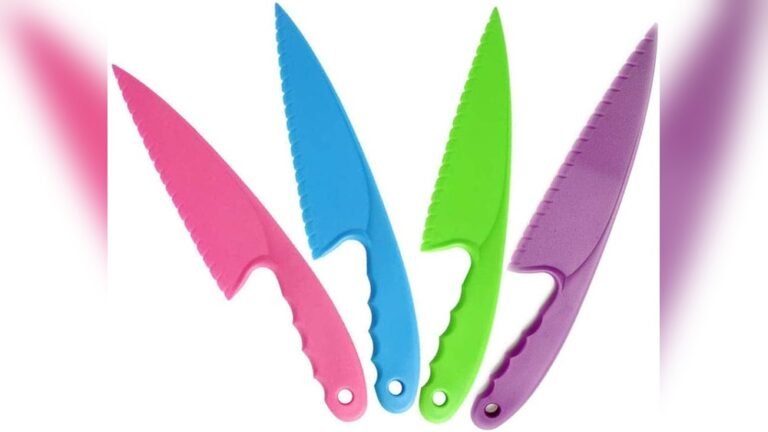
Color-coated lettuce knives offer a visual appeal and added protection. The coating prevents stains and corrosion, extending the knife’s life. It also helps identify different knives for various kitchen tasks.
This type of knife often combines the benefits of plastic and metal. It provides a safe, sharp cut while keeping the lettuce fresh and bright. Color coatings can also reduce the knife’s stickiness on leafy greens.
Buying And Maintenance Tips
Buying and maintaining a lettuce knife properly ensures long-lasting use and better performance. This section guides you through selecting the right knife and caring for it. Follow these tips to keep your knife sharp and safe for cutting fresh greens.
Choosing The Right Lettuce Knife
Pick a knife made of durable plastic or nylon to avoid browning lettuce. Look for serrated edges for smooth cutting without crushing leaves. Choose a knife with a comfortable handle for a secure grip. Ensure the blade size matches your typical salad preparation needs. Avoid metal blades, which can sometimes damage delicate greens.
Cleaning And Care
Wash the lettuce knife immediately after use with warm, soapy water. Use a soft sponge to avoid scratching the blade. Rinse thoroughly to remove soap residue. Dry the knife completely to prevent moisture damage. Avoid using harsh chemicals or abrasive cleaners. Regular cleaning keeps the blade safe and hygienic.
Storage Recommendations
Store the lettuce knife in a dry place away from heavy kitchen tools. Use a knife sheath or a separate drawer to protect the blade. Keep it out of reach of children to prevent accidents. Avoid stacking heavy items on the knife to maintain its shape. Proper storage extends the knife’s life and keeps it ready for use.
Frequently Asked Questions
Why Use A Lettuce Knife?
A lettuce knife cuts leafy greens cleanly without bruising or browning. Its serrated plastic blade prevents discoloration and keeps lettuce fresh longer. It also ensures safe, smooth cutting and is ideal for delicate salads.
Is It Good To Cut Lettuce With A Knife?
Cutting lettuce with a sharp knife is fine but may cause slight browning. Using a serrated plastic lettuce knife prevents discoloration and keeps leaves fresh.
What Is Special About A Salad Knife?
A salad knife has serrated edges to cut greens smoothly without tearing. It prevents browning and enhances safety.
Do Metal Knives Make Lettuce Brown Faster?
Metal knives do not make lettuce brown faster. Browning occurs from oxidation, not the knife material. Use sharp knives for clean cuts to keep lettuce fresh longer.
Conclusion
A lettuce knife makes cutting greens simple and safe. Its serrated blade slices cleanly without bruising leaves. This keeps lettuce fresh and crisp longer. Plastic material prevents browning that metal knives may cause. It also reduces the risk of cutting your fingers.
Perfect for both adults and kids learning to cook. Using a lettuce knife saves time and effort in the kitchen. Try one to enjoy fresher salads every day. Simple tool, big difference.