Diy Hacks for Crinkle Cutter: Creative Tips to Transform Your Kitchen
Are you tired of the same old straight-cut veggies and fries? Imagine adding a fun, wavy twist to your snacks and meals that instantly makes them look more exciting and delicious.
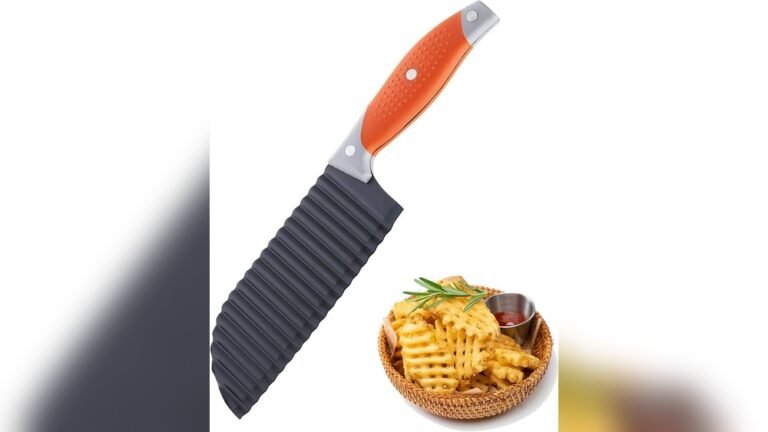
With a crinkle cutter, you can transform ordinary potatoes, cucumbers, and even fruits into eye-catching, restaurant-style creations. But what if you don’t have one handy? Don’t worry—you can easily make your own DIY crinkle cutter with simple tools you already have at home.
You’ll discover clever hacks to craft your own crinkle cutter and creative ways to use it. Get ready to impress your friends and family with unique, crinkle-cut delights that are as fun to make as they are to eat!

Credit: www.scrumptiouscateringkc.com
Diy Crinkle Cutter Basics
Creating your own crinkle cutter is simple and fun. This tool adds a wavy pattern to vegetables and fruits. It makes snacks look attractive and cuts more evenly. Understanding the basics helps you build a safe and useful cutter at home.
Materials Needed
- A wooden or plastic handle
- A sharp blade with a wavy edge
- Strong adhesive or screws
- Sandpaper for smoothing
- Protective gloves
Step-by-step Construction
- Choose a sturdy handle that fits your hand well.
- Attach the wavy blade securely to the handle.
- Use screws or strong glue to fix the blade.
- Sand any rough edges on the handle for comfort.
- Let the adhesive dry fully before use.
Safety Tips
- Wear gloves to protect your hands.
- Keep the blade sharp but handle with care.
- Store the cutter away from children.
- Cut on a stable surface to avoid slips.
- Clean the cutter carefully after each use.

Credit: exileshmagazine.com
Creative Uses For Crinkle Cutter
The crinkle cutter is more than just a tool for making wavy fries. It adds charm and style to everyday food. Creative uses bring fun and visual appeal to your kitchen. You can easily transform simple ingredients into eye-catching dishes. This tool works great on vegetables, fruits, cheese, and even cakes.
Vegetable And Fruit Presentation
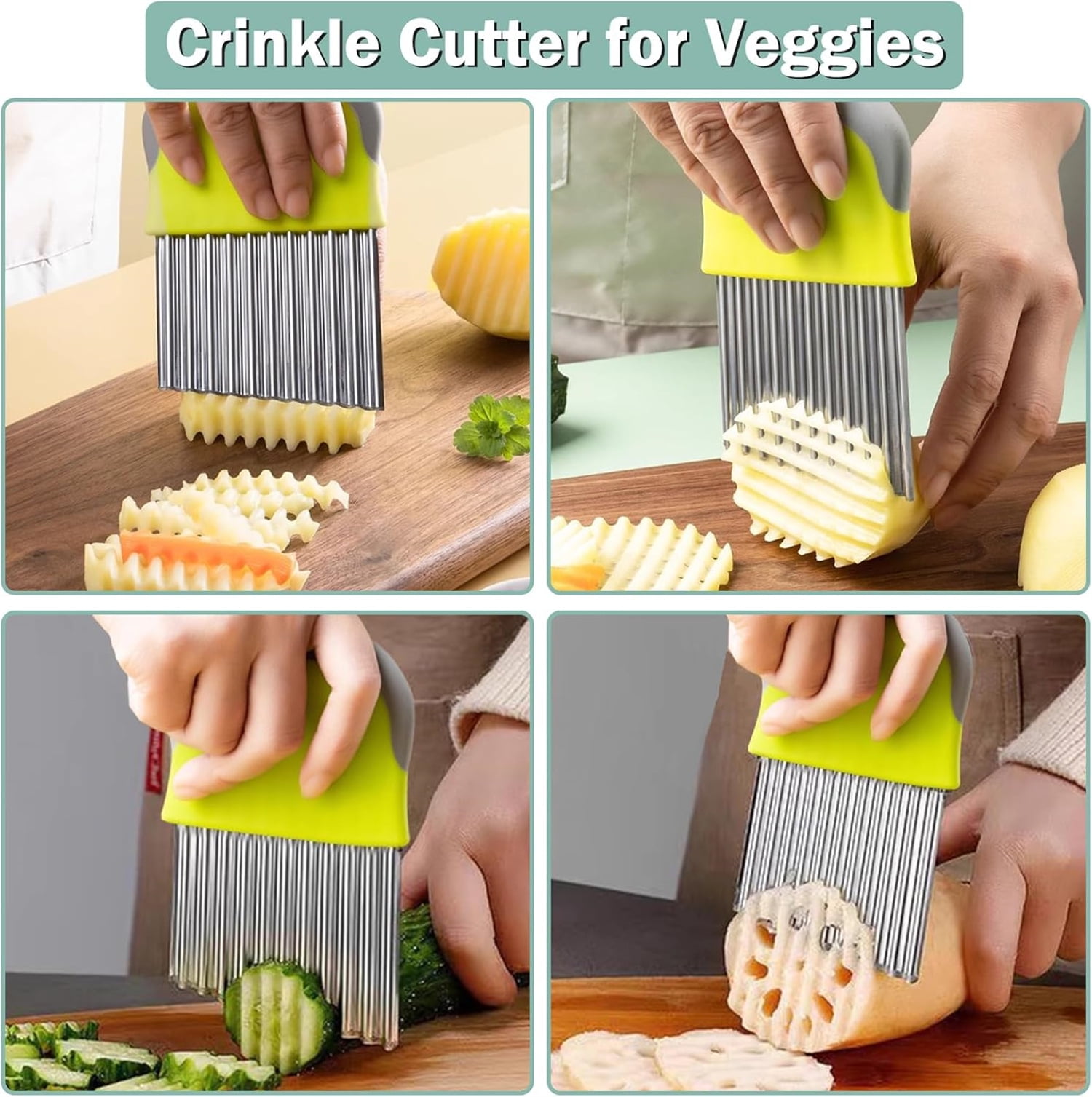
Use the crinkle cutter to slice vegetables and fruits with a wavy edge. It makes carrots, cucumbers, and potatoes look exciting on a plate. Fruit slices like apples and melons become more attractive for snacks or salads. These playful shapes encourage kids to eat more fresh produce. Presentation changes the way food appeals to the eyes and tastes better.
Unique Cheese Cuts
Cheese gets a new look with crinkle cut edges. It works well with firm cheeses like cheddar or gouda. These shaped slices stand out on cheese boards or sandwiches. The textured edges add a touch of elegance to simple cheese servings. Guests notice the small details and enjoy the variety on the table.
Decorative Cake Slicing
Cut cakes with the crinkle cutter to create fun and unique slices. It gives a textured edge to each piece, making desserts more inviting. Perfect for layered or pound cakes, the wavy cuts add style without effort. This simple trick impresses friends and family at any gathering or party.
Kitchen Hacks With Crinkle Cutter
The crinkle cutter is a handy kitchen tool that adds texture and style to your food. It creates wavy, ridged cuts that make vegetables and snacks look more appealing. Using this cutter can also change how food cooks and tastes by increasing surface area. Here are some simple kitchen hacks to use your crinkle cutter creatively and easily.
Making Crinkle-cut Fries At Home
Start with firm potatoes like russets or Yukon gold. Peel and wash them well. Slice the potato into thick pieces using the crinkle cutter. The wavy edges help fries cook evenly and get crispier. Toss the cut fries with oil, salt, and your favorite spices. Bake or fry until golden brown. Enjoy fresh, homemade crinkle-cut fries anytime.
Quick Snack Preparations
Use the crinkle cutter to prepare quick snacks from vegetables. Slice cucumbers, carrots, or zucchini into fun ridged shapes. These make great dippers for hummus or yogurt dips. Cut cheese blocks or cold cuts into crinkle shapes for a unique snack platter. The textured cuts hold dips better and look more inviting.
Enhancing Salad And Garnishes
Make salads more interesting by adding crinkle-cut veggies. Cut radishes, cucumbers, and carrots into ridged slices. The texture adds a crunchy bite and visual appeal. Use crinkle cuts to decorate plates with fruit cubes or veggie strips. Garnishes made with this cutter brighten dishes and impress guests easily.
Credit: www.ilcs.org
Maintenance And Care Tips
Proper maintenance keeps your crinkle cutter sharp and safe. It also extends its life. Small efforts in care bring big rewards. This section shares simple tips for cleaning, sharpening, and storing your tool.
Cleaning Techniques
Rinse the cutter right after use. This stops food from drying on the blade. Use warm water with mild soap for washing. A soft brush helps clean the crinkles well. Avoid harsh scrubbers; they can damage the blade. Dry the cutter completely to stop rust.
Blade Sharpening
Dull blades make cutting hard and unsafe. Sharpen the blade regularly for smooth cuts. Use a sharpening stone or a fine file. Hold the blade at the right angle, usually 20 degrees. Move the blade gently along the sharpener. Test the blade on a soft vegetable to check sharpness.
Storage Solutions
Store the cutter in a dry place. Use a protective cover for the blade if available. Avoid tossing it in drawers with other utensils. This prevents damage to the blade and accidents. Hanging the cutter is also a good option. Keep it out of reach of children.
Troubleshooting Common Issues
Troubleshooting common problems with your crinkle cutter can save time and improve your results. Small issues often cause big frustrations. Fixing these problems helps you enjoy making perfect crinkle cuts every time. Below are simple solutions to frequent challenges you might face.
Preventing Drag Marks
Drag marks appear when the blade pulls the food instead of cutting cleanly. Use a sharp blade to reduce this problem. Apply gentle, steady pressure while cutting. Avoid pushing too hard or too fast. Clean the blade regularly to remove sticky residue. This keeps the cutter smooth and prevents marks.
Avoiding Blade Damage
Blade damage occurs from cutting hard surfaces or improper storage. Never use the cutter on bones or frozen foods. Store the cutter in a dry place to stop rust. Use a blade cover if possible. Sharpen blades carefully with a proper tool. This keeps the edge strong and ready for use.
Fixing Uneven Cuts
Uneven cuts happen due to poor hand control or dull blades. Hold the cutter firmly and keep it straight. Cut on a flat, stable surface for better control. Check the blade for dullness and sharpen it if needed. Practice slow, even strokes for consistent cuts. This method improves the look of your crinkle slices.
Alternative Tools And Hacks
Not everyone owns a crinkle cutter, but there are smart ways to create those wavy edges. Alternative tools and simple hacks let you enjoy crinkle cuts without buying special equipment. These ideas save money and add fun to your kitchen tasks.
Using Mandolines For Crinkle Cuts
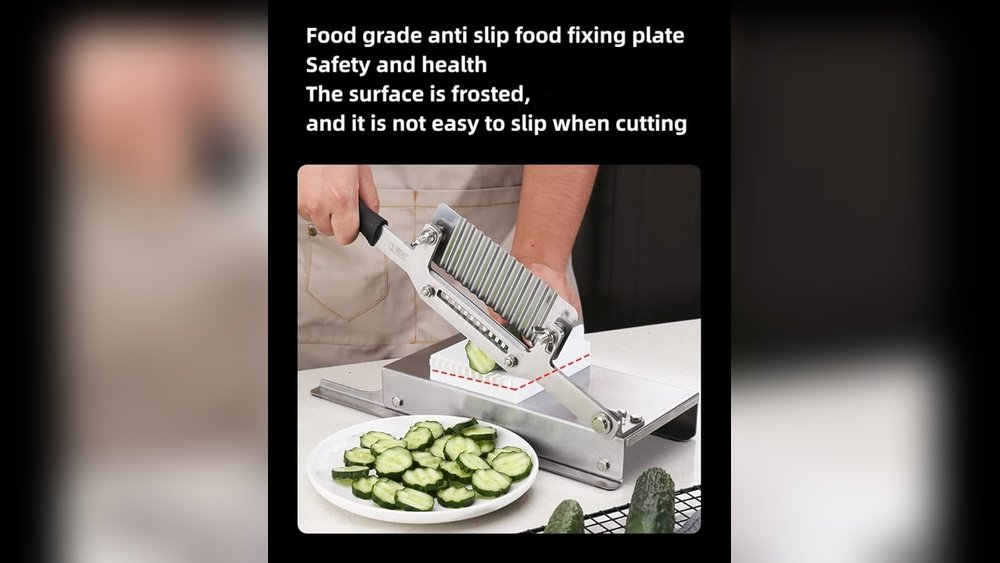
Mandolines often come with a crinkle blade attachment. This tool slices vegetables into perfect waves quickly. Place the vegetable on the mandoline and slide it back and forth. It creates even, crinkled slices every time.
Mandolines are adjustable, so you control slice thickness. They work great for potatoes, cucumbers, and carrots. A mandoline is a handy multi-tool for many kitchen tasks beyond crinkle cuts.
Diy Crinkle Cutter Substitutes
Make your own crinkle cutter using simple household items. Attach a small zigzag-edged metal strip to a wooden handle. Use strong glue or screws for a secure fit. This homemade tool cuts vegetables with that classic wavy edge.
Another hack uses a serrated knife held at an angle. Slowly slice the vegetable, pressing lightly to form waves. It takes some practice but works well for softer vegetables.
Creative Repurposing Ideas
Look around your kitchen for tools to repurpose. A cookie cutter with a wavy edge can press shapes into dough or soft veggies. A cheese slicer with a ridged blade can add texture to thin slices.
Try using a vegetable peeler with a serrated edge to create crinkle patterns on softer foods. These ideas turn everyday tools into fun kitchen helpers without extra cost.
Frequently Asked Questions
Can You Make Crinkle Cuts At Home?
Yes, you can make crinkle cuts at home using a crinkle cutter or a DIY version made from household items.
How To Cut Crinkle-cut Fries At Home?
Wash and peel potatoes. Use a crinkle cutter or zigzag knife to slice evenly. Cut fries about 1-inch thick. Dry before cooking.
How To Make Crinkle-cut Fries Without A Mandoline?
Use a sharp knife and a crinkle cutter or wavy blade to slice potatoes. Cut evenly for crinkle-cut fries without a mandoline.
What Can You Crinkle Cut?
You can crinkle cut potatoes, carrots, cucumbers, radishes, pickles, cheese, fruits, and even pound cake for decorative slices.
Conclusion
Trying DIY hacks for your crinkle cutter saves money and adds fun. These simple tricks help you create unique shapes easily. You can cut vegetables, fruits, and even cheese with style. Experimenting in the kitchen becomes exciting and creative this way.
Keep practicing, and your skills will improve fast. Enjoy making meals that look great and taste good. Small tools and ideas make a big difference at home. Start today and see how simple hacks change your cooking experience.