Diy Hacks for Herb Stripper: Easy Tricks to Save Time & Effort
Are you tired of spending extra time plucking herb leaves from their stems while cooking? Imagine a simple trick that can strip your herbs in seconds, saving you effort and bringing more fresh flavor to your meals.
Whether you’re working with rosemary, thyme, or basil, these DIY hacks for herb strippers will change the way you prepare your herbs forever. Ready to speed up your kitchen routine and enjoy herbs like a pro? Keep reading to discover easy, clever methods you can try right now!
Tools To Use
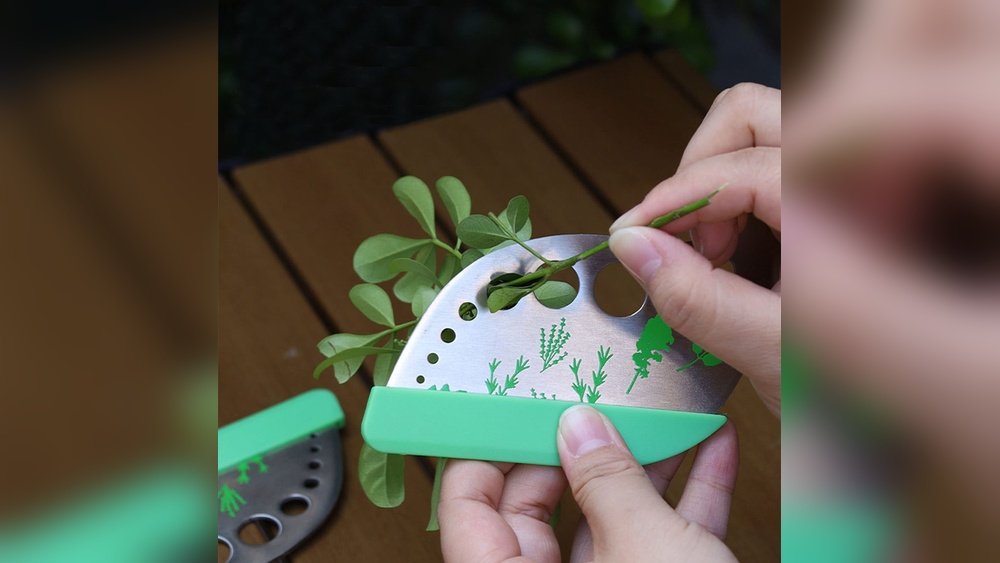
Choosing the right tools makes stripping herbs faster and easier. Many DIY herb strippers use simple items found at home. These tools help remove leaves cleanly from stems without waste. Experimenting with different materials gives great results for all herb types.
Household Items As Strippers
Common household items work well as herb strippers. Forks help slide leaves off woody stems quickly. A pair of scissors can trim leaves neatly from the stem ends. Rubber bands and small containers assist in holding herbs during stripping. Simple tools reduce mess and speed up herb preparation.
Wooden And Metal Diy Strippers
Wooden sticks with notches make effective herb strippers. You can carve grooves to match stem sizes. Metal strips or old cookie cutters also serve as sturdy strippers. These handmade tools last long and handle various herbs. Their solid design helps strip herbs with little effort.
Repurposing Kitchen Gadgets
Kitchen gadgets often double as herb strippers. Potato peelers with narrow edges slide along stems easily. Garlic peelers provide a soft grip for delicate herbs. Small colanders with holes can hold herbs while you strip leaves off. Using these gadgets saves money and adds convenience.

Credit: tipaa.net
Simple Techniques
Simple techniques make stripping herbs quick and easy. These DIY methods require little or no special tools. Anyone can try them to save time in the kitchen. These tricks help remove leaves cleanly from stems. They keep the herbs fresh and ready for cooking.
Finger Pull Method
Hold the stem firmly with one hand. Use your other hand to pinch the leaves. Pull downward along the stem to strip the leaves off. This method works best with soft herbs like basil and mint. It is gentle and prevents bruising the leaves.
Fork Slide Trick
Take a fork and hold the herb stem near the tines. Slide the stem through the fork’s prongs slowly. The leaves will catch on the fork and separate from the stem. This trick is great for tougher herbs like rosemary and thyme. It speeds up the stripping process.
Colander Leaf Removal
Place herb stems inside a colander or strainer. Shake the colander firmly over a bowl or sink. The leaves will fall off into the bowl. This method works well with leafy herbs like parsley and cilantro. It keeps the leaves contained and easy to collect.
Diy Projects
DIY projects for herb strippers save time and effort in the kitchen. They make herb preparation quick and easy. These simple tools help remove leaves from stems without hassle. You can create your own herb stripper with basic materials. The following ideas show easy ways to build one at home.
Making A Wooden Herb Stripper
Start with a small wooden block about two inches thick. Drill holes of different sizes through the block. The holes should fit various herb stem thicknesses. Slide the herb stem through the hole and pull the leaves off. This wooden tool is durable and easy to use. Sand the edges smooth to avoid splinters. You can decorate it with wood stain or paint for a nice finish.
Crafting From Pallet Scraps
Old pallets provide great wood for making herb strippers. Cut a pallet board to a small rectangular shape. Drill holes in a row with different sizes. Smooth the surface with sandpaper to remove rough spots. Pallet wood adds a rustic look to your kitchen. This method uses recycled materials, making it eco-friendly. It is a cost-effective way to build a handy kitchen tool.
Using Drill And Measuring Cup
Find a plastic measuring cup with a sturdy rim. Drill holes of various sizes around the cup’s edge. The holes should allow herb stems to pass through easily. Use the cup as a holder while stripping herbs. Slide stems through the holes and pull leaves off. This tool is lightweight and easy to clean. It combines common kitchen items into a useful gadget.
Credit: maiamidwifery.com
Best Herbs To Strip
Stripping herbs saves time and makes cooking easier. Some herbs strip better than others. Knowing which herbs work best helps you use your herb stripper effectively. This section covers the best herbs to strip and how to handle them.
Woody Stem Herbs
Woody stem herbs have tough stems with small leaves. Examples include rosemary, thyme, oregano, tarragon, and marjoram. Their firm stems make leaf removal simple and fast. Slide the stems through your herb stripper to remove leaves quickly. These herbs hold their flavor well after stripping.
Soft Leaf Herbs
Soft leaf herbs have delicate, tender leaves and thin stems. Basil, cilantro, parsley, and mint fit this group. These herbs need gentle handling to avoid bruising. Use a fine-toothed herb stripper or strip leaves by hand carefully. Freshness and aroma stay intact when stripped properly.
Seasonal Herb Choices
Herbs vary by season, so choose what grows best near you. Spring and summer bring basil, mint, and dill. Fall and winter favor rosemary, thyme, and sage. Stripping herbs at their peak ensures strong flavor. Keep your herb stripper handy all year for fresh meals.
Time-saving Tips
Saving time in the kitchen makes cooking more enjoyable and less stressful. Using simple herb stripper hacks speeds up meal prep. These tips help you strip, store, and clean herbs fast. Spend less time on chores and more on flavor.
Batch Stripping
Strip herbs in large batches to save time later. Gather several stems and slide them through a DIY herb stripper or a fork. This method removes leaves quickly and efficiently. Prepare all your herbs at once for multiple recipes or meals.
Storing Stripped Herbs
Keep stripped herbs fresh by storing them properly. Place leaves in an airtight container or a resealable bag. Add a damp paper towel to keep moisture without making herbs soggy. Store in the fridge to extend freshness for days.
Quick Cleaning Methods
Clean herbs fast by using a colander or fine sieve. Rinse leaves gently under cold water while shaking the colander. This removes dirt and debris without damaging delicate leaves. Pat dry with a clean towel or use a salad spinner for best results.

Credit: battledental.com
Common Mistakes
Many people make simple errors while using an herb stripper. These mistakes can waste time and damage herbs. Avoiding common pitfalls helps keep herbs fresh and ready for cooking. Below are frequent errors and tips to prevent them.
Damaging Leaves
Pressing too hard can crush delicate leaves. This causes bruising and loss of flavor. Use gentle pressure to protect the herbs. Handle each leaf with care for the best result.
Using Wrong Tools
Sharp knives or heavy scissors often tear leaves. This ruins the herb’s texture. A proper herb stripper or a fork works better. Choose tools designed for stripping herbs to save time and effort.
Over-stripping
Removing too many leaves at once can be messy. Leaves may fall off and scatter everywhere. Strip small sections gradually. This keeps the process clean and efficient.
Frequently Asked Questions
How To Quickly Strip Herbs?
Hold the herb stem with one hand and slide fingers or a fork down to strip leaves quickly. Repeat for all stems.
What Are Some Alternative Herb Stripping Methods?
Alternative herb stripping methods include using a fork to slide leaves off stems, pulling stems through a colander, or crafting DIY wooden or metal herb strippers. These techniques speed up leaf removal and work well for herbs with woody stems like rosemary and thyme.
What Are The Best Herbs To Strip?
Thyme, rosemary, oregano, tarragon, and marjoram are best for stripping due to their small leaves and woody stems.
How To Remove Leaves From Stems?
Hold the stem firmly and slide your fingers downward to strip leaves quickly. Use a fork or herb stripper tool for faster removal. Collect leaves in a bowl, rinse, dry, and chop as needed. This method works well for thyme, rosemary, and other woody-stem herbs.
Conclusion
DIY herb strippers make cooking faster and more enjoyable. Simple tools and everyday items help remove leaves easily. These hacks save time and reduce waste in the kitchen. Experiment with different methods to find what fits you best. Fresh herbs add great flavor to any dish.
Keep trying these easy tricks to get the most from your herbs. Enjoy cooking with less effort and more fun!