How to Clean Cabbage Shredder: Easy Steps for Sparkling Results
If you love making fresh coleslaw, sauerkraut, or any dish that calls for shredded cabbage, you know how handy a cabbage shredder can be. But here’s the thing: if you don’t clean your shredder properly, it can quickly become a breeding ground for bacteria and dull those sharp blades.
You want your shredder to work smoothly every time and keep your food safe. So, how exactly do you clean your cabbage shredder the right way without wasting time or risking damage? Keep reading, and you’ll discover simple, effective steps to get your shredder spotless and ready for your next kitchen adventure.
Preparing The Shredder
Preparing the cabbage shredder is the first step for a thorough cleaning. It helps you reach all parts that hold food bits and juice. Proper preparation makes cleaning easier and keeps the shredder in good shape.
Start by taking the shredder apart carefully. This allows you to clean each piece without missing spots. Handling the shredder with care prevents damage to its sharp blades and delicate parts.
Disassembling The Parts
Begin by unplugging the shredder if it is electric. Remove all detachable parts like the hopper, blade, and food pusher. Use a screwdriver if needed to loosen screws. Lay out the pieces on a clean surface for easy access. Keep track of small parts to avoid losing them. This step exposes all areas where food can get stuck.
Safety Precautions
Wear cut-resistant gloves to protect your hands from sharp blades. Avoid rushing during disassembly to prevent accidents. Handle blades with care, holding them by the edges. Keep children and pets away from the work area. Follow the manufacturer’s instructions for safe removal of parts. Safety ensures a smooth cleaning process without injuries.

Credit: lilysfund.org
Cleaning The Blades
Cleaning the blades of your cabbage shredder is key for safe use and long-lasting performance. Sharp, clean blades cut cabbage smoothly and prevent contamination. Dirt and food particles can stick to the blades, causing rust or dullness. Regular cleaning keeps your shredder working well and your cabbage fresh.
Removing Debris
Start by removing any large cabbage pieces stuck on the blades. Use a soft brush or a toothpick to clear small bits. Avoid using your fingers to prevent cuts. Make sure all debris is gone before moving to washing.
Using Soapy Water
Fill a basin with warm water and add mild dish soap. Submerge the blades carefully and use a sponge or brush to clean each blade. Soap helps break down oils and residue. Rinse the blades thoroughly with clean water to remove all soap.
Drying Techniques
After washing, dry the blades immediately to stop rust. Use a clean cloth or paper towel to wipe each blade carefully. Let the blades air dry in a well-ventilated area if possible. Store the shredder in a dry place to keep blades sharp and rust-free.
Cleaning The Body
Cleaning the body of a cabbage shredder keeps it safe and working well. Dirt and food bits can stick to the frame and wooden parts. Removing them helps stop rust and damage. Proper care means your shredder lasts longer and stays clean for healthy food prep.
Wiping The Frame
Use a soft cloth to wipe the metal or plastic frame. Avoid harsh scrubbing that can scratch the surface. Wipe in all corners to remove food scraps and dust. A damp cloth with mild soap works best for cleaning. Dry the frame fully to prevent rust or water spots.
Handling Wooden Components
Wood needs gentle care to avoid cracks or warping. Wipe wooden parts with a dry or slightly damp cloth. Do not soak wood in water. Apply food-safe mineral oil to keep wood smooth and protected. Oil the wood once a month to maintain its quality and shine.
Avoiding Water Damage
Do not soak the shredder body in water. Water can ruin wooden parts and loosen glue. Clean with a damp cloth only, then dry immediately. Store the shredder in a dry place to avoid moisture build-up. Proper drying prevents mold and keeps the shredder safe to use.

Credit: luxholidayhome.com
Sanitizing For Food Safety
Sanitizing your cabbage shredder is crucial to keep it safe for food use. It removes germs and bacteria that regular cleaning might miss. Clean tools help prevent foodborne illnesses and keep your kitchen healthy. Proper sanitizing protects your family and anyone who eats your shredded cabbage.
Using Vinegar Or Food-safe Solutions
Use white vinegar as a natural sanitizer. Mix one part vinegar with three parts water. Spray or soak the shredder parts in this solution. Let it sit for at least five minutes. Vinegar kills many harmful bacteria without harsh chemicals.
Food-safe sanitizers are another good choice. Look for products labeled safe for kitchen tools. Follow the instructions on the label carefully. These solutions ensure your shredder is clean and safe for food contact.
Rinsing Thoroughly
Rinse the shredder parts with clean water after sanitizing. Make sure to remove all vinegar or sanitizer residue. Residue can affect the taste of your cabbage and may be harmful if ingested. Use warm water for better cleaning results.
Dry each part completely before storing. Moisture can cause mold or rust. Use a clean towel or air dry in a well-ventilated area. Proper drying keeps your shredder in good condition for longer.
Maintaining The Shredder
Maintaining your cabbage shredder keeps it working smoothly and extends its life. Regular care prevents rust and dullness. It also ensures safe, easy shredding every time. Simple habits protect the blades and wood parts from damage. Follow these tips to keep your shredder in top shape.
Sharpening The Blades
Dull blades make shredding hard and uneven. Use a sharpening stone or file to restore sharpness. Hold the blade at the correct angle. Move the sharpener in one direction only. Repeat until the edge feels smooth and sharp. Clean the blades after sharpening to remove metal bits. Sharp blades reduce effort and improve safety.
Applying Mineral Oil
Mineral oil stops the wood from drying out and cracking. After cleaning, dry the shredder completely. Use a clean cloth to apply a thin layer of mineral oil. Cover all wooden surfaces evenly. Let the oil soak in for a few hours or overnight. Wipe off any extra oil before storage. This simple step keeps the shredder looking new.
Storage Tips
Store your cabbage shredder in a dry place. Avoid damp or humid areas that cause rust or mold. Keep it away from direct sunlight to prevent wood warping. Use a dust cover or cloth to protect it from dirt. Store blades separately if possible, wrapped in cloth or paper. Proper storage ensures your shredder stays clean and ready to use.
Cleaning After Shredding Cabbage
Cleaning after shredding cabbage is essential to keep your shredder in top shape. Cabbage leaves leave behind sticky bits that can clog the blades. These residues can also cause bad smells if not cleaned properly. Quick and thorough cleaning prevents buildup and keeps the shredder ready for next use.
Removing Sticky Residue
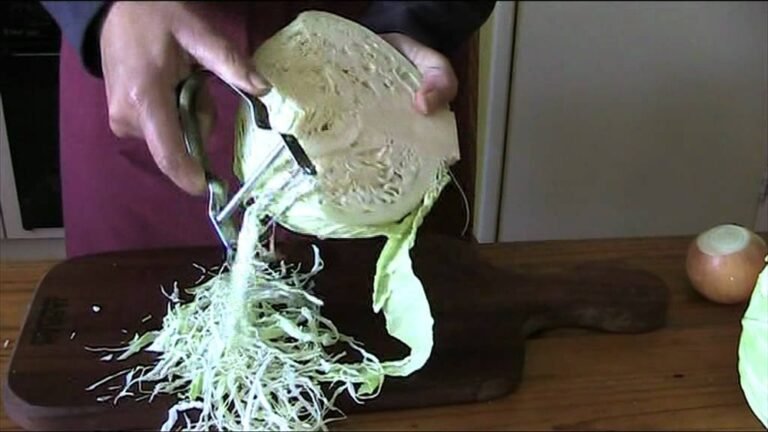
Start by rinsing the shredder under warm water. Use a soft brush or sponge to scrub off cabbage bits. Pay close attention to the blades and crevices. Avoid using harsh tools that might damage the shredder. Soap and warm water work well to dissolve sticky residues. Rinse thoroughly to remove all soap traces. Dry the shredder with a clean cloth to stop rust.
Preventing Odors
Odors come from leftover cabbage and moisture. After cleaning, wipe the shredder dry immediately. Store it in a dry place with good airflow. Occasionally, wipe the shredder with a vinegar solution to kill bacteria. Vinegar also neutralizes smells. Let the shredder air out before storing it inside a closed container. This simple step keeps your shredder fresh and odor-free.
Troubleshooting Common Issues
Troubleshooting common issues with your cabbage shredder keeps it working well. Regular checks help avoid bigger problems. Small fixes improve safety and performance. Understanding common issues saves time and money.
Rust Prevention
Rust damages blades and metal parts quickly. Always dry the shredder completely after cleaning. Use a clean cloth to wipe moisture away. Store the shredder in a dry place only.
Apply a thin layer of food-safe oil to metal surfaces. Mineral oil works well for this purpose. This stops moisture from causing rust. Check the shredder for rust spots often.
Fixing Loose Parts
Loose parts affect the shredder’s stability and safety. Tighten screws and bolts regularly using a screwdriver. Check all handles and blades for firmness. Replace worn or damaged parts immediately.
Loose blades reduce shredding quality and increase risk of injury. Keep blades sharp and secure for best results. Ensure all parts fit tightly before use.

Credit: www.amazon.com
Frequently Asked Questions
How To Clean Cabbage Before Shredding?
Rinse the whole cabbage under cold running water. Remove and wash outer leaves separately. Pat dry before shredding.
How To Sharpen A Bluffton Slaw Cutter?
To sharpen a Bluffton slaw cutter, tilt the blade towards you and push it forward. Repeat to polish and sharpen evenly.
Do You Use Vinegar To Clean Cabbage?
You can use vinegar to clean cabbage by soaking leaves briefly to remove dirt and pesticides. Rinse thoroughly with cold water afterward.
How To Clean Cabbage For Bugs?
Soak cabbage heads in water to loosen leaves. Separate each leaf and rinse under strong running water. Check folds carefully for bugs. Repeat rinsing on both sides.
Conclusion
Keeping your cabbage shredder clean is simple and important. Clean the blades and parts right after use. Use warm, soapy water and a soft brush to remove food bits. Rinse thoroughly and dry all pieces well. Regular cleaning keeps the shredder sharp and safe.
Store it in a dry place to avoid rust. A well-maintained shredder works better and lasts longer. This easy care routine saves time and effort. Enjoy fresh, crisp cabbage every time you shred!