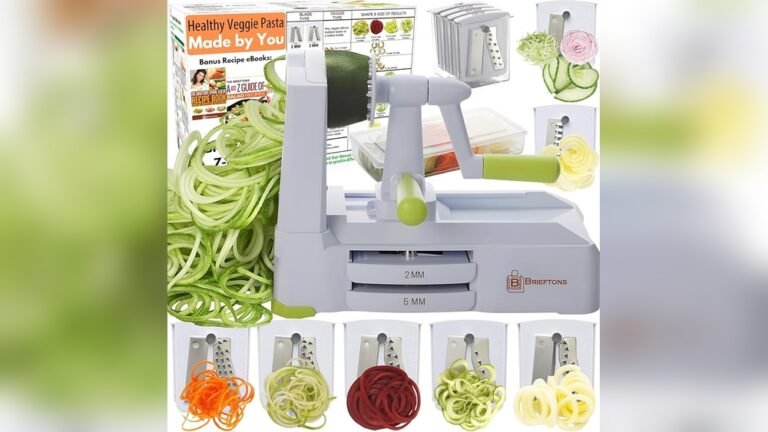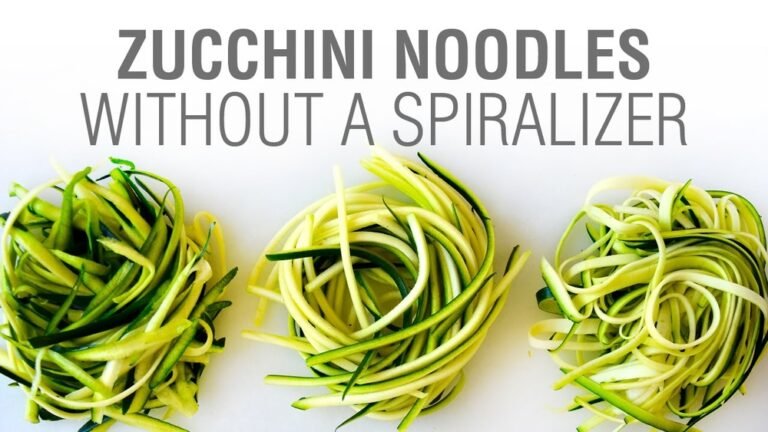
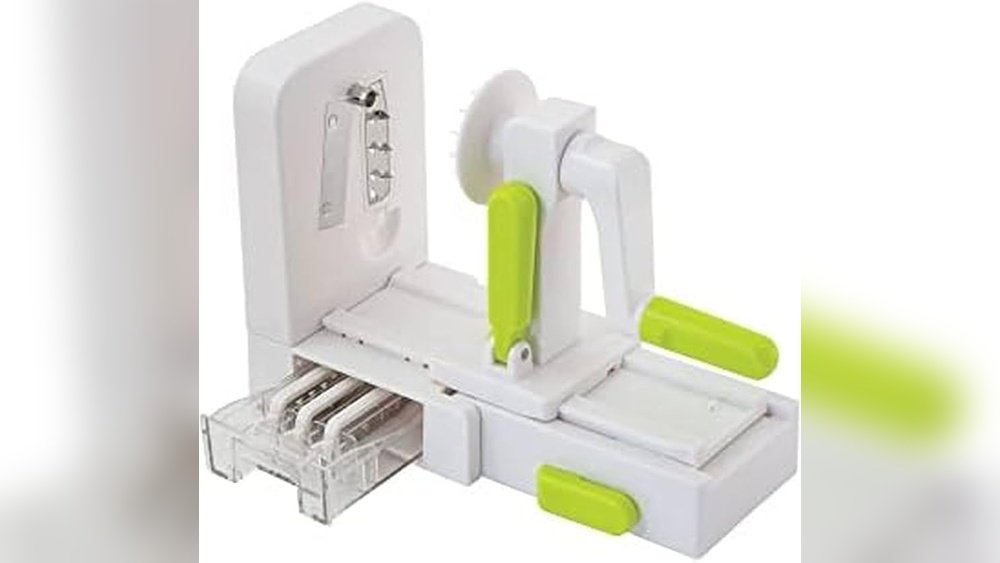
Easy Tips for How to Store Vegetable Spiralizer.
You’ve just bought a vegetable spiralizer, and now you’re wondering how to keep it safe and ready for your next cooking adventure. Storing your spiralizer the right way isn’t just about saving space—it’s about protecting your tool so it lasts longer and works perfectly every time.
If you want to avoid dull blades, messy drawers, or a bulky kitchen, this guide is for you. Keep reading, and you’ll discover simple, effective tips to store your vegetable spiralizer easily and smartly, making your healthy cooking routine smoother than ever.

Credit: www.worldmarket.com
Spiralizer Storage Basics
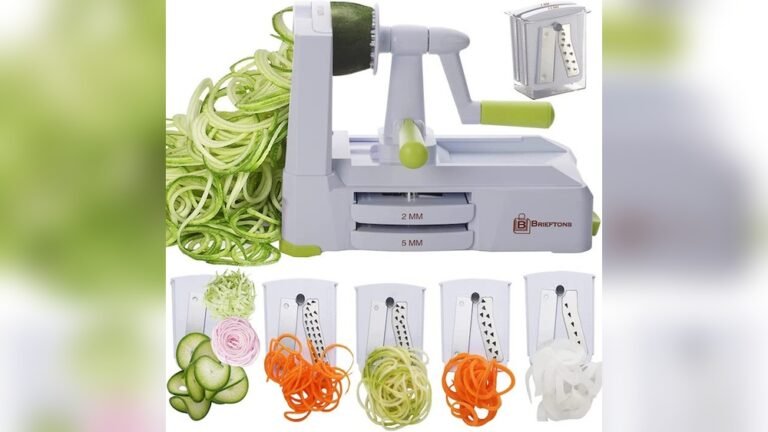
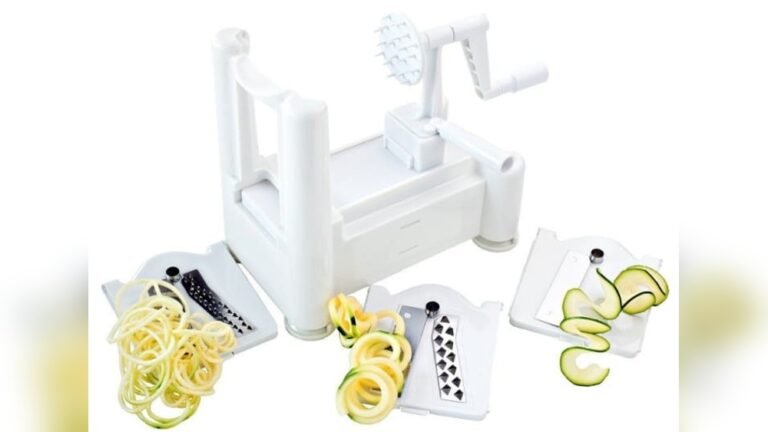
Storing a vegetable spiralizer properly helps keep it safe and ready for use. Good storage prevents damage and keeps your kitchen neat. Follow these basic tips to store your spiralizer effectively.
Choosing The Right Spot
Select a dry and cool place to store the spiralizer. Avoid spots near the stove or sink where heat and water are common. A kitchen cabinet or drawer works well. Make sure the spot is easy to reach for quick use.
Keeping It Clean Before Storage
Always clean your spiralizer after each use. Remove leftover vegetable pieces and wash the blades carefully. Dry all parts completely before storing. Clean spiralizers last longer and stay safe to use.
Avoiding Moisture Damage
Moisture can cause rust and damage the blades. Store the spiralizer in a dry area to prevent this. Use a cloth or paper towel to wrap the spiralizer if needed. Keep it away from humid places like near the dishwasher.
Compact Storage Ideas
Storing a vegetable spiralizer without taking up much space helps keep your kitchen tidy. Compact storage ideas make it easy to find and use the spiralizer quickly. These methods save space and protect your tool from damage. Use simple and practical solutions that fit your kitchen style.
Using Drawer Organizers
Drawer organizers keep your spiralizer neatly in place. Choose organizers with adjustable sections to fit all parts. This prevents pieces from moving or getting lost. Place the spiralizer and its blades in separate compartments. Drawers keep your kitchen counters free and clean.
Wall-mounted Racks
Wall-mounted racks free up cabinet and drawer space. Use hooks or small shelves to hang the spiralizer securely. This method keeps the spiralizer visible and easy to reach. Mount the rack near your cooking area for quick access. It also adds an organized look to your kitchen walls.
Stackable Containers
Stackable containers work well for storing spiralizer parts together. Choose containers with clear lids to see inside quickly. Label each container for easy identification. These containers protect parts from dust and damage. Stack them in cabinets or pantry shelves to save space.
Protecting Your Spiralizer
Protecting your vegetable spiralizer extends its lifespan and keeps it safe to use. Proper storage prevents damage to its parts and avoids accidents. Handling with care ensures the blades stay sharp and the device works smoothly every time.
Follow simple steps to maintain your spiralizer’s condition. Small efforts make a big difference in preserving this handy kitchen tool.
Covering Sharp Blades Safely
Always cover the blades after cleaning and drying. Use blade guards or wrap them in a soft cloth. This prevents accidental cuts and protects the blades from damage. Keep the spiralizer out of reach of children.
Preventing Rust And Wear
Dry the spiralizer completely before storing. Moisture causes rust and weakens metal parts. Store it in a dry place, away from sinks or damp areas. Occasionally oil the metal parts with food-safe oil to keep them smooth.
Storing With Accessories
Keep all parts and accessories together in one container or drawer. Use a small box or pouch to hold extra blades and cleaning tools. This prevents loss and makes the spiralizer ready to use anytime.

Credit: www.amazon.com
Storing Spiralized Vegetables
Storing spiralized vegetables correctly keeps them fresh and tasty for longer. These veggies tend to release water quickly, which can make them soggy. Proper storage slows down this process and preserves texture and flavor. Below are simple tips for storing spiralized vegetables effectively.
Best Containers For Freshness
Use airtight containers to keep air out. Glass or BPA-free plastic containers work well. Avoid containers that trap moisture inside. A container with a tight lid helps keep veggies crisp. Store spiralized vegetables in small portions for easy use.
Keeping Zoodles Crisp
Place a paper towel inside the container with zoodles. The paper towel absorbs extra moisture and prevents sogginess. Change the towel if it becomes wet. Keep zoodles cold in the fridge. Do not salt them before storing, as salt draws out water.
Avoiding Watery Veggies
Drain any liquid released by the vegetables before storing. Excess water can make them mushy and lose flavor. Store spiralized veggies without sauces or dressings. Add sauces only when ready to serve. Do not freeze raw or cooked spiralized vegetables, as freezing damages their texture.
Freezing Spiralized Veggies
Freezing spiralized vegetables is a smart way to save time and reduce food waste. It allows you to enjoy fresh, healthy meals anytime. Proper freezing helps keep the texture and flavor intact. This section covers how to prepare spiralized veggies for freezing and tips for the best results.
Prepping For Freezing
Start by washing vegetables thoroughly. Peel if necessary, then spiralize them evenly. Remove excess moisture with a clean kitchen towel. Cut longer strands into smaller pieces for easy storage. Use airtight containers or freezer bags to prevent freezer burn.
Blanching Vs Drying
Blanching stops enzyme activity and preserves color and texture. Boil spiralized veggies for 1-3 minutes, then cool in ice water. Drying removes surface moisture but does not stop enzymes. Blanching is better for most vegetables before freezing. Drying alone suits veggies with low water content.
Flash Freezing Tips
Spread spiralized veggies on a baking sheet in a single layer. Freeze them uncovered for 1-2 hours until solid. Transfer frozen pieces to bags or containers. This prevents clumping and makes portioning easy. Label packages with the date for best freshness tracking.
Maintaining A Clutter-free Kitchen
Keeping a clutter-free kitchen makes cooking more enjoyable and efficient. Storing your vegetable spiralizer properly helps maintain this clean space. A tidy kitchen reduces stress and saves time. It also protects your tools and keeps them ready for use.
Regular Decluttering Habits
Set a routine to clear kitchen counters and drawers weekly. Remove items you no longer use or need. Check your spiralizer for any broken parts or buildup. Clean it and store it away after each use. This habit prevents clutter from building up over time.
Multi-use Storage Solutions
Choose storage options that serve more than one purpose. A drawer organizer can hold your spiralizer and other small tools. Use clear containers to keep parts together and visible. Hanging racks or hooks save space on counters and drawers. These solutions keep your kitchen neat and tools accessible.
Labeling And Organizing
Label storage boxes or drawers where you keep your spiralizer. Clear labels help find items quickly and put them back in place. Organize your kitchen by grouping similar tools together. This system reduces the time spent searching for your spiralizer.
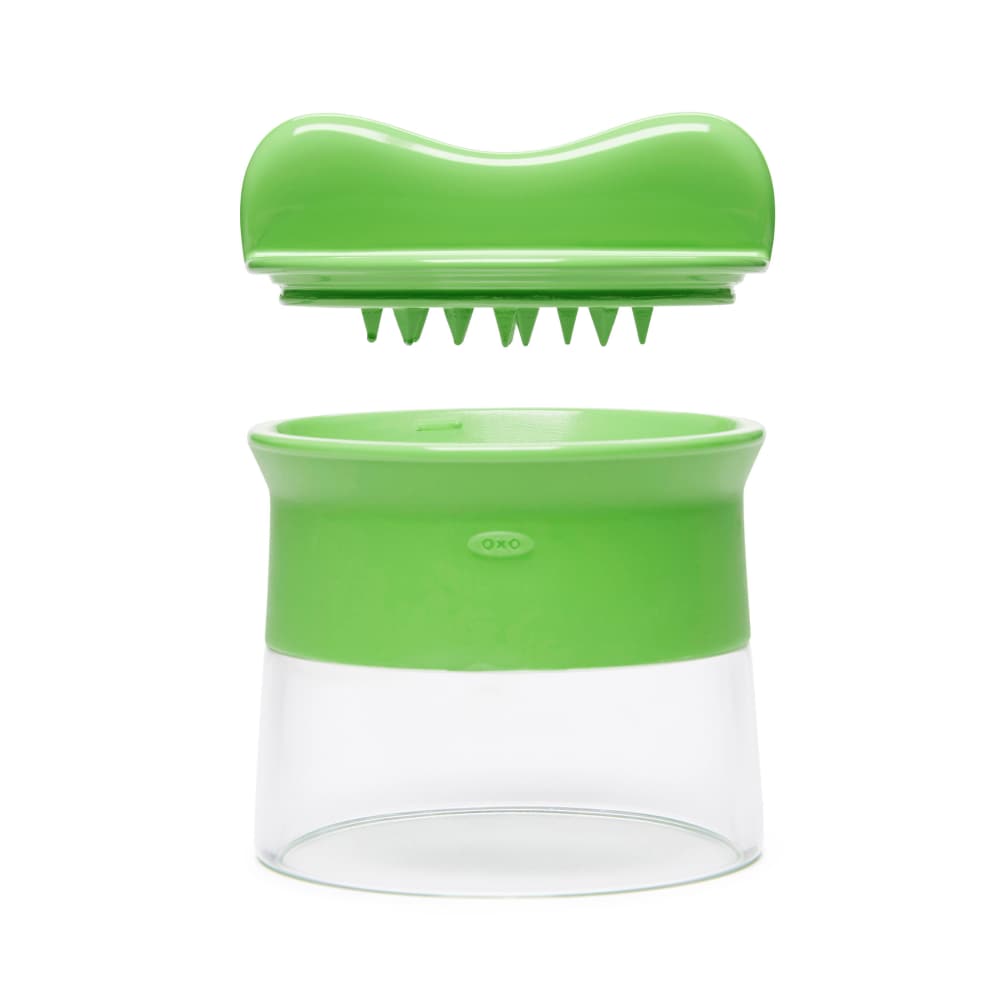
Credit: www.fredmeyer.com
Frequently Asked Questions
How Do You Store Spiralized Zucchini?
Store spiralized zucchini in an airtight container lined with paper towels. Keep it refrigerated and drain excess moisture daily to prevent sogginess. Avoid salting before storage. Use within 2-3 days for best freshness. Do not freeze raw or cooked zucchini noodles to maintain texture.
How Far In Advance Can I Make Zoodles?
You can make raw zoodles up to 1 day in advance, storing them dry in the fridge. Cooked zoodles last 2-3 days refrigerated. Avoid freezing to prevent sogginess. Drain excess moisture regularly to keep them fresh and firm.
How To Keep Spiralized Zucchini From Getting Soggy?
To keep spiralized zucchini from getting soggy, drain excess water using paper towels. Avoid salting before storing. Cook quickly without covering to prevent moisture buildup. Store zoodles separately from sauces and use them fresh for best texture.
Can Spiralized Zucchini Be Frozen?
Spiralized zucchini can be frozen but remove excess moisture first to prevent sogginess. Blanch or dry them well. Flash-freeze on a tray before storing in bags. Use frozen zoodles directly in hot dishes without thawing for best texture and flavor.
Conclusion
Storing your vegetable spiralizer properly keeps it safe and ready to use. Clean it well after each use to avoid rust or stains. Dry all parts completely before putting them away. Store the spiralizer in a dry, cool place to prevent damage.
Use a container or drawer organizer to keep pieces together. This simple care extends the tool’s life and keeps your kitchen neat. With these easy steps, your spiralizer stays fresh and works perfectly every time. Enjoy making healthy meals without hassle!