Effortless Tips for How to Use Herb Stripper Perfectly
If you love cooking with fresh herbs but dread the tedious task of stripping leaves from their stems, an herb stripper can be a game-changer for your kitchen routine. Imagine saving time and effort while prepping your favorite herbs perfectly every time.
You’ll discover exactly how to use an herb stripper to make your cooking smoother and more enjoyable. Whether you’re a seasoned chef or just starting out, mastering this simple tool will elevate your meal prep and bring fresh flavors to your dishes faster than ever.
Keep reading to unlock the secrets of easy, efficient herb stripping!
Choosing The Right Herb Stripper
Choosing the right herb stripper makes herb preparation faster and easier. This tool helps remove leaves from stems quickly. Picking one that fits your needs improves your cooking experience. Consider the type, material, and size before buying. These factors affect how well the herb stripper works and lasts.
Types Of Herb Strippers
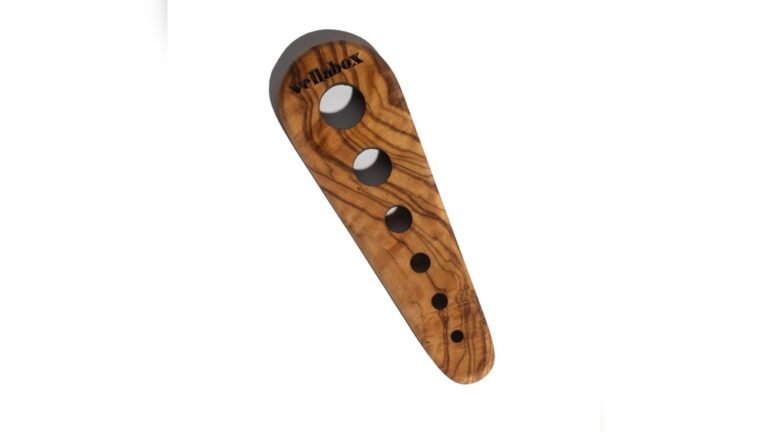
Herb strippers come in various designs. Some have multiple hole sizes for different herbs. Others are simple single-hole tools. Some models include a container to catch leaves. Pick a type that suits your cooking style and herbs used most.
Material And Durability
Common materials include plastic, metal, and wood. Plastic strippers are light and affordable. Metal ones last longer and handle tough stems better. Wooden strippers offer a natural look but need careful cleaning. Choose a durable material for frequent use.
Size Options And Uses
Herb strippers vary in size and hole diameter. Smaller holes work well for delicate herbs like thyme. Larger holes fit thicker stems like rosemary. Some tools have multiple hole sizes on one device. Select a size that matches the herbs you use most.

Credit: www.epicurious.com
Preparing Herbs For Stripping
Preparing herbs before using an herb stripper ensures smooth and efficient stripping. Clean, fresh herbs work best. Proper preparation helps you get the most flavor and aroma from your herbs. Follow these simple steps to prepare herbs for stripping.
Selecting Fresh Herbs
Choose herbs with bright green leaves and no brown spots. Fresh herbs have a strong scent and feel firm to touch. Avoid wilted or yellowing herbs. Pick herbs just before stripping for best results.
Washing And Drying Tips
Rinse herbs gently under cold water to remove dirt. Use a colander or hold herbs carefully while washing. Shake off excess water or pat dry with a clean towel. Make sure herbs are dry before stripping to avoid slipping.
Trimming Herb Stems
Cut off any tough or woody ends of the stems. Use kitchen scissors or a sharp knife for clean cuts. Trim stems to a length that fits your herb stripper holes. This helps the tool work easily without tearing leaves.
Basic Herb Stripping Techniques
Basic herb stripping techniques make preparing herbs quick and neat. Using an herb stripper helps remove leaves from stems effortlessly. These simple methods reduce waste and save time in the kitchen.
Follow these tips for smooth and efficient herb stripping.
Using The Correct Hole Size
Select a hole size that fits the herb stem snugly. Too small a hole will tear the leaves. Too large a hole lets leaves slip off unevenly. Choose the hole that grips the stem without crushing it. This ensures clean leaf removal in one pull.
Proper Hand Positioning
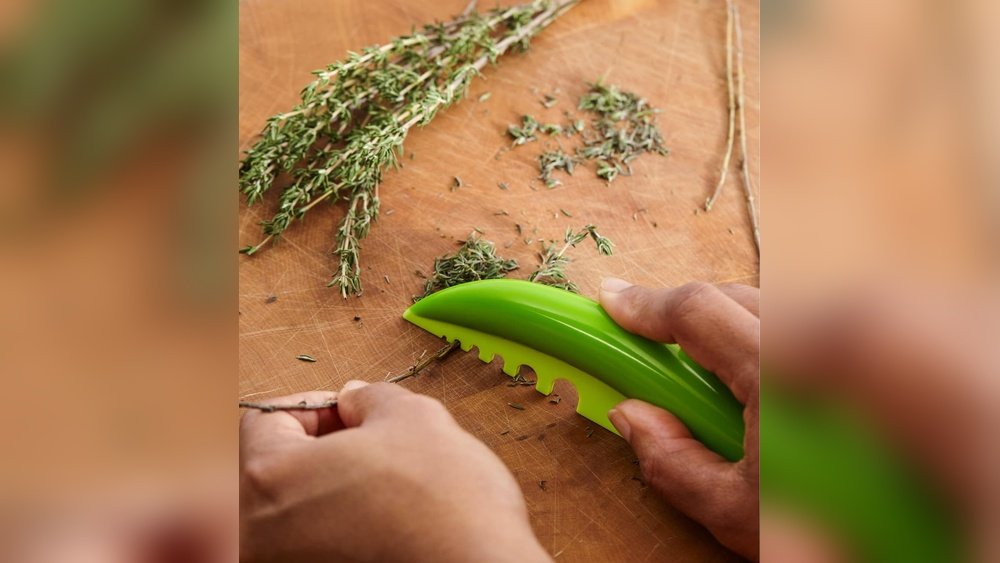
Hold the herb stem firmly with one hand near the top. Use the other hand to pull the stem through the stripper. Keep your fingers steady and close together. This grip prevents the stem from bending or breaking. A steady hand helps strip leaves quickly and neatly.
Pulling Stems Through Smoothly
Pull the herb stem slowly through the hole. A smooth, steady motion helps the leaves slide off easily. Avoid jerking or twisting the stem, which can damage the leaves. If the stem feels stuck, adjust the angle slightly. Smooth pulling keeps leaves intact and ready to use.
Stripping Different Herb Types
Using an herb stripper makes preparing fresh herbs faster and cleaner. Different herbs have different textures and stems. Knowing how to strip each type helps keep the leaves intact and ready to use. Here are tips for stripping soft, woody, and delicate herbs efficiently.
Soft Herbs Like Cilantro And Parsley
Soft herbs have tender stems that are easy to strip. Choose a medium-sized hole on the herb stripper. Insert the stem and pull it through slowly. The leaves come off without tearing. This method keeps cilantro and parsley fresh and whole.
Woody Herbs Like Rosemary And Thyme
Woody herbs have tough, thick stems. Use the largest hole on the herb stripper. Push the stem through firmly but gently. The leaves separate cleanly from the woody parts. This saves time compared to cutting leaves one by one.
Delicate Leaves Like Basil
Basil leaves are soft and break easily. Use a smaller hole to avoid damage. Insert the stem carefully and pull gently. Avoid forcing the stem to keep leaves whole. Stripping basil this way keeps the leaves fresh and ready for cooking.
Cleaning And Maintaining Your Herb Stripper
Keeping your herb stripper clean and well-maintained helps it last longer. Proper care prevents buildup and damage. This ensures smooth stripping every time. Follow simple cleaning and storage routines to protect your tool.
Easy Cleaning Methods
Rinse your herb stripper under warm water after use. Use a soft brush to remove stuck herb pieces. Avoid harsh scrubbing to protect the material. Dry it with a clean towel or let air dry. Regular cleaning stops residue from hardening.
Storage Tips
Store your herb stripper in a dry place away from direct sunlight. Keep it in a kitchen drawer or container to avoid dust. Avoid placing heavy objects on top to prevent bending. Proper storage keeps the tool ready for use.
Avoiding Common Wear Issues
Do not force large stems through small holes. This can cause cracks or breaks. Clean the tool gently to avoid scratches. Check for damage regularly and replace if needed. Careful use extends the life of your herb stripper.
Creative Uses For Herb Strippers
Herb strippers are not just for removing leaves from stems. They offer many creative uses in the kitchen and beyond. Using a herb stripper saves time and effort. It also helps keep your hands clean and your herbs fresh. Let’s explore some unique ways to use this handy tool.
Stripping Flowers For Arrangements
Herb strippers work well for delicate flower stems. They remove leaves without damaging the flowers. This makes arranging easier and neater. Stripped stems also absorb water better. Your floral displays stay fresh longer. Use a herb stripper to prepare flowers quickly for bouquets or vases.
Preparing Greens For Salads
Greens like kale, chard, and spinach have tough stems. A herb stripper removes these stems fast. It leaves only the tender leaves for salads. This tool cuts prep time significantly. The leaves stay whole and ready to eat. Perfect for fresh, crisp salads with less effort.
Crafting Herb-infused Oils
Herb strippers help you gather leaves cleanly for oils. Fresh leaves release better flavor in oils. Strip herbs like rosemary, thyme, or basil with ease. Adding them to olive oil creates tasty infusions. Use these oils for cooking or as salad dressings. Clean leaves mean pure, rich flavors without bits of stem.
Troubleshooting Common Problems
Using a herb stripper can save time and effort in the kitchen. Yet, sometimes problems arise that slow down the process. Knowing how to fix these common issues helps keep your cooking smooth. Below are simple tips to solve frequent troubles with herb strippers.
Leaves Tearing Or Sticking
Leaves may tear if you pull the stem too fast or forcefully. Try pulling slowly and gently to keep leaves whole. Sticky leaves happen when herbs are wet or oily. Dry herbs well before stripping. Clean the herb stripper regularly to avoid residue buildup that causes sticking.
Difficulty With Woody Stems
Woody stems are harder to strip. Use the larger holes on the herb stripper for thick stems. Cut the stem shorter to ease pulling. Sometimes, stripping woody herbs by hand works better. Apply less pressure to prevent breaking the stem.
Choosing Better Hole Sizes
Herb strippers often have multiple hole sizes. Match the hole size to the stem thickness. Small holes work best for thin stems like thyme. Medium holes fit parsley and cilantro. Use large holes for rosemary or thick stems. Selecting the right size makes stripping faster and cleaner.

Credit: maiamidwifery.com
Time-saving Herb Prep Tips
Preparing fresh herbs can take time, especially for large meals. Using an herb stripper speeds up the process. It removes leaves quickly, letting you focus on cooking. Follow these tips to save time and make herb prep simple and fast.
Batch Stripping Strategies
Group similar herbs together before stripping. Work on one type at a time to stay organized. Insert multiple stems into the herb stripper’s right-sized hole. Pull leaves off in one motion. Repeat until all herbs are stripped. This method reduces handling and speeds up prep.
Combining Tools For Efficiency
Pair the herb stripper with kitchen scissors or a small knife. After stripping, chop herbs directly on a cutting board. Use the scissors to cut herbs quickly into the size you need. This combo saves time and keeps your workspace tidy. It also reduces extra steps in herb preparation.
Storing Stripped Herbs Properly
Keep herbs fresh by storing them correctly after stripping. Place herbs in a glass or container with a little water at the bottom. Cover loosely with a plastic bag or wrap. Store in the fridge to maintain freshness longer. This way, herbs stay ready for cooking or garnishing anytime.

Credit: warszawa.intercontinental.com
Frequently Asked Questions
What Is An Herb Stripper And Why Use It?
An herb stripper is a kitchen tool that removes leaves from herb stems quickly. It saves time and reduces waste when preparing fresh herbs for cooking.
How Do You Use An Herb Stripper Effectively?
Insert the herb stem into the appropriately sized hole. Pull the stem through to strip leaves off easily and collect them for cooking.
Which Herbs Work Best With An Herb Stripper?
Herb strippers work well with soft herbs like cilantro, parsley, and mint. They also handle woody herbs like rosemary and thyme efficiently.
Can An Herb Stripper Be Used For Other Kitchen Tasks?
Yes, herb strippers can also help remove leaves from small stems in salads or garnish preparation, improving efficiency in the kitchen.
Conclusion
Using an herb stripper saves time and effort in the kitchen. Simply push stems through the right hole to remove leaves fast. It works well with both soft and woody herbs. This tool keeps your hands clean and your herbs ready to cook.
Practice a few times to get comfortable with it. Enjoy fresh herbs without the hassle of stripping by hand. A herb stripper makes meal prep quicker and more enjoyable. Give it a try and see the difference yourself.