How to Use Mango Slicer: Effortless Tips for Perfect Mangoes
If you love mangoes but dread the mess and hassle of cutting them, a mango slicer is about to become your new best friend. This simple kitchen tool helps you cut through the tough skin and tricky pit quickly and cleanly, turning a frustrating task into a smooth, enjoyable experience.
Imagine effortlessly separating those juicy, golden mango cheeks in seconds—no more squished fruit or sticky fingers. In this guide, you’ll learn exactly how to use a mango slicer like a pro, so you can enjoy fresh mango cubes anytime without the fuss.
Keep reading to discover tips and tricks that will make your mango prep faster, easier, and more satisfying.

Credit: www.amazon.com
Choosing A Mango Slicer
Choosing the right mango slicer makes cutting mangoes fast and safe. A good slicer fits well in your hand. It separates the flesh easily from the seed. This saves time and avoids mess. Picking the right tool improves your kitchen experience. It helps you enjoy fresh mango pieces without hassle.
Types Of Mango Slicers
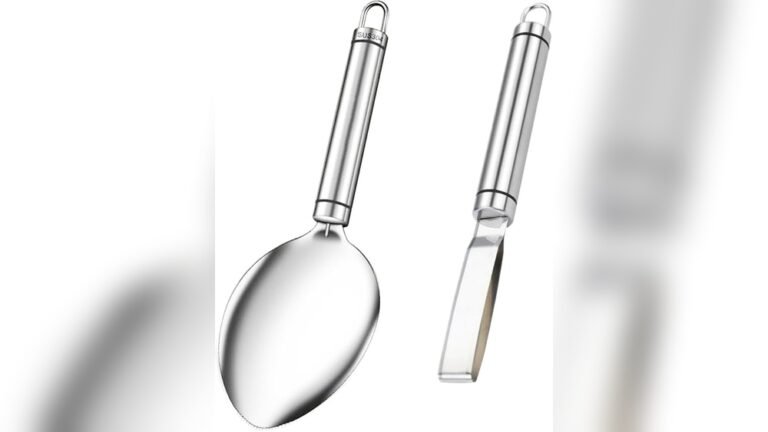
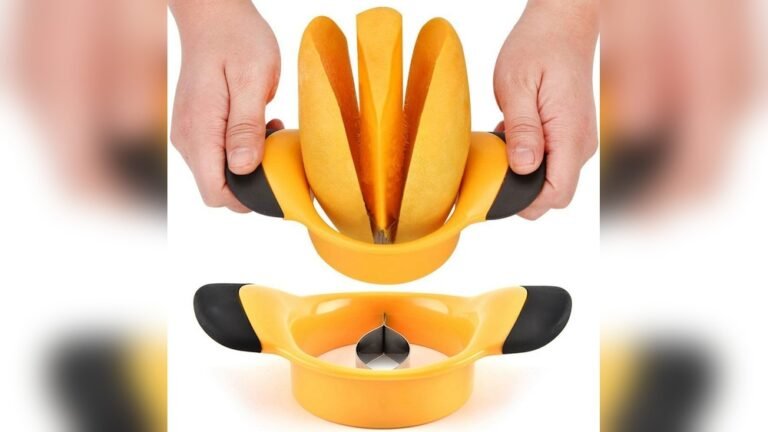
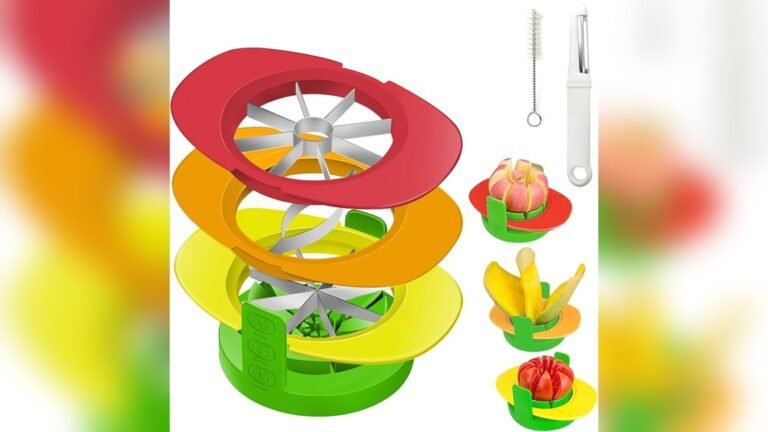
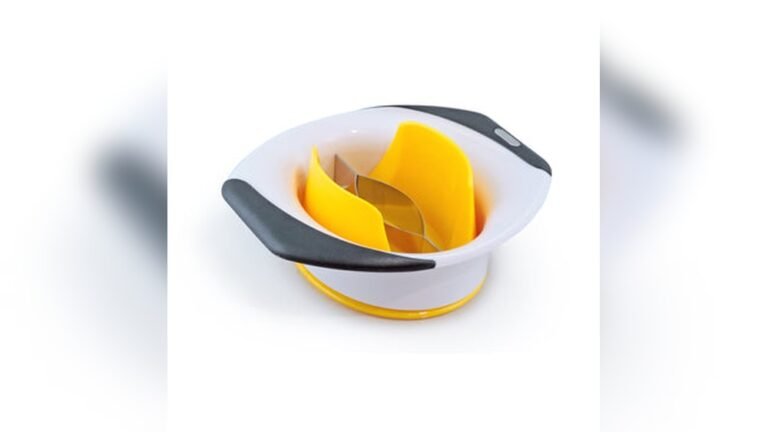
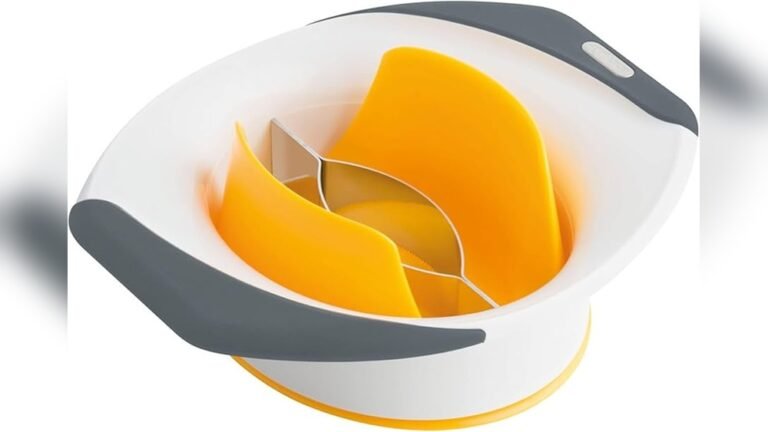
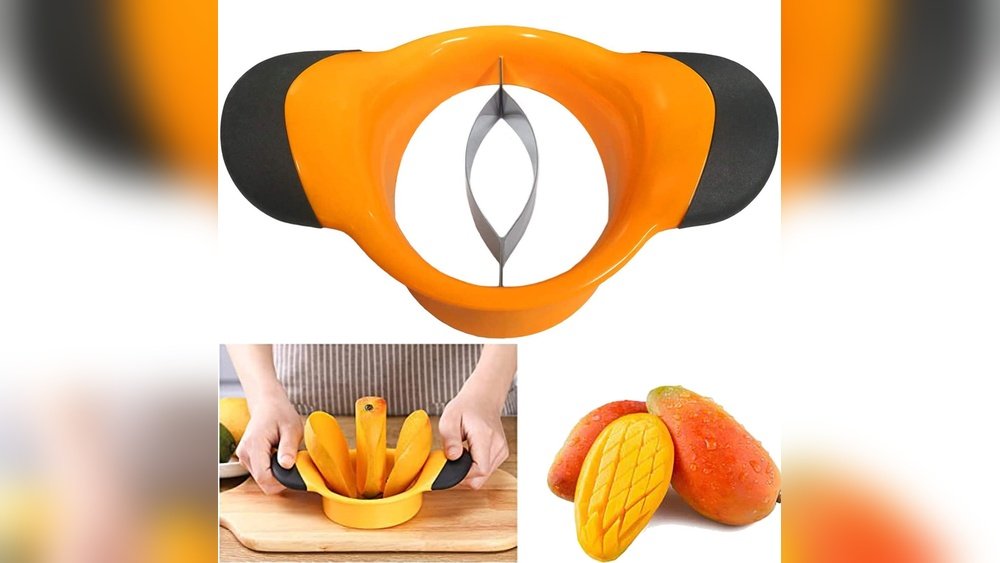
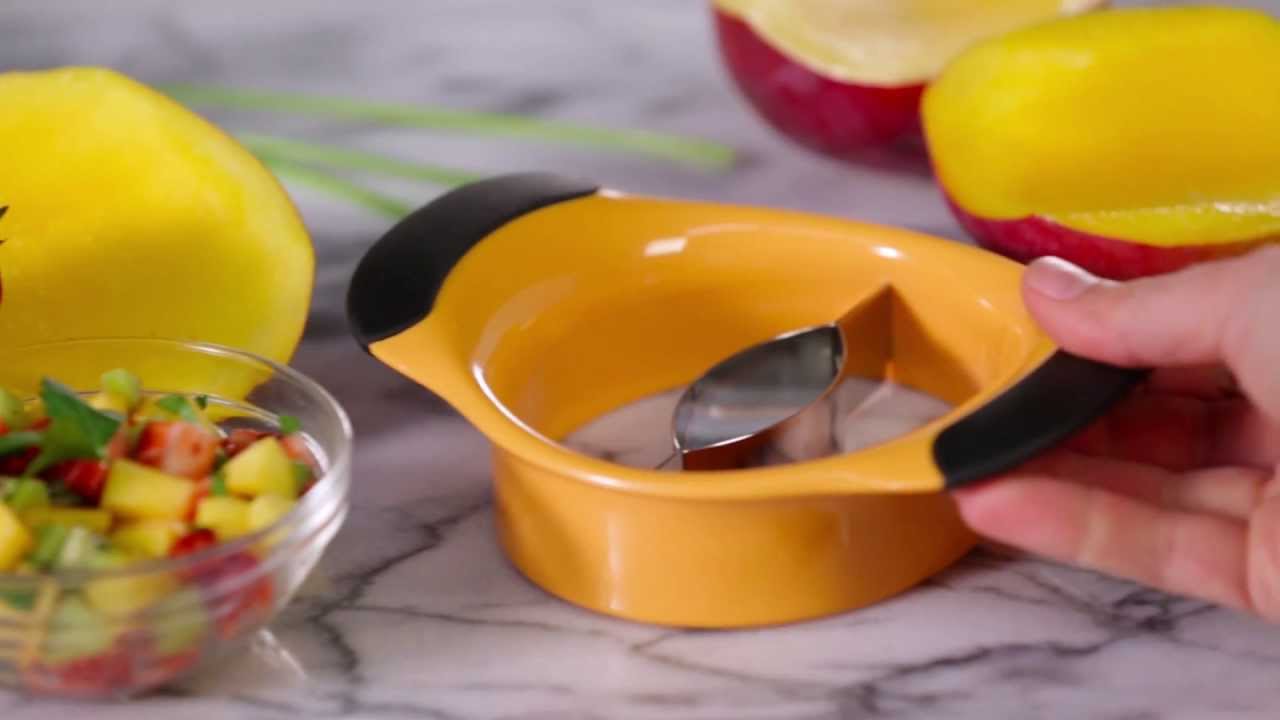
Mango slicers come in several styles. The most common type has two handles and a circular blade. This blade fits around the mango seed. Another type is a single-handle slicer with a curved blade. It lets you slice the mango cheeks precisely. Some slicers also include a peeler to remove skin. Choose the type that feels comfortable and works best for you.
Features To Look For
Look for a mango slicer with sharp blades. Sharp blades cut cleanly through the fruit. The slicer should have a sturdy, non-slip handle. This keeps your hand safe during use. Dishwasher-safe materials make cleaning easier. Lightweight slicers reduce hand strain. Also, check the size. It should fit most mangoes you buy.
Where To Buy
Mango slicers are available in many stores. Kitchen supply shops often stock them. Online marketplaces offer a wide variety. Read customer reviews to find reliable brands. Prices vary, so pick one within your budget. Buying from trusted sellers ensures quality and durability.
Preparing The Mango
Preparing the mango is the first step to using a mango slicer effectively. This step ensures the fruit is clean, safe, and ready for slicing. Proper preparation makes the slicing process easier and cleaner. Follow these simple steps to get your mango ready.
Washing The Mango
Start by rinsing the mango under cold water. Use your hands to rub the skin gently. This removes dirt, bacteria, and any pesticide residues. Dry the mango with a clean towel. Clean fruit prevents contamination during slicing and eating.
Identifying The Pit
The mango has a large, flat pit in the center. It runs from top to bottom, not side to side. Hold the mango upright with the stem facing up. Imagine the pit as a thin flat seed inside. This helps in placing the slicer correctly.
Positioning The Mango
Place the mango on a cutting board with the stem side up. Hold it steady with one hand. Align the mango slicer so the blade is centered over the pit. Press the slicer down evenly. This cuts around the pit and separates the fruit cleanly.
Using The Mango Slicer
Using the mango slicer is a quick way to cut your mango cleanly. This tool helps remove the mango flesh around the pit. It saves time and reduces mess. Follow simple steps for best results.
Aligning The Slicer
Hold the mango upright on a cutting board. Place the slicer over the top of the mango. Make sure the blade lines up with the center pit. The blade should fit evenly on both sides. Proper alignment helps cut smoothly and avoid waste.
Applying Pressure Safely
Press the slicer down firmly with both hands. Use steady, even pressure to push through the mango flesh. Avoid sudden or forceful pushes to prevent slipping. Keep fingers away from the blade for safety. Applying pressure this way splits the mango without damage.
Separating The Halves
Lift the slicer off the mango once it cuts through. You will see two mango halves separated by the pit. Hold the mango halves gently to keep the fruit intact. Remove the pit left in the slicer or on the board. Now the mango is ready for peeling or slicing further.
Scooping And Serving
The scooping and serving stage is the most satisfying part of using a mango slicer. It lets you enjoy perfectly cut mango pieces without any mess. This step is simple and quick. You get neat cubes ready to eat or add to recipes.
Scoring The Mango Flesh
After slicing the mango cheeks with the slicer, place one cheek on a cutting board. Use a knife to score the mango flesh. Make straight cuts vertically, then horizontally. Be careful not to cut through the skin. This creates a grid pattern of cubes.
Inverting The Skin
Hold the scored mango cheek gently. Push the skin from the bottom with your fingers. The mango cubes will pop out, turning the skin inside out. This makes the cubes easy to access and looks great on a plate. It also helps separate the mango pieces without waste.
Scoop Out Cubes With Ease
Use a spoon or knife to scoop out the mango cubes. They come out easily after inverting the skin. Scoop carefully to keep the cubes intact. Now, your mango is ready to serve fresh, in salads, or desserts. Enjoy a mess-free and tasty mango experience.
Handling The Mango Pit
Handling the mango pit is a key step after slicing the cheeks. The pit holds some tasty mango flesh that you don’t want to waste. Removing the flesh from the pit needs care to avoid cutting yourself or losing edible fruit.
Using a mango slicer leaves the pit mostly clean, but some flesh remains stuck. This part requires simple techniques to get the most from your mango. Let’s look at easy ways to handle the mango pit effectively.
Peeling Remaining Flesh
Hold the mango pit firmly in one hand. Use your fingers or a small spoon to peel off the thin skin around it. The skin is tough but easy to remove once loosened.
After peeling, gently scrape off the remaining mango flesh. The flesh is soft and juicy, so scrape carefully. This way, you get extra mango without much effort.
Using A Knife For Leftovers
Place the mango pit on a cutting board. Use a small, sharp knife to carefully cut off any leftover flesh.
Cut thin slices close to the pit. Avoid cutting into the hard seed inside. Work slowly to remove all edible parts.
Using a knife helps you get every bit of fruit. It also keeps your hands safe from slips or cuts.
Credit: www.youtube.com
Alternative Cutting Methods
Alternative cutting methods help enjoy mangoes without special tools. These ways work well when a mango slicer is unavailable. They also offer simple, easy techniques to prepare mangoes quickly.
Using A Glass To Separate Flesh
Choose a sturdy glass with a smooth rim. Cut the mango cheeks away from the pit first. Hold the mango cheek in one hand.
Place the glass edge between the flesh and skin. Push the glass down along the curve of the mango. The flesh will separate and slide into the glass.
This method keeps the mango intact and reduces mess. It is gentle and works well for ripe mangoes.
Traditional Knife Techniques
Stand the mango upright on a cutting board. Cut the two cheeks off, staying close to the pit. Make sure to avoid the hard seed in the center.
Score the flesh in a grid pattern without cutting through the skin. Use the knife to carefully slice vertical and horizontal lines. Push the skin side up, so cubes pop out.
Use a spoon or knife to scoop out the mango cubes. This classic method works with any mango type. It requires only a sharp knife and some practice.
Tips For Slippery Mangoes
Mangoes can be tricky to handle because their skin is smooth and the fruit is slippery. Using a mango slicer requires extra care to avoid slipping and accidents. These tips will help you keep the mango steady and cut safely.
Stabilizing The Fruit
Place the mango on a flat surface to keep it steady. Use a kitchen towel to hold the mango firmly. This prevents the fruit from sliding while slicing. Avoid holding the mango in your hand during cutting. A steady mango makes slicing easier and safer.
Safe Cutting Practices
Press the mango slicer down slowly and evenly. Avoid using too much force to reduce slipping. Keep your fingers away from the blade edges. Cut on a clean, dry surface to prevent accidents. Always check the slicer for any damage before use. Careful cutting protects your hands and makes the process smooth.
Cleaning And Maintaining Your Slicer
Cleaning and maintaining your mango slicer keeps it working well for a long time. Proper care prevents rust and keeps the blades sharp. It also stops fruit residue from building up, which can cause odors or bacteria growth.
Regular cleaning after every use is important. Pay attention to all parts, including the blade and handle. Follow simple steps to wash and store your slicer correctly. This helps maintain its quality and safety.
Proper Washing Techniques
Rinse the slicer immediately after use to remove mango juice and pulp. Use warm water and mild dish soap for cleaning. Avoid harsh chemicals that can damage the blade or plastic parts.
Use a soft sponge or brush to clean hard-to-reach areas carefully. Do not use abrasive pads that can scratch the surface. Rinse thoroughly to remove all soap residue.
Dry the slicer with a clean cloth or let it air dry completely. Moisture left on the blade can cause rust or dullness. Make sure no water stays in the handle or crevices.
Storage Tips
Store the mango slicer in a dry place to avoid moisture damage. Use a protective cover if available to keep the blade safe and clean. Avoid placing heavy items on top of the slicer.
Keep the slicer away from children’s reach for safety reasons. A kitchen drawer with organized compartments works well. Regularly check the slicer for any signs of wear or damage.
Proper storage helps maintain the slicer’s sharpness and extends its life. A well-kept slicer is ready to use whenever you want fresh mangoes.
Common Mistakes To Avoid
Using a mango slicer is simple, but some common mistakes can make the process harder. Avoid these errors to get clean cuts and save time. Pay attention to how you position the slicer and how much pressure you use.
Cutting Too Close To The Pit
The mango pit is large and flat. Cutting too close to it can damage your slicer. It also wastes edible fruit. Keep the slicer about a quarter-inch away from the center. This helps you avoid hitting the pit and keeps the mango flesh intact.
Applying Uneven Pressure
Pressing unevenly can cause the slicer to slip or break the fruit. Use steady, even pressure with both hands. This helps the slicer glide through the mango smoothly. Uneven force can lead to jagged edges and wasted fruit.

Credit: www.amazon.com
Frequently Asked Questions
How Do You Use A Mango Slicer?
Hold the mango firmly. Align the slicer with the pit’s edges. Press down evenly to split mango cheeks. Remove slicer and enjoy clean mango halves.
What Is The Correct Way To Slice A Mango?
Wash the mango, stand it upright, and slice off the cheeks around the pit. Score the flesh in a grid without cutting the skin. Push the skin inside out to pop out cubes, then scoop or eat. Peel and slice remaining flesh from the pit.
Is There A Trick To Cutting A Slippery Mango?
Hold the mango firmly on a cutting board. Slice off the two cheeks around the pit. Score the flesh without cutting the skin. Push the skin inside out to pop out cubes. Use a spoon to scoop or peel and cut remaining flesh carefully.
How To Use Pampered Chef Mango Cutter?
Hold the mango cutter over the fruit’s center. Press down firmly through the skin. Twist slightly to separate halves. Remove the pit and enjoy perfectly sliced mango.
Conclusion
Using a mango slicer makes cutting mangoes quick and simple. It helps separate the flesh from the pit cleanly. Just press the slicer down through the mango and twist slightly. You get two neat halves ready to eat or cube.
This tool saves time and reduces mess. Enjoy fresh mango pieces without hassle or waste. Practice a few times to get comfortable with the motion. Soon, slicing mangoes will feel easy and fun. Give it a try and enjoy juicy mango slices anytime.