How to Use Tomato Slicer: Effortless Tips for Perfect Slices
Slicing tomatoes might seem simple, but if you’ve ever ended up with squished, uneven pieces, you know it’s trickier than it looks. That’s where a tomato slicer comes in—your secret weapon for perfect, even slices every time.
Whether you’re preparing a fresh salad, topping a burger, or crafting a sandwich, using a tomato slicer will save you time and frustration. In this guide, you’ll discover exactly how to use a tomato slicer to get clean, uniform cuts without the mess or hassle.
Ready to make your tomato prep effortless and precise? Let’s dive in!
Credit: www.webstaurantstore.com
Choosing The Right Tomato Slicer
Choosing the right tomato slicer makes slicing tomatoes easier and faster. A good slicer gives clean, even cuts without crushing the tomato. Picking the best one depends on your needs and kitchen style. Consider the type, material, and size before buying.
Types Of Tomato Slicers
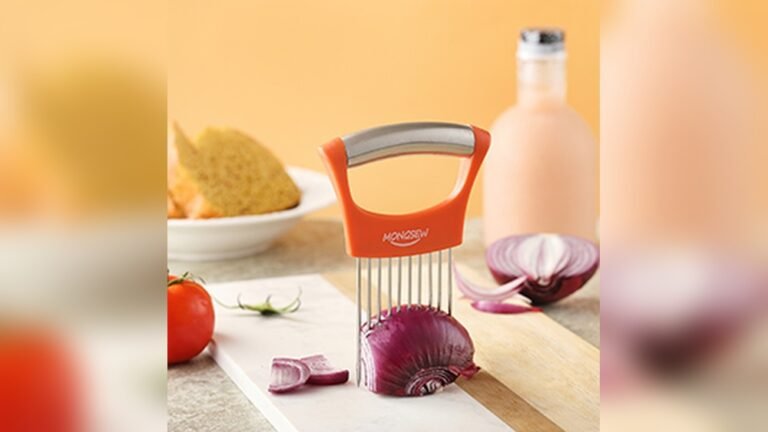
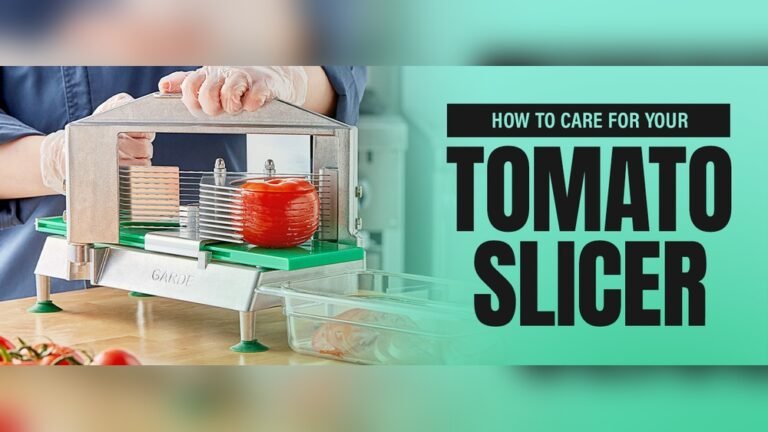
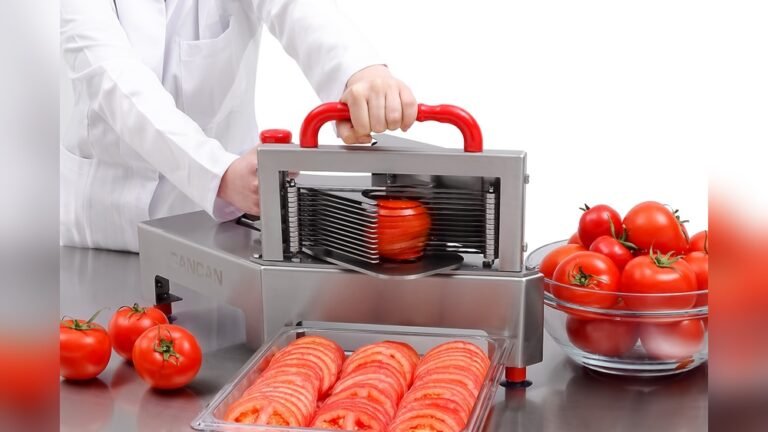
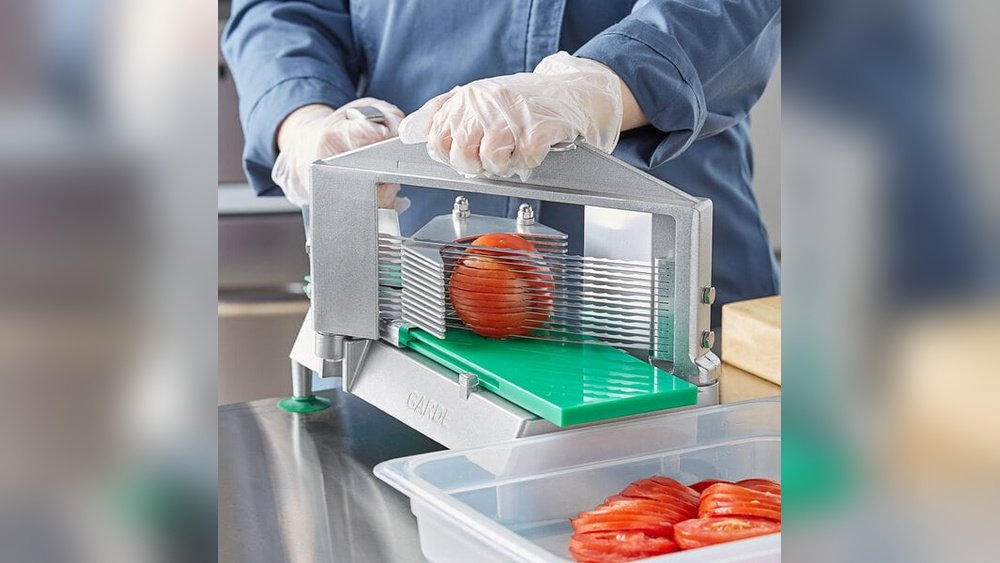
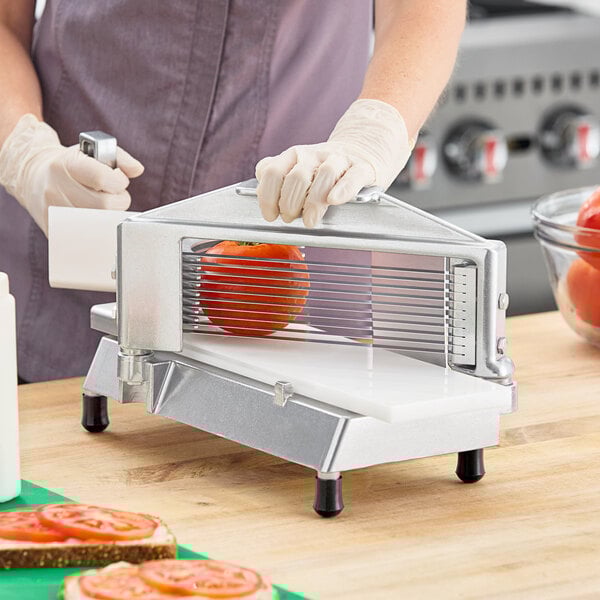
Tomato slicers come in different styles. Some look like a simple wire cutter with handles. Others have a frame with parallel blades to slice many tomatoes at once. There are also handheld slicers that resemble a small knife. Each type offers a unique way to slice tomatoes quickly and neatly.
Material And Build Quality
Look for slicers made of stainless steel or strong plastic. Stainless steel blades stay sharp longer and resist rust. Handles should be sturdy and comfortable to hold. Avoid slicers with cheap plastic parts that break easily. A well-built slicer will last longer and give better results.
Size And Slice Thickness Options
Choose a slicer size that fits your tomatoes. Some slicers work better with small tomatoes, while others handle large ones. Check if the slicer lets you adjust slice thickness. Adjustable thickness helps you cut slices for sandwiches or salads. Fixed thickness slicers often give uniform slices fast.
Preparing Tomatoes For Slicing
Preparing tomatoes for slicing ensures clean, even pieces every time. Proper preparation preserves the tomato’s flavor and texture. It also makes slicing easier and safer. Follow simple steps to get the best results with your tomato slicer.
Selecting Fresh Tomatoes
Choose tomatoes that are firm but slightly soft to touch. Avoid tomatoes with bruises or cracks. Fresh tomatoes hold their shape well when sliced. Look for vibrant color and smooth skin. These signs show the tomato is ripe and ready.
Washing And Drying
Wash tomatoes under cool running water to remove dirt and pesticides. Gently rub the surface with your hands. Do not use soap or chemicals. After washing, pat tomatoes dry with a clean towel. Dry tomatoes slice more cleanly and prevent slipping.
Room Temperature Vs Refrigerated
Tomatoes taste best and slice easily at room temperature. Cold tomatoes from the fridge can be hard and flavorless. Let refrigerated tomatoes sit out for about 30 minutes before slicing. This helps restore their natural texture and taste.
Slicing Techniques
Slicing tomatoes evenly and safely requires the right techniques. Using a tomato slicer properly helps create perfect slices for salads, sandwiches, and burgers. Below are key slicing methods to improve your tomato cutting skills.
Positioning The Tomato
Place the tomato on a flat, stable surface. Hold it gently but firmly to avoid squashing. Align the tomato slicer evenly over the top. Centering the tomato under the slicer ensures uniform slices. Keep the tomato steady during cutting for best results.
Using The Slicer Safely
Use slow, controlled pressure when pressing the slicer down. Avoid forcing the slicer too hard to prevent slipping. Keep fingers away from the blades at all times. Use a cutting board to protect your countertop. Clean the slicer carefully after use to avoid accidents.
Vertical Vs Horizontal Slicing
Vertical slicing cuts the tomato from top to bottom. It is good for thick slices and burger toppings. Horizontal slicing cuts across the tomato’s width. This method is useful for thinner, even slices. Choose the style based on your recipe and presentation needs.
Common Mistakes To Avoid
Using a tomato slicer can make slicing tomatoes fast and easy. Avoiding common mistakes helps you get perfect slices every time. These errors can cause uneven cuts, squished tomatoes, or even injuries. Pay attention to these tips to improve your slicing skills.
Using A Dull Blade
A dull blade tears the tomato instead of slicing it cleanly. This can crush the tomato and release too much juice. Dull blades also require more force, increasing the risk of slipping. Always use a sharp blade for smooth, even slices. Regularly sharpen or replace the blade to keep it effective.
Applying Too Much Pressure
Pressing too hard can squash the tomato and ruin its shape. Tomatoes are soft and need gentle handling. Let the slicer do the work by applying light, steady pressure. Too much force makes slices uneven and messy. Keep your hands steady and avoid pushing down too fast.
Incorrect Tomato Placement
Placing the tomato wrong can cause uneven slices or damage the slicer. Always center the tomato in the slicer slots. Make sure it sits flat and stable before cutting. Holding the tomato firmly prevents it from moving during slicing. Proper placement ensures clean cuts and safer use.
Cleaning And Maintenance
Keeping your tomato slicer clean and well-maintained ensures it works smoothly every time. Proper care prevents rust and keeps the blades sharp. This section guides you through simple cleaning and maintenance steps.
Disassembling The Slicer
Remove all parts carefully before cleaning. Most slicers have blades that can be detached. Check the user manual for specific instructions. Take care with sharp edges to avoid cuts. Separate the handle, blades, and frame if possible. This allows thorough cleaning of all components.
Hand Washing Vs Dishwasher
Hand wash the slicer with warm, soapy water. Use a soft brush to clean the blades and slots. Rinse well and dry immediately to avoid rust. Some slicers are dishwasher safe, but check the label first. Dishwasher heat may dull the blades or damage plastic parts. Hand washing usually extends the slicer’s life.
Sharpening And Blade Care
Keep blades sharp for clean, even tomato slices. Use a sharpening stone or a blade sharpener designed for serrated edges. Sharpen blades gently to avoid damage. Wipe blades dry after each use to prevent rust. Store the slicer in a dry place, away from moisture.
Alternative Uses For Tomato Slicer
The tomato slicer is a handy tool beyond just slicing tomatoes. It helps save time and effort with many kitchen tasks. Explore other ways to use it for soft fruits and meal prep. This tool can bring ease and creativity to your cooking.
Slicing Other Soft Fruits
The tomato slicer works well with soft fruits like strawberries, kiwis, and peaches. It cuts even slices quickly without crushing the fruit. Use it to prepare fruit for snacks, desserts, or garnishes. The slicer keeps the shape and texture intact.
Preparing Ingredients For Salads
Use the tomato slicer to cut cucumbers, mushrooms, and boiled eggs for salads. It creates uniform slices that look great on the plate. This tool speeds up salad prep and makes your dishes look professional. It also reduces the risk of uneven cuts.
Creative Kitchen Hacks
Try the tomato slicer for slicing mozzarella cheese for sandwiches or pizza. It works well for soft cheese without crumbling. Another hack is using it to cut sandwiches or burgers evenly. This tool helps keep kitchen tasks simple and efficient.
Tips For Perfect Tomato Slices
Perfect tomato slices enhance the taste and look of any dish. Using a tomato slicer can make this task quick and easy. Follow these tips to get clean, even slices every time. Small details matter for delicious results.
Choosing Slice Thickness
Decide how thick you want your slices before slicing. Thin slices work well for salads and sandwiches. Thicker slices suit burgers and grilling. Most tomato slicers let you control thickness. Adjust the slicer settings or use different blades. Consistent thickness helps the tomato cook evenly and look better.
Avoiding Juice Leakage
Slice tomatoes gently to keep juices inside. Use a sharp blade to prevent crushing the tomato. Slice horizontally for less juice loss. Avoid pressing down too hard. Place the tomato on a flat surface while slicing. This keeps the tomato stable and reduces juice spills. Chill tomatoes before slicing to firm them up.
Presentation Ideas
Arrange slices neatly on a plate for eye appeal. Overlap slices slightly for a layered look. Sprinkle salt or herbs on top for extra flavor. Use slices in colorful salads or sandwiches. Garnish with fresh basil or parsley leaves. Presentation makes your dish more inviting and tasty.

Credit: www.youtube.com

Credit: www.amazon.com
Frequently Asked Questions
How To Slice Tomatoes With A Slicer?
Place the tomato in the slicer. Hold it firmly and press down evenly. Slice through with steady pressure for uniform pieces. Clean the slicer after use.
What Are Common Mistakes When Slicing Tomatoes?
Common mistakes include using a dull knife, slicing too quickly, cutting unevenly, and not stabilizing the tomato properly. These cause bruising and juice loss.
Should You Slice Tomatoes Vertically Or Horizontally?
Slice tomatoes horizontally for even, clean slices and easier handling. This method prevents juice leakage and keeps slices intact.
When Slicing Tomatoes, What Is The Correct Knife You Should Use?
Use a sharp serrated knife or a tomato slicer for clean, precise tomato slices without crushing the fruit.
Conclusion
Using a tomato slicer makes cutting tomatoes quick and simple. It helps create even slices without crushing the fruit. Remember to use the slicer on soft produce only. Clean the slicer carefully after each use to keep it sharp and safe.
With practice, slicing tomatoes becomes easier and more enjoyable. This tool saves time in the kitchen and improves your cooking experience. Try it today and see how much smoother meal prep can be.