How to Use Vegetable Spiralizer: Easy Tips for Healthy Meals
If you’re looking to add a fresh, fun twist to your meals, a vegetable spiralizer is your new best friend. Imagine turning ordinary veggies into beautiful, curly noodles or ribbons in seconds—without any hassle.
Whether you want to make healthier pasta alternatives, creative salads, or eye-catching garnishes, mastering your spiralizer can transform your cooking game. In this guide, you’ll discover simple, step-by-step tips on how to use a vegetable spiralizer like a pro, so you can impress your taste buds and guests alike.
Ready to unlock the full potential of your veggies? Let’s dive in!
Choosing Vegetables
Choosing the right vegetables is key to making the most of your vegetable spiralizer. Different vegetables create different textures and flavors in your dishes. Some vegetables spiralize easily, while others need more preparation. Knowing which vegetables work best helps you enjoy crisp, beautiful noodles every time.
Vegetables with firm flesh and a cylindrical shape usually spiralize well. Softer or irregularly shaped vegetables may not hold their form. Selecting fresh, firm produce also ensures better results and longer-lasting noodles.
Best Veggies For Spiralizing
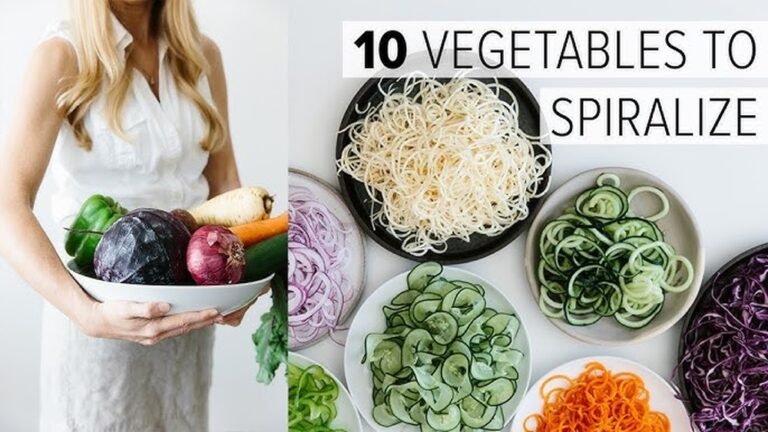
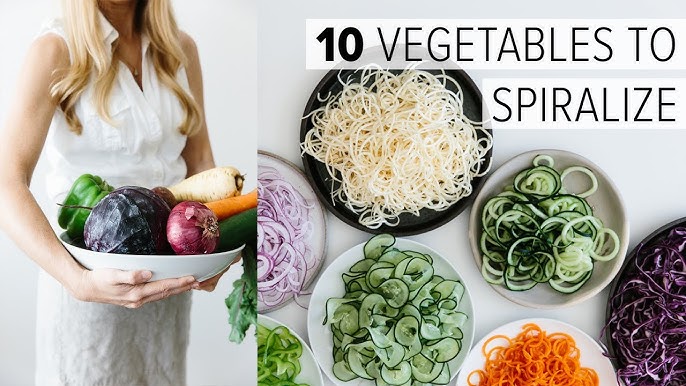
Zucchini is the top choice for spiralizing. It is firm and holds its shape well. Carrots also work great and add a sweet crunch. Cucumbers create fresh, crisp ribbons perfect for salads. Sweet potatoes offer a dense texture and a rich flavor. Beets provide deep color and earthy taste. Avoid very soft or watery vegetables as they may break apart.
Peeling Or Not Peeling
Peeling vegetables depends on personal preference and recipe needs. Many vegetables, like zucchini and carrots, have edible skin full of nutrients. Leaving the skin on saves time and adds color. Peeling can create a smoother texture or lighter appearance. For tougher skins, like sweet potatoes, peeling may be necessary. Always wash vegetables well before spiralizing.
Preparing Vegetables
Prepare vegetables by trimming the ends to create flat surfaces. This helps the vegetable fit securely in the spiralizer. Remove any blemishes or spots. Cut large vegetables into sections if they do not fit the spiralizer. Dry vegetables thoroughly to prevent slipping. Proper preparation ensures clean, even spirals every time.

Credit: www.amazon.com
Spiralizer Types
Vegetable spiralizers come in different styles to suit various kitchen needs. Choosing the right type helps make spiralizing easier and more fun. Each type has unique features and ways to use it. Understanding these can help you pick the best spiralizer for your cooking style.
Handheld Spiralizers
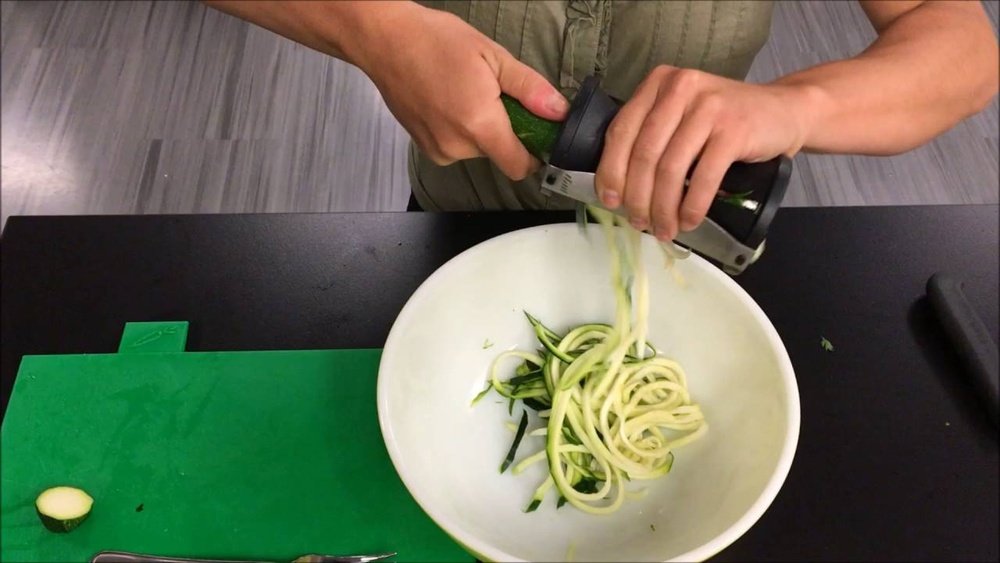
Handheld spiralizers are small and easy to use. They fit comfortably in your hand. You simply twist the vegetable against the blade. They work best for soft vegetables like cucumbers and carrots. These spiralizers are easy to clean and store. They are perfect for quick, simple spiralizing tasks.
Countertop Spiralizers
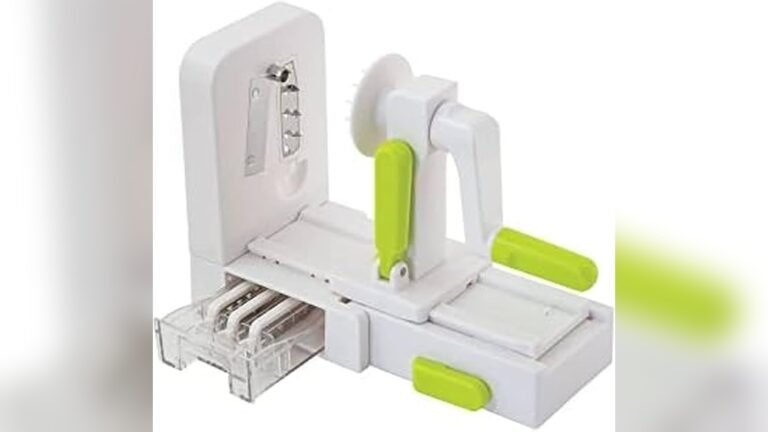
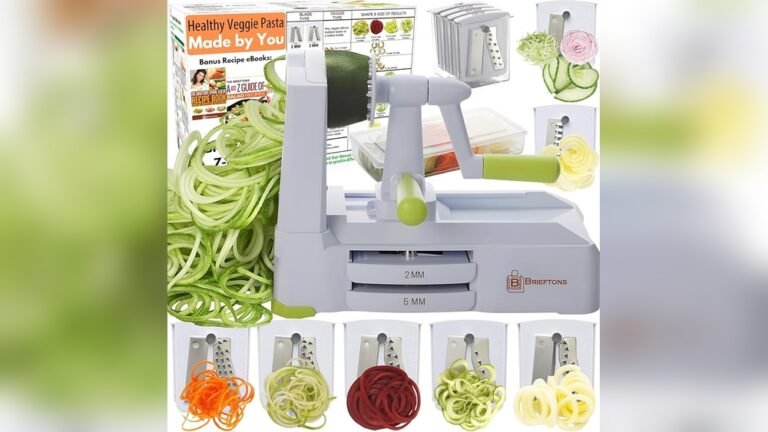
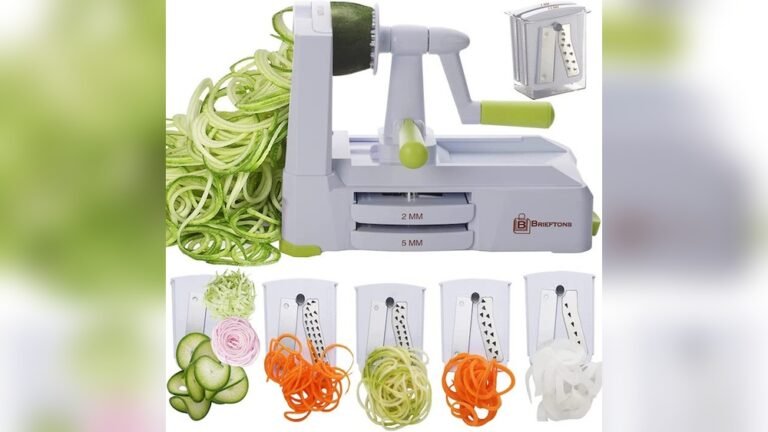
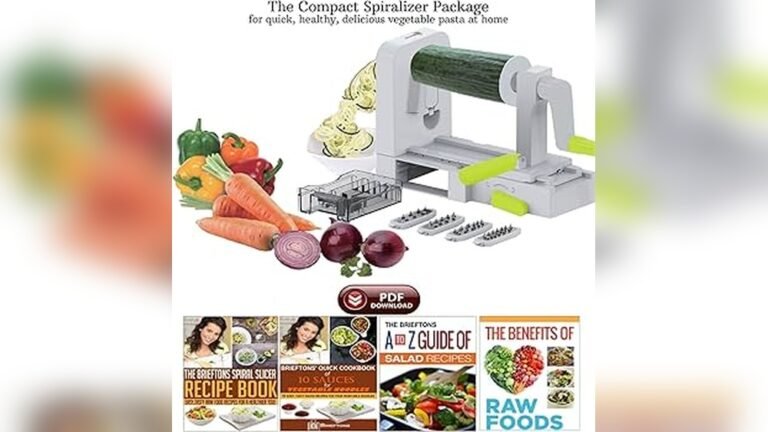
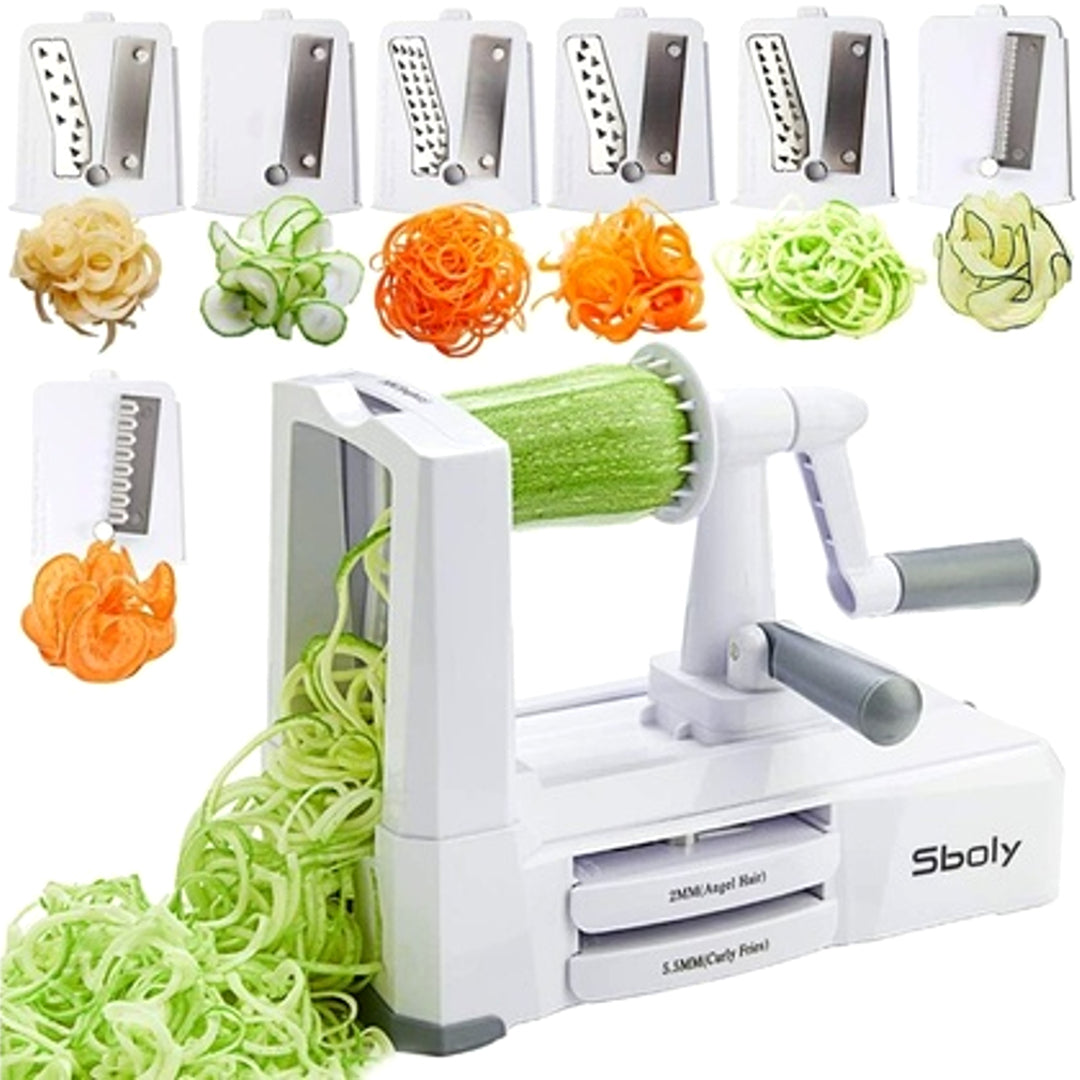
Countertop spiralizers are larger and sit on your kitchen counter. They usually have a crank handle to turn the vegetable. These spiralizers can handle harder vegetables like zucchini and sweet potatoes. They offer multiple blade options for different noodle shapes. Countertop models are stable and good for bigger quantities.
Electric Spiralizers
Electric spiralizers work with the push of a button. They do the hard work automatically. These machines are fast and efficient for regular use. Electric spiralizers often come with several blade choices. They are ideal for people who spiralize large amounts of vegetables. Cleaning can be a bit more detailed than other types.
Using The Spiralizer
Using a vegetable spiralizer makes preparing fresh, healthy meals quick and fun. This tool turns firm vegetables into thin, curly strands that look like noodles. These veggie noodles add color and texture to salads, stir-fries, and soups. Understanding how to use your spiralizer properly ensures safety and the best results. Follow these steps to get started.
Setting Up The Spiralizer
Place the spiralizer on a clean, flat surface. Secure it by pressing the suction base firmly. Attach the blade that fits your vegetable shape. Firm vegetables like zucchini or carrots work best. Adjust the blade holder to fit the vegetable size. Make sure all parts are stable before starting.
Safe Spiralizing Techniques
Hold the vegetable firmly against the blade. Turn the handle slowly with steady pressure. Keep your fingers away from the blades. Use the food holder to protect your hands. Stop spiralizing when the vegetable becomes too small to hold. This prevents accidents and keeps the blade sharp.
Cleaning And Maintenance
Disassemble the spiralizer carefully after use. Rinse the blades under warm water immediately. Use a small brush to remove stuck pieces. Wash all parts with mild soap and dry thoroughly. Store the spiralizer in a dry place to avoid rust. Regular cleaning extends the tool’s life and performance.
Recipe Ideas
Using a vegetable spiralizer opens many tasty meal options. Spiralized veggies add fun shapes and fresh flavors. Try simple recipes to enjoy healthy, colorful dishes. Here are a few easy ideas to start with.
Zucchini Noodles (zoodles)
Zoodles are a popular, low-carb alternative to pasta. Spiralize fresh zucchini to create long, thin noodles. Toss them with olive oil, garlic, and cherry tomatoes. Cook briefly in a pan for a soft texture. Top with parmesan or fresh basil for extra taste.
Vegetable Ribbon Salads
Use the straight blade to make thin vegetable ribbons. Combine cucumbers, carrots, and beets for a vibrant salad. Add lemon juice, olive oil, salt, and pepper for dressing. Sprinkle with nuts or seeds for crunch. Serve chilled for a refreshing side dish.
Spiralized Stir-fries
Spiralized vegetables cook quickly and keep a nice crunch. Use carrots, zucchini, and sweet potatoes for colorful stir-fries. Heat oil in a pan and add garlic and ginger. Stir-fry the spiralized veggies for 3-5 minutes. Finish with soy sauce or your favorite spices.
Storage And Serving
Proper storage and serving methods keep your spiralized vegetables fresh and tasty. Handling them right preserves texture and flavor. It also helps you enjoy your veggie noodles or ribbons longer. Follow simple tips to store, serve, and reuse spiralized veggies effectively.
Keeping Spiralized Veggies Fresh
Spiralized vegetables tend to release water quickly. Store them in an airtight container to reduce moisture. Line the container with a paper towel to absorb excess water. Keep the container in the fridge and use the veggies within two days. Avoid leaving spiralized veggies out at room temperature. This prevents wilting and spoilage. For best results, spiralize just before serving.
Serving Suggestions
Spiralized veggies work well in many dishes. Use them as a base for pasta sauces or stir-fries. Add them to salads for a fresh, crunchy texture. Toss with olive oil, lemon juice, salt, and pepper for a simple side. You can also lightly sauté them for a warm dish. Experiment with different vegetables like zucchini, carrots, or cucumbers. Serve spiralized veggies immediately for the best taste.
Using Leftovers
Leftover spiralized vegetables can be reused creatively. Add them to soups or stews for extra nutrition. Mix them into omelets or frittatas for a veggie boost. Use as a filling for wraps or sandwiches. Freeze leftover spiralized veggies in small portions for later use. Thaw and cook them gently to keep their texture. Avoid overcooking to maintain flavor and nutrients.
Credit: www.youtube.com
Tips For Success
Using a vegetable spiralizer can be simple and fun with the right approach. Small tips help you get the best results every time. These tips avoid frustration and bring out the best in your veggies. Follow these pointers to improve your spiralizing experience and enjoy fresh, tasty vegetable noodles.
Avoiding Common Mistakes
Start with firm, fresh vegetables for easy spiralizing. Soft or old vegetables may break or not spiral well. Secure the vegetable tightly on the spiralizer to prevent slipping. Use the correct blade size for the vegetable type and desired noodle thickness. Clean the spiralizer after each use to keep blades sharp and safe. Avoid forcing the vegetable through; gentle pressure works best. Cut large vegetables into smaller pieces if they do not fit the spiralizer properly.
Enhancing Texture And Flavor
To improve texture, salt the spiralized vegetables lightly and let them sit for 10 minutes. This removes extra moisture and prevents sogginess. Rinse and pat dry before cooking or serving. Toss noodles with a little olive oil or dressing to add flavor and avoid sticking. Cook spiralized vegetables briefly to keep a slight crunch and vibrant color. Add herbs, spices, or a squeeze of lemon to enhance the fresh taste.
Creative Spiralizing Uses
Use your spiralizer for more than zucchini noodles. Try carrots, cucumbers, sweet potatoes, or beets for colorful salads. Create veggie ribbons for wraps or garnishes. Spiralize potatoes for crispy homemade fries or chips. Mix different spiralized veggies to add variety and nutrition to your meals. Experiment with raw or cooked spiralized vegetables in soups, stir-fries, or pasta dishes for new textures and flavors.
Credit: lexihome.com
Frequently Asked Questions
How To Use A Vegetable Spiralizer?
Secure the vegetable in the spiralizer. Turn the handle or twist the vegetable to create noodles. Use different blades for various shapes. Collect spirals carefully and clean the tool after use. Enjoy fresh, healthy veggie noodles in your meals.
Do You Need To Peel Zucchini Before Spiralizing?
No, you don’t need to peel zucchini before spiralizing. The skin is edible, nutritious, and adds color. Peeling is optional for a smoother texture or lighter appearance.
What Are The Top 5 Veggies People Spiralize?
The top 5 veggies people spiralize are zucchini, carrots, cucumbers, sweet potatoes, and beets. These create healthy, colorful noodles.
Are Vegetable Spiralizers Worth It?
Vegetable spiralizers save time and encourage healthy eating by turning veggies into fun, low-carb noodles. They suit meal prep and variety lovers.
Conclusion
Using a vegetable spiralizer makes cooking fresh and fun. It turns veggies into noodles quickly and easily. You can try different vegetables for variety and taste. Spiralized veggies add color and texture to your meals. Clean the spiralizer right after use to keep it working well.
Enjoy healthy dishes that look and taste great. Keep practicing to find your favorite spiralized recipes. Simple tools like this make healthy eating more enjoyable every day.