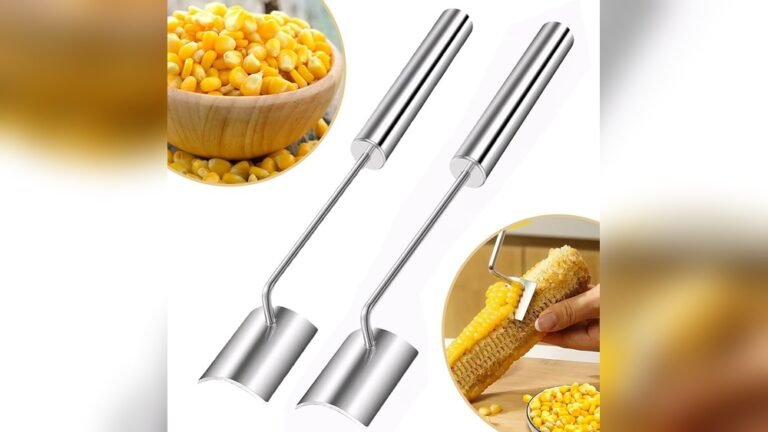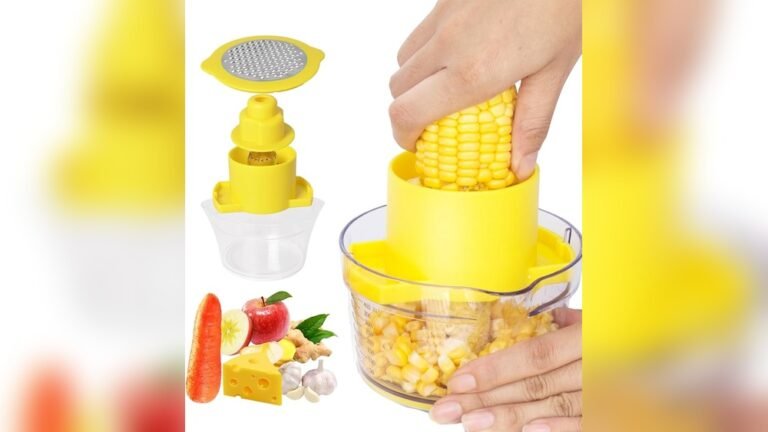
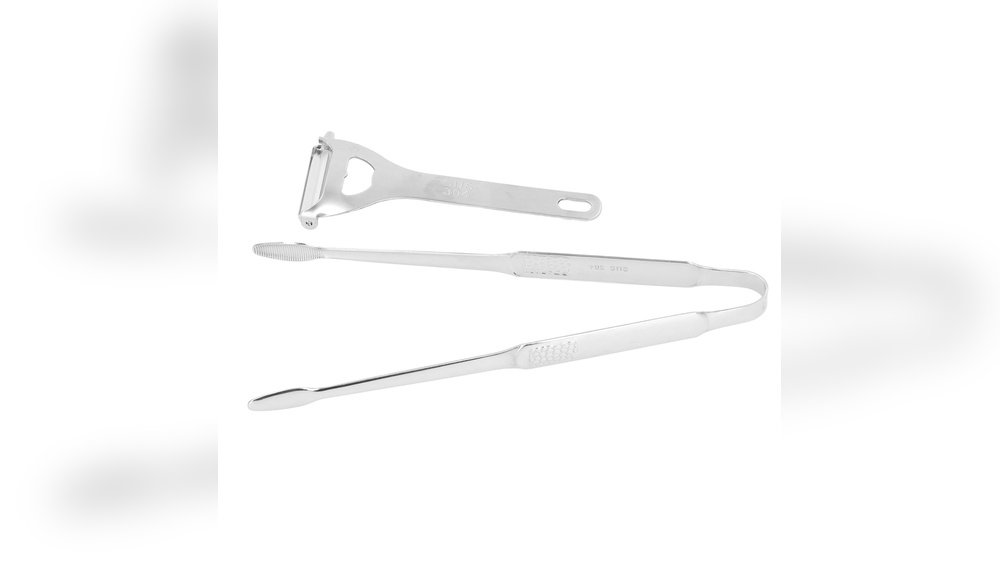
Maintenance Tips for Corn Stripper: Boost Efficiency & Longevity
If you rely on a corn stripper to make your corn prep faster and cleaner, keeping it in top shape is key. You don’t want your tool to slow you down or cause frustration when it’s time to strip those kernels.
By following a few simple maintenance tips, you can ensure your corn stripper works smoothly every time and lasts for years. Ready to learn how to care for your corn stripper like a pro? Keep reading—your next batch of perfectly stripped corn depends on it!
Choosing The Right Corn Stripper
Choosing the right corn stripper can save time and effort during corn preparation. The right tool makes stripping kernels easier and cleaner. This choice depends on your needs, budget, and how often you strip corn. Understanding the options helps you pick the best one for your kitchen or farm.
Top Tools Recommended By Experts
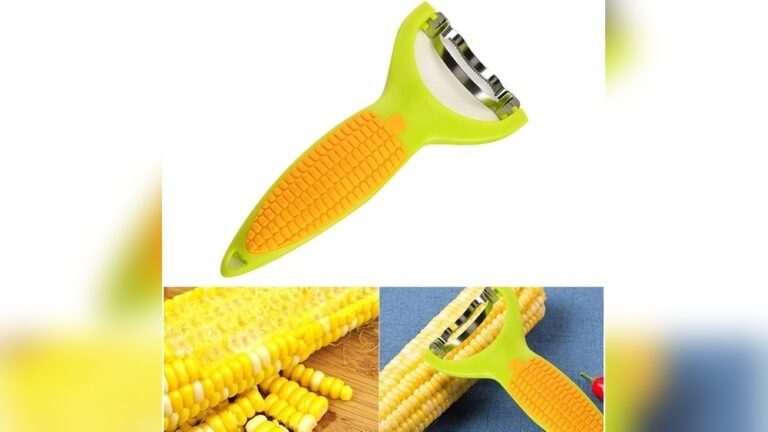
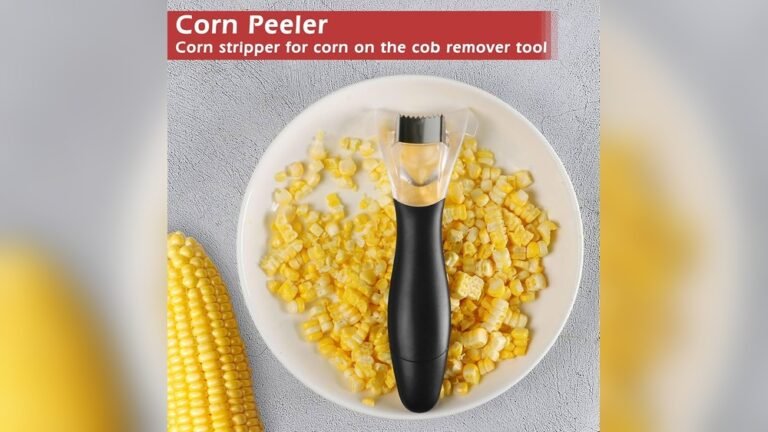
Experts suggest several reliable corn strippers. The OXO Good Grips Corn Peeler tops many lists for ease of use. The ReneeChef Professional Corn Kernel Cutter offers precision and comfort. Chef’n Cob Corn Stripper is praised for its durability. These tools get the job done fast and neatly.
Manual Vs. Powered Strippers
Manual strippers are simple and cost less. They work well for small jobs or home use. Powered strippers save time on large batches. They use electricity or air compressors to strip corn quickly. Choose based on how much corn you handle regularly.
Features To Consider
Look for a comfortable handle that fits your hand well. Sharp, durable blades ensure smooth kernel removal. Easy cleaning is important to maintain hygiene. Size and weight affect how long you can use the tool without fatigue. Safety features like blade guards protect your fingers during use.
Preparing Corn For Stripping
Preparing corn for stripping is a crucial step to ensure smooth operation and clean results. Proper preparation helps protect your corn stripper and makes the process faster. Follow these simple steps before you start stripping kernels from the cob.
Selecting Fresh Corn
Choose corn that is fresh and ripe. Look for bright green husks and moist silk. Avoid ears that are dry or have brown spots. Fresh corn has plump kernels that strip easily and taste better.
Cleaning And Drying The Cob
Remove all husks and silk from the corn ear. Rinse the cob under cool water to clear dirt and debris. Dry the cob well using a clean towel. Wet cobs can cause slipping and damage your corn stripper.
Handling Deformed Ears
Check for bent or irregular-shaped ears. Deformed corn may not fit properly in the stripper. Trim uneven ends carefully or set these ears aside. Using only well-shaped cobs protects your equipment from jams and damage.
Daily Maintenance Routine
Maintaining your corn stripper daily keeps it working smoothly and extends its life. A simple routine after each use prevents buildup and damage. Regular care saves time and money on repairs. Follow these steps to keep your tool in top condition.
Cleaning After Each Use
Remove leftover corn and debris from the stripper. Use a brush or cloth to wipe all parts clean. Avoid water on electrical components. Dry the tool completely before storing. Clean tools work better and last longer.
Blade Care And Sharpening
Check the blades for dullness or rust every day. Sharp blades cut corn easily and safely. Use a sharpening stone or file to keep edges sharp. Replace blades if they become damaged or worn out. Proper blade care improves performance and safety.
Checking For Wear And Tear
Inspect the corn stripper for loose screws or broken parts daily. Tighten any loose bolts to prevent accidents. Look for cracks or worn components and replace them promptly. Early detection of problems prevents bigger issues later. Keep your tool reliable with regular checks.

Credit: www.microcomenviro.com
Deep Cleaning Techniques
Deep cleaning keeps your corn stripper working smoothly and extends its life. Dirt and residue can build up in small parts. This buildup can cause the machine to jam or work less efficiently. Regular deep cleaning removes hidden grime and ensures safe food handling. Follow these steps to clean your corn stripper thoroughly and safely.
Removing Stubborn Residue
Start by scraping off any stuck corn bits using a soft brush. Avoid metal tools that may damage the blades. Soak the parts in warm, soapy water for 10 to 15 minutes. This softens hardened residue and makes it easier to remove. Use a toothbrush to scrub tight areas gently. Rinse all parts with clean water to wash away loosened debris.
Disassembling The Stripper
Unplug or disconnect the machine before disassembly. Follow the manufacturer’s guide to remove blades and covers carefully. Keep screws and small parts in a safe place to avoid loss. Take photos during disassembly to help with reassembly later. Handle sharp components with care to prevent injuries. Disassembling allows thorough cleaning of hidden areas that collect dirt.
Sanitizing Components Safely
After cleaning, sanitize all parts to kill bacteria and germs. Use a food-safe sanitizer or a mixture of vinegar and water. Wipe or soak the parts according to the sanitizer’s instructions. Let the components air dry completely before reassembling. Avoid harsh chemicals that can damage your corn stripper or leave harmful residues. Proper sanitizing ensures your machine stays hygienic and safe for use.
Safety Practices
Safety is the top priority when maintaining a corn stripper. Proper safety practices prevent injuries and keep the machine in good condition. Follow these simple steps to stay safe during maintenance tasks.
Securing The Cutting Device
Always make sure the cutting device is firmly secured. A loose blade can cause accidents or damage the machine. Check that the device fits tightly in its holder before starting any work.
Disconnecting Power Sources
Turn off and unplug the corn stripper before cleaning or repairs. Disconnecting power stops the machine from running unexpectedly. This step protects you from serious injuries caused by moving parts.
Using Protective Gear
Wear gloves to protect your hands from sharp edges. Use safety glasses to guard your eyes against debris. Proper gear reduces the risk of cuts and eye injuries during maintenance.
Troubleshooting Common Issues
Troubleshooting common issues with your corn stripper keeps it running smoothly. Quick fixes prevent downtime and improve your stripping experience. Here are simple solutions to frequent problems.
Dealing With Dull Blades
Dull blades reduce efficiency and tear kernels. Check blades regularly for sharpness. Use a sharpening stone or replace blades if needed. Clean blades after each use to avoid buildup. Proper blade care extends tool life and keeps cutting easy.
Fixing Jams And Blockages
Jams happen when kernels or husks get stuck. Turn off the machine before clearing jams. Remove any stuck material gently using a soft brush or tool. Avoid forcing parts to prevent damage. Regular cleaning helps reduce blockages and keeps the corn stripper working well.
Adjusting For Different Corn Sizes
Corn cobs vary in size and shape. Adjust the stripper’s settings for tight or loose fits. Check the manual for guidance on adjustments. Proper settings prevent kernel loss and machine strain. Test on a small section to ensure smooth operation before full use.
Storage Tips
Proper storage of your corn stripper extends its life and keeps it ready for use. Storing it correctly prevents damage and reduces the need for repairs. Follow these simple tips to keep your tool in top shape between uses.
Proper Drying Before Storage
Clean the corn stripper after each use. Remove all corn residue and moisture. Use a dry cloth to wipe every part. Let the tool air dry completely. Avoid storing while damp to stop mold and rust.
Avoiding Rust And Corrosion
Apply a light coat of oil on metal parts. This layer protects against moisture and rust. Store the tool in a dry place. Avoid humid or wet areas. Check the tool regularly and reapply oil if needed.
Organizing For Easy Access
Keep your corn stripper in a designated spot. Use a storage box or hang it on a tool rack. Label the storage area for quick identification. A tidy space saves time and prevents damage. Always store it away from heavy or sharp objects.
Credit: www.ebay.com
Extending Stripper Lifespan
Extending the lifespan of your corn stripper saves money and ensures consistent performance. Proper care keeps the tool efficient and ready for every harvest. Small maintenance steps prevent major issues and downtime. Focus on simple habits that protect the tool’s parts and function.
Regular Inspections
Check the corn stripper before and after each use. Look for worn or damaged blades and loose screws. Spotting problems early helps avoid bigger repairs later. Clean the tool to remove dirt and corn residue. This prevents build-up that can cause parts to stick or wear out faster.
Replacing Parts Timely
Replace blades and other parts as soon as they show wear. Using dull blades strains the tool and reduces stripping quality. Keep spare parts on hand for quick swaps. Follow the manufacturer’s guidelines for replacements. Timely changes keep the stripper working smoothly and safely.
Using The Tool As Intended
Use the corn stripper only for its designed purpose. Avoid forcing it on tough or frozen corn. Do not use it on other vegetables or materials. Correct use prevents unnecessary strain and damage. Handle the tool gently, but firmly, to maintain its condition.
Enhancing Efficiency
Enhancing the efficiency of your corn stripper saves time and effort. Proper care and techniques ensure smooth operation. A well-maintained tool strips corn quickly and cleanly. Follow these tips to get the best results from your corn stripper.
Optimal Stripping Techniques
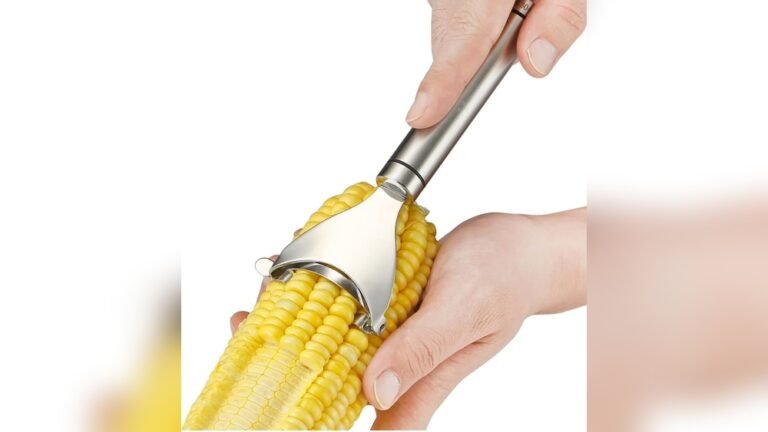
Hold the corn firmly while using the stripper. Align the blade with the rows of kernels for clean cuts. Use steady pressure without forcing the tool. Strip in one smooth motion to avoid damage. Practice these techniques regularly to improve speed and accuracy.
Using Accessories And Attachments
Use the right attachments designed for your corn stripper model. Accessories help reach tight spots and different corn sizes. Keep attachments clean and sharp for better performance. Replace worn parts immediately to prevent breakdowns. Proper use of accessories enhances overall efficiency.
Maintaining Consistent Speed
Keep a steady pace when stripping corn. Avoid going too fast, which can cause uneven strips. Too slow wastes time and energy. Find a rhythm that feels comfortable and efficient. Consistent speed helps maintain quality and reduces wear on the tool.

Credit: www.walmart.ca
Frequently Asked Questions
What Is The Best Corn Stripping Tool?
The best corn stripping tool is the OXO Good Grips Corn Peeler. It efficiently removes kernels with minimal effort and mess.
How To Strip A Corn?
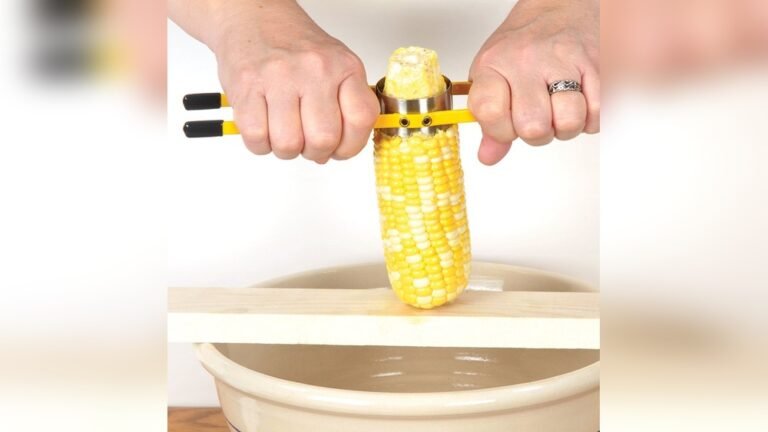
Hold the corn cob upright on a stable surface. Use a sharp knife or corn stripper to cut downward. Slice close to the cob to remove kernels quickly and safely. Collect kernels in a bowl below for easy use.
How To Remove Corn Kernel Skin Fast?
To remove corn kernel skin fast, soak kernels in warm water for 5 minutes. Rub gently with a towel or fingers to peel skins easily.
How Do You Clean A Corn Cutter?
Remove the blade from the corn cutter. Rinse the holder and blade under warm, running water. Dry thoroughly before storing.
Conclusion
Regular care keeps your corn stripper working smoothly and longer. Clean blades after each use to avoid buildup and rust. Check screws and parts often to ensure tightness and safety. Store the tool in a dry place to prevent damage.
Following these simple steps saves time and money. Enjoy fresh, easy corn stripping all season long. Small efforts make a big difference in performance. Take care today for better results tomorrow.