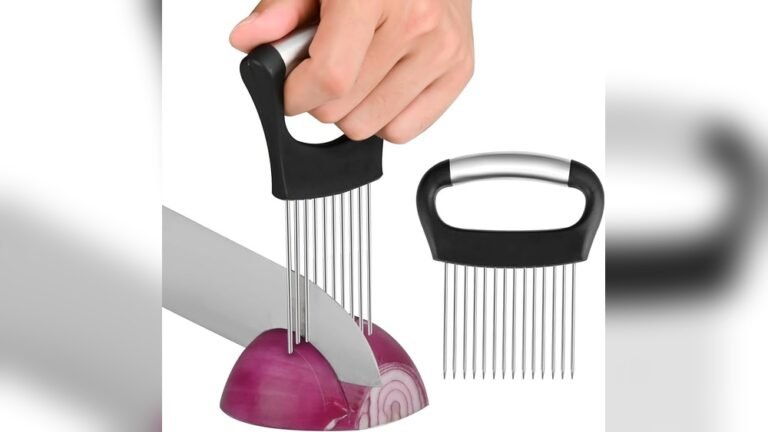

Maintenance Tips for Onion Chopper: Essential Care for Longevity
You love how quickly your onion chopper makes meal prep easier, but are you giving it the care it truly needs? Without proper maintenance, your trusty kitchen tool can lose its sharpness, become clogged, or even break down—turning convenience into frustration.
You’ll discover simple, practical tips to keep your onion chopper working like new. From cleaning hacks to blade care, these easy steps will save you time and extend the life of your chopper. Ready to get the most out of your kitchen helper?
Let’s dive in!

Credit: insights.made-in-china.com
Daily Cleaning Routine
Keeping your onion chopper clean every day ensures it works well and lasts longer. A daily cleaning routine removes food bits and prevents stains or odors. It also keeps the blades sharp and safe to use. Follow these simple steps after each use to maintain your chopper in top shape.
Disassemble For Thorough Wash
Start by taking apart the onion chopper carefully. Remove all detachable parts like the lid, blades, and container. This step allows you to clean every corner and avoid food buildup. Handle the blades with care to prevent cuts. Disassembling helps keep your chopper hygienic and ready for the next use.
Use Mild Soap And Warm Water
Fill a basin with warm water and add a few drops of mild soap. Avoid harsh chemicals that can damage the chopper’s material. Soak the parts for a few minutes to loosen food debris. Use a soft brush or sponge to scrub gently. This method cleans effectively without harming the blades or plastic.
Rinse And Dry Properly
Rinse all parts under running water to remove soap and residue. Check blades carefully to ensure no food remains stuck. Shake off excess water and wipe with a clean cloth. Let the parts air dry completely before reassembling. Proper drying prevents rust and keeps your chopper fresh and safe to use.
Blade Care
Blade care is essential for keeping your onion chopper working well. Sharp, clean blades cut onions quickly and safely. Proper maintenance extends the life of your blades and ensures smooth chopping every time.
Remove Food Residue Carefully
After chopping, remove onion bits stuck on the blades. Use a soft brush or cloth to clean gently. Avoid touching the sharp edges directly. This prevents injuries and keeps the blade free from buildup.
Avoid Abrasive Cleaners
Do not use harsh or abrasive cleaners on the blades. They can dull or damage the sharp edges. Mild soap and warm water work best. Rinse thoroughly and dry the blades completely to stop rust.
Sharpen Or Replace Blades
Dull blades make chopping harder and unsafe. Sharpen blades regularly using a sharpening tool made for kitchen knives. Replace blades if they become too worn or damaged. This keeps your onion chopper effective and safe to use.
Handling And Storage
Proper handling and storage of your onion chopper extend its life and keep it working well. Careful attention to these steps prevents damage and maintains sharpness. Store and handle parts with care to avoid accidents and wear. Keep the chopper dry to stop rust and ensure cleanliness.
Store Parts Safely
Keep all parts of your onion chopper in one place. Use a dedicated container or box to avoid losing small pieces. Store in a dry, cool area away from children. This prevents damage and keeps the chopper ready for use.
Protect Blades From Damage
Blades are the heart of your onion chopper. Avoid dropping or banging the blades on hard surfaces. Use blade covers or wrap them in cloth for extra protection. Sharp blades work better and last longer.
Keep Dry To Prevent Rust
Moisture causes rust and dulls blades. After cleaning, dry all parts thoroughly before storing. Use a clean towel or air dry in a well-ventilated space. Proper drying keeps your chopper safe and rust-free.

Credit: insights.made-in-china.com
Avoiding Common Issues
Proper maintenance of your onion chopper helps avoid many common problems. Simple care steps keep it working smoothly. These tips reduce damage and keep the chopper safe to use.
Prevent Cross-contamination
Always clean the chopper thoroughly after each use. Wash all parts with warm, soapy water to remove onion residue. Use separate cutting boards and containers if chopping different foods. This stops bacteria from spreading between ingredients. Dry parts completely before storing to avoid mold growth.
Minimize Use Of Alkaline Cleaners
Avoid strong alkaline cleaners on your onion chopper. These can damage plastic and metal components. Instead, use mild detergents or dish soap. Gentle cleaning solutions protect the blades and the body. Rinse well to remove any soap residue that can affect taste or safety.
Check For Wear And Tear Regularly
Inspect blades and parts often for signs of damage. Dull or bent blades reduce chopping efficiency and can be unsafe. Replace worn parts promptly to maintain performance. Tighten any loose screws or fittings to keep the chopper stable. Regular checks extend the life of your tool.
Cleaning Tools And Accessories
Keeping your onion chopper clean is key to its performance and hygiene. Using the right cleaning tools and accessories helps remove food particles stuck in small spaces. Proper cleaning also extends the life of your chopper and keeps it safe to use.
Use Brushes For Hard-to-reach Areas
Small brushes work well for tight spots inside the chopper. They reach corners where food bits hide. Choose brushes with soft bristles to avoid damaging the surface. Regular brushing prevents buildup and keeps the chopper fresh.
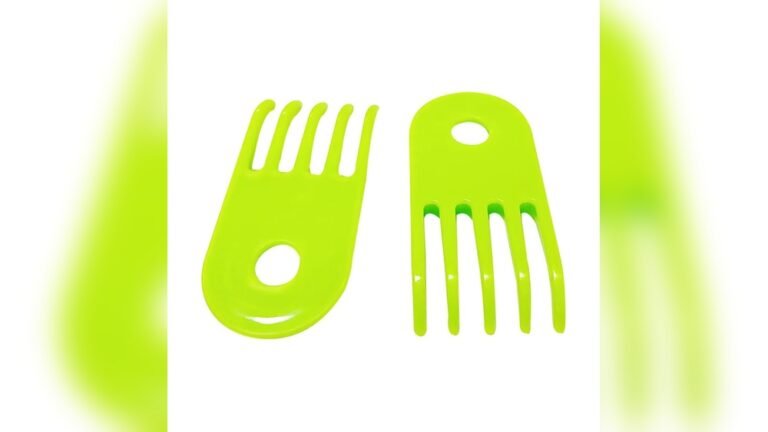
Utilize Cleaning Forks For Blades
Cleaning forks are designed to remove residue from sharp blades. They slide between blades safely and clear stuck onion pieces. Using a cleaning fork reduces the risk of cutting yourself. Always clean blades right after use to avoid dried food.
Avoid Scouring Pads
Scouring pads can scratch and dull the chopper parts. Scratches hold bacteria and make cleaning harder. Use gentle tools like brushes or soft cloths instead. Keeping surfaces smooth helps maintain the chopper’s condition longer.
Maintenance Tips For Longevity
Proper care extends the life of your onion chopper. Regular maintenance keeps it working smoothly and safely. Simple steps prevent damage and ensure consistent chopping performance. Follow these easy tips to enjoy your chopper for years.
Regular Inspection Of Parts
Check blades and components often for wear or damage. Look for cracks, dull edges, or loose pieces. Replace any worn parts immediately to avoid accidents. Regular inspections catch problems early and keep your chopper safe.
Reassemble Immediately After Cleaning
After washing, dry each part thoroughly to prevent rust. Put the chopper back together right away to avoid losing small pieces. Proper reassembly ensures the chopper stays functional and ready to use. This habit helps maintain its efficiency and durability.
Follow Manufacturer Guidelines
Read and follow the instructions provided with your chopper. Use only recommended cleaning methods and tools. Avoid harsh chemicals that can damage parts. Stick to the suggested maintenance schedule for best results. Manufacturer advice helps keep your chopper in top condition.
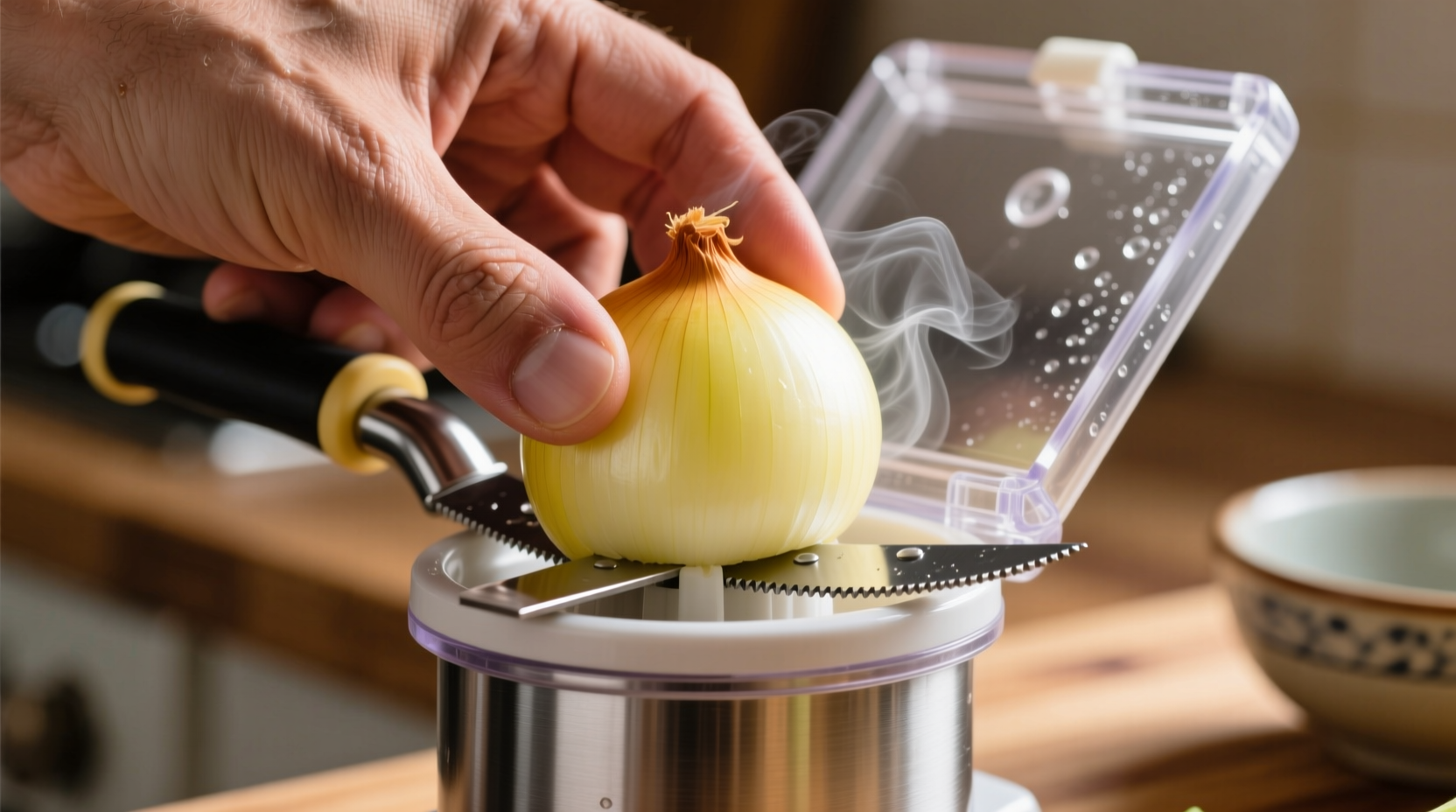
Credit: spice.alibaba.com
Frequently Asked Questions
How Do You Clean An Onion Chopper?
Disassemble the onion chopper. Rinse all parts under warm water. Use mild soap and a brush to clean blades. Dry thoroughly before reassembling.
How Do You Clean A Veggie Chopper?
Rinse loose food particles from the veggie chopper. Disassemble all parts and soak them in warm, soapy water. Scrub blades gently with a brush, then rinse thoroughly. Dry all pieces completely before reassembling to prevent rust and maintain sharpness.
How To Clean The Slap Chop?
Remove the base cap and unlock the chopping chamber. Take out the food splash guard and blades. Wash all parts with warm, soapy water. Rinse thoroughly and dry before reassembling. Clean after each use to prevent residue buildup and maintain sharpness.
How Do You Clean A Chopzilla?
Disassemble the Chopzilla. Rinse blades and parts under warm water. Use the included cleaning fork for stuck residue. Wash with mild soap. Rinse thoroughly. Dry all pieces completely. Reassemble and store compactly inside the container. Clean after each use for best results.
Conclusion
Proper maintenance keeps your onion chopper working well and lasting longer. Clean all parts right after use to avoid buildup. Use mild soap and warm water for safe cleaning. Avoid harsh cleaners that can damage blades or plastic. Regularly check blades for sharpness and replace if dull.
Store your chopper in a dry place to prevent rust. Following these simple tips ensures your chopper stays efficient and safe. Enjoy easier chopping and better results every time you cook.