Maintenance Tips for Vegetable Julienne Peeler: Expert Care Guide
If you love preparing fresh, vibrant salads or stir-fries, your vegetable julienne peeler is an essential kitchen tool. But to keep it slicing perfectly every time, you need to care for it properly.
Imagine effortlessly creating thin, uniform vegetable strips without struggling with a dull blade or a worn-out tool. That’s exactly what this guide will help you achieve. By following simple maintenance tips, you’ll extend the life of your peeler, stay safe while using it, and make your kitchen prep faster and more enjoyable.
Ready to master the care of your vegetable julienne peeler? Let’s dive in and keep your tool sharp, clean, and ready for action!
Choosing The Right Julienne Peeler
Choosing the right julienne peeler is important for efficient and safe vegetable preparation. The right tool makes peeling easier and helps create uniform strips. Consider the peeler’s type, materials, and blade design before buying. These factors affect performance and durability. A well-chosen peeler also requires less maintenance and lasts longer. This guide explains how to select the best julienne peeler for your kitchen.
Types Of Julienne Peelers
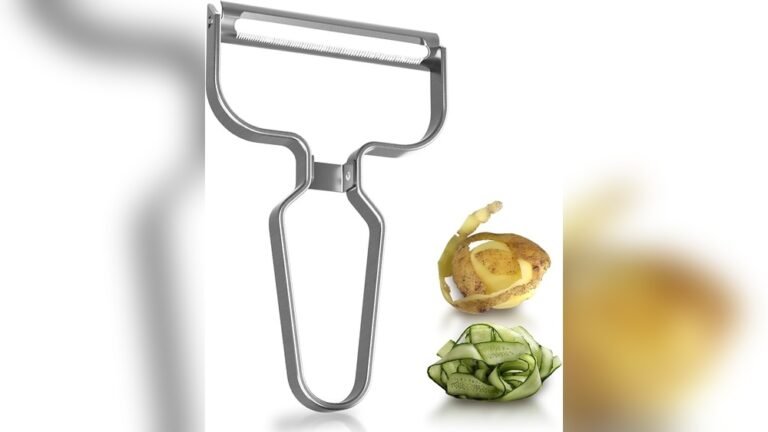
Julienne peelers come in different styles. Some have straight blades for simple slicing. Others have serrated blades to grip vegetables better. Handheld peelers offer more control but may tire your hand quickly. Y-shaped peelers provide a better grip and faster peeling. Some peelers have adjustable blades to change strip thickness. Choose a type that matches your cooking needs and comfort.
Material Considerations
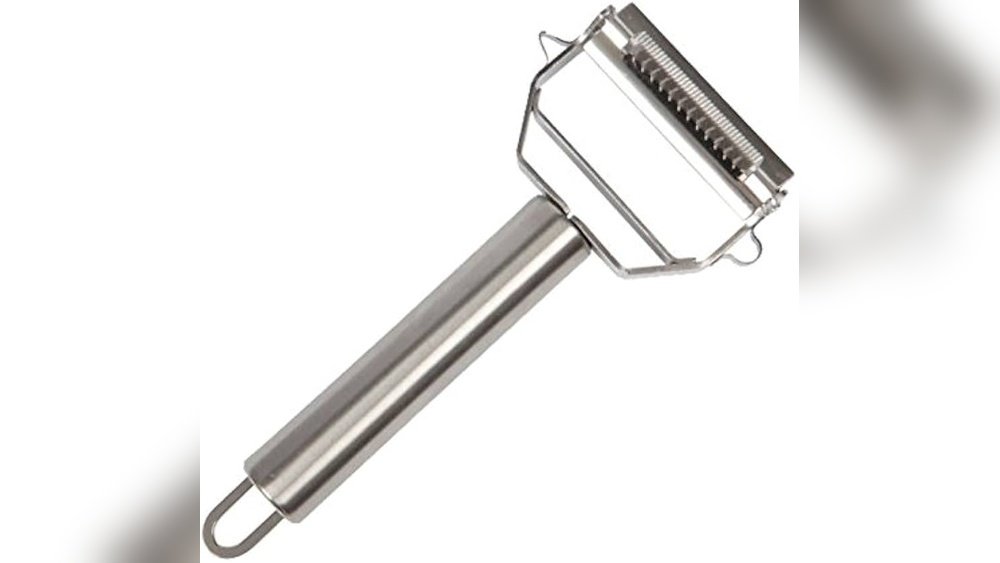
Materials affect a peeler’s strength and hygiene. Stainless steel blades resist rust and stay sharp longer. Plastic handles are lightweight but may not last as long. Metal handles offer durability and a solid feel. Some peelers combine metal blades with rubber grips for comfort. Avoid peelers with low-quality plastic parts that can break easily. Pick materials that balance durability and ease of cleaning.
Blade Sharpness And Design
Sharp blades reduce effort and improve precision. Thin, sharp blades cut thin strips without crushing vegetables. Serrated blades work well on soft or slippery produce. Blade design affects how smoothly the peeler moves across the vegetable. Look for peelers with well-aligned blades for consistent cuts. A dull blade makes peeling harder and less safe. Regular blade checks help keep your peeler effective.
Daily Cleaning Practices
Keeping your vegetable julienne peeler clean every day helps it last longer and work better. Dirt and food bits can stick to the blade, causing dullness or rust. Daily cleaning removes residues and keeps the peeler safe to use.
Simple cleaning steps protect your tool from damage. Follow easy routines to maintain sharpness and hygiene.
Rinsing After Use
Rinse the peeler under warm water right after peeling. This stops food from drying on the blade. Avoid letting pieces stay stuck on it. Quick rinsing makes deep cleaning easier later.
Safe Scrubbing Techniques
Use a soft brush or sponge to clean the blade gently. Avoid steel wool or hard scrubbers that can scratch or dull it. Focus on areas where food hides. Clean both sides of the blade carefully to remove all debris.
Drying And Storage Tips
Dry the peeler completely with a clean towel after washing. Moisture can cause rust and weaken the blade. Store the peeler in a dry place away from other metal tools. Use a protective cover if available to keep the blade safe.
Sharpening Your Peeler
Keeping your vegetable julienne peeler sharp is essential for smooth, effortless slicing. A dull blade makes peeling harder and less safe. Regular sharpening keeps the peeler efficient and extends its life. Below are key tips on when and how to sharpen your peeler, plus the tools you can use.
When To Sharpen
Sharpen your peeler when it starts to feel dull or drags on vegetables. If you notice uneven cuts or have to use extra force, it needs sharpening. Also, sharpen after a few months of regular use to maintain peak performance. Consistent inspection helps catch dullness early and keeps your peeler ready.
Sharpening Methods
Use gentle, even strokes to sharpen the peeler’s blade. Stroke the blade carefully across a sharpening tool or stone. Only a few passes are enough to restore sharpness. Avoid heavy pressure that can damage the blade. Keep the angle consistent during sharpening for best results.
Tools For Sharpening
A small sharpening stone works well for julienne peelers. You can also use a fine grit whetstone or a ceramic rod. Some prefer a handheld knife sharpener with a fine setting. Choose a tool that fits the blade size and shape. Clean the blade after sharpening to remove metal particles.
Preventing Damage
Preventing damage to your vegetable julienne peeler ensures it lasts longer and works better. Proper care protects its sharp blades and keeps it safe to use. Follow simple steps to avoid rust, handle it carefully, and store it correctly. These habits maintain your peeler’s quality and make kitchen tasks easier.
Avoiding Rust And Corrosion
Keep your peeler dry after each use. Water left on the blades causes rust quickly. Use a soft cloth to wipe it clean and dry. Avoid soaking the peeler in water for long periods. Store it in a dry place away from moisture. Rust weakens the metal and dulls the blades fast.
Proper Handling
Hold the peeler firmly to prevent slips and accidents. Always peel away from your body to avoid cuts. Do not use the peeler on very hard surfaces or frozen vegetables. Excess pressure can bend or break the blades. Clean the peeler gently to avoid damaging sharp edges.
Storing To Protect Blades
Store the peeler in a protective sheath or cover its blades. Keep it separate from other utensils to prevent scratches. Use a drawer organizer to keep the peeler secure and stable. Avoid tossing it loosely in a drawer with heavy tools. Proper storage keeps blades sharp and ready to use.
Safe Usage Tips
Using a vegetable julienne peeler safely helps prevent injuries and keeps the tool in good condition. Proper handling improves peeling results and extends the peeler’s life. Follow these safe usage tips to enjoy easy and risk-free peeling.
Correct Peeling Techniques
Hold the vegetable firmly on a stable surface. Move the peeler away from your body to avoid cuts. Use smooth, even strokes for consistent strips. Peel in one direction only. Avoid applying too much pressure to prevent slipping. Keep fingers clear of the blade while peeling.
Avoiding Common Mistakes
Never peel toward yourself. This increases risk of injury. Do not force the peeler through tough skin. Let the blade do the work. Avoid using dull blades; they cause slipping and accidents. Clean the peeler after each use to prevent buildup. Store it safely to protect the blade and fingers.
Handling For Left And Right-handed Users
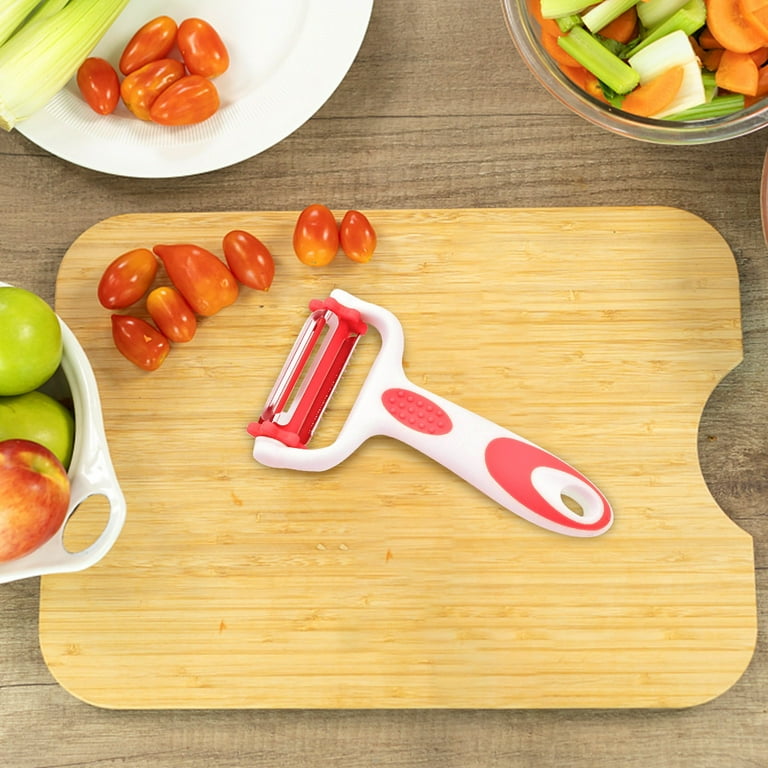
Most julienne peelers work for both hands. Hold the peeler comfortably in your dominant hand. Adjust your grip to maintain control. Use your other hand to hold the vegetable securely. Practice peeling slowly at first to build confidence. Switch hands if needed to reduce fatigue during long tasks.
Credit: www.walmart.com
Regular Inspection And Replacement
Regular inspection and timely replacement keep your vegetable julienne peeler effective and safe. Checking your peeler often helps spot problems early. This practice prevents damage to your vegetables and avoids accidents in the kitchen.
Maintaining your peeler’s sharpness and condition ensures smooth slicing every time. Worn or damaged peelers can ruin food texture and slow down your prep work. Knowing when to replace your tool protects your cooking quality and hygiene.
Signs Of Wear And Tear
Look closely at the blade edges. Dull or bent blades reduce peeling efficiency. Rust spots or discoloration signal corrosion. Loose handles or wobbly parts affect control and safety. Chips or cracks in the blade are dangerous. Any unusual resistance while peeling means the tool needs attention.
When To Replace Your Peeler
Replace the peeler if the blade no longer cuts smoothly. Blades that need frequent sharpening may be beyond repair. Peeling becomes uneven or requires extra effort. Visible rust or metal fatigue weakens the tool. If the handle breaks or loosens, replacement is safer. Using a worn peeler risks injury and poor results.
Disposal Recommendations
Dispose of old peelers carefully to prevent injury. Wrap the blade in thick paper or cloth before discarding. Check your local recycling rules for metal tools. Some areas accept small kitchen tools in scrap metal recycling. Avoid throwing peelers directly into trash bins without protection. Responsible disposal keeps your home and environment safe.
Maximizing Peeler Performance
Maximizing the performance of your vegetable julienne peeler ensures it stays effective and easy to use. Proper use and care help you achieve perfect strips every time. Follow simple tips to keep your peeler sharp and ready for any vegetable task.
Using On Different Vegetables
Use your julienne peeler on firm vegetables like carrots, zucchini, and cucumbers. Softer vegetables may not create clean strips. Peel slowly and apply light pressure to avoid breaking the strips. Adjust your angle slightly depending on the vegetable’s shape for best results.
Maintaining Consistent Strip Size
Keep your strips uniform by holding the vegetable steady and peeling in smooth, even strokes. Avoid rushing, which can cause uneven thickness. Practice on scrap pieces to find the best speed and pressure. Consistent size improves cooking times and presentation.
Additional Uses Beyond Peeling
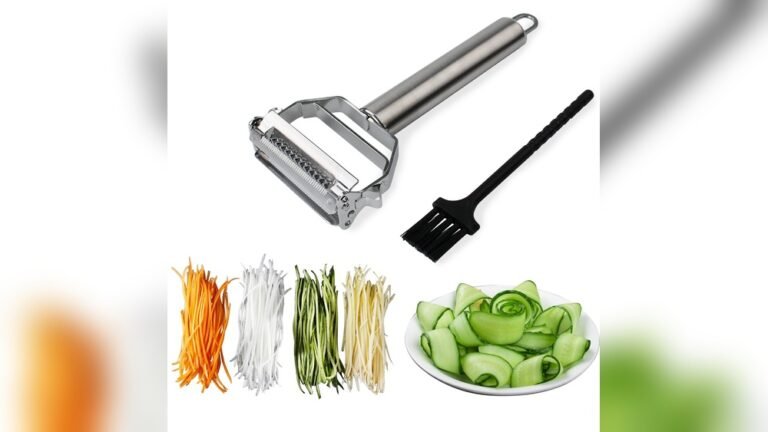
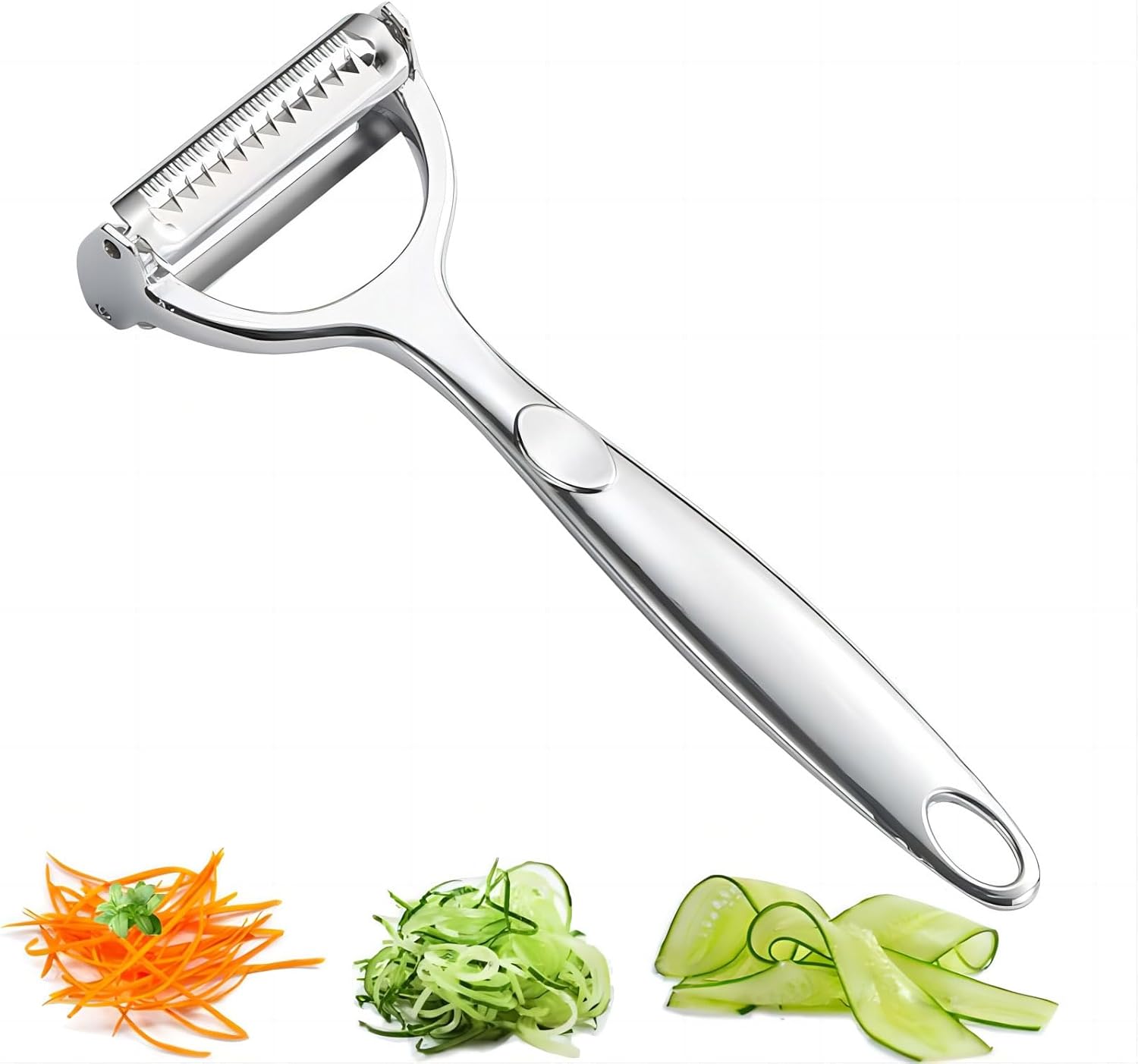
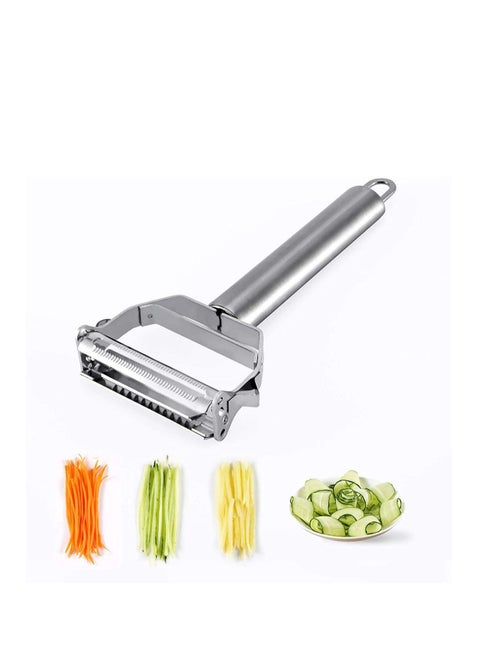
Use the julienne peeler to make thin strips for salads and garnishes. It works well for creating vegetable noodles or decorative toppings. You can also use it to remove tough skins or create small, uniform pieces for stir-fries. This tool saves time and adds variety to meals.
Credit: www.keyandkey.it
Credit: jamesmaas.com
Frequently Asked Questions
How To Sharpen Your Vegetable Peeler?
Sharpen your vegetable peeler by stroking its blade gently across a fine sharpening stone or ceramic rod. Use even pressure and few strokes. Repeat as needed to maintain sharpness. Avoid harsh angles to prevent damage and ensure smooth, efficient peeling every time.
What Are Some Common Peeler Mistakes?
Common peeler mistakes include peeling toward yourself, using dull blades, applying uneven pressure, and not stabilizing the vegetable properly.
What To Do With A Julienne Peeler?
Use a julienne peeler to create thin, uniform strips of vegetables for salads, stir-fries, or garnishes. It’s perfect for making zoodles or hash browns.
How Often Should You Replace A Vegetable Peeler?
Replace a vegetable peeler every 1-2 years or sooner if blades become dull, rusty, or damaged. Regularly clean and inspect it.
Conclusion
Proper care keeps your vegetable julienne peeler effective longer. Clean it after every use to avoid rust and buildup. Sharpen the blades gently to maintain smooth cutting. Store the peeler in a dry place to prevent damage. Check regularly for any wear or dullness.
Replace the peeler if it no longer cuts well. Follow these simple steps to enjoy fresh, easy vegetable slicing. A well-maintained peeler saves time and effort in the kitchen. Keep your tool ready for every meal preparation.