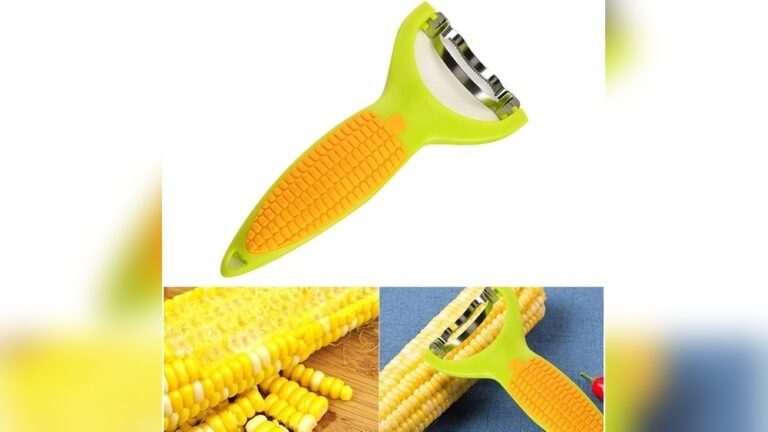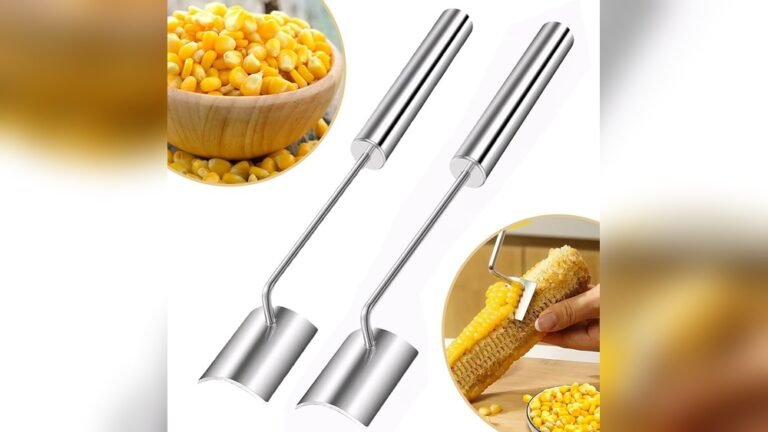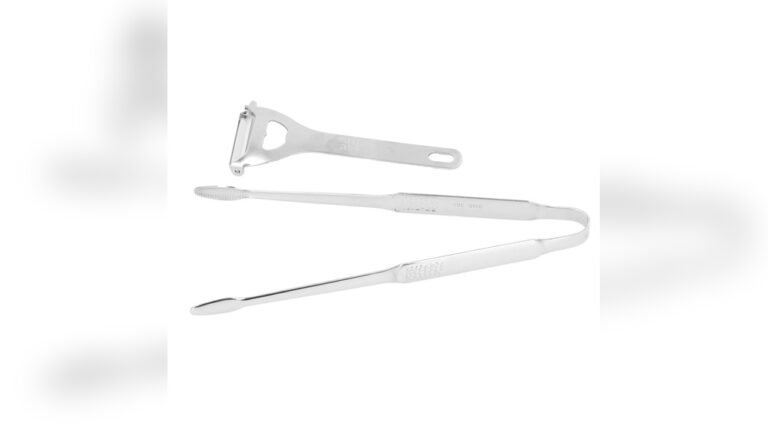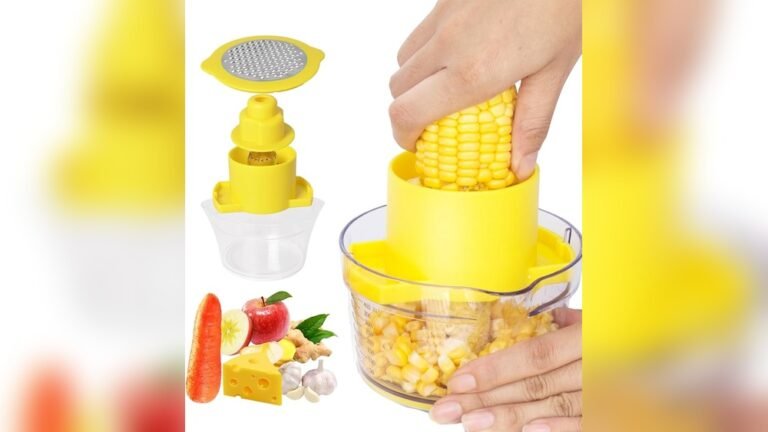
Safety Tips for Corn Stripper: Essential Guide to Prevent Accidents
If you love fresh corn but dread the hassle of removing kernels from the cob, a corn stripper can be a real time-saver. However, using this handy tool without proper care can lead to accidents or injuries.
That’s why knowing the right safety tips for your corn stripper is essential. You’ll discover simple yet effective ways to protect your hands, avoid common mistakes, and make your corn prep quick and safe every time. Keep reading to learn how you can enjoy fresh, perfectly stripped corn without any worries!
Choosing The Right Corn Stripper
Choosing the right corn stripper is important for safe and easy corn preparation. The right tool reduces risk and makes work faster. Several factors affect your choice. Understanding these helps pick the best corn stripper for your needs.
Types Of Corn Strippers
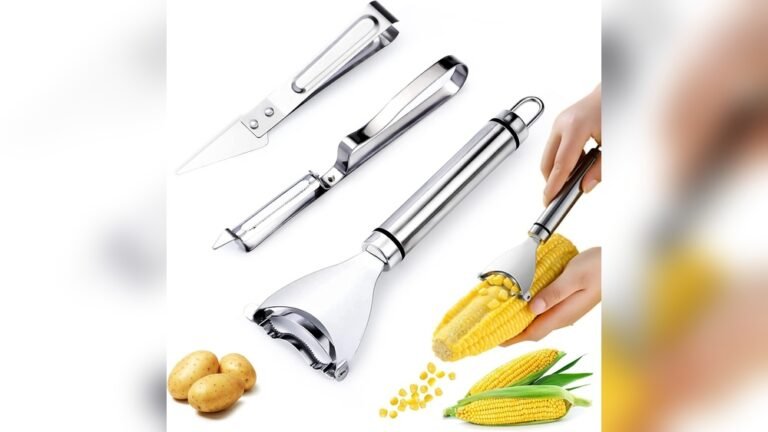
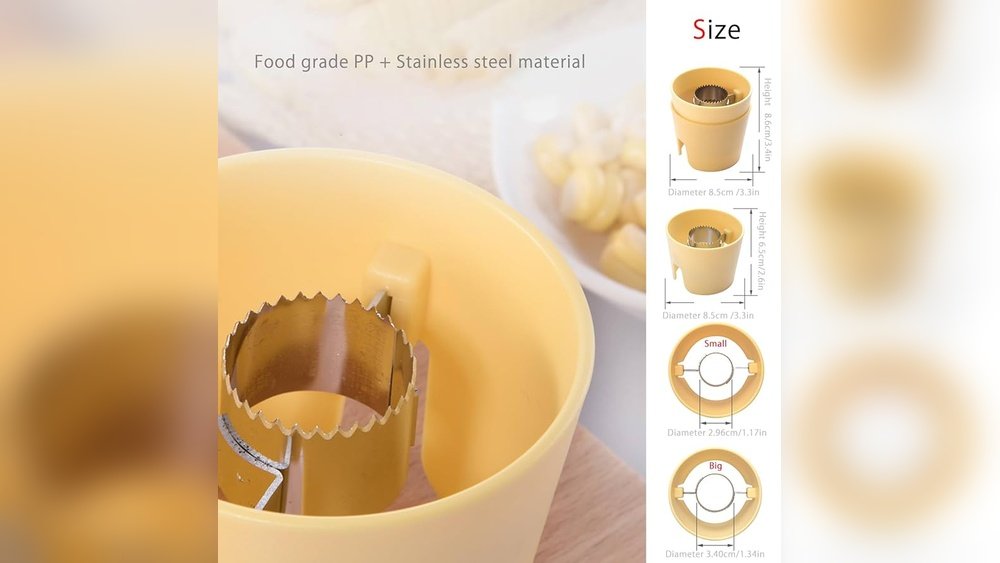
Manual corn strippers need hand power to remove kernels. They are simple and affordable. Electric corn strippers use motors to cut kernels quickly. They save time but cost more. Some corn strippers fit jars to catch kernels directly. Others have built-in containers for easy use. Choose a type that fits your work style and volume.
Features To Consider
Look for sharp, durable blades. Sharp blades cut kernels cleanly and reduce slipping risks. Comfortable handles reduce hand strain. Non-slip grips improve control and safety. Easy cleaning is important to avoid bacteria build-up. Choose a corn stripper that disassembles easily. Lightweight tools are easier to handle safely. Check for stable bases or grips to prevent slipping during use.
Safety Certifications
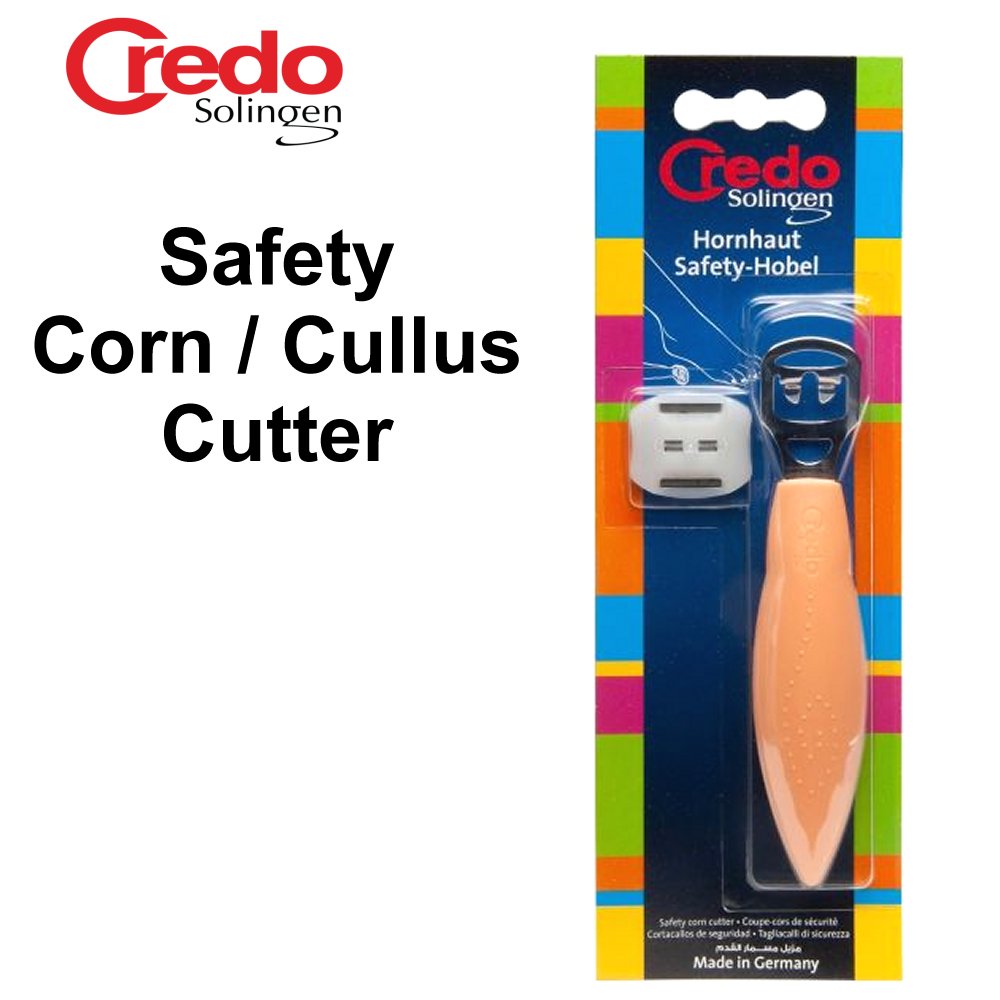
Safety certifications show the product meets safety standards. Look for marks from recognized organizations. Certifications assure blade safety and electrical safety, if powered. Certified products undergo testing for user protection. Using a certified corn stripper reduces injury risk. Always check for these labels before buying a corn stripper.
Credit: epbeautysupply.com
Preparing For Safe Use
Preparing for safe use of a corn stripper is essential to avoid accidents and ensure smooth operation. Taking a few simple steps before starting helps protect you and others around. A well-prepared workspace and proper equipment checks are key to safe corn stripping.
Inspecting The Equipment
Check the corn stripper for any visible damage. Look for cracks, loose parts, or dull blades. Ensure all screws and fasteners are tight. Replace or repair any faulty parts before use. A well-maintained tool reduces the risk of injury and improves performance.
Wearing Protective Gear
Always wear gloves to protect your hands from sharp edges. Use safety glasses to shield your eyes from flying kernels. Consider wearing an apron to keep your clothes clean. Proper protective gear lowers the chance of cuts and keeps you comfortable.
Setting Up A Stable Workspace
Choose a flat, clean surface to work on. Secure the corn stripper to prevent slipping during use. Make sure the area is well-lit to see clearly. Keep the workspace free of clutter and distractions. A stable setup helps maintain control and prevents accidents.
Operating The Corn Stripper
Operating a corn stripper safely ensures you get fresh corn kernels without injury. Using the tool correctly protects your hands and makes the task easier. Follow these simple steps to handle the corn stripper with care and efficiency.
Proper Hand Placement
Hold the corn firmly with one hand. Keep fingers away from the blade area. Use your other hand to grip the handle of the corn stripper. Avoid placing hands near moving parts. This reduces the risk of cuts and pinches.
Using Supplied Tools
Always use the tools provided with the corn stripper. Tongs or holders help keep your hands safe from sharp edges. Use these tools to secure the corn while stripping. This method prevents accidental slips and injuries. Never try to use your bare hands near the blades.
Techniques For Smooth Kernel Removal
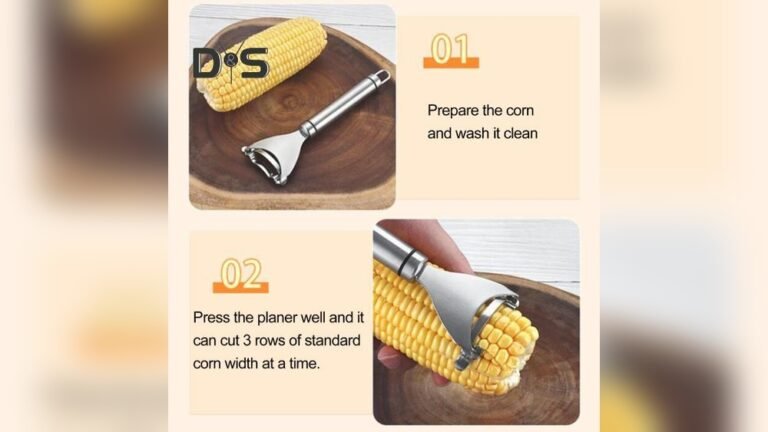
Start at the top of the ear and gently slide the stripper down. Keep steady pressure but do not force the tool. Let the blade do the work to avoid damage to kernels. Rotate the ear slowly for even removal. Clean the blade regularly for smooth cutting action.

Credit: 3dq.studio
Maintenance And Cleaning
Proper maintenance and cleaning of your corn stripper ensure safe and efficient use. Regular care keeps the tool sharp and prevents accidents. Clean tools work better and last longer, making your corn stripping tasks easier.
Handling Sharp Blades Safely
Always wear cut-resistant gloves when touching the blades. Hold the corn stripper by its handle only. Avoid placing fingers near the blade edge. Store the tool in a safe place away from children. Use a blade cover if available to prevent cuts.
Cleaning Procedures
Unplug or disconnect the corn stripper before cleaning. Rinse off corn residue with warm water immediately after use. Use a soft brush to clean hard-to-reach areas. Avoid harsh chemicals that can damage the blades. Dry the tool completely to prevent rust formation.
Regular Inspection And Repairs
Check blades regularly for dullness or damage. Replace blades that are chipped or worn out. Tighten any loose screws or parts before use. Inspect the handle for cracks or wear. Repair or replace damaged parts to maintain safety and performance.
Common Hazards And How To Avoid Them
Using a corn stripper can make meal prep faster and easier. Still, it comes with risks that users must recognize. Common hazards include cuts, equipment failure, and unsafe handling of air-powered units. Knowing these dangers helps keep everyone safe during use. Below are key safety tips on avoiding these common problems.
Preventing Cuts And Injuries
The sharp blades on a corn stripper can cause serious cuts. Always keep your hands away from the blade area. Use the provided tongs or holders to secure the corn cob. Never try to remove kernels by hand while the stripper is in use. Wear cut-resistant gloves for extra protection. Store the stripper safely out of reach of children.
Avoiding Equipment Malfunctions
Check the corn stripper before each use for damage or wear. Loose parts or dull blades can cause the machine to jam. Clean the device regularly to prevent buildup that affects performance. Follow the manufacturer’s instructions for maintenance and storage. Using the wrong type of corn or forcing the machine can also cause problems.
Safe Handling Of Air-powered Units
Air-powered corn strippers need careful handling to avoid accidents. Keep hands clear of the air cylinder while the unit is powered. Always use the tongs supplied to hold the corn. Turn off the air supply before making adjustments or cleaning. Inspect air hoses and connections for leaks or damage. Only operate the unit in a dry, stable area to prevent slips or electrical hazards.
Tips For Special Users
Using a corn stripper can be easy for most people, but special users may need extra care. This section gives simple safety tips for those with arthritis, limited mobility, or children. It also covers ergonomic advice to make the task safer and more comfortable. These tips help everyone enjoy fresh corn without strain or injury.
Adapting For Arthritis Or Limited Mobility
Choose a corn stripper with a large, easy-to-grip handle. This reduces the pressure on fingers and joints. Use tools with smooth edges to avoid extra effort. Take breaks often to prevent hand fatigue. Work on a stable surface to keep the cob steady. Avoid twisting motions that cause pain. Gentle, slow movements help protect sensitive joints. Consider electric corn strippers for less manual work.
Using Corn Strippers With Children
Supervise children at all times to prevent accidents. Show them how to hold the tool safely. Use child-friendly corn strippers with plastic or covered blades. Teach kids to keep fingers away from sharp parts. Start with small corn pieces to build confidence. Make sure the working area is clean and well-lit. Praise careful handling to encourage safe habits. Store the corn stripper out of children’s reach after use.
Ergonomic Recommendations
Use a corn stripper with a soft, non-slip handle to reduce hand strain. Keep your wrist straight to avoid discomfort. Position the corn at a comfortable height to prevent bending. Use both hands for better control and balance. Take short breaks during long tasks to rest muscles. Keep tools sharp to reduce the force needed. A well-designed corn stripper makes work faster and safer.
Storing Your Corn Stripper Safely
Storing your corn stripper correctly keeps it safe and ready for use. Proper storage prevents accidents and protects the tool from damage. It also ensures the blades stay sharp and effective for longer. Follow simple steps to store your corn stripper in a safe and organized way.
Proper Storage Practices
Store your corn stripper in a dry place away from moisture. Moisture can cause rust and weaken the metal parts. Use a dedicated drawer or container to keep it separate from other kitchen tools. This prevents it from getting lost or damaged. Make sure the storage area is clean and free of food residue.
Protecting Blades From Damage
Cover the blades with a protective sheath or guard before storing. Exposed blades can dull quickly or cause injuries. Avoid placing heavy objects on top of the corn stripper. This can bend or break the blades. Regularly check the blade condition to keep the tool working smoothly.
Childproofing Storage Areas
Keep the corn stripper out of reach of children. Store it in a high cabinet or locked drawer. Sharp blades can cause serious injuries to kids. Educate family members about the dangers of the tool. Use childproof locks if needed to add extra safety.
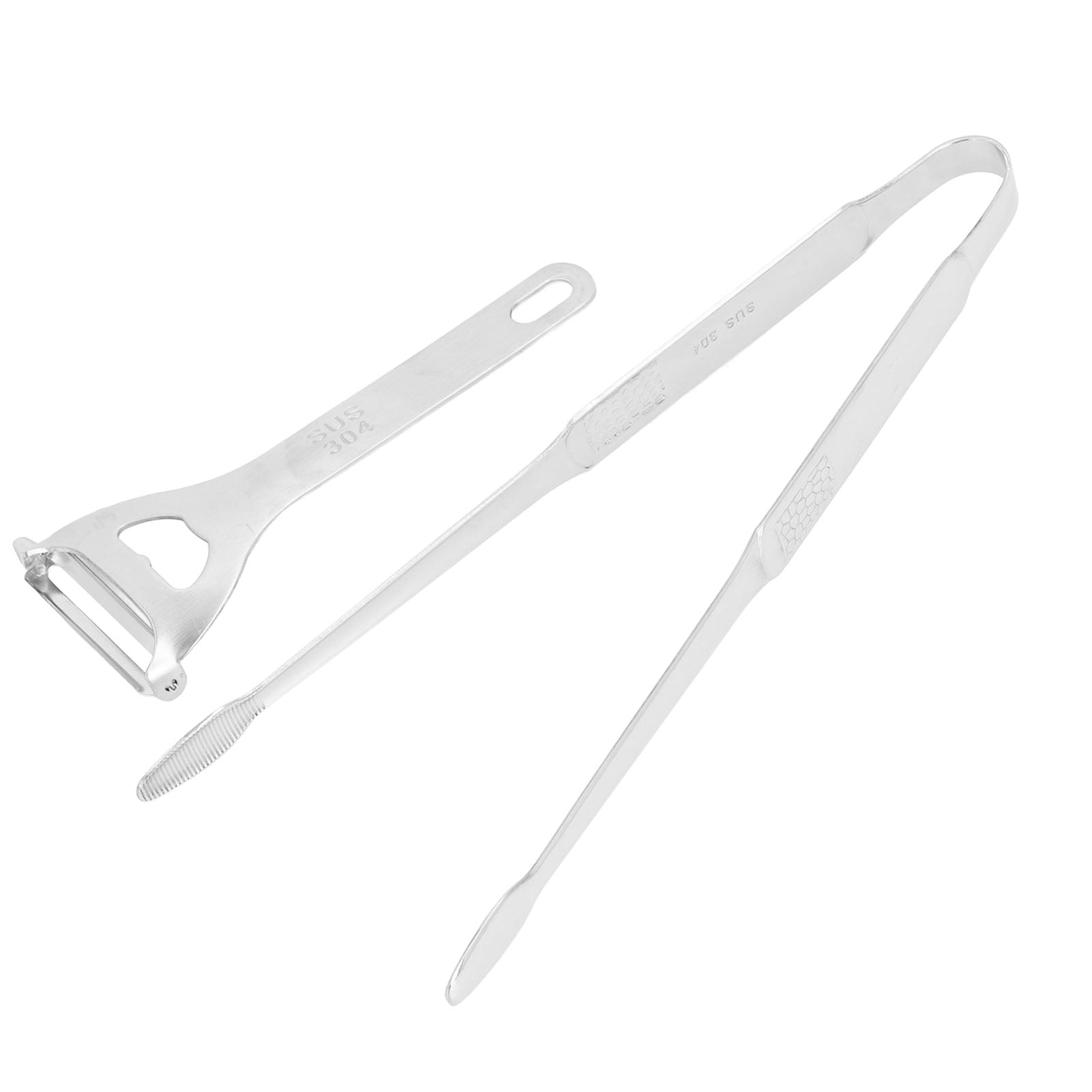
Credit: www.walmart.ca
Frequently Asked Questions
What Device Cuts Corn Off The Cob?
A corn stripper or corn cutter efficiently removes kernels from the cob using sharp blades. It simplifies meal prep and reduces mess.
What Is A Corn Cutter?
A corn cutter is a kitchen tool that quickly and easily removes kernels from corn cobs. It simplifies meal preparation.
What Safety Gear Should I Wear When Using A Corn Stripper?
Always wear cut-resistant gloves to protect your hands from sharp blades. Safety goggles are recommended to shield your eyes from flying kernels or debris. Ensure your clothing is tight-fitting to avoid getting caught in the machine.
How Can I Prevent Hand Injuries With A Corn Stripper?
Use the supplied tongs or tools to hold corn ears instead of bare hands. Keep your fingers away from the blade area at all times. Never operate the machine with wet or slippery hands.
Conclusion
Using a corn stripper safely helps prevent accidents and injuries. Always keep your hands clear of sharp blades. Hold the corn firmly with the provided tools. Work slowly and avoid rushing the process. Clean the device carefully after each use.
Following these simple tips makes corn stripping easy and safe. Stay alert and enjoy fresh corn without worry. Safety first, every time you prepare corn.