Safety Tips for Egg Slicer: Essential Guide to Avoid Injuries
When it comes to using an egg slicer, you might think it’s a simple kitchen tool with no risks. But even this handy gadget can cause cuts or injuries if you’re not careful.
If you want to keep your fingers safe and make slicing eggs quick and easy, you need to know the right safety tips. You’ll discover practical advice that helps you avoid accidents, clean your slicer properly, and use it like a pro every time.
Keep reading to protect yourself and make your kitchen tasks safer than ever!
Choosing The Right Egg Slicer
Choosing the right egg slicer is key to safe and easy slicing. The right tool makes slicing eggs quick and reduces the risk of injury. Selecting a slicer depends on your needs and safety preferences. This section covers types of egg slicers and material safety tips to help you pick the best one for your kitchen.
Types Of Egg Slicers
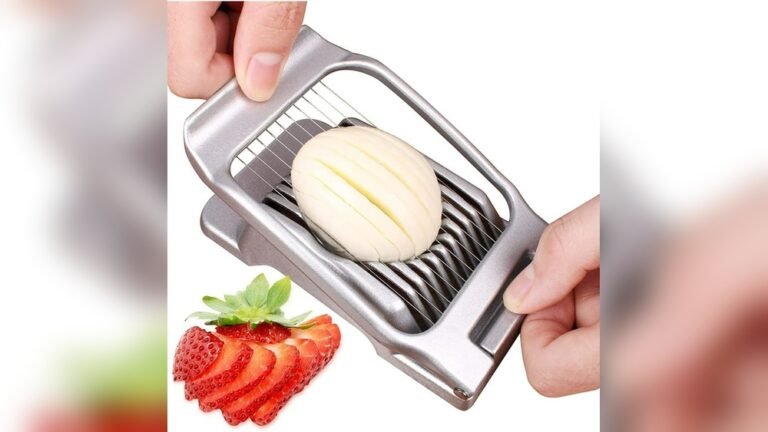
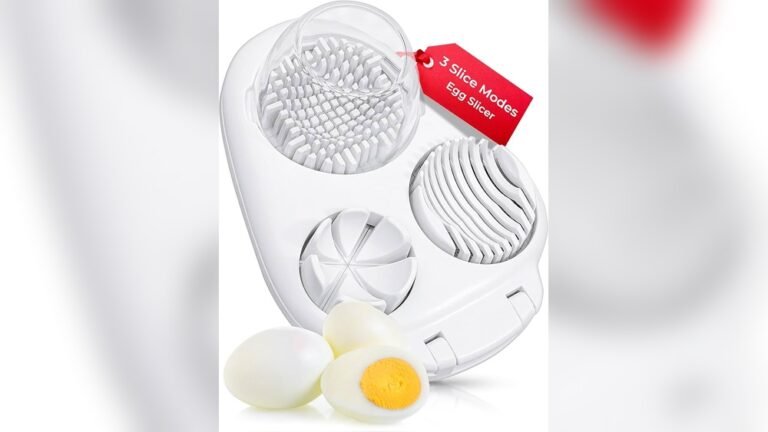
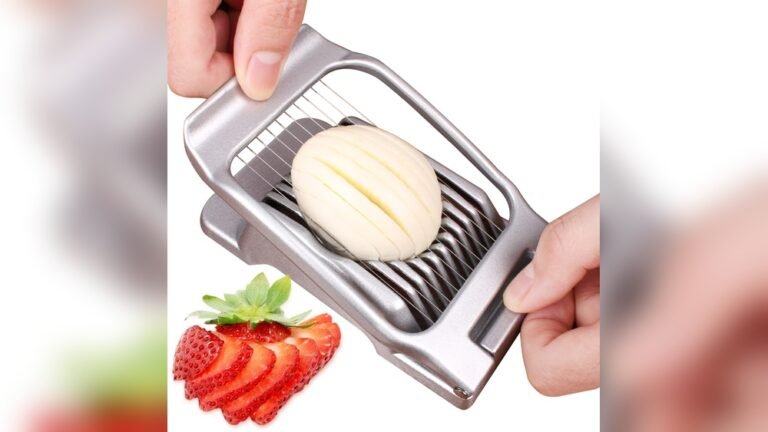
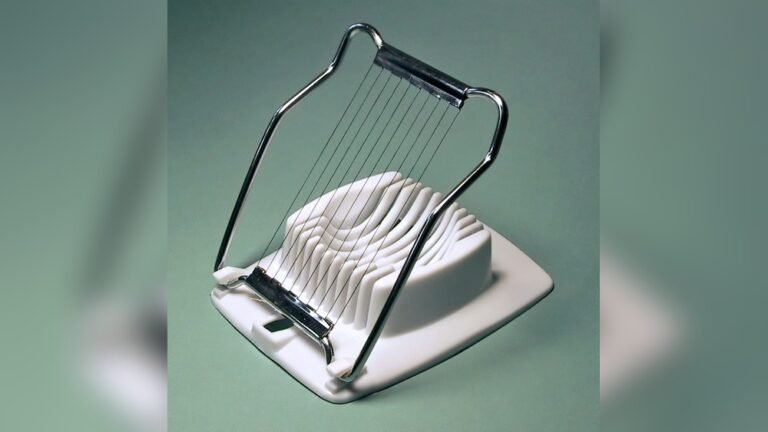
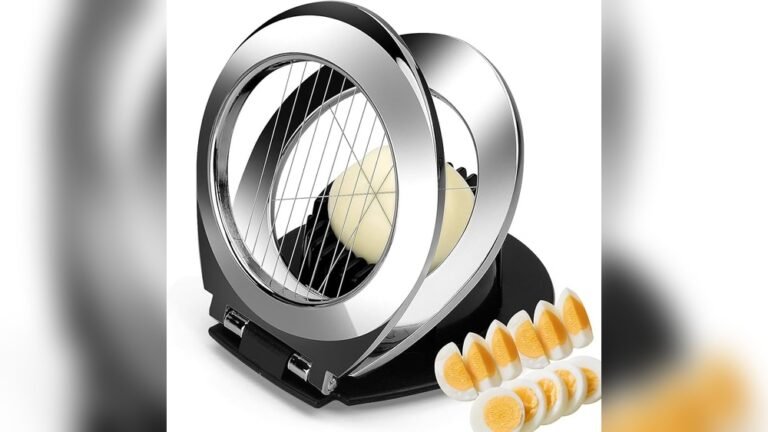
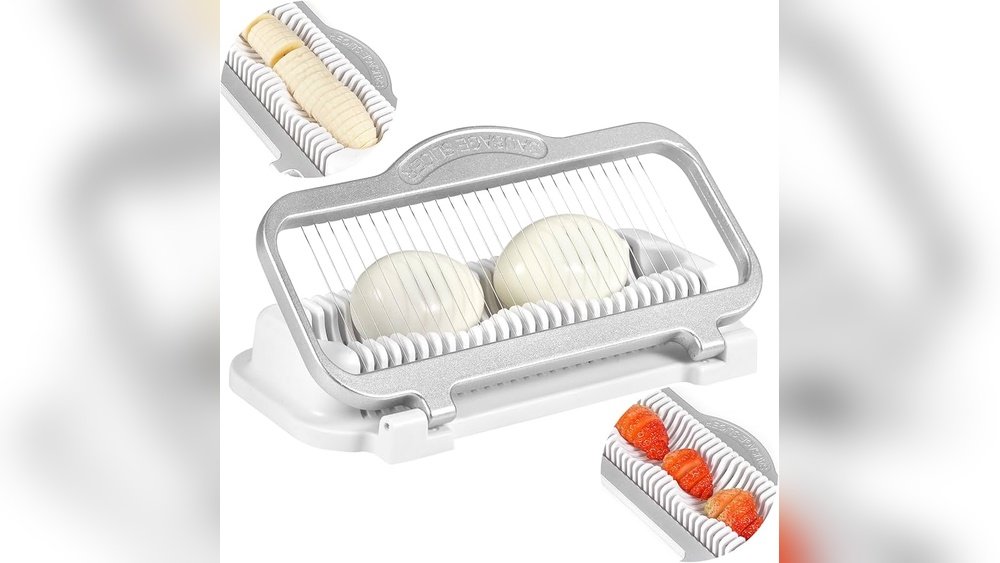
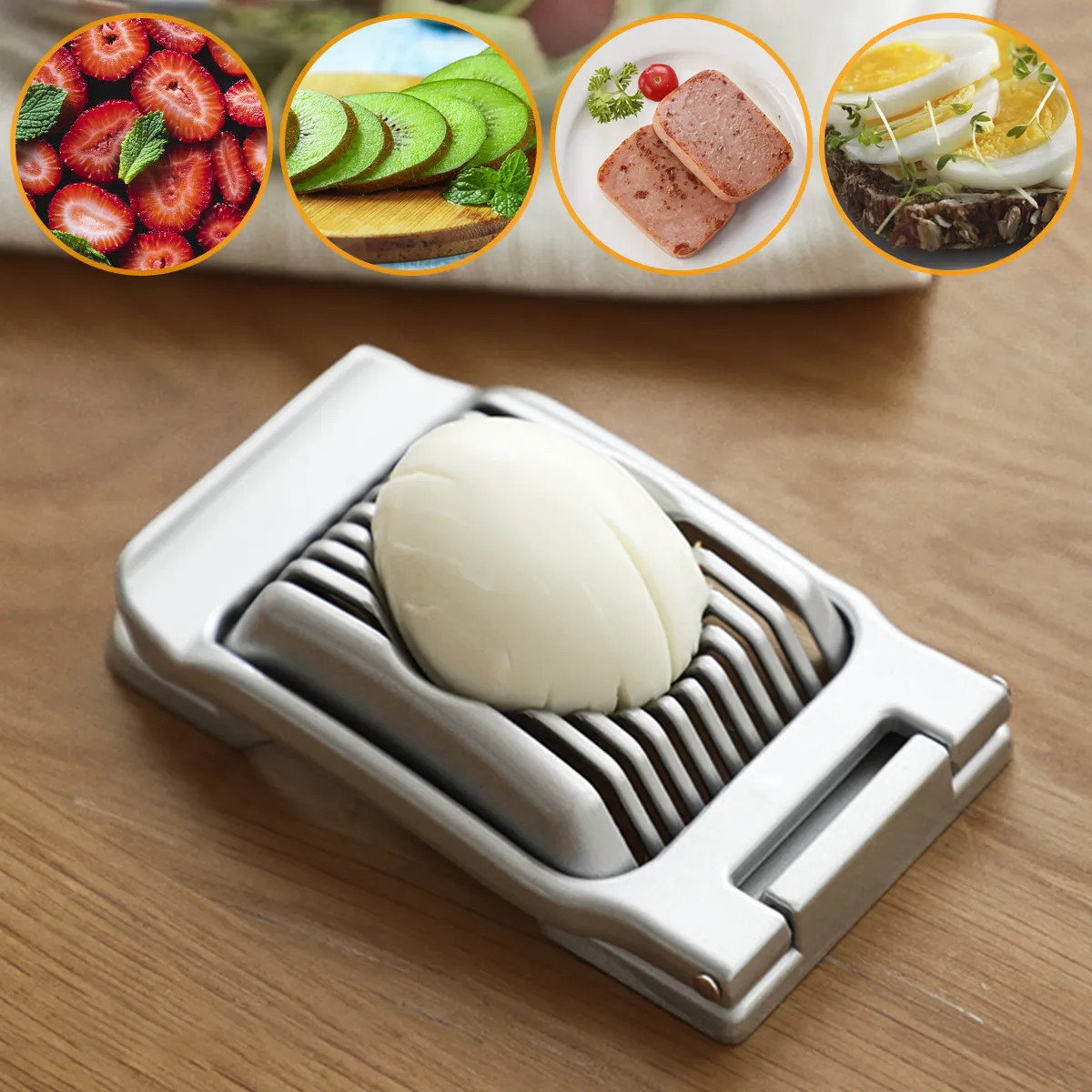
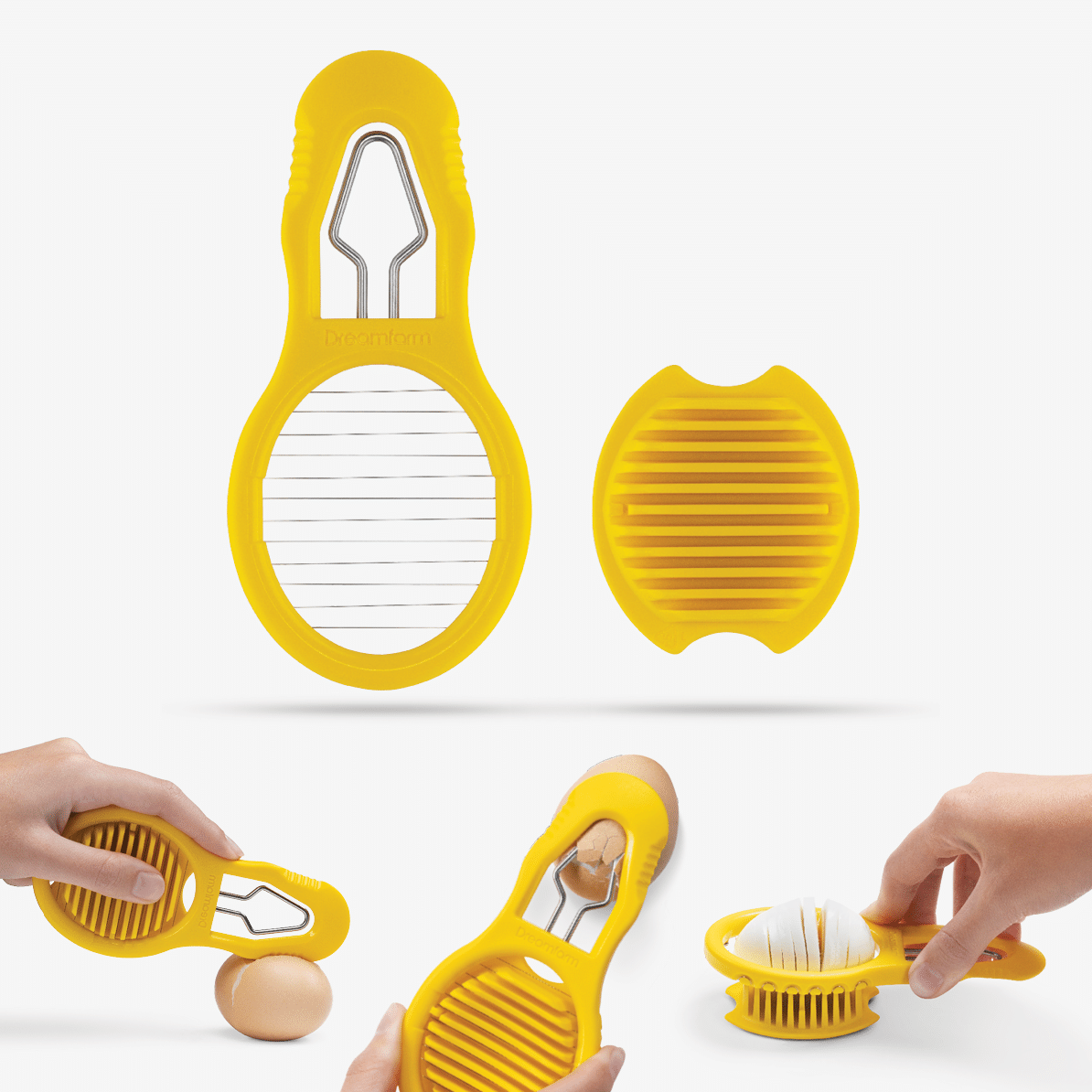
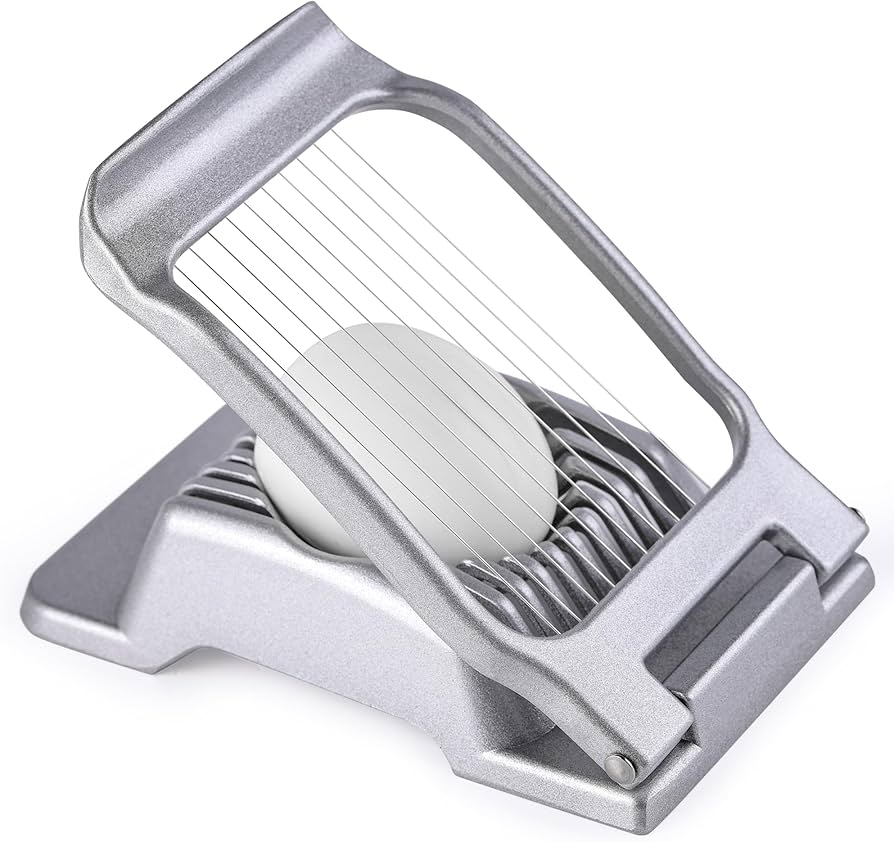
There are several types of egg slicers available. Wire slicers use thin metal wires to cut through eggs. These wires are sharp and require careful handling. Plastic blade slicers have fixed plastic blades that are safer but may not last as long. Some slicers come with multiple cutting options for slices and wedges. Choose a type that feels comfortable and safe for daily use.
Material Safety Considerations
Materials used in egg slicers affect both safety and durability. Stainless steel wires or blades are strong and resist rust, which is safer for food contact. Plastic parts should be BPA-free to avoid harmful chemicals. Avoid slicers with sharp edges on handles or bases to prevent cuts. Look for slicers with sturdy bases to prevent slipping during use. Good materials reduce risks and improve the lifespan of your slicer.
Credit: exileshmagazine.com
Preparing For Safe Slicing
Preparing for safe slicing starts with simple but essential steps. Proper preparation reduces the risk of accidents and ensures smooth operation. Taking a moment to get ready helps protect your hands and keeps your kitchen clean. Follow these guidelines before slicing eggs to stay safe and efficient.
Cleaning Before Use
Always clean your egg slicer before use. Wash it with warm, soapy water to remove any dust or residue. Rinse thoroughly to avoid soap taste on your eggs. Dry the slicer completely to prevent slipping. A clean slicer works better and keeps your food safe.
Setting Up A Stable Workspace
Place your egg slicer on a flat, stable surface. Avoid uneven or slippery areas that can cause accidents. Clear the workspace of clutter to give yourself room to work safely. Good lighting helps you see clearly while slicing. Stability keeps the slicer steady and your fingers safe.
Safe Handling Techniques
Handling an egg slicer safely reduces the risk of cuts and injuries. Using safe techniques ensures a smooth slicing experience. Simple habits protect your fingers and keep the slicer in good condition.
Proper Hand Placement
Place your hand firmly on the egg to keep it steady. Keep fingers away from the blades at all times. Hold the slicer handle with a secure grip. Avoid placing your hand below the blade area. This prevents accidental cuts during slicing.
Using Protective Gloves
Wear cut-resistant gloves to protect your hands. Gloves add a safety layer against sharp wires or blades. Choose gloves that fit well for better control. Change gloves if they become wet or damaged. This reduces slipping and improves safety.
Avoiding Common Mistakes
Do not rush the slicing process. Move the blade slowly and steadily. Avoid forcing the slicer through hard or frozen eggs. Never put your fingers in the slicing area. Clean the slicer carefully after each use to prevent buildup. This keeps the slicer working smoothly and safely.
Operating The Egg Slicer
Operating an egg slicer safely helps prevent injuries and damage. Proper use ensures smooth slicing and protects your fingers. Understanding how to handle the slicer is key to safe operation.
Using Handles And Pressure Correctly
Hold the handles firmly but gently. Use steady pressure to slice through the egg. Avoid sudden or jerky movements that can cause slips. Smooth, controlled motion keeps the blade aligned. This reduces the risk of cutting yourself. Always keep your fingers clear of the slicing area.
Avoiding Forceful Cuts
Do not force the slicer through hard or uncuttable eggs. Forcing can break the slicer or cause accidents. If the egg feels too firm, check if it is fully cooked. Use gentle pressure and let the slicer do the work. Forceful cuts increase the chance of slipping and injury. Take your time to ensure safe slicing.
Maintenance And Cleaning
Proper maintenance and cleaning keep your egg slicer safe and effective. Dirt and food residue can cause damage and increase risk of injury. Regular care makes the slicer last longer and work better. Follow simple safety steps during cleaning and inspection.
Unplugging And Locking Before Cleaning
Always unplug the egg slicer before cleaning. This prevents accidental starts that can cause cuts. Lock the blades or parts if your slicer has a locking feature. Keep hands away from sharp edges during this process. Safety first, even when the slicer is off.
Safe Cleaning Methods
Use warm, soapy water to clean the slicer parts. Avoid harsh chemicals that can damage the slicer. Clean blades carefully with a soft brush or cloth. Dry all parts completely before reassembling. Avoid soaking electrical parts to prevent damage.
Regular Inspection For Damage
Check the slicer regularly for any cracks or bent parts. Look for dull or broken blades that can harm your hand. Replace damaged parts immediately to keep the slicer safe. A well-maintained slicer works smoothly and reduces injury risk.
Credit: toastandtable.com
Storage And Safety Precautions
Proper storage and safety precautions for your egg slicer protect both the tool and users. Keeping the slicer clean and stored safely extends its life. It also prevents accidents in the kitchen. Below are essential tips to store your egg slicer safely and keep children away from harm.
Safe Storage Practices
Store the egg slicer in a dry place to avoid rust. Use a protective cover or pouch if available. Keep the slicer away from heavy items that may damage it. Place it in a drawer or cabinet out of direct reach. Make sure the blades are clean and dry before storing. Regularly check the slicer for any damage or loose parts. Proper storage keeps the slicer sharp and ready for use.
Childproofing Your Kitchen Area
Keep the egg slicer out of children’s reach at all times. Use child safety locks on drawers or cabinets where the slicer is stored. Teach children that kitchen tools can be dangerous. Avoid leaving the slicer unattended on countertops. Consider a separate storage area for sharp tools. Childproofing reduces the risk of cuts and injuries in the kitchen. It creates a safer cooking environment for everyone.
Dealing With Injuries
Accidents with egg slicers can cause cuts or injuries. Knowing how to handle these injuries is important. Acting quickly can reduce pain and prevent infection. Keep calm and follow simple steps to treat cuts safely.
First Aid For Cuts
Stop the bleeding by pressing gently with a clean cloth. Wash the cut with mild soap and water to remove dirt. Avoid using strong chemicals or alcohol on the wound. Apply an antibiotic ointment to help prevent infection. Cover the cut with a sterile bandage or dressing. Change the bandage daily or if it gets wet or dirty. Watch for signs of infection like redness or swelling.
When To Seek Medical Help
Seek medical help if the cut is deep or the bleeding does not stop. Get help if the cut is caused by a rusty or dirty object. Visit a doctor if the wound looks infected or is very painful. If you have not had a tetanus shot in the last five years, see a healthcare provider. Large or gaping cuts may need stitches. Always prioritize safety and proper care after an injury.
Credit: www.amazon.com
Additional Safety Tips
Using an egg slicer safely goes beyond the basic steps. Paying attention to extra precautions helps prevent accidents and keeps food safe. These additional safety tips focus on hygiene and organization to improve your slicing experience.
Avoiding Cross-contamination
Always clean the egg slicer after each use. Wash it with hot, soapy water to remove egg residue. Use separate slicers for different foods if possible. This practice stops bacteria from spreading. Dry the slicer completely before storing it. Keep raw and cooked eggs apart during preparation. Cross-contamination can cause foodborne illnesses, so stay cautious.
Keeping Workspace Clutter-free
Clear your workspace before using the egg slicer. Remove any unnecessary items to avoid accidents. A tidy area helps you focus on slicing safely. Wipe down surfaces to keep them dry and clean. Wet or cluttered spaces increase the risk of slips or falls. Organize your tools so everything is within reach. This setup reduces distractions and improves safety during use.
Frequently Asked Questions
What Are The Safety Precautions For Slicers?
Always wear cut-resistant gloves and keep hands away from blades. Use food holders, never bare hands. Turn off and unplug slicers when not in use. Keep the work area clean and dry. Lock the blade after use to prevent accidents.
What Are Five Guidelines For The Safe Operation Of A Slicing Machine?
Wear cut-resistant gloves to protect hands. Keep the work area clean and clutter-free. Use the handle to push food, never bare hands. Do not reach across the blade during operation. Always lock and unplug the slicer when not in use.
How To Safely Use A Slicer?
Wear cut-resistant gloves and use the food holder to avoid direct hand contact. Keep the slicer clean and dry. Always turn off and unplug before cleaning or adjusting. Avoid reaching across the blade and focus on the task to prevent accidents.
What Are The Precautions For Cooking Eggs?
Cook eggs thoroughly to kill bacteria. Use clean utensils and surfaces. Avoid cross-contamination. Store eggs refrigerated. Discard cracked or dirty eggs.
Conclusion
Using an egg slicer safely protects your fingers from cuts. Always keep your hands away from the blades. Use the handles to press and slice eggs gently. Clean the slicer carefully after each use to avoid germs. Store it in a safe place, away from children.
Following these simple tips helps you use your egg slicer with confidence and care. Stay alert and enjoy easy, safe egg slicing every time.