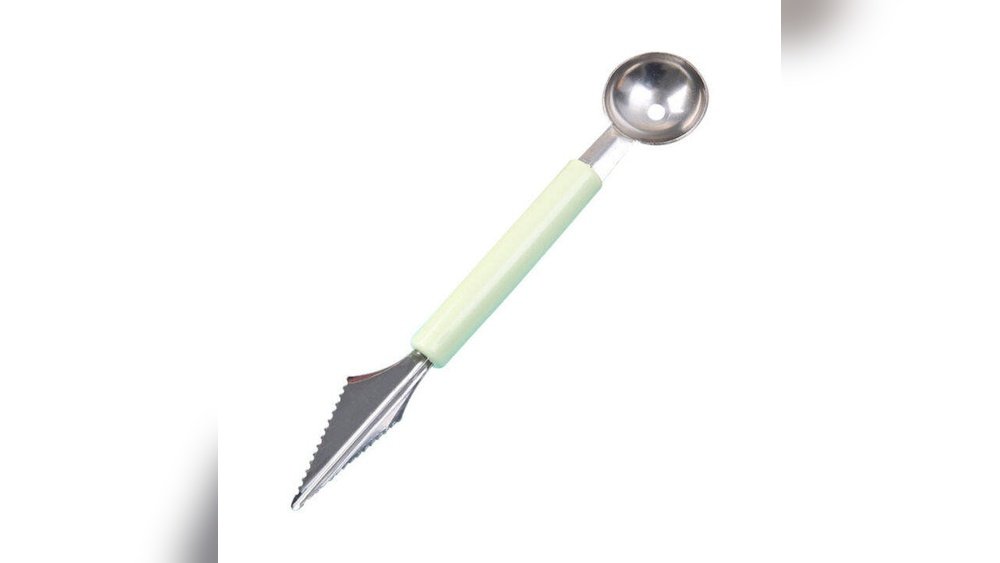
Safety Tips for Fruit Baller: Essential Guidelines for Safe Use
Using a fruit baller might seem simple, but without the right safety habits, you could risk cuts, contamination, or wasted fruit. If you want to enjoy perfectly shaped fruit balls without any accidents or health concerns, it’s important to follow a few key safety tips.
You’ll discover easy and effective ways to protect yourself and keep your fruit fresh and safe every time you use your fruit baller. Keep reading to make your fruit prep not just fun and beautiful, but safe too!
Choosing The Right Fruit Baller
Choosing the right fruit baller is key for safe and easy use. The right tool reduces strain on your hands and helps you work smoothly. Safety starts with picking a baller that fits your needs and feels comfortable. This guide covers what to look for in material, size, and grip.
Material Options
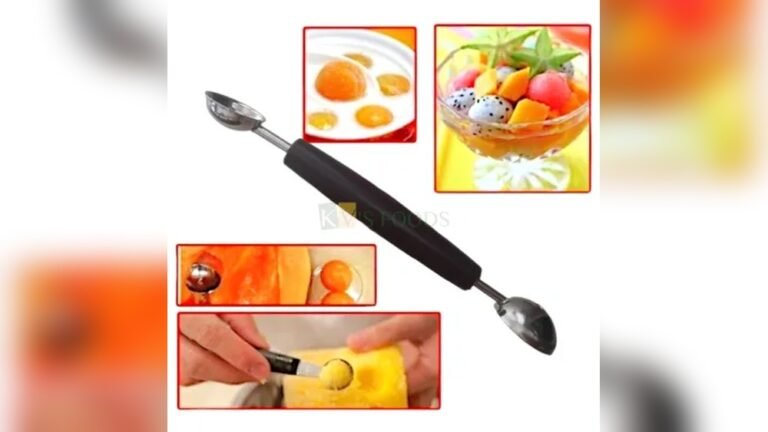
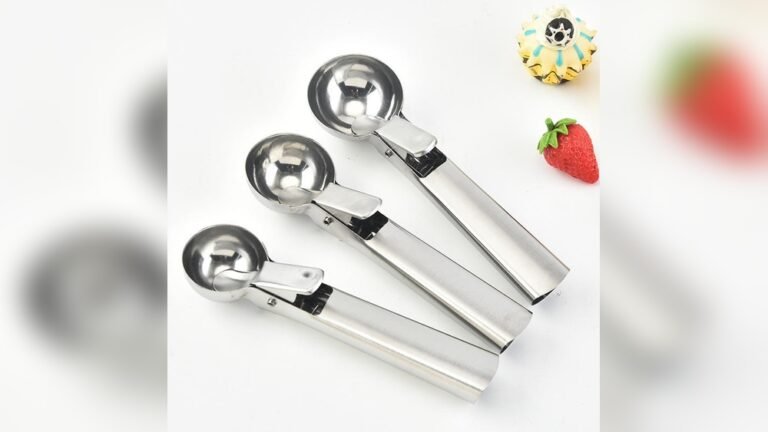
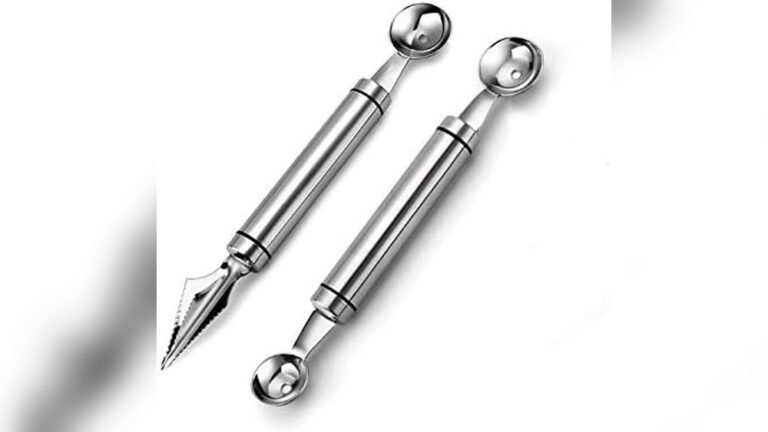
Fruit ballers come in different materials like stainless steel, plastic, and silicone. Stainless steel is strong and lasts long. It also resists rust and is easy to clean. Plastic ballers are light but may not be as durable. Silicone ballers offer a soft touch and prevent slipping. Choose a material that feels safe and sturdy in your hand.
Size And Design
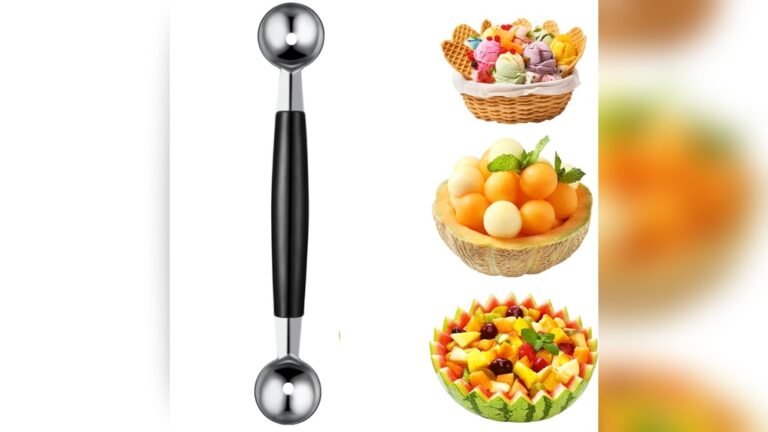
Ballers vary in size from small to large. Small ones make tiny fruit balls, perfect for garnishes. Larger ballers create bigger balls, ideal for salads or desserts. The design also matters. A smooth scoop with no sharp edges helps avoid cuts. Look for a baller that matches your fruit size and cutting style.
Grip And Comfort
Comfortable grip reduces hand fatigue and helps control the tool better. Handles with rubber or silicone covers prevent slipping. Ergonomic shapes fit your fingers well and provide good hold. A secure grip lowers the chance of accidents while scooping fruit. Pick a baller that feels natural and steady in your hand.
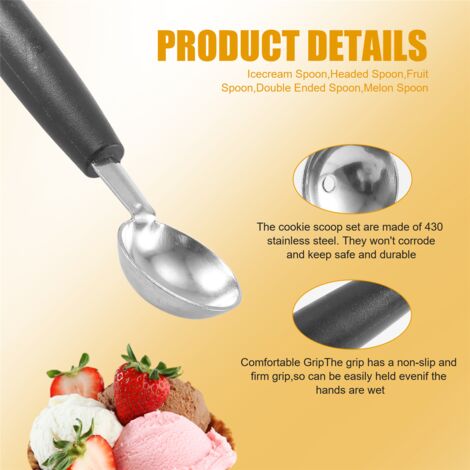
Credit: www.gilgharda.com
Preparing For Safe Use
Preparing for safe use of a fruit baller is essential to avoid accidents and ensure hygiene. Taking simple steps before you start can protect your hands and keep your workspace clean. These actions help you work smoothly and enjoy your fruit creations without worry.
Cleaning Before Use
Wash your hands thoroughly with soap and water. Clean the fruit baller with warm, soapy water to remove dirt and germs. Rinse it well and dry with a clean cloth. Also, wash the fruits to remove any pesticides or bacteria before using the baller.
Setting Up A Stable Workspace
Choose a flat and sturdy surface for your work area. Place a non-slip mat under your cutting board to prevent sliding. Keep your workspace clear of clutter to avoid accidents. Good lighting helps you see the fruit and baller clearly.
Handling Sharp Tools
Fruit ballers have sharp edges that can cut skin easily. Hold the baller firmly but gently to control it better. Always scoop away from your body and fingers. Store the baller safely after use, out of reach of children.
Techniques For Safe Operation
Operating a fruit baller safely ensures a smooth and injury-free experience. Following proper techniques reduces risks and improves precision. Focus on how to hold the tool, control movements, and protect your hands.
Proper Holding Methods
Hold the fruit baller firmly but comfortably. Use your dominant hand to grip the handle. Keep your fingers away from the sharp edges. Support the fruit with your other hand to keep it steady. This balance helps prevent slips and accidents.
Controlled Scooping Movements
Use gentle, steady pressure when scooping. Avoid forcing the baller into the fruit quickly. Rotate the baller smoothly to create even fruit balls. Slow and steady movements improve control. This method reduces the chance of slips and uneven cuts.
Avoiding Hand Injuries
Keep fingers clear of the scooping edge at all times. Use a cutting board or stable surface to hold the fruit. Do not rush the scooping process. Take breaks if your hands feel tired. Sharp tools require respect and careful handling to stay safe.

Credit: www.amazon.com
Maintaining Hygiene
Maintaining hygiene is crucial when using a fruit baller. Clean fruits and tools reduce the risk of foodborne illness. Proper hygiene ensures the fruit balls are safe and fresh to eat. Follow simple steps to keep everything clean and healthy.
Washing Fruits Thoroughly
Rinse fruits under running water before using the fruit baller. Use your hands to gently scrub the surface. Remove dirt, pesticides, and bacteria. Avoid using soap or bleach on fruits. Dry fruits with a clean towel or paper towel before cutting.
Sanitizing Utensils And Surfaces
Clean the fruit baller after each use. Wash it with warm, soapy water to remove residue. Wipe down cutting boards and countertops with a disinfectant. Use separate tools for fruits and other foods. Dry utensils completely to prevent bacteria growth.
Avoiding Cross-contamination
Keep raw fruits separate from raw meats and seafood. Use different cutting boards for fruits and other food types. Wash hands before and after handling fruits. Do not place fruit balls on unclean surfaces. Store prepared fruit balls in clean containers in the refrigerator.
Storage And Care
Proper storage and care of your fruit baller ensure its longevity and safe use. Taking simple steps after each use keeps the tool clean and ready. Storing it correctly prevents damage and contamination. Regular checks help spot any wear or defects early. These habits maintain hygiene and protect your hands during use.
Cleaning After Use
Rinse the fruit baller immediately after use to remove fruit residues. Use warm water and mild soap to clean it thoroughly. A soft brush can help reach small crevices. Dry the tool well with a clean towel to prevent rust. Avoid leaving it wet or soaking for long periods.
Safe Storage Practices
Store the fruit baller in a dry place away from moisture. Use a protective cover or drawer organizer to avoid contact with sharp objects. Keep it out of reach of children to prevent accidents. Avoid placing heavy items on top that could bend or break it. Proper storage keeps it safe and in good shape.
Regular Inspection For Damage
Check the fruit baller often for cracks or loose parts. Look for any rust spots or dull edges that may cause injury. Replace the tool if you find significant damage to avoid accidents. A well-maintained fruit baller works better and lasts longer. Regular inspections ensure safe and smooth fruit preparation.
Common Mistakes To Avoid
Using a fruit baller seems simple, but many make mistakes that cause accidents or damage. Avoiding these errors keeps you safe and extends your tool’s life. Learn which common mistakes to watch for during use and care.
Using Excessive Force
Applying too much pressure can cause the fruit baller to slip. This may lead to cuts or bruises on your hands. Use a gentle, steady grip instead. Let the sharp edges do the work. Force can also bend or break the tool. Handle it with care to keep it intact.
Skipping Cleaning Steps
Not cleaning the fruit baller properly spreads germs and bacteria. Food particles stuck on the tool can cause contamination. Wash it after each use with warm, soapy water. Dry it completely to prevent rust. Clean tools keep your fruit fresh and safe to eat.
Ignoring Wear And Tear
Fruit ballers wear down with frequent use. Dull blades lose cutting power and increase injury risk. Check your tool regularly for cracks or rust. Replace it if damaged. Using worn tools reduces safety and lowers your fruit presentation quality.
Safety Tips For Specific Fruits
Handling different fruits with a fruit baller requires care and attention. Each fruit type has unique features. These features affect how you use the tool safely. Following simple safety tips reduces accidents and keeps fruit fresh and clean. This section covers safety tips for melons, soft fruits, and hard-skinned fruits.
Handling Melons Safely
Melons have thick rinds and soft flesh inside. Wash the outside well before cutting. Dirt and bacteria can stick to the skin. Use a clean, sharp knife to cut the melon in half. Hold the melon firmly on a flat surface. Use the fruit baller gently to scoop balls. Avoid pressing too hard to prevent slipping.
Working With Soft Fruits
Soft fruits like kiwi, mango, and peaches bruise easily. Handle them gently to avoid damage. Use the fruit baller with light pressure. Always scoop from the ripe parts to keep the shape. Clean the tool often to prevent fruit buildup. This keeps the fruit balls neat and safe to eat.
Managing Hard-skinned Fruits
Hard-skinned fruits like apples and pears need extra care. Use a sturdy fruit baller or a small spoon. Cut the fruit into manageable pieces before scooping. Hold the fruit firmly to avoid slipping. Work slowly to keep the tool steady. Wash fruits and tools well to maintain hygiene.
Emergency Measures
Using a fruit baller can be fun and creative. Still, accidents may happen without warning. Knowing emergency measures helps you act quickly and stay safe. This section covers what to do if you get hurt, when to get medical help, and how to avoid future accidents.
First Aid For Cuts
Stop the bleeding by pressing a clean cloth on the cut. Wash the wound gently with water to remove dirt. Avoid using harsh soaps or alcohol. Apply an antibiotic cream to prevent infection. Cover the cut with a sterile bandage. Change the bandage daily or if it gets wet or dirty.
When To Seek Medical Help
Seek medical care if the cut is deep or won’t stop bleeding. Visit a doctor if you see signs of infection, such as redness, swelling, or pus. Also, get help if you cannot move the injured finger or hand. Tetanus shots may be needed for dirty wounds. Always choose safety over doubt when it comes to injuries.
Preventing Future Accidents
Keep your fruit baller sharp and clean to reduce slips. Use a cutting board and hold fruit firmly while working. Avoid distractions and work slowly to maintain control. Store the baller safely out of children’s reach. Wearing cut-resistant gloves adds extra protection. Regular safety checks keep accidents at bay.
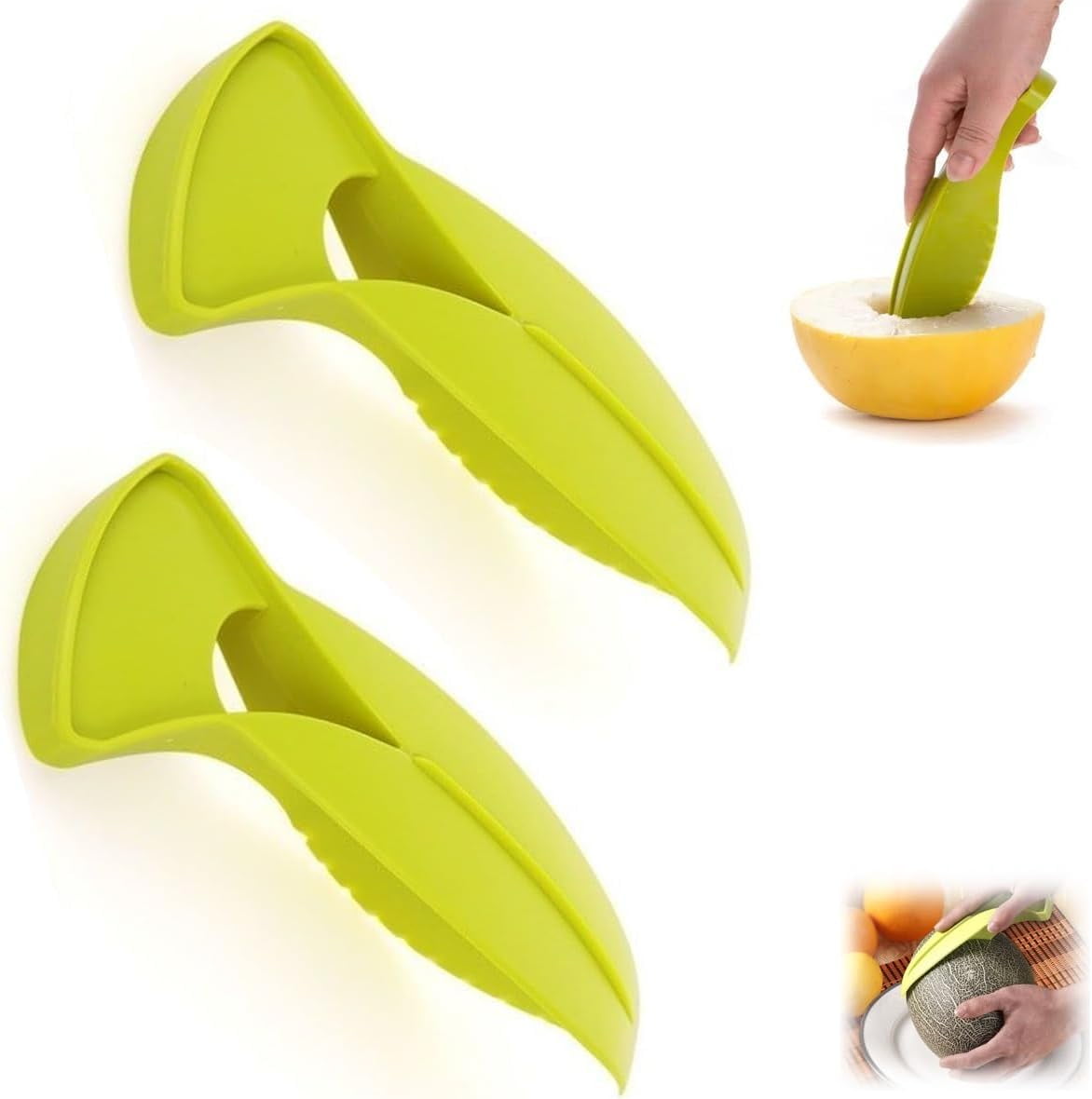
Credit: www.nutco.es
Frequently Asked Questions
What Are The Safety Requirements In Baking?
Wear oven mitts to prevent burns. Keep work surfaces clean to avoid contamination. Use sharp tools carefully. Store ingredients properly. Monitor oven temperatures closely for safe baking.
Is It Safe To Leave Sliced Melon Out On A Buffet All Day?
Leaving sliced melon out all day is unsafe. Bacteria grow rapidly between 40°F and 140°F. Discard melon left over two hours at room temperature. Always refrigerate sliced melon promptly to prevent foodborne illness.
How To Properly Use A Melon Baller?
Wash the melon thoroughly. Cut it into halves or manageable sections. Scoop the melon flesh using the melon baller. Rotate the baller with gentle pressure to form balls. Pop the melon balls out carefully. Repeat as needed for perfect, uniform melon spheres.
How To Protect Watermelon Fruit While Growing?
Place growing watermelons on straw or plastic to prevent soil contact and rot. Ensure good air circulation and avoid soggy soil. Use netting or fencing to protect from pests and animals. Regularly check for diseases and remove affected leaves promptly.
Water consistently but avoid waterlogging.
Conclusion
Using a fruit baller can make fruit preparation fun and easy. Always keep your hands and tools clean to avoid germs. Use a stable cutting board to prevent slipping. Cut slowly and carefully to avoid injuries. Store fruit properly after balling to keep it fresh.
Following these simple safety tips helps you enjoy fruit safely every time. Stay safe and enjoy your healthy snacks!