Safety Tips for Herb Stripper, Essential Guide for Safe Use
When you’re working with fresh herbs in the kitchen, using an herb stripper can save you a lot of time and effort. But have you ever thought about how to use this handy tool safely?
Whether you’re a seasoned cook or just starting out, knowing the right safety tips for your herb stripper is essential to protect your hands and keep your herbs fresh and flavorful. You’ll discover simple, practical ways to handle your herb stripper confidently and avoid common mistakes that could slow you down or cause injury.
Keep reading to make your herb prep quicker, safer, and more enjoyable!

Credit: www.amazon.com
Choosing The Right Herb Stripper
Choosing the right herb stripper makes your kitchen work easier and safer. A good tool helps strip leaves quickly without hurting your hands. It also lasts long and fits your needs well. Focus on key features for best results.
Materials And Durability
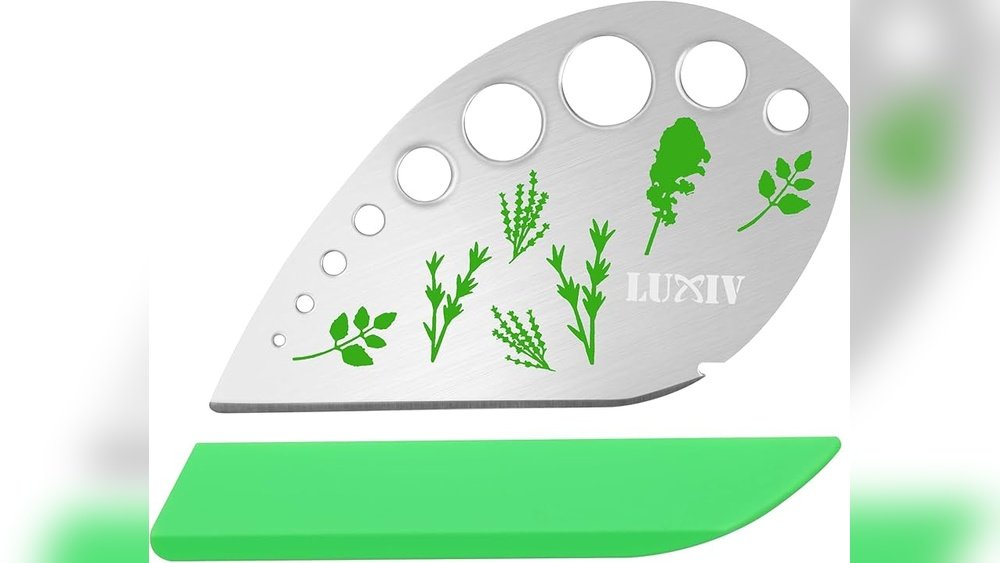
Pick herb strippers made from strong materials like stainless steel or bamboo. Stainless steel resists rust and stays sharp. Bamboo is natural and gentle on hands. Avoid cheap plastic that breaks easily. Durable tools save money and reduce waste.
Sizes And Hole Options
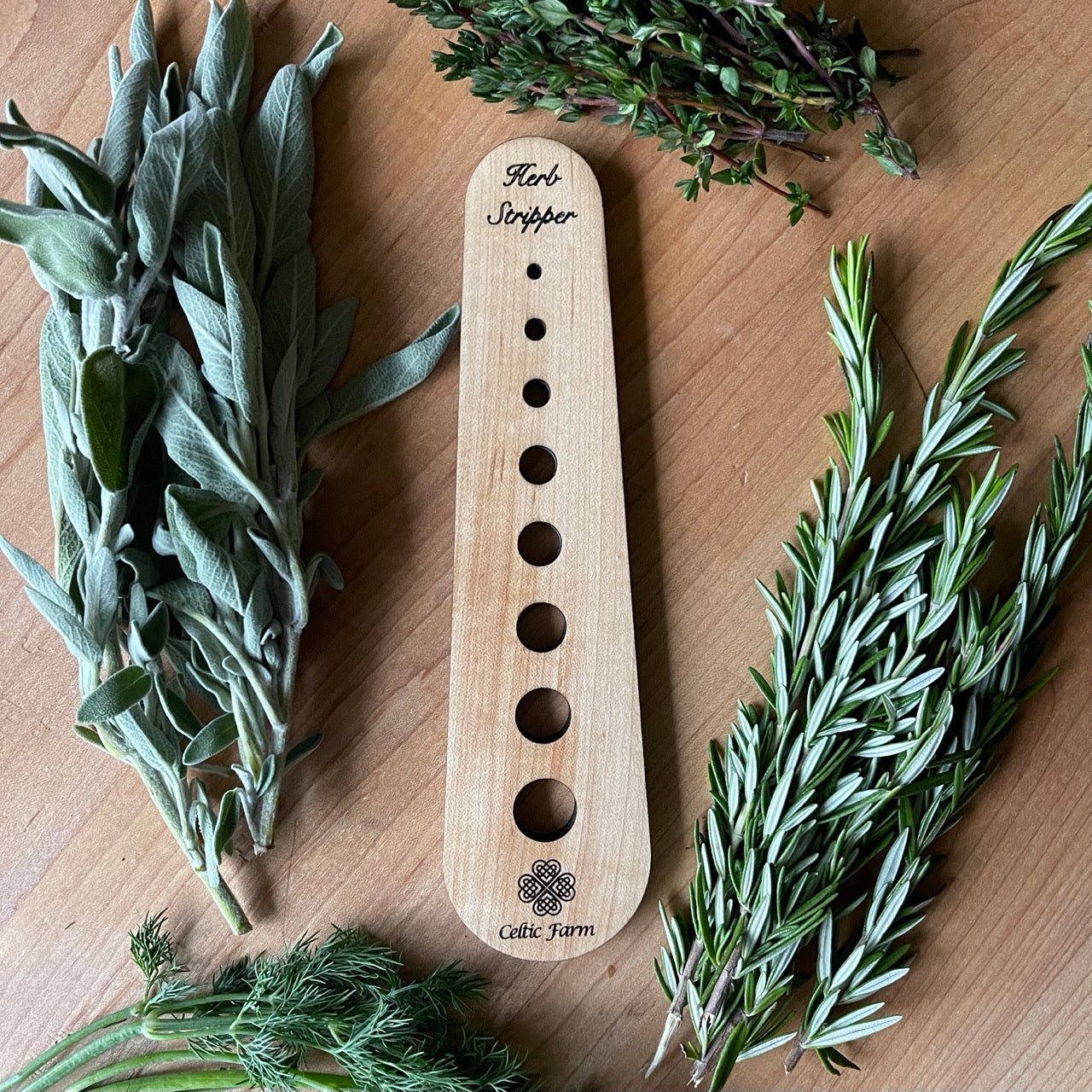
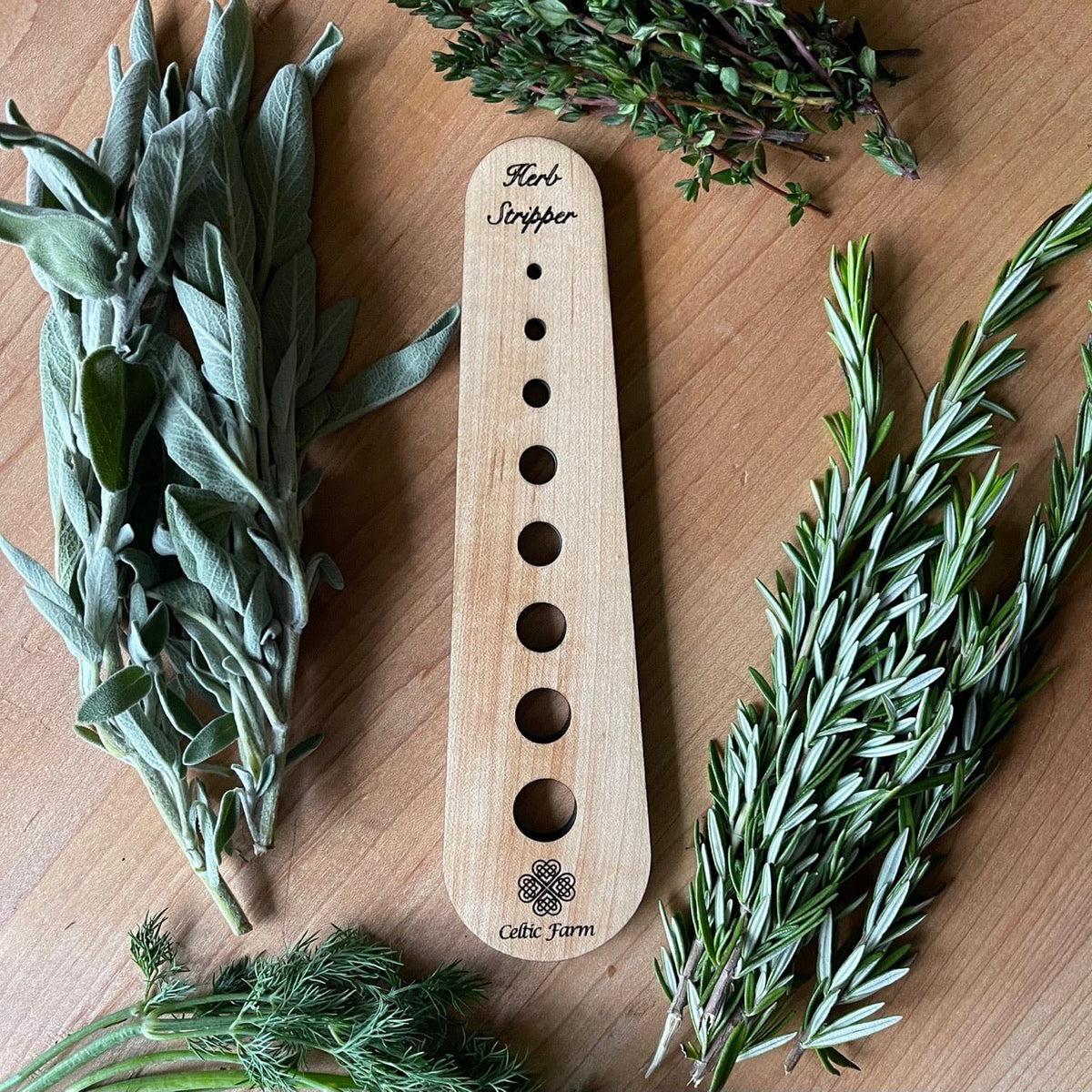
Choose a stripper with different hole sizes. Small holes work best for thyme and oregano. Larger holes fit rosemary and tarragon. Multiple sizes let you handle many herbs with one tool. This adds convenience and speeds up your cooking prep.
Ergonomic Design
Look for herb strippers with comfortable grips. Soft handles reduce hand strain during use. A good design fits your hand shape well. This helps avoid slips and accidents. Safe tools make cooking more enjoyable and less tiring.
Credit: shop.thecelticfarm.com
Preparing Herbs For Stripping
Preparing herbs for stripping ensures a smooth and safe process. Proper preparation helps protect your hands and preserves the herbs’ flavor. Follow these simple steps to get your herbs ready for easy stripping.
Selecting Suitable Herbs
Choose herbs with healthy leaves and stems. Fresh herbs like thyme, rosemary, oregano, and tarragon work well. Avoid wilted or yellow leaves. Pick stems that are firm, not brittle. This helps the herb stripper work better and prevents damage.
Washing And Drying Tips
Rinse herbs gently under cold water. Remove dirt, bugs, and dust carefully. Shake off excess water or pat dry with a clean towel. Wet herbs can slip and cause accidents. Dry herbs also preserve their flavor and texture during stripping.
Handling Woody Vs Tender Stems
Woody stems need a firmer grip and gentle pressure. They resist stripping but hold flavor well. Tender stems strip easily with light pulling. Handle each type carefully to avoid breaking or bruising. Adjust your technique based on the herb’s stem texture.
Safe Handling Techniques
Handling a herb stripper safely is important for a smooth cooking experience. Proper techniques protect your hands and keep the tool working well. Learning how to hold and use the herb stripper helps avoid accidents and damage.
Proper Grip And Pressure
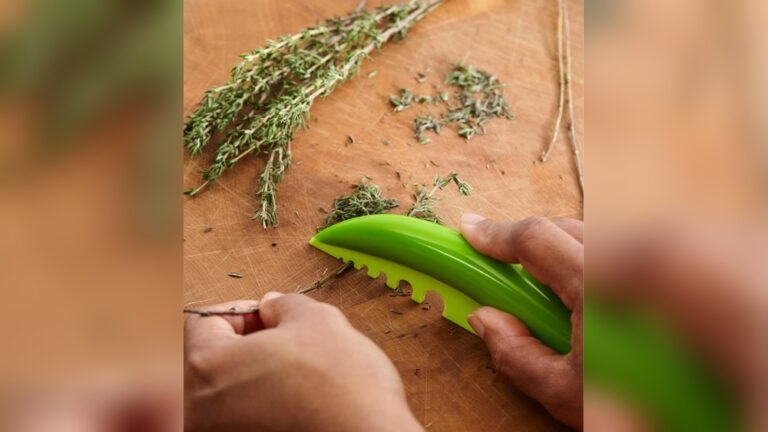
Hold the herb stripper firmly but gently. Too much pressure can crush the herbs or hurt your fingers. Use steady, even pressure to slide the herb stem through the stripper holes. This method helps remove leaves cleanly and quickly.
Avoiding Hand Injuries
Keep your fingers away from the holes while pulling herbs. Use the tool with slow, controlled movements. Sharp edges inside the stripper can cause cuts if you rush. Wearing thin gloves can add extra protection when stripping tough herbs.
Using The Tool On Different Herbs
Choose the right hole size for each herb type. Small leaves like thyme need smaller holes to strip efficiently. Larger herbs like rosemary require bigger holes to avoid tearing. Adjust your grip and speed based on the herb’s stem thickness and leaf size.
Credit: shop.thecelticfarm.com
Cleaning And Maintenance
Proper cleaning and maintenance keep your herb stripper working well. Dirt and residue can build up and affect performance. Regular care extends the life of your tool and ensures safety during use.
Follow simple steps to clean and store your herb stripper correctly. Avoid damage and keep it ready for your next cooking session.
Dishwasher Vs Hand Wash
Many herb strippers are dishwasher safe. Check the product label to confirm this. Dishwashers clean quickly and sanitize well. However, hand washing is gentler on the material. Use warm water and mild soap. Rinse thoroughly to remove all soap. Dry completely before storing to prevent rust or mold.
Preventing Material Damage
Avoid harsh chemicals and abrasive scrubbers. They can scratch or weaken the surface. For wooden herb strippers, oil the wood occasionally. This prevents cracking and keeps it smooth. Keep metal parts dry to stop rust. Handle with care to avoid dropping or bending.
Storage Recommendations
Store your herb stripper in a dry place. Avoid humid areas like near the sink. Use a drawer organizer or hang it on a hook. Keep it separate from heavy or sharp objects. Proper storage protects the tool and keeps your kitchen tidy.
Common Mistakes To Avoid
Using a herb stripper can save time and effort in the kitchen. Avoiding common mistakes helps keep the process safe and efficient. Knowing what not to do protects both you and your tool. Below are frequent errors to watch for.
Forcing Large Stems
Herb strippers work best on small, tender stems. Pushing large or thick stems can cause the tool to break. It may also hurt your hand if the stem slips. Cut big stems into smaller pieces before stripping. This keeps the tool in good shape and avoids accidents.
Ignoring Safety Precautions
Always use the herb stripper on a stable surface. Avoid rushing or using too much force. Keep fingers away from the stripping holes to prevent cuts. Clean and dry the tool after each use to prevent slipping. Following safety steps reduces the risk of injury.
Using Improper Cleaning Methods
Do not use harsh chemicals or abrasive scrubbers on your herb stripper. These can damage the material and make it unsafe. Wash with warm, soapy water and a soft brush. Dry it completely before storing. Proper cleaning extends the tool’s life and keeps it safe to use.
Enhancing Efficiency
Enhancing efficiency when using an herb stripper saves time and effort in the kitchen. Proper methods help you handle herbs faster and keep them fresh. Small changes can make a big difference in your herb preparation process.
Batch Stripping Tips
Prepare herbs in batches to speed up the process. Gather a bunch of herbs and strip leaves all at once. This reduces the need to switch tools or clean often. Work on one herb type at a time for better results.
Keep your hands dry to avoid slipping. A firm grip on the herb stems helps pull leaves off smoothly. Clean your herb stripper regularly to maintain its sharpness and ease of use.
Using Freezer Bags For Storage
Store stripped herbs in freezer bags to keep them fresh longer. Remove as much air as possible before sealing the bag. Label each bag with the herb name and date for easy identification.
Lay bags flat in the freezer for quick thawing and space saving. This method prevents herbs from clumping together. Frozen herbs retain their flavor and are ready for cooking anytime.
Combining Tools For Herb Prep
Use other kitchen tools alongside your herb stripper to boost efficiency. A sharp knife can help trim stems quickly. A small bowl or tray collects leaves as you strip them.
Combine herb strippers with scissors for delicate herbs. Scissors allow precise cuts on tough stems. Mixing tools reduces waste and speeds up the entire herb prep process.
Frequently Asked Questions
How Do You Strip Herbs Quickly?
Hold the herb stem near the top. Slide your fingers downward to pull leaves off quickly. Use a herb stripper tool for faster results.
What Herbs Are Best Stripped?
Thyme, rosemary, oregano, tarragon, and marjoram are best stripped. Their small leaves and woody stems make stripping easy and efficient.
Are Herb Stripping Tools Durable?
Herb stripping tools are durable, often made from stainless steel or hardwood. They resist wear, are BPA-free, and dishwasher safe for long-lasting use.
What Is The Safest Way To Use A Herb Stripper?
Always hold the herb stripper firmly and pull herbs gently. Avoid forcing stems through small holes to prevent injury. Use appropriate hole size for different herb stems to maintain control and safety.
Conclusion
Using an herb stripper safely ensures a smooth kitchen experience. Always keep your fingers clear from the tool’s holes. Clean the stripper after each use to avoid build-up. Choose a sturdy, non-toxic herb stripper for durability. Handle the tool with care to prevent accidents.
Following these simple tips helps protect your hands and speeds up cooking. Enjoy fresh herbs without any hassle or injury. Safety first—your best kitchen helper works best that way.