Safety Tips for Lettuce Knife: Essential Hacks for Safe Cutting
When you’re slicing fresh lettuce for a crisp salad, the last thing you want is to worry about cuts or accidents. Using the right lettuce knife can make your kitchen work smoother and safer—but only if you know how to handle it correctly.
Are you confident that you’re using your lettuce knife the safest way possible? You’ll discover simple yet powerful safety tips that protect your fingers and keep your kitchen accident-free. Keep reading to learn how to cut, store, and care for your lettuce knife so every meal prep feels safe and stress-free.
Your hands will thank you!
Choosing The Right Lettuce Knife
Choosing the right lettuce knife makes cutting safer and easier. The knife should fit your hand well and suit the lettuce type. The blade material and edge type also affect performance and safety. Below are key points to consider for the best lettuce knife choice.
Plastic Vs Metal Blades
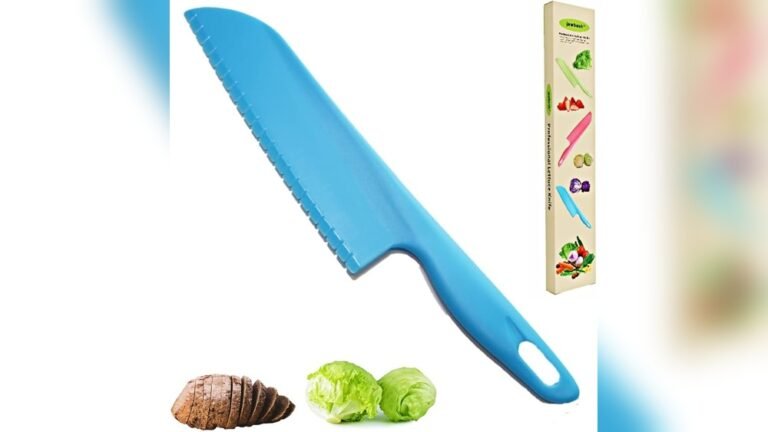
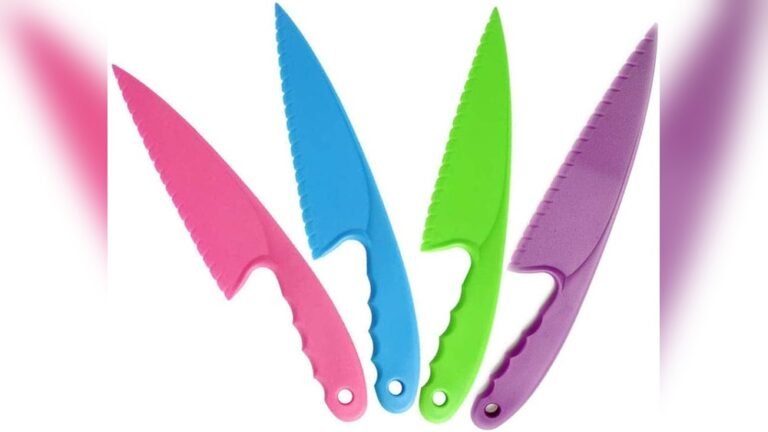
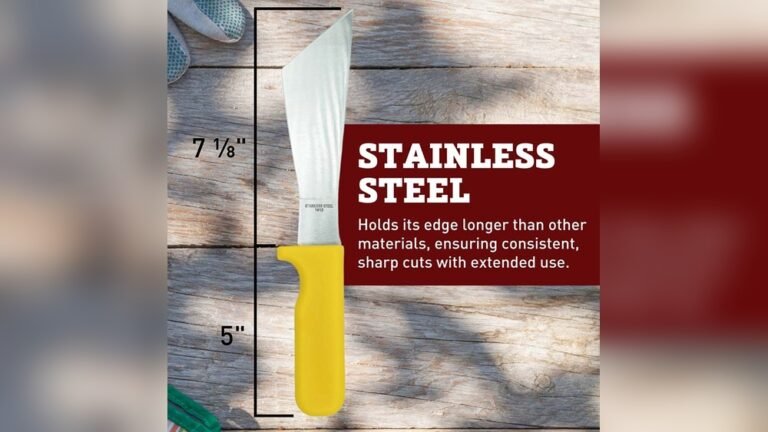
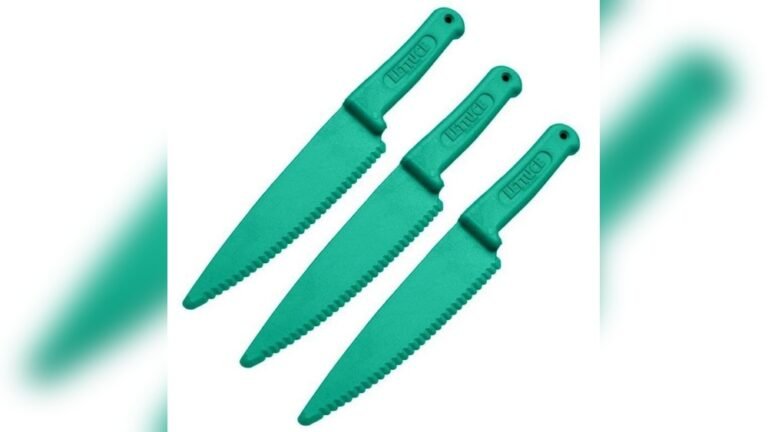
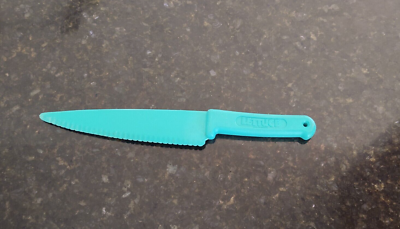
Plastic blades are gentle on lettuce leaves and reduce bruising. They are less sharp, lowering the risk of cuts. Metal blades cut more precisely but need careful handling. Choose plastic for safety and metal for clean cuts.
Serrated Edge Benefits
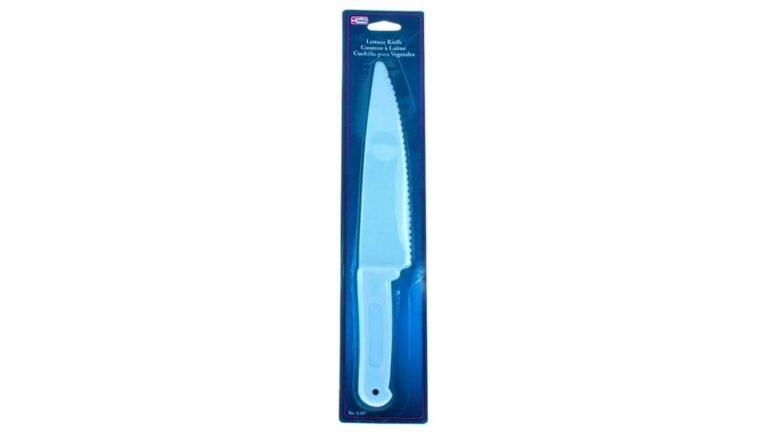
Serrated edges grip lettuce layers firmly. They cut through tough stems without slipping. This reduces hand strain and accidental slips. Serrated knives offer better control and safer cutting.
Knife Size And Grip
The knife size should match your hand comfortably. A small knife may slip, a large one feels heavy. Look for a handle with a non-slip grip. This prevents accidents and improves cutting accuracy.
Preparing For Safe Cutting
Preparing for safe cutting is essential before using a lettuce knife. It helps prevent accidents and ensures smooth slicing. A few simple steps can make your cutting experience safer and more efficient.
Paying attention to your workspace setup reduces the risk of slips or injuries. Organize your tools and environment carefully. A stable and well-lit area supports precise cuts and control over the knife.
Selecting A Stable Cutting Surface
Choose a flat, sturdy surface for cutting lettuce. Avoid glass or slippery countertops. A wooden or plastic cutting board works best. These materials hold the knife steady and protect your blade from damage.
Make sure the surface does not wobble or move during cutting. Stability keeps your hand steady and reduces chances of slipping. This is key to safe and effective lettuce preparation.
Securing The Cutting Board
Place a damp cloth or non-slip mat under your cutting board. This stops it from sliding while you cut. Keep the board firmly in place to maintain control over your knife.
A secured board prevents accidents caused by sudden shifts. It also helps you cut lettuce evenly and safely. Check the board’s position before each use.
Ensuring Proper Lighting
Good lighting is crucial for safe cutting. It helps you see the lettuce clearly and avoid mistakes. Use bright, natural light or a focused kitchen lamp.
A well-lit area reduces eye strain and improves accuracy. Avoid shadows that can hide parts of the lettuce or your knife’s blade. Bright lighting keeps your cutting process safe and precise.
Knife Handling Techniques
Proper knife handling techniques are crucial for safety when using a lettuce knife. These skills help prevent accidents and ensure smooth cutting. Practicing correct methods also improves control and efficiency in the kitchen.
Holding The Knife Correctly
Grasp the handle firmly but not too tight. Hold the knife with your dominant hand. Place your thumb and index finger on opposite sides of the blade’s base. This grip offers better control and balance. Keep your other fingers wrapped around the handle securely.
Cutting Away From The Body
Always direct the knife blade away from your body. This reduces the chance of injury if the knife slips. Position your hand holding the lettuce so it stays clear of the cutting path. Move slowly and steadily while slicing to maintain safety.
Maintaining An Arm’s Length Distance
Keep a safe distance between your body and the cutting area. Stand back at least an arm’s length from the board. This gives you enough space to work comfortably and safely. Avoid leaning too close to avoid accidental cuts or slips.
Credit: www.ebay.com
Cutting Tips For Lettuce
Cutting lettuce might seem simple, but using the right techniques improves safety and precision. Proper cutting helps keep the lettuce fresh and prevents accidents. Follow these easy tips to handle your lettuce knife safely and cut better every time.
Creating A Flat Surface For Stability
Always start by making a flat surface on the lettuce. Cut a small slice from the base or side to create a stable platform. This stops the lettuce from rolling or slipping while you cut. A steady lettuce is easier to cut and safer.
Using Gentle, Controlled Motions
Use slow and steady movements with your knife. Avoid fast or jerky cuts that might cause the knife to slip. Gentle cutting keeps the blade under control and reduces the risk of injury. Controlled motions also help you cut lettuce evenly.
Avoiding Excessive Pressure
Do not press too hard with the knife. Lettuce is soft and does not need strong force to cut through. Excessive pressure can damage the leaves and cause the knife to slip. Light, even pressure makes slicing smooth and safe.
Maintaining Knife Sharpness
Maintaining the sharpness of your lettuce knife is crucial for safe and efficient cutting. A sharp blade cuts cleanly through leaves, reducing the effort needed and lowering the risk of slipping. Dull knives force you to use more pressure, increasing chances of accidents.
Regular care of your knife’s edge keeps it performing well and extends its lifespan. This section covers simple steps to keep your lettuce knife sharp and safe to use.
Regular Sharpening Intervals
Set a schedule to sharpen your lettuce knife often. Frequent sharpening prevents the blade from becoming dull. For home use, sharpen every few weeks or after heavy use. Commercial kitchens may require daily or weekly sharpening.
Check the blade’s edge before use. If it feels blunt or struggles to cut, sharpen it right away. Maintaining this habit avoids accidents and improves cutting precision.
Using Proper Sharpening Tools
Use tools designed for kitchen knives to sharpen your lettuce knife. A whetstone, honing rod, or electric sharpener works best. Avoid rough or inappropriate tools that can damage the blade.
Follow the manufacturer’s instructions for your sharpening tool. Use gentle, consistent strokes to maintain the correct blade angle. Proper sharpening tools keep the edge even and strong.
Checking For Blade Damage
Inspect your knife regularly for chips, cracks, or bends in the blade. Damaged blades reduce cutting safety and quality. A blade with visible damage should be repaired or replaced immediately.
Run your finger carefully along the edge to feel for rough spots. Look closely at the blade under good light. Detecting damage early prevents injuries and preserves your knife’s performance.
Cleaning And Storing Lettuce Knives
Proper cleaning and storage of lettuce knives keep them safe and long-lasting. Dirt and food particles can dull the blade and cause bacteria buildup. Storing the knife correctly prevents accidents and maintains its sharpness. Follow these simple steps to care for your lettuce knife.
Safe Washing Practices
Wash the lettuce knife by hand immediately after use. Use warm water and mild dish soap. Clean both sides of the blade carefully. Avoid harsh scrubbing that can damage the blade. Dry the knife thoroughly with a clean towel. Never put the lettuce knife in the dishwasher. The heat and detergent can harm the blade and handle.
Avoiding Soaking In Water
Do not soak the lettuce knife in water for long periods. Soaking can loosen the handle and cause rust on the blade. Water trapped in the handle can lead to mold growth. Rinse the knife quickly and dry it right away. Keeping the knife dry prevents damage and keeps it safe for use.
Proper Knife Storage Methods
Store the lettuce knife in a knife block or on a magnetic strip. These methods protect the blade from dulling and reduce injury risk. Avoid tossing the knife into a drawer with other utensils. Use a blade guard if you must store it in a drawer. Keep the knife out of reach of children. Proper storage keeps the knife sharp and your kitchen safe.
Safety Tips For Kids Using Lettuce Knives
Introducing kids to the kitchen can be fun and educational. Lettuce knives offer a safe way for children to practice cutting. These knives are designed to cut soft vegetables without sharp edges. Teaching kids how to use them properly helps build confidence and safety habits early.
Choosing Toddler-friendly Knives
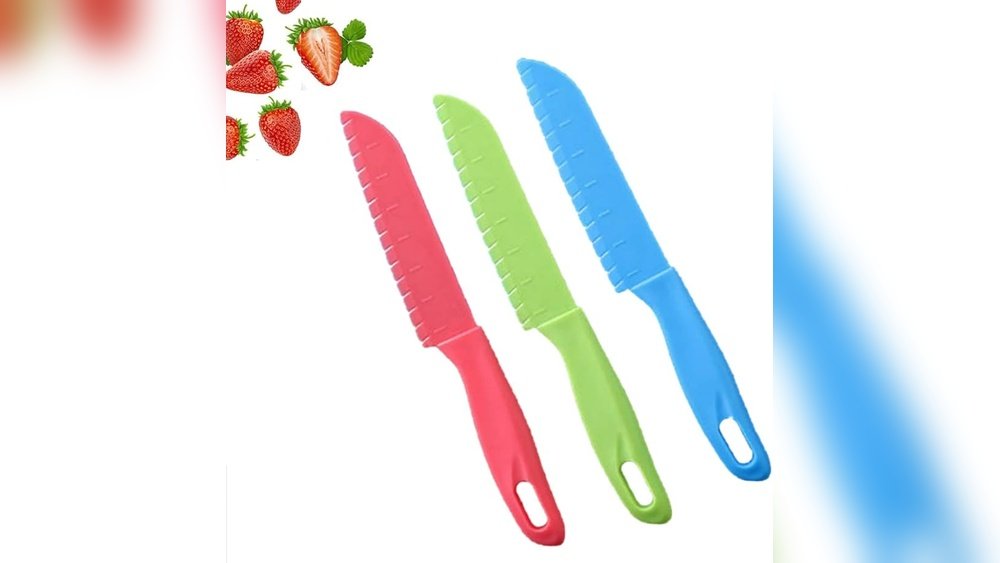
Select knives made specifically for toddlers. Look for blunt edges and lightweight designs. Plastic or nylon blades are ideal for soft foods like lettuce. Avoid metal knives or sharp tools at this stage. Choose knives that fit small hands comfortably. This reduces the risk of slips and accidents.
Supervised Cutting Activities
Always watch kids closely during cutting tasks. Stay nearby to guide their hand movements. Create a safe cutting space with a stable board. Teach kids to cut slowly and carefully. Limit cutting sessions to short periods to keep focus. Supervision ensures quick help if needed.
Teaching Basic Knife Safety
Explain simple rules before cutting begins. Show kids to hold the knife handle firmly. Teach them to cut away from their body and fingers. Encourage using a flat surface for stability. Remind children never to run with knives. Praise careful behavior to build good habits.

Credit: us.amazon.com
Common Mistakes To Avoid
A lettuce knife is a handy tool in the kitchen. Using it safely prevents accidents and injuries. Many people make simple mistakes that lead to slips or cuts. Avoiding these errors keeps your hands safe and your food fresh. Here are some common mistakes to watch out for when using a lettuce knife.
Cutting On Unstable Surfaces
Always use a stable cutting board when slicing lettuce. Unsteady surfaces cause the knife to slip. This increases the chance of injury. Avoid cutting on plates, bowls, or countertops without a board. Place a damp cloth under the board for extra stability. A firm base lets you cut safely and cleanly.
Using Dull Or Damaged Knives
Dull lettuce knives are more dangerous than sharp ones. They require more force, which can lead to slips. Check your knife regularly for chips or cracks. Replace or sharpen the knife if it is damaged. A sharp, intact blade cuts lettuce easily and reduces accidents.
Improper Knife Carrying Methods
Carry your lettuce knife with care. Never hold it by the blade or point it towards others. Hold the handle firmly with the blade facing down. Use a knife sheath or cover when transporting the knife. Safe carrying prevents accidental cuts and protects the blade.

Credit: www.jlhufford.com
Frequently Asked Questions
What Are The 5 Knife Safety Rules?
1. Always cut away from your body to avoid injuries. 2. Use a sharp knife for safer, cleaner cuts. 3. Cut on a stable, non-slip surface. 4. Store knives securely when not in use. 5. Carry knives with blades pointing downward.
How Do You Store A Lettuce Knife Safely?
Store a lettuce knife in a knife block, magnetic strip, or protective sheath to prevent damage and ensure safety. Keep it dry and out of reach of children. Regularly clean and dry before storing to maintain hygiene and blade quality.
What Are The 9 Safety Guidelines For Knives?
1. Always use a sharp knife suited for the task. 2. Cut on a stable, non-slip surface. 3. Hold the knife firmly and cut away from your body. 4. Keep fingers clear of the blade. 5. Store knives safely when not in use.
6. Pass knives handle-first. 7. Never leave knives in sinks. 8. Wash knives carefully by hand. 9. Use proper cutting techniques and stay focused.
What Are The 12 Knife Safety Tips?
Use a sharp knife and cut on a stable surface. Always cut away from your body. Keep fingers clear of the blade. Store knives safely and dry. Wash knives carefully by hand. Carry knives with blades down. Use the right knife for each task.
Avoid distractions while cutting. Keep knives clean. Never catch a falling knife. Train regularly on knife safety. Dispose of damaged knives properly.
Conclusion
Using a lettuce knife safely protects you and others in the kitchen. Always cut on a steady surface to avoid slips. Keep the blade sharp for easier, safer cutting. Store the knife carefully, away from children’s reach. Handle the knife with attention to prevent accidents.
Practicing these simple steps helps maintain safety and efficiency. Stay mindful and enjoy preparing fresh, healthy salads without worry. Safety first—every time you use your lettuce knife.