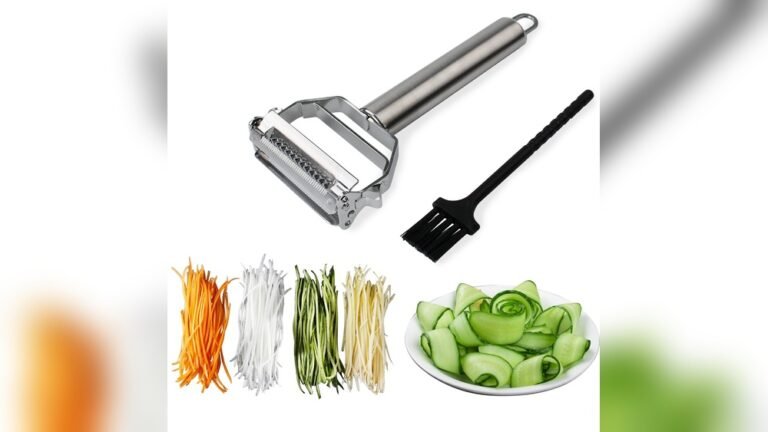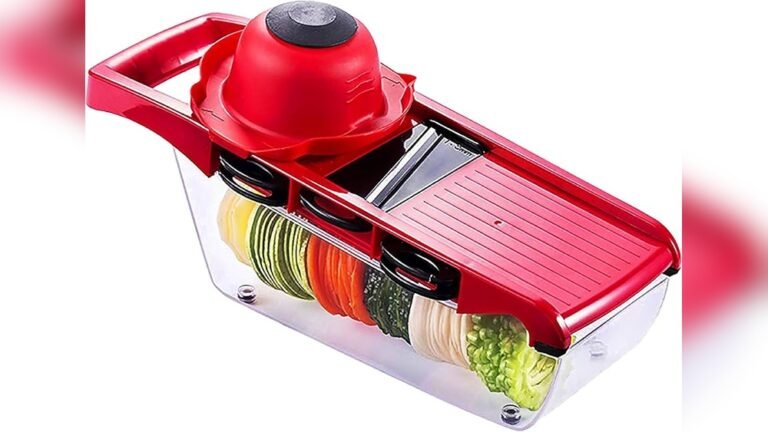
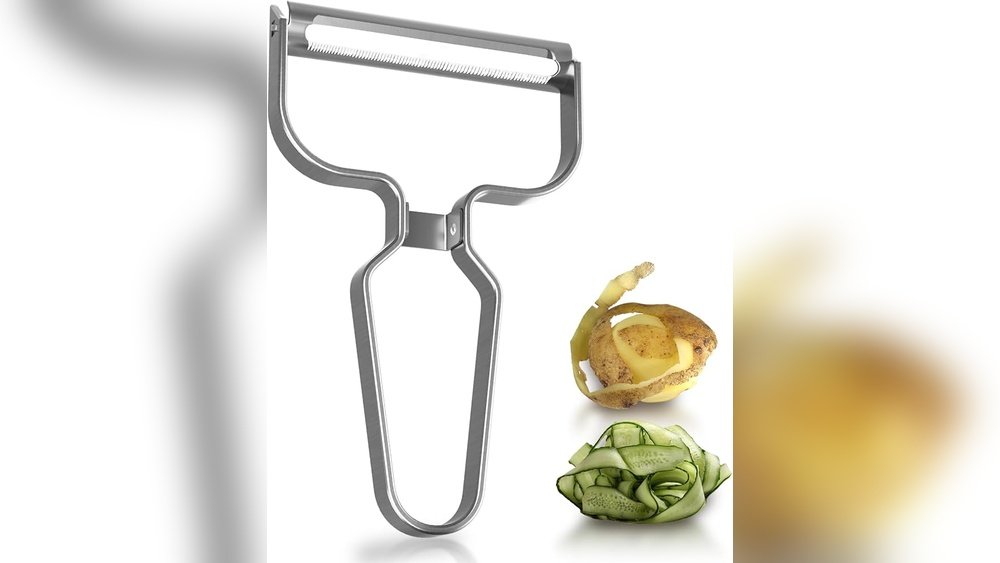
Safety Tips for Vegetable Julienne Peeler: Essential Precautions
Using a vegetable julienne peeler can transform your cooking, turning ordinary veggies into beautiful, thin strips that add flair to any dish. But here’s the truth: without the right safety habits, this handy kitchen tool can cause frustrating slips or even cuts.
You want to enjoy the ease and elegance a julienne peeler brings — not worry about accidents every time you use it. That’s why knowing simple, effective safety tips is a must. You’ll discover how to handle your vegetable julienne peeler confidently, protect your fingers, and make peeling faster and safer.
Keep reading to master your peeler and chop like a pro without the risk.
Choosing The Right Julienne Peeler
Choosing the right julienne peeler is essential for safe and efficient vegetable preparation. The right tool reduces the risk of injury and makes peeling easier. Several factors influence the best choice for your kitchen needs. Consider the type of peeler, the blade material, and the handle design. These elements affect control, comfort, and safety during use.
Types Of Peelers
Julienne peelers come in different styles. Some have straight blades, while others feature serrated edges. Straight blade peelers create smooth, uniform strips. Serrated blade peelers work well on slippery or waxy vegetables. Choose a type that suits the vegetables you peel most often. Some peelers offer dual functions with interchangeable blades. This versatility can save space and provide more options.
Blade Materials
Blade quality impacts sharpness and durability. Stainless steel blades are common and resist rust well. High-carbon steel blades stay sharp longer but may require more care. Ceramic blades offer sharpness and resist corrosion but can chip easily. A sharp blade reduces the need for excessive force. Less force means less chance of slipping and injury. Regularly check the blade condition and replace if dull or damaged.
Ergonomic Handles
Comfortable handles improve grip and control. Look for peelers with non-slip, cushioned grips. Ergonomic shapes fit the hand naturally, reducing fatigue. A secure grip helps prevent slips during peeling. This is especially important when handling wet or oily vegetables. Some handles have finger guards for extra safety. Well-designed handles make peeling safer and more enjoyable.
Preparing For Safe Use
Preparing your vegetable julienne peeler for safe use is essential to avoid accidents. Taking a few careful steps before peeling helps keep your hands safe. Proper preparation also ensures the peeler works smoothly and lasts longer.
Focus on cleaning, checking the peeler, and using protective covers. These steps prevent injuries and maintain hygiene. Let’s explore the key preparations for safe use.
Cleaning And Drying
Clean the peeler before every use. Wash it with warm, soapy water to remove dirt and food. Rinse well to get rid of soap. Dry the peeler completely with a clean towel. Wet peelers can slip and cause cuts. Drying also stops rust from forming on the blade.
Inspecting The Peeler
Check the blade for any damage or dullness. A sharp blade cuts better and is safer. Look for cracks or loose parts on the handle. A loose handle can cause the peeler to slip. Replace the peeler if you find any damage. Using a damaged peeler increases the risk of injury.
Using Protective Covers
Always cover the blade when the peeler is not in use. Use the plastic cover that comes with the peeler. This prevents accidental cuts when reaching into drawers. Store the peeler in a safe place, out of reach of children. Protective covers keep the blade sharp and your fingers safe.
Proper Peeling Techniques
Using a vegetable julienne peeler safely starts with proper peeling techniques. These techniques help prevent injuries and make peeling easier. Following the right steps keeps your hands safe and your work smooth. Focus on how you hold the vegetable and move the peeler. Small adjustments can improve safety a lot.
Holding The Vegetable Securely
Hold the vegetable firmly in one hand. Use your fingers to grip it tightly. Place your thumb on top for extra support. Keep your fingers away from the blade. A stable hold stops the vegetable from slipping. This reduces the chance of cutting yourself.
Peeling Away From The Body
Always peel away from your body. This keeps the sharp blade moving in a safe direction. Avoid pulling the peeler towards your hand or wrist. Peeling outward lowers the risk of injury. Keep your body clear of the peeling path.
Using Smooth, Controlled Motions
Use slow and steady strokes with the peeler. Avoid quick or jerky movements. Smooth motions give you better control over the blade. Controlled peeling reduces accidents and waste. Let the peeler do the work without forcing it.

Credit: www.amazon.com
Avoiding Common Mistakes
Using a vegetable julienne peeler requires care to avoid injuries. Many common mistakes can cause cuts or slips. Understanding these errors helps you peel safely and efficiently. Below are key points to keep in mind while using your peeler.
Peeling Toward Yourself
Peeling toward yourself increases the risk of cutting your fingers. The blade may slip if it meets resistance. Always peel away from your body to keep your hands safe. This simple change reduces accidents significantly.
Applying Excessive Force
Pressing too hard can cause the peeler to jump or break the vegetable. It also makes the blade dull faster. Use gentle, steady pressure for smooth, even peeling. Let the sharp blade do the work for you.
Ignoring Hand Position
Keep your non-peeling hand clear of the blade path. Curl your fingers slightly inward to protect them. A wrong hand position can lead to painful cuts. Stay mindful of where your fingers are at all times.
Maintaining Safety While Julienne Cutting
Maintaining safety while using a vegetable julienne peeler is crucial for a smooth cooking experience. The sharp blades demand careful handling to avoid cuts. Simple habits can greatly reduce the risk of injury. Focus and the right techniques keep your fingers safe and your work steady.
Stacking Vegetables For Stability
Stacking vegetables before peeling creates a firm base. It stops them from rolling or slipping during cutting. Place the pieces evenly to balance the stack. This method keeps the vegetable steady, so the blade moves smoothly. Stable vegetables help prevent accidents caused by sudden slips.
Keeping Fingers Curled
Always curl your fingers inward on the hand holding the vegetable. This position keeps fingertips away from the blade. Use your knuckles to guide the peeler gently along the vegetable. Curled fingers reduce the chance of cutting yourself. This small habit makes a big difference in safety.
Using A Non-slip Surface
Work on a non-slip surface or cutting board to avoid slips. Place a damp cloth or non-slip mat under the board. This stops the board from moving while you peel. A stable surface gives you better control of the julienne peeler. Safe peeling means less chance of accidents and faster prep time.

Credit: exileshmagazine.com
Cleaning And Storing Safely
Cleaning and storing your vegetable julienne peeler correctly keeps it sharp and safe. Dirt and food bits can stay on the blades if not cleaned well. This can cause bacteria growth and make the peeler unsafe to use. Proper drying prevents rust and damage. Safe storage protects the blade and prevents accidents. Follow these steps to keep your peeler in good shape.
Removing Food Residue Carefully
Use a soft brush or sponge to remove food stuck on the blades. Avoid using your fingers directly to prevent cuts. Rinse under warm water to wash away small bits. For tough residue, soak the peeler in warm soapy water. Clean each blade area gently to keep it sharp.
Drying And Covering Blades
Dry the peeler with a clean towel immediately after washing. Make sure no water remains on the blade to stop rust. Use a blade cover or sheath to protect the sharp edges. Covering blades also prevents accidental cuts while handling. Store the peeler only when fully dry and covered.
Safe Storage Practices
Keep the peeler in a separate drawer or container. Avoid mixing it with other utensils that can dull the blade. Store it out of reach of children to avoid injuries. Use blade guards for extra safety in shared kitchens. A dry, clean place helps maintain the peeler’s quality for longer.
When To Replace Your Peeler
Knowing when to replace your vegetable julienne peeler is key for safe use. A worn-out peeler can cause accidents and damage your vegetables. Regular checks help you spot problems early. This way, you keep your kitchen tasks smooth and injury-free.
Signs Of Dull Blades
Dull blades make peeling harder and unsafe. You will notice more pressure is needed. The peeler may slip off the vegetable. This increases the risk of cuts. If your peeler no longer slices cleanly, it is time to replace it.
Handle Damage
Cracks or loose parts on the handle reduce control. A weak handle can break during use. This can cause sudden slips and injuries. Replace your peeler if the handle is damaged or feels unstable.
Compromised Safety Features
Many peelers have covers or guards for the blades. These protect your fingers when not peeling. If these safety parts are missing or broken, the risk of cuts rises. Do not use a peeler without proper safety features.
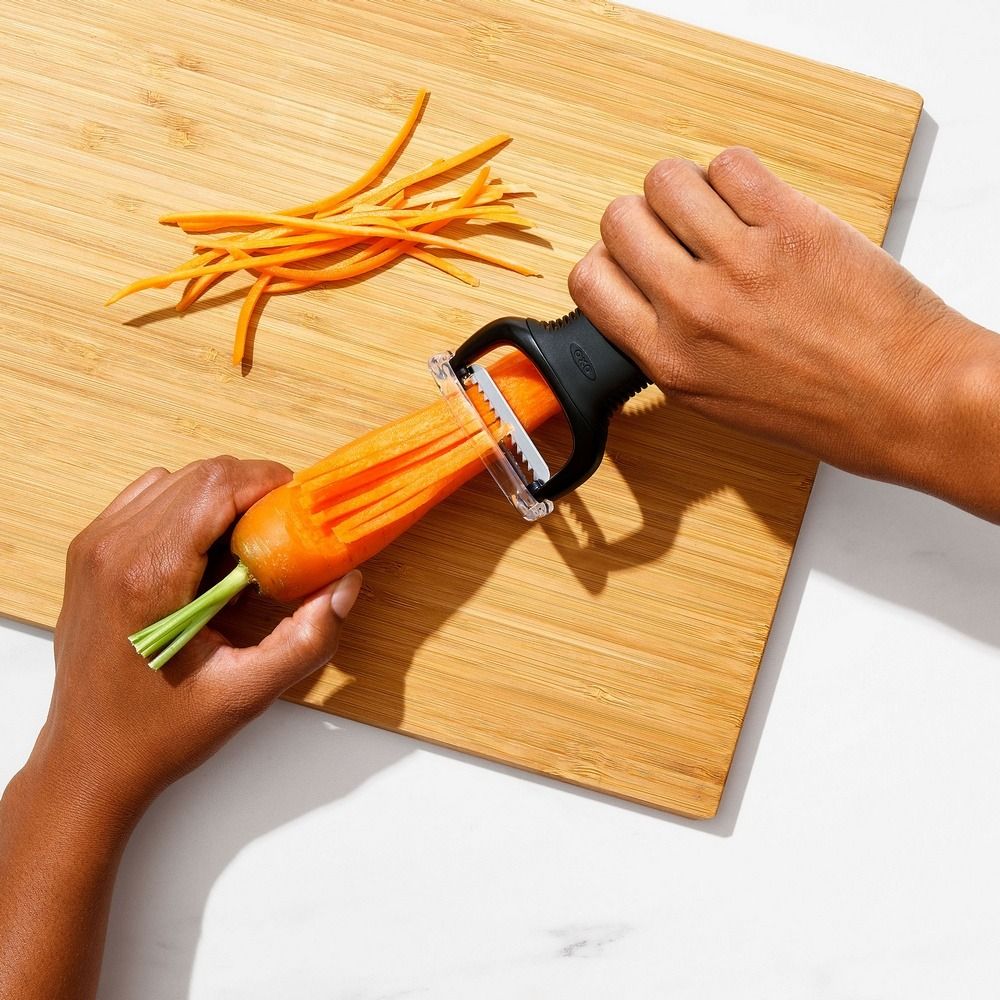
Credit: clinicamedca.com
Frequently Asked Questions
How To Use A Vegetable Peeler Safely?
Hold the vegetable firmly and peel away from your body using smooth, controlled strokes. Keep fingers curled and dry. Cover the blade when not in use. Avoid peeling towards your hand to prevent cuts. Use a stable surface or cutting board for better control and safety.
How Do I Julienne Round Vegetables Safely?
Hold the round vegetable firmly and cut it into flat slices first. Stack slices, then slice into thin, even strips. Keep fingers curled and use a sharp knife. Always cut away from your body on a stable cutting board for safe julienne cuts.
What Are Some Common Peeler Mistakes?
Common peeler mistakes include peeling towards yourself, using dull blades, applying uneven pressure, and not securing the vegetable properly. Always peel away from your body with a sharp peeler and steady hands to avoid injuries and ensure smooth peeling.
What Are The Safety Measures When Cutting Vegetables?
Keep fingertips curled inward to avoid cuts. Always cut away from your body. Use a stable cutting board with a non-slip mat. Ensure knives are sharp and handle them carefully. Dry hands and tools before cutting to prevent slipping.
Conclusion
Using a vegetable julienne peeler safely protects your fingers and hands. Always hold the vegetable firmly and peel away from your body. Take your time with each stroke to avoid slips. Keep the blade covered when not in use to prevent accidents.
Clean the peeler carefully to avoid cutting yourself. Following these simple tips makes peeling easier and safer. Enjoy preparing fresh vegetables without worry or injury. Safety first keeps cooking fun and stress-free every time.