Size Guide Herb Stripper: Ultimate Tips for Perfect Herb Prep
If you love cooking with fresh herbs, you know how time-consuming it can be to strip those tiny leaves from tough stems. That’s where a herb stripper becomes your kitchen’s best friend.
But with so many sizes and styles out there, how do you choose the right one for your needs? This size guide will help you find the perfect herb stripper to save you time and effort. Whether you’re working with delicate thyme or sturdier rosemary, understanding the right size for your herb stripper can make all the difference.
Keep reading to discover how to pick the best tool that fits your kitchen and makes herb prepping a breeze!
Credit: www.vellabox.com
Choosing The Right Herb Stripper
Choosing the right herb stripper makes a big difference in your kitchen work. The right tool helps remove leaves quickly and cleanly. It saves time and keeps herbs fresh. Understanding materials, sizes, and durability helps pick the best one. This guide will help you choose the perfect herb stripper.
Material Types
Herb strippers come in various materials like plastic, metal, and wood. Plastic models are lightweight and affordable. Metal ones offer strength and long life. Wooden strippers give a natural feel and look. Choose a material that fits your style and use. Stainless steel is popular for durability and easy cleaning.
Size Variations
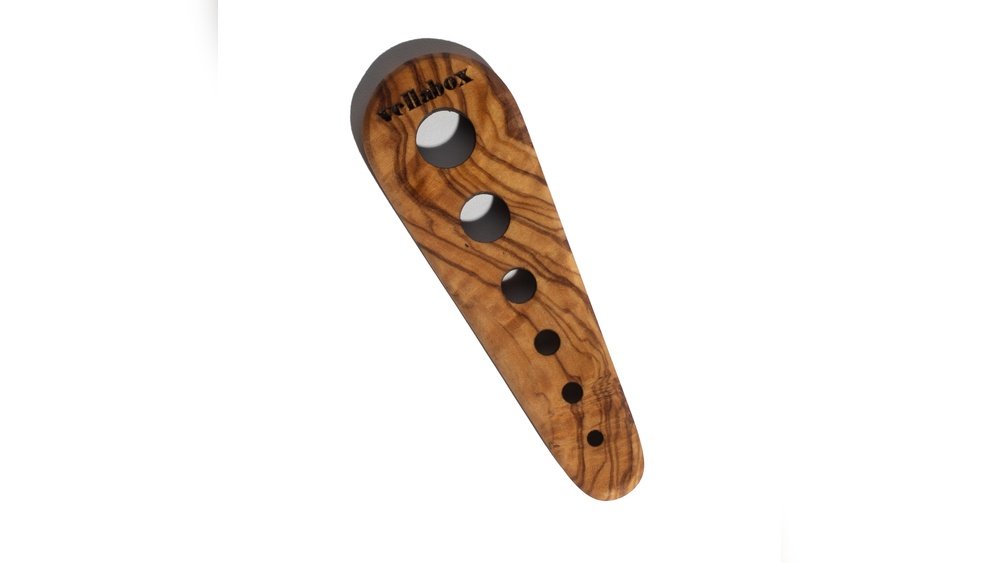
Sizes vary to fit different herbs and stem thicknesses. Some strippers have multiple hole sizes for versatility. Small holes work well for thyme and oregano. Larger holes suit rosemary and tarragon stems. Pick a size or set that matches the herbs you use often. A good fit means faster and easier stripping.
Durability Factors
Durability affects how long the herb stripper lasts. Check if the material resists rust and wear. Solid construction prevents breaks during use. Dishwasher-safe options make cleaning simple and quick. Durable herb strippers keep their shape and function over time. Investing in a tough tool means better performance every day.
Best Herbs For Stripping
Choosing the right herbs for stripping makes cooking faster and easier. Some herbs have small leaves that detach easily. Others have woody stems that hold the leaves firmly. Using a herb stripper works best with these types. Here are the best herbs to use with a herb stripper.
Small Leaf Herbs
Herbs with small leaves are perfect for stripping. Their leaves come off quickly without much effort. Examples include thyme, marjoram, and oregano. These herbs have delicate leaves that a herb stripper can remove cleanly. Stripping small leaf herbs helps keep their flavor intact.
Woody Stem Herbs
Woody stem herbs need a tool to remove leaves efficiently. Rosemary and tarragon fall into this group. Their tough stems hold leaves tightly. A herb stripper easily pulls leaves off these woody stems. This saves time and prevents damage to the leaves.
Common Culinary Choices
Many popular cooking herbs work well with herb strippers. Basil, cilantro, and parsley are common examples. Their leaves strip smoothly and quickly. Using a herb stripper speeds up meal prep with these everyday herbs. It also reduces waste by removing leaves cleanly.
How To Use An Herb Stripper
Using an herb stripper saves time and effort in the kitchen. It quickly removes leaves from tough stems. This tool works well for herbs like thyme, rosemary, and oregano. Learning the right technique ensures you get clean, ready-to-use herbs every time.
Step-by-step Technique
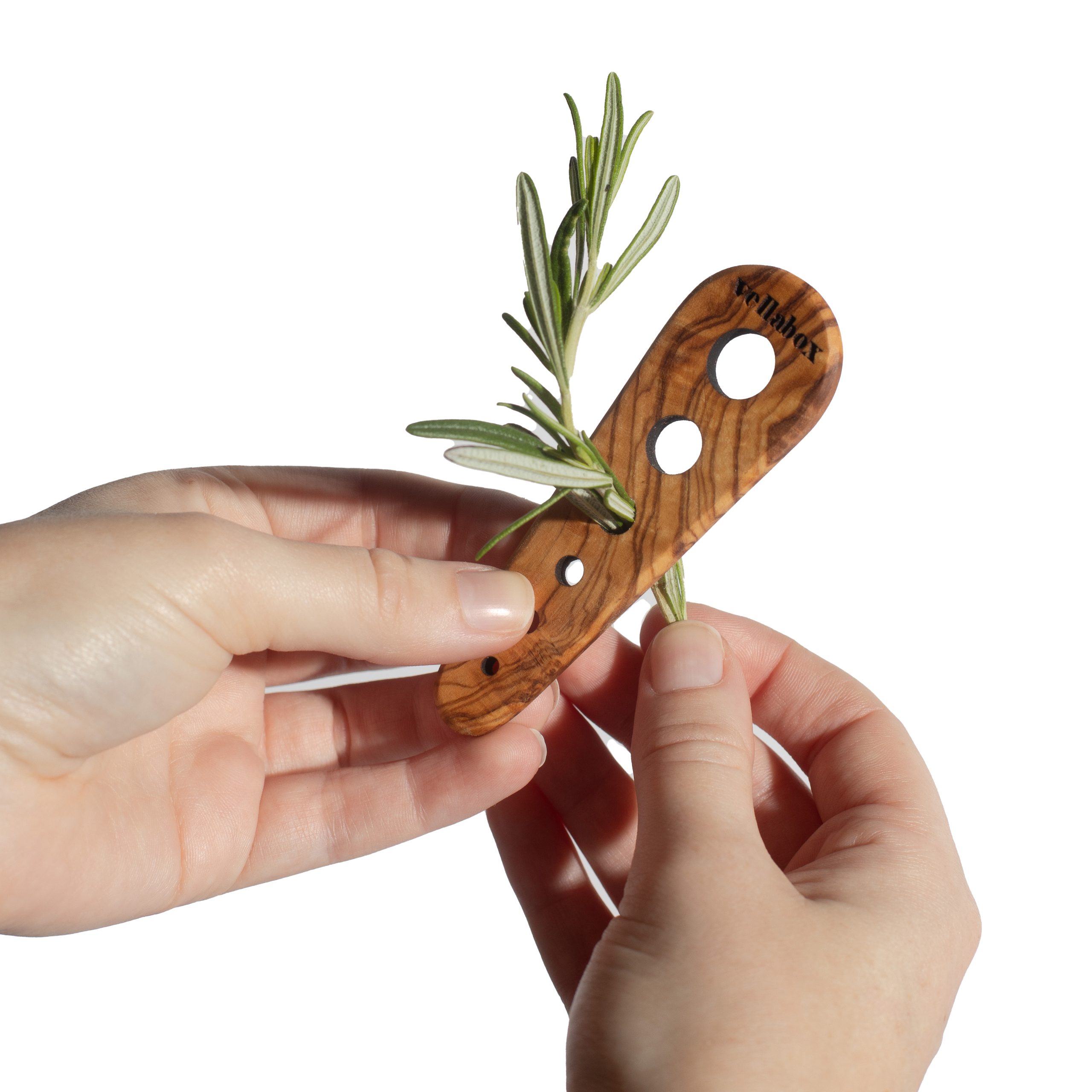
Choose the right hole size on the herb stripper. Insert the herb stem into the hole. Hold the tool firmly with one hand. With the other hand, pull the stem through the hole. The leaves will separate from the stem. Repeat this process for all your herbs.
Tips For Efficiency
Strip herbs in small bunches for better control. Use a smooth, steady pull to avoid tearing leaves. Match the hole size to the herb stem thickness. Keep your fingers clear of the holes. Work over a bowl to catch loose leaves easily.
Cleaning And Maintenance
Rinse the herb stripper after each use to remove bits of leaves. Wash it with warm soapy water and a soft brush. Dry the tool completely to prevent rust or damage. Store it in a dry place for long-lasting use. Avoid harsh cleaners that may harm the material.

Credit: www.amazon.com
Comparing Herb Stripper Styles
Herb strippers come in various styles designed to make leaf removal fast and easy. Each style offers unique features that suit different needs and preferences. Understanding these styles helps choose the right tool for your kitchen tasks.
Handheld Stripper Tools
Handheld herb strippers are compact and simple. They usually have several holes in different sizes. You push the herb stem through a hole to remove leaves quickly. These tools are easy to use and clean. They fit well in your hand and take up little space. Ideal for small amounts of herbs or occasional use.
Stripper Bowls
Stripper bowls combine a bowl with holes around the edge. You place the herb stems inside the bowl. Then, pull the stems through the holes to strip leaves. This style collects the leaves inside the bowl, reducing mess. It works well for larger herb quantities. The bowl also doubles as a container for rinsing herbs.
Multi-hole Designs
Multi-hole herb strippers offer versatility with various hole sizes. Different herbs need different hole sizes due to stem thickness. A multi-hole design lets you switch holes as needed. This feature makes the tool flexible for many herb types. Using the right hole size improves stripping speed and efficiency.
Time-saving Herb Prep Hacks
Saving time while preparing herbs makes cooking more enjoyable. Using the right techniques speeds up herb stripping and cutting. These hacks reduce mess and effort in the kitchen.
Simple tricks help you get herbs ready faster. Less time spent on prep means more time to cook and eat.
Quick Stripping Methods
Use a herb stripper to pull leaves off stems fast. Choose the hole size that fits your herb stems. Pull the herb through in one smooth motion. This avoids slow, tedious pinching or cutting.
For small herbs like thyme or oregano, try rolling stems between fingers. This loosens leaves quickly. Combine with the herb stripper for best speed.
Combining Tools
Pair your herb stripper with kitchen scissors. Cut stems into shorter lengths before stripping. This makes pulling leaves easier and faster.
A fine mesh strainer helps wash herbs after stripping. Shake off water quickly to avoid soggy herbs. Use a paper towel or salad spinner to dry them fast.
Storage Tips
Store stripped herbs in a damp paper towel inside a plastic bag. Keep them in the fridge to stay fresh longer. Avoid crushing leaves by not overpacking the bag.
Freeze excess herbs in ice cube trays with water or oil. This preserves flavor and saves prep time later. Simply pop out cubes when you need herbs for cooking.
Where To Buy Quality Herb Strippers
Finding a quality herb stripper can make your cooking faster and more enjoyable. A good herb stripper helps remove leaves from stems quickly and cleanly. Knowing where to buy one ensures you get a tool that lasts and works well. There are several places to consider, each offering different options for quality and price.
Online Retailers
Online stores offer a wide variety of herb strippers. Websites like Amazon have many models with customer reviews. These reviews help you choose a reliable product. Shopping online is convenient and often has competitive prices. You can compare features and designs easily before buying.
Specialty Kitchen Stores
Specialty kitchen stores sell high-quality kitchen tools, including herb strippers. These stores offer expert advice and hands-on experience. You can see and feel the product before purchase. Staff often provide tips on how to use the herb stripper well. These stores focus on durable and well-designed tools.
Local Artisan Options
Local artisans make unique and handmade herb strippers. These tools may use natural materials like wood or copper. Buying from artisans supports local businesses and craftsmanship. Each piece often has a special design and better build quality. These options may be pricier but offer a personal touch and lasting value.
Maintaining Herb Flavor And Freshness
Maintaining the flavor and freshness of herbs after using a herb stripper is essential for delicious dishes. Stripping herbs properly helps keep their natural oils intact. These oils give herbs their strong aroma and taste. Proper care after stripping ensures herbs stay fresh longer. It also prevents them from wilting or losing flavor quickly.
Proper Handling
Handle stripped herbs gently to avoid bruising. Bruised leaves lose flavor faster. Use clean hands or utensils to prevent contamination. Remove any damaged or discolored leaves before storing. Avoid washing herbs until just before use. Excess moisture speeds up decay and reduces freshness.
Storage After Stripping
Store stripped herbs in a cool, dry place. Wrap them loosely in a damp paper towel. Place the wrapped herbs in a plastic bag or airtight container. Keep them in the refrigerator’s crisper drawer for best results. Check herbs daily and remove any wilted leaves. Proper storage helps retain moisture and flavor.
Using Stripped Herbs In Cooking
Add stripped herbs near the end of cooking. This keeps their flavor bright and fresh. For raw dishes, use them immediately after stripping. Chopped herbs release more aroma and taste. Measure herbs carefully to avoid overpowering your dish. Using fresh herbs enhances the overall flavor and presentation.

Credit: www.amazon.com
Frequently Asked Questions
What Herbs Are Best Stripped?
Thyme, rosemary, oregano, tarragon, and marjoram are best stripped. Their small leaves and woody stems make stripping easy and efficient.
How Do You Strip Herbs Quickly?
Quickly strip herbs by pulling stems through a herb stripper or running fingers downward to remove leaves. Use appropriately sized holes for best results.
Are Herb Stripping Tools Durable?
Herb stripping tools are durable, made from sturdy materials like stainless steel or hardwood. They withstand regular kitchen use and clean easily.
What Is A Herb Stripper Size Guide?
A herb stripper size guide helps you choose the right hole size. Different herbs need different hole sizes to strip leaves efficiently. It ensures easy removal without damaging herbs or stems. Using the correct size saves time and improves kitchen prep.
Conclusion
Choosing the right herb stripper size simplifies your cooking process. Small holes work best for delicate herbs like thyme. Larger holes fit bigger stems such as rosemary. Using the correct size saves time and effort. It also keeps your herbs fresh and flavorful.
A proper herb stripper makes meal prep easier and more enjoyable. Keep this guide handy for selecting the perfect tool. Enjoy fresh herbs in every dish with ease.