Size Guide Onion Chopper: Ultimate Tips for Perfect Sizing
Struggling to find the perfect onion chopper that fits your kitchen needs? You’re not alone.
Choosing the right size and type can make all the difference in saving time and keeping your prep area tidy. Whether you’re cooking for one or feeding a family, the right onion chopper can simplify your chopping process and reduce those pesky tears.
In this size guide, you’ll discover how to pick the ideal onion chopper tailored to your cooking style and kitchen space. Ready to make chopping easier and more efficient? Keep reading to find the best options that suit your needs perfectly.
Choosing Chopper Types
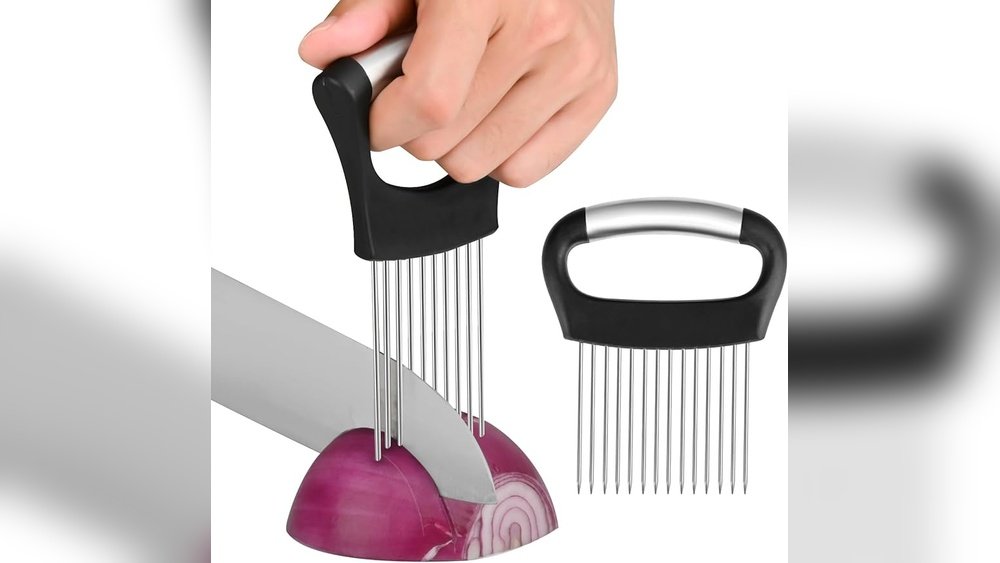
Choosing the right onion chopper type affects your kitchen work. Different choppers suit different needs and preferences. Understanding the main types helps pick one that fits your cooking style and space.
Consider how much chopping you do and how fast you want it done. Also think about ease of cleaning and storage. The right choice makes food prep easier and more enjoyable.
Manual Vs Electric Options
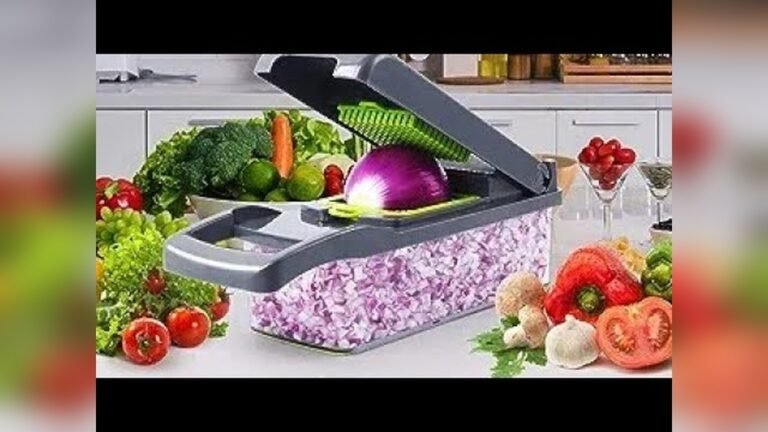
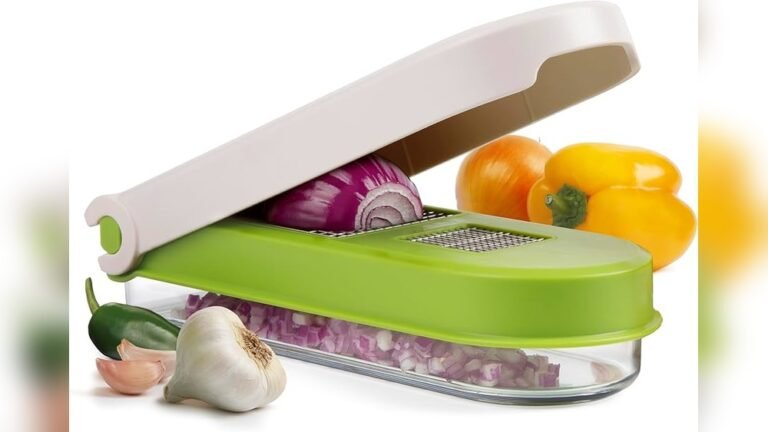
Manual choppers do not need electricity. They are quiet and easy to use anywhere. They usually cost less and are simple to clean. Manual types work well for small amounts and quick jobs.
Electric choppers save time on large batches. They chop faster and with less effort. These need power outlets and take more space. Electric models may over-process soft vegetables if not careful.
Pick manual for control and quiet work. Choose electric for speed and volume.
Push Vs Pull Mechanisms
Push choppers use downward pressure to cut onions. They are simple and steady. Push types give consistent chopping and need less hand strength.
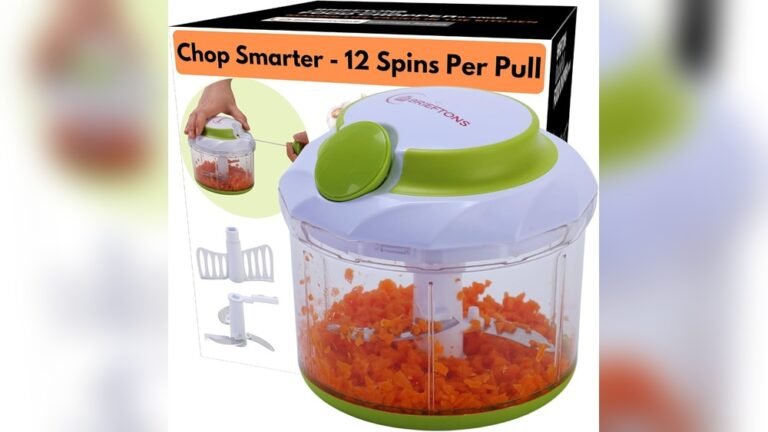
Pull choppers work by pulling a string or handle. They use quick motion to chop. Pull types can be faster but need more effort and skill.
Push mechanisms suit those who want gentle, steady chopping. Pull mechanisms fit cooks who like quick, active prep.

Credit: www.qcc.edu
Top Onion Chopper Picks
Choosing the right onion chopper makes food prep easier and faster. Here are some top picks to help you decide. Each type suits different kitchen needs and styles. Explore manual, electric, heavy-duty, and string choppers below.
Best Manual Models
Manual onion choppers are simple and reliable. The Fullstar chopper offers great value and quick dicing. The OXO Good Grips model stands out with sharp blades and a handy measuring cup. These models need no power and are easy to clean. Ideal for everyday chopping tasks.
Best Electric Models
Electric choppers save time, especially with large batches. The Cuisinart Mini-Prep Plus is powerful and versatile for many kitchen tasks. Ninja Express Chop works fast and handles big volumes well. Both offer consistent cuts but require an outlet to work.
Heavy-duty Choices
Heavy-duty onion choppers suit tough chopping jobs. The original Alligator chopper is sturdy and precise. It handles firm vegetables with ease and lasts long. Perfect for cooks who need durability and strong performance.
String Choppers
String choppers provide a unique manual chopping style. The Zyliss Easy Pull is simple to use and clean. It gives good control and neat cuts. A smart pick for those who want a different chopping experience.
Blade Quality
The blade quality of an onion chopper greatly affects its performance. Sharp, strong blades make chopping easier and quicker. They help create even cuts without crushing the onion. Good blades reduce effort and improve safety by preventing slips.
Choosing the right blade means considering both the material and sharpness. These factors influence how well the chopper works and how long it lasts. Understanding these details helps pick a chopper that fits your kitchen needs.
Material And Sharpness
Stainless steel is the most common material for onion chopper blades. It resists rust and stays sharp longer. High-quality stainless steel blades maintain their edge through many uses. Sharp blades cut onions cleanly, reducing the release of strong odors and tears.
Some blades have special coatings to improve sharpness or prevent sticking. These coatings help the blade glide through onions smoothly. Avoid blades made from low-quality metals as they dull quickly and can break.
Durability Factors
Durability depends on blade thickness and metal hardness. Thicker blades resist bending and chipping. Harder metals hold a sharp edge for longer periods. Proper care, like drying blades after use, extends their lifespan.
Blades attached securely to the chopper body also last longer. Loose or poorly fixed blades can wobble and wear out faster. Choose models with strong blade mounts and easy blade replacement options for long-term use.
Capacity And Features
The capacity and features of an onion chopper affect how well it fits your kitchen needs. Different models offer various container sizes and blade types. Some include extra functions to make chopping easier and faster.
Container Sizes
Onion choppers come with containers of different sizes. Small containers are good for quick snacks or small meals. Larger containers help with big cooking projects. Choose a size that matches how much you usually cook. Clear containers allow you to see the chopped onions easily.
Multiple Blade Options
Many onion choppers offer several blade options. You can find blades for fine dicing, coarse chopping, or slicing. This variety lets you prepare onions exactly how you want. Blades are usually made from stainless steel for sharpness and durability. Changing blades is simple and quick.
Additional Functions
Some onion choppers include extra features to improve use. These can be safety locks to prevent accidents or non-slip bases for stability. Some models have built-in measuring marks on containers. Others include accessories like cleaning brushes or extra containers. These features add convenience and save time in the kitchen.
Ease Of Cleaning
Cleaning your onion chopper should be quick and simple. Ease of cleaning saves time and keeps your kitchen tidy. A chopper with easy cleaning features encourages frequent use without the hassle.
Choosing a model with dishwasher-safe parts makes cleanup much easier. It helps maintain hygiene and extends the product’s life. Here are key points about cleaning your onion chopper.
Dishwasher-safe Parts
Many onion choppers come with parts safe for dishwashers. These parts include lids, containers, and blades. You can simply place them in the dishwasher after use. This feature reduces manual scrubbing and speeds up cleanup.
Dishwasher-safe parts prevent lingering onion smells. They also remove tiny food particles from hard-to-reach spots. Always check the product details to confirm which parts are dishwasher safe.
Maintenance Tips
Rinse your chopper immediately after use to stop onion juice from drying. Use a soft brush to clean blades carefully. Avoid harsh scrubbing to protect sharp edges.
Dry all parts completely before storing. This prevents rust and mold growth. Regularly inspect blades for dullness and replace if needed. Proper maintenance keeps your chopper working well for years.

Credit: www.qcc.edu
Sizing Tips For Perfect Cuts
Getting the right size on your onion chopper makes a big difference. Perfect cuts help your dish cook evenly and look great. Small changes in size can change the taste and texture of your food. Use these sizing tips to get the best results from your onion chopper.
Adjusting the size is easy once you know what your recipe needs. You can cut onions into tiny pieces for sauces or bigger chunks for stews. Knowing how to set your chopper saves time and makes cooking more fun.
Matching Size To Recipe
Choose the onion size based on the dish you cook. For soups, small diced onions blend well and cook faster. For salads or salsas, larger pieces add crunch and flavor.
Follow recipe instructions for size recommendations. If none are given, think about how long your dish will cook. Longer cooking needs smaller pieces to melt into the sauce. Quick-cook recipes work better with bigger cuts.
Adjusting Blade Settings
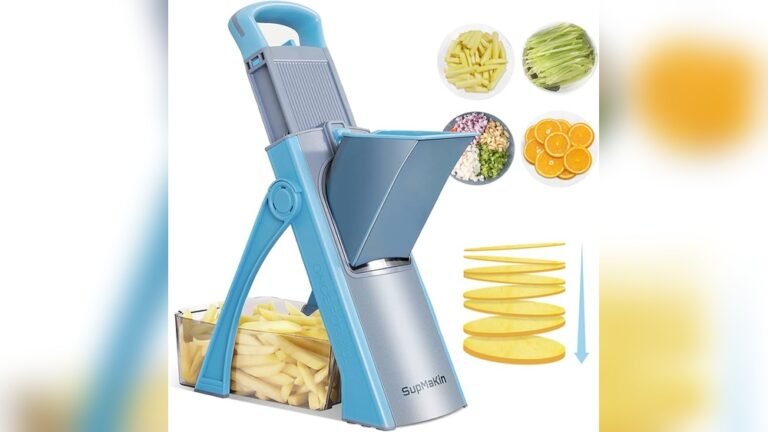
Your onion chopper may have different blade options. Change the blade or setting for the size you want. Some choppers have multiple blade inserts for fine or coarse cuts.
Test the blade setting with a small amount first. This helps avoid cutting too big or too small. Keep blades sharp for clean cuts and less damage to onion cells. Sharp blades also reduce the onion smell on your hands.
Space-saving Solutions
Space is often limited in kitchens. Choosing the right onion chopper can help save valuable countertop and cabinet space. Space-saving solutions focus on compactness and smart storage. These factors keep your kitchen tidy and efficient. This section explores compact designs and storage ideas for onion choppers.
Compact Designs
Many onion choppers feature compact designs. They fit easily in small drawers or cabinets. Smaller choppers are lighter and easier to handle. Some models fold or collapse for even smaller storage. Compact designs reduce clutter and free up workspace. They also make cleaning and carrying simpler. Choosing a compact chopper suits kitchens with limited space or minimal storage.
Storage Ideas
Proper storage keeps your onion chopper safe and accessible. Use drawer dividers to organize and separate kitchen tools. Clear containers or bins help group small gadgets together. Magnetic strips can hold metal parts on walls. Hanging racks or hooks save drawer space and keep items visible. Store choppers near your prep area for quick access. Good storage ideas prevent damage and extend the life of your chopper.
User Experience Insights
User experience with an onion chopper shapes how often you use it. Comfort, speed, and ease matter in the kitchen. This section shares real insights on using onion choppers daily. It helps you pick a model that fits your needs perfectly.
Speed And Efficiency
Onion choppers cut prep time significantly. Manual choppers work well for small amounts. Electric models handle large batches faster. Some choppers have sharp blades that slice onions quickly and with little effort. This saves time and reduces frustration. A fast chopper keeps your cooking flow smooth.
Noise Levels
Noise varies between manual and electric choppers. Manual ones are silent and ideal for quiet kitchens. Electric choppers produce some noise but most are not too loud. Look for models with quieter motors if noise bothers you. A quieter chopper creates a calm cooking environment.
Consistency In Results
Consistent onion pieces improve cooking quality. Good choppers deliver uniform cuts every time. Blades that stay sharp help keep the size even. Some models offer multiple blade options for different cuts. Consistent chopping means onions cook evenly and taste better.

Credit: www.liberia.ubuy.com
Frequently Asked Questions
What Is The Best Onion Chopper To Buy?
The best onion chopper depends on needs. Fullstar and OXO Good Grips excel manually. Cuisinart Mini-Prep and Ninja Express Chop lead electric models for speed and ease. Choose sharp blades, easy cleaning, and suitable capacity for best results.
How To Choose The Right Chopper Machine?
Choose a chopper based on your food prep needs, volume, and power preference. Prefer sharp blades, easy cleaning, and suitable capacity. Manual models suit small tasks; electric ones handle large batches faster. Select features like multiple blades or containers for versatility.
Prioritize durability and convenience.
What Is The Best Chopper For Small Kitchens?
The best chopper for small kitchens is a compact manual model like the OXO Good Grips or Fullstar. They save space, are easy to clean, and don’t need power. For faster chopping, electric options like Cuisinart Mini-Prep fit small spaces and handle bulk prep efficiently.
Which Chopper Is Best, Push Or Pull?
Push choppers offer simplicity and control, ideal for small tasks. Pull choppers provide speed and ease for larger batches. Choose based on your chopping volume and preference.
Conclusion
Choosing the right onion chopper saves time and effort in the kitchen. Consider your chopping needs and kitchen space. Manual choppers suit small tasks and quick jobs. Electric models work best for large batches and speed. Focus on blade quality and ease of cleaning.
A good chopper makes cooking simpler and more enjoyable. Use this guide to find one that fits your routine well. Keep your kitchen efficient and your onions perfectly chopped every time.