Types of Cheese Grater Handheld: Ultimate Guide to Perfect Grating
When it comes to grating cheese, you might think one grater fits all. But the truth is, the type of handheld cheese grater you choose can make a big difference in your kitchen experience.
Whether you’re sprinkling Parmesan over pasta, zesting citrus, or shredding cheddar for a salad, the right tool saves you time and effort. You’ll discover the main types of handheld cheese graters and how each can help you achieve perfect results every time.
Ready to find the grater that fits your cooking style and needs? Let’s dive in and make your cheese prep easier and more enjoyable!

Credit: www.walmart.com
Handheld Grater Types
Handheld cheese graters come in various styles, each designed for specific tasks. Choosing the right grater can make cheese preparation easier and faster. Different types create different textures and serve multiple kitchen needs.
Here is an overview of the most common handheld graters and their uses.
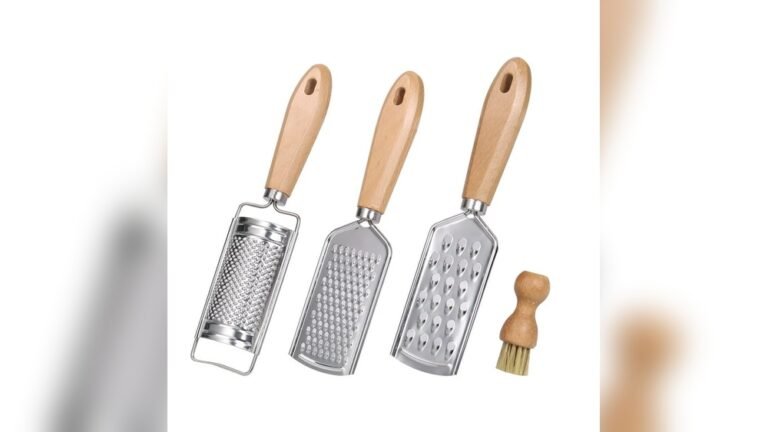
Microplane Grater
The Microplane grater has very fine, sharp blades. It is perfect for grating hard cheeses like Parmesan. It also works well for zesting citrus fruits. The fine texture helps add delicate flavor to dishes.
Box Grater
The box grater has four sides with different grating surfaces. It offers coarse, medium, fine, and slicing options. It is versatile and good for shredding cheese and vegetables. Its box shape provides stability while grating.
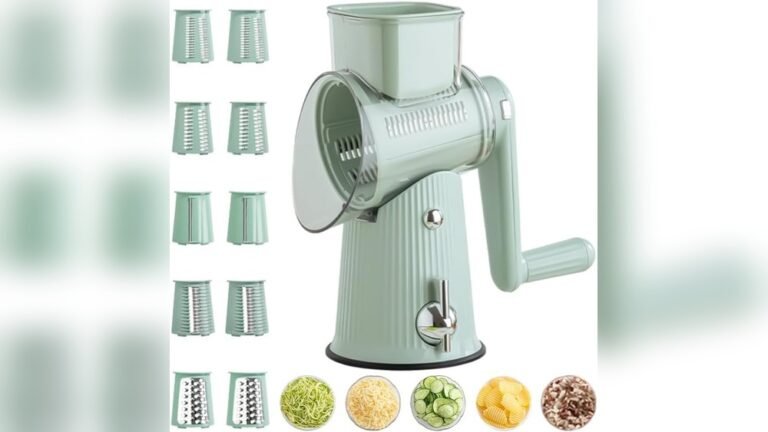
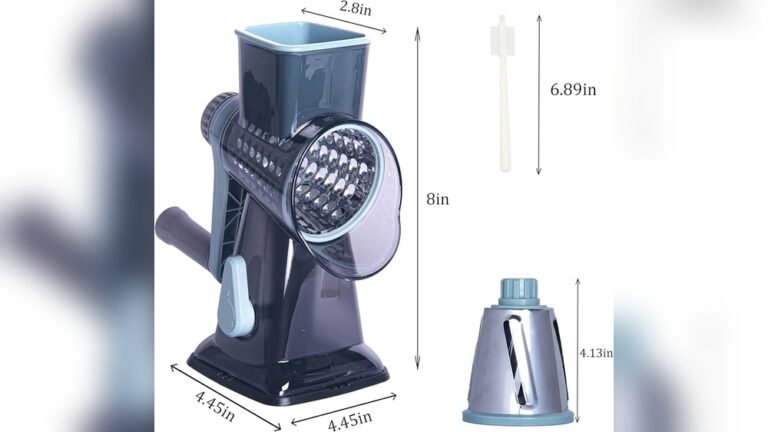
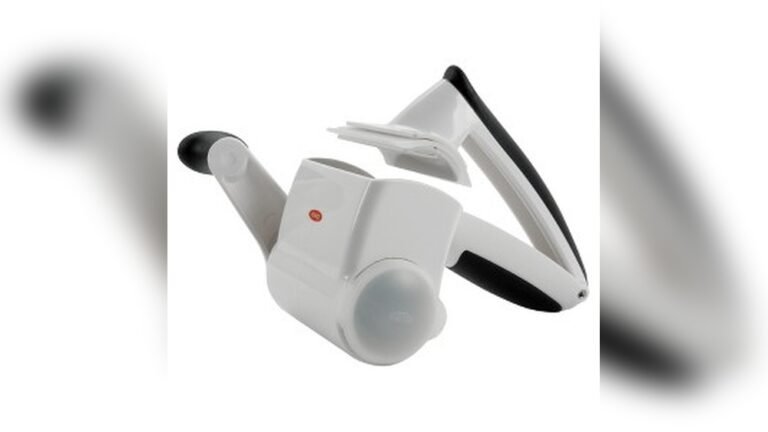
Rotary Grater
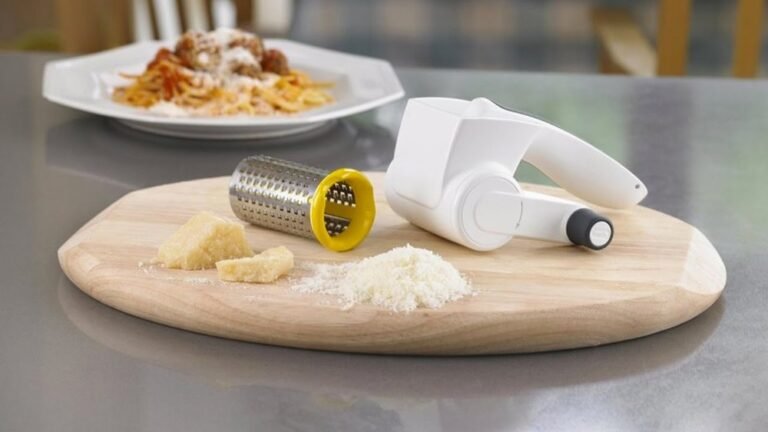
The rotary grater has a handle that turns a drum inside. It is ideal for grating hard cheeses quickly and safely. This type reduces hand strain and keeps fingers away from blades. It is great for grating large amounts.
Rasp Grater
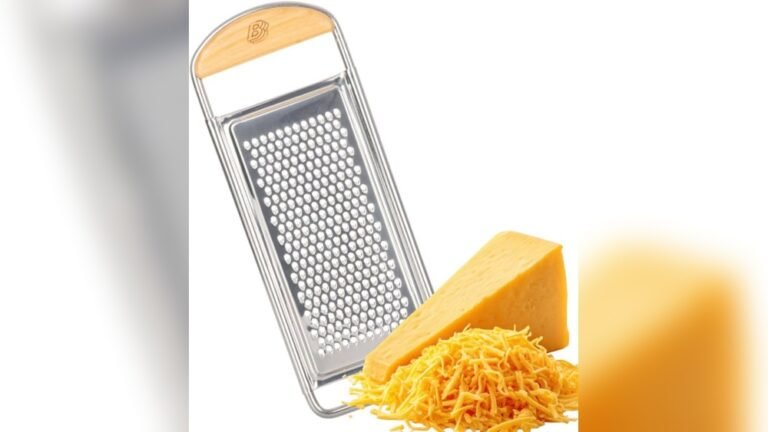
The rasp grater has small, raised teeth similar to a rasp tool. It is used for fine grating, especially hard cheeses and spices. It produces fluffy, light shreds. This grater requires a gentle, back-and-forth motion.
Zester
The zester is a small tool with tiny holes. It removes thin strips of citrus peel without the bitter white part. It is excellent for adding fresh zest to recipes. The zester can also finely grate hard spices like nutmeg.
Microplane Features
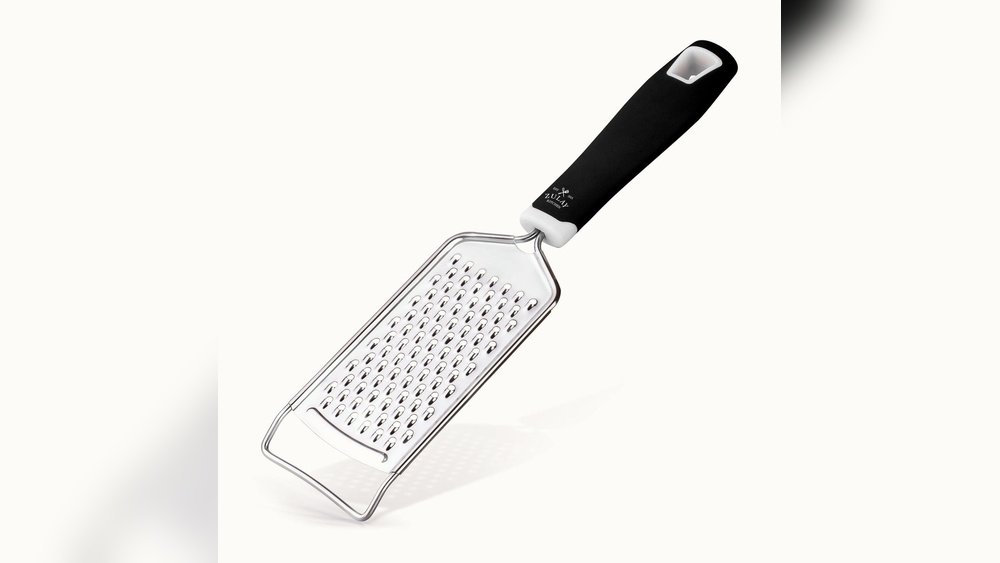
The Microplane is a popular handheld cheese grater known for its sharp, fine blades. It works well for detailed grating tasks. This tool is thin and lightweight, making it easy to handle and store.
Its design allows users to grate cheese into very fine pieces. The Microplane is also great for zesting citrus fruits and grating hard spices. Many cooks prefer it for its precision and ease of use.
Fine Grating
The Microplane excels at producing fine, fluffy cheese shreds. It creates soft textures perfect for garnishing dishes. This fine grating works best for hard cheeses like Parmesan. The small size of the grater teeth helps achieve this effect.
Uses For Hard Cheeses
Hard cheeses like Parmesan and Pecorino grate smoothly on a Microplane. It helps release the cheese’s flavor fully due to the fine shreds. This grater is ideal for sprinkling cheese over pasta or salads. It is less effective for soft cheeses that need larger holes.
Zesting Citrus
The Microplane also works as a zesting tool for citrus fruits. It removes thin strips of peel without the bitter white pith. This zest adds fresh flavor to recipes and drinks. Many chefs keep a Microplane handy for zesting lemons, limes, and oranges.
Blade Design
Microplane blades are razor-sharp and carefully etched. They cut food cleanly without crushing it. The blades resist dulling and remain effective over time. The stainless steel material prevents rust and makes cleaning easy. This design ensures safe, smooth grating with minimal effort.
Box Grater Benefits
The box grater is a popular handheld cheese grater. It offers versatility and convenience in one tool. Many home cooks and chefs prefer it for daily kitchen tasks.
This grater is shaped like a box with four sides. Each side has different grating surfaces. This design makes it easy to switch between grating styles quickly.
Multiple Sides
A box grater has four distinct sides for various tasks. Each side provides a unique grating pattern. You can shred, slice, or zest with the same tool.
This saves space and reduces the need for multiple tools. It allows you to handle many ingredients beyond cheese. Vegetables, fruits, and spices all work well.
Coarse To Fine Grating
The box grater covers a wide range of grating sizes. One side offers coarse holes for thick shreds. Another side has fine holes for delicate grating.
This range suits different recipes and cheese textures. You can make chunky toppings or fine garnishes easily. Adjust grating size without changing tools.
Durability
Box graters are usually made from stainless steel. This material resists rust and holds up to heavy use. The sturdy build allows for consistent pressure while grating.
They last long in busy kitchens or home use. The handle provides a good grip, reducing slips and accidents. Easy to clean and maintain for daily use.
Cheese Compatibility
Box graters work well with many cheese types. Hard cheeses like Parmesan grate smoothly on fine sides. Softer cheeses shred nicely on coarse sides.
This tool adapts to different textures without clogging. It handles fresh, aged, or processed cheeses with ease. Makes cheese preparation simple and efficient.

Credit: www.amazon.com
Rotary Grater Advantages
Rotary graters offer unique benefits for cheese lovers. Their design makes grating easier and faster. These advantages improve kitchen tasks and create less mess.
Using a rotary grater can change how you prepare cheese. It combines convenience with safety and efficiency. Many home cooks and professionals prefer this tool.
Speed And Efficiency
Rotary graters work quickly. You turn the handle, and cheese shreds appear fast. This method saves time compared to traditional hand graters. It is ideal for busy kitchens or large meals.
Safety Features
The enclosed design protects fingers from sharp blades. Cheese is held inside a drum, keeping hands away from cutting edges. This lowers the risk of cuts and injuries. It is great for all skill levels.
Best For Hard Cheeses
Rotary graters handle hard cheeses with ease. Parmesan, Asiago, and Pecorino grate smoothly without much effort. The sturdy drum cuts through tough textures cleanly. It helps maintain cheese quality while grating.
Reducing Waste
Rotary graters use cheese blocks fully. You can grate almost all the cheese without leftovers. This reduces waste compared to other grating methods. It ensures you get the most from your cheese purchase.
Choosing By Cheese Type
Choosing the right handheld cheese grater depends on the cheese type. Different cheeses need different grating styles. Using the correct grater brings out the best flavor and texture. It also makes grating easier and less messy.
Hard Cheeses
Hard cheeses like Parmesan and Pecorino need a fine grater. A Microplane or rasp grater works best for these. It creates light, fluffy shreds that melt easily on pasta or salads. Hard cheese graters have tiny, sharp holes to break down dense cheese.
Semi-hard Cheeses
Semi-hard cheeses such as Cheddar and Gouda need a medium-sized grater. A box grater with medium holes is ideal. It produces thicker shreds perfect for melting in dishes like casseroles and sandwiches. The grater should be sturdy to handle firmer cheese.
Soft Cheeses
Soft cheeses like mozzarella and cream cheese need a grater with large holes. A coarse handheld grater or a slicer works well. It prevents the cheese from sticking and clumping. Soft cheese shreds add creamy texture to salads and pizzas.

Credit: www.amazon.com
Volume And Usage
Choosing the right handheld cheese grater depends on how much cheese you need to grate. Volume and usage play a key role in selecting the best grater. Different graters suit different tasks, from small snacks to large meals.
Think about how often and how much cheese you grate. This helps in picking a grater that fits your kitchen needs and cooking habits perfectly.
Single Serving Needs
For small amounts, a fine Microplane or rasp grater works best. It quickly grates cheese for one or two servings. These graters are easy to use and clean. They also add a delicate texture to dishes like pasta or salads.
Bulk Preparation
When cooking for many people, a box grater is more useful. It has multiple sides for different shred sizes. This helps prepare large cheese quantities faster. Box graters handle medium to large volumes well, making meal prep smoother.
Professional Kitchen Choices
Professional chefs choose graters that match their speed and volume needs. Rotary graters offer safety and quick grating for hard cheeses. Food processors may be used for very large batches or special textures. Each tool fits specific tasks in a busy kitchen environment.
Labor And Convenience
Labor and convenience are key factors when choosing a handheld cheese grater. Different types of graters can save time and effort or require more work. Understanding these aspects helps you pick the right tool for your kitchen needs.
Pre-grated Cheese Vs Fresh
Pre-grated cheese offers quick use without extra work. It saves labor but may contain additives to prevent clumping. Freshly grated cheese tastes better and melts evenly. However, it needs more time and effort to prepare. Handheld graters make fresh grating easier and faster.
Time Savings
Using a handheld grater cuts down prep time. Rotary graters allow fast shredding with less hand strain. Box graters give control over shred size but take more time. Microplane graters work well for fine grating quickly. Choose a grater that fits your speed and dish needs.
Ease Of Cleaning
Cleaning convenience depends on the grater type and design. Simple flat or handheld graters rinse quickly under water. Box graters can be harder to clean due to multiple surfaces. Some rotary graters disassemble for easier washing. Stainless steel graters resist stains and odors, making cleaning easier.
Zester Vs Microplane
The choice between a zester and a Microplane often confuses many home cooks. Both tools look similar but serve slightly different purposes in the kitchen. Understanding their differences helps you pick the right grater for your cooking needs.
Blade Differences
A zester has small, round holes that cut long, thin strips of zest. Its blades are shallow and designed to remove only the outer peel of citrus fruits. The Microplane features sharp, fine blades arranged in a rasp-like pattern. It shreds food into fine, fluffy pieces rather than strips.
Typical Uses
Zesters work best for zesting lemons, limes, and oranges without taking the bitter white pith. They also create thin strips of cheese or chocolate for garnishing. Microplanes excel at finely grating hard cheeses like Parmesan. They are also great for grating garlic, ginger, nutmeg, and citrus zest into very small pieces.
Texture Outcomes
Zesters produce long, thin strands that add visual appeal to dishes. These strips are ideal for decorating desserts and cocktails. Microplanes create fine, fluffy textures that melt easily into recipes. The fluffy texture works well for mixing cheese into pasta or sauces evenly.
Material And Build Quality
The material and build quality of a handheld cheese grater directly affect its performance and lifespan. Choosing the right materials ensures the grater remains sharp, safe, and easy to use. A sturdy build also reduces the risk of bending or breaking during use. This section explores key features to consider for lasting satisfaction in your kitchen tool.
Stainless Steel Options
Stainless steel is the most popular material for handheld cheese graters. It resists rust and corrosion, keeping the grater clean and safe. Sharp stainless steel blades provide smooth and efficient grating. Some graters use high-grade stainless steel, which lasts longer and stays sharper. Avoid low-quality metals that dull quickly or chip easily.
Handle Comfort
The handle design affects grip and comfort. Many graters feature rubber or silicone-coated handles to prevent slipping. Ergonomic shapes reduce hand strain during long use. Some handles are made from durable plastic or wood, offering a solid feel. A comfortable handle allows better control and safer grating.
Durability Factors
Durability depends on material thickness and construction quality. Thick stainless steel plates resist bending under pressure. Welded or riveted joints hold handles firmly in place. Some graters include reinforced edges to avoid warping. Check for smooth edges to prevent cuts or injuries. A well-built grater lasts through years of frequent kitchen use.
Popular Brands
Choosing the right handheld cheese grater can improve your kitchen tasks. Many popular brands offer reliable and easy-to-use options. These brands focus on design, durability, and sharpness. They meet the needs of home cooks and professionals alike.
Let’s explore some well-known brands that stand out in the cheese grater market.
Microplane
Microplane is famous for its sharp, fine graters. Their graters work well on hard cheeses like Parmesan. They also handle zesting citrus and grating spices with ease. The stainless steel blades stay sharp for a long time. Microplane graters are lightweight and comfortable to hold.
Oxo
OXO offers graters with ergonomic handles that fit well in your hand. Their products often have non-slip grips for safety. OXO graters come in various sizes and styles. They are sturdy and easy to clean. OXO is a trusted brand for everyday kitchen tools.
Sur La Table
Sur La Table provides high-quality graters with stylish designs. Their graters include both fine and coarse options. They focus on durability and sharpness. Sur La Table graters are popular for both home and professional use. Many come with features that make grating faster and easier.
Joseph Joseph
Joseph Joseph is known for innovative kitchen gadgets. Their cheese graters often combine multiple functions in one tool. The designs are modern and practical. Joseph Joseph graters focus on space-saving and ease of use. They are perfect for small kitchens or quick tasks.
Maintenance Tips
Maintaining your handheld cheese grater keeps it effective and safe. Proper care helps the blades stay sharp and prevents rust or damage. Follow simple steps for cleaning, storing, and sharpening. These tips extend the grater’s life and improve your grating experience.
Cleaning Methods
Clean the grater immediately after use to stop cheese from drying. Use warm water and mild soap for washing. A soft brush or sponge removes stuck bits from the blades. Avoid harsh scrubbers that can dull the grater. Dry it fully with a towel to prevent rust.
Storage Ideas
Store the grater in a dry place away from moisture. Use a protective cover or wrap it in a cloth. Keep it separate from other utensils to avoid blade damage. Hanging the grater by a hook saves space and keeps it accessible. Proper storage keeps the blades sharp and clean.
Sharpening Blades
Use a fine metal file to sharpen dull blades carefully. Run the file along each blade edge with gentle pressure. Do not over-sharpen, as it may weaken the metal. Test the grater on a piece of cheese after sharpening. Regular blade care ensures smooth, easy grating every time.
Frequently Asked Questions
What Is A Handheld Grater Called?
A handheld grater is commonly called a box grater, rasp grater, or simply a hand grater. Microplane is a popular brand name.
What Do Professional Chefs Use To Grate Cheese?
Professional chefs use Microplane graters for fine cheese, box graters for versatility, rotary graters for speed, and food processors for large quantities.
What Is The Difference Between A Zester And A Microplane?
A zester creates thin citrus strips, ideal for garnishes. A Microplane finely grates hard cheeses, spices, and zest with a rasp-like blade for light texture.
What Are The Different Graters For?
Different graters serve unique purposes: Microplanes finely zest citrus and hard cheeses, box graters handle medium to coarse shredding, rotary graters quickly grate hard cheeses safely, and food processors shred large cheese quantities uniformly. Choose based on cheese type, volume, and desired texture.
Conclusion
Choosing the right handheld cheese grater makes cooking easier and more fun. Each type serves a special purpose. Fine graters work well for hard cheeses and zest. Coarse graters handle softer cheeses and vegetables. Rotary graters offer speed and safety for tough cheeses.
Understanding these options helps you pick what fits your kitchen needs. Try different types to find your favorite. Grating cheese has never been so simple and satisfying.