Types of Fruit Baller: Ultimate Guide to Perfect Fruit Shapes
Are you looking to add a touch of elegance and fun to your fruit presentations? Choosing the right fruit baller can make all the difference in how your dishes look and feel.
Whether you want perfectly round melon balls for a summer salad or creative shapes for a party platter, knowing the types of fruit ballers available helps you find the perfect fit for your kitchen needs. You’ll discover the different styles, sizes, and uses of fruit ballers, so you can turn ordinary fruit into eye-catching bites with ease.
Keep reading to find out which fruit baller matches your style and how it can transform your fruit prep game!
Fruit Baller Basics
Understanding the basics of a fruit baller helps you use it well. This simple tool makes fruit preparation easier and more fun. It creates small, round pieces of fruit quickly. Fruit ballers come in various sizes and styles. Each type suits different needs and fruits.
What Is A Fruit Baller
A fruit baller is a small kitchen tool. It has a round scoop at one or both ends. The scoop is used to carve out balls from fruits. Common fruits include melons, apples, and kiwis. The tool often has a handle for easy gripping. It is usually made of stainless steel or plastic.
Common Uses
Fruit ballers create neat, uniform fruit shapes. They are perfect for fruit salads and garnishes. They help make fruit cups look attractive. Some use them to scoop vegetables or ice cream. Fruit ballers also work well for melon balls in drinks. They save time compared to cutting with a knife.
Popular Types Of Fruit Ballers
Fruit ballers come in various styles to suit different kitchen needs. Each type offers unique features to help create perfect fruit spheres. Understanding these popular types can improve your fruit presentation and make scooping easier.
Standard Melon Baller
The standard melon baller is simple and effective. It has a small, rounded scoop on one end. This tool is perfect for making uniform melon balls. It works well with cantaloupe, honeydew, and watermelon.
Most standard ballers have a stainless steel scoop and a comfortable handle. They are easy to clean and use. This type is great for everyday kitchen tasks.
Double-ended Ballers
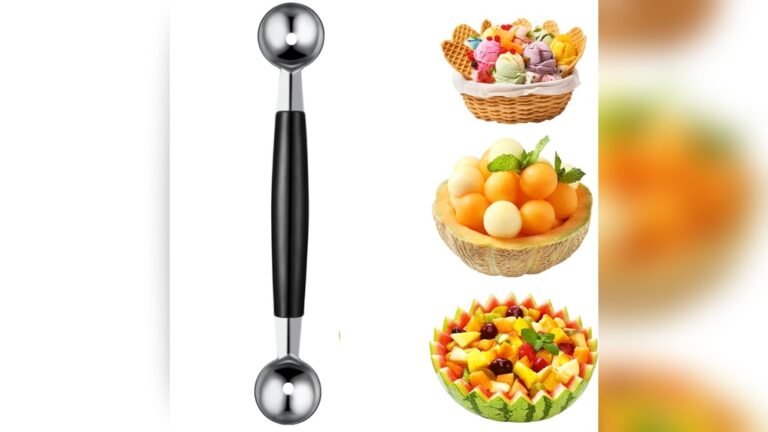
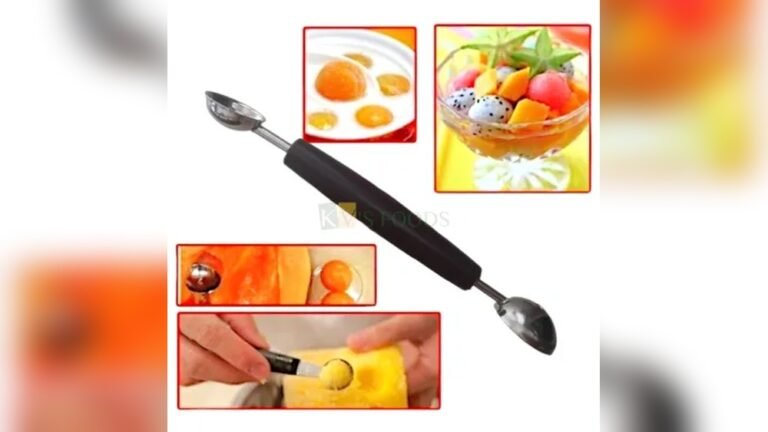
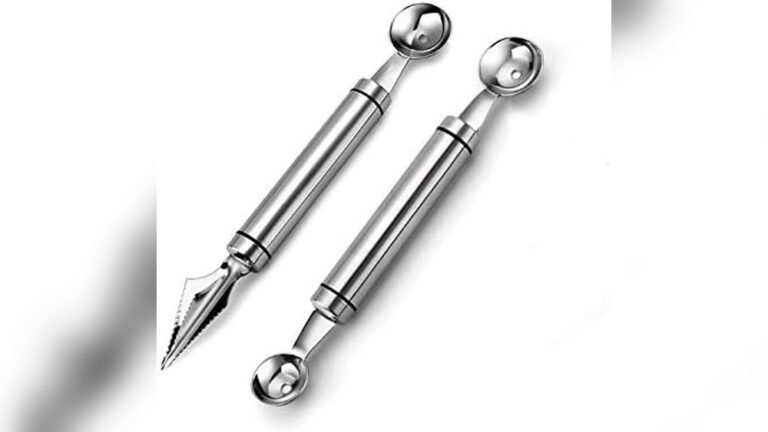
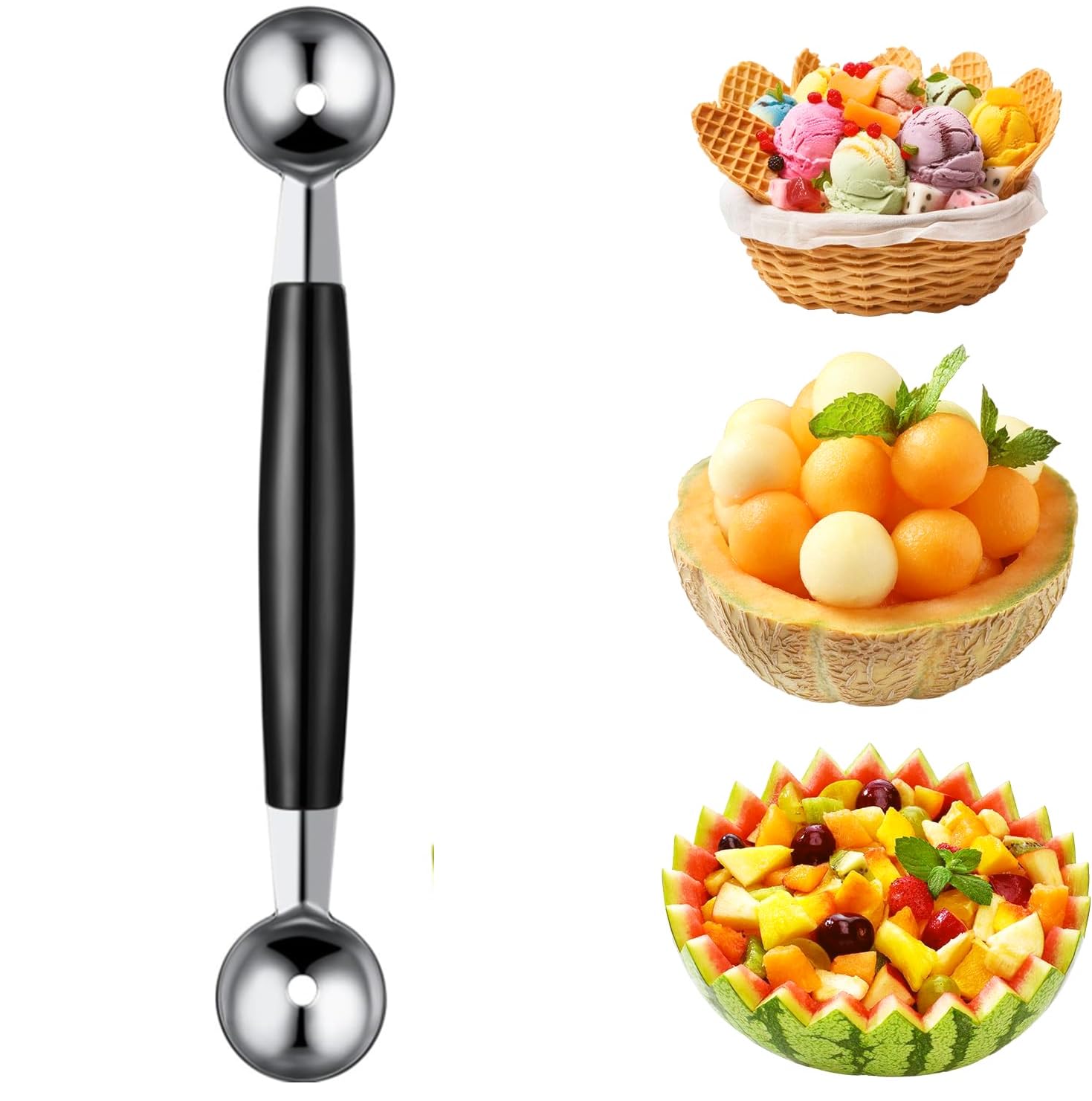
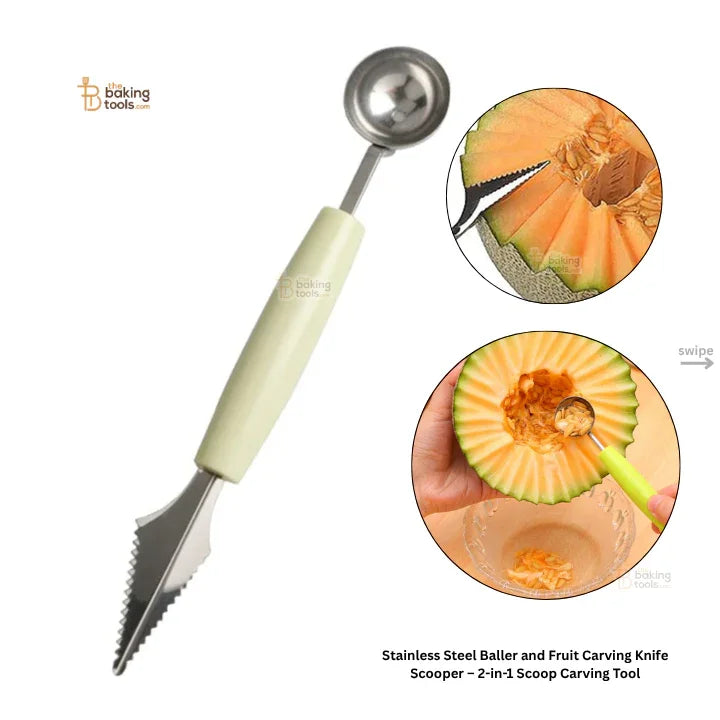
Double-ended ballers have two scoops of different sizes. This allows for more versatility in fruit ball size. You can make both small and large spheres with one tool.
These ballers save space and are convenient for varied recipes. They are ideal for creative fruit salads or garnishes. Both ends are usually made of durable metal.
Squeeze-type Ballers
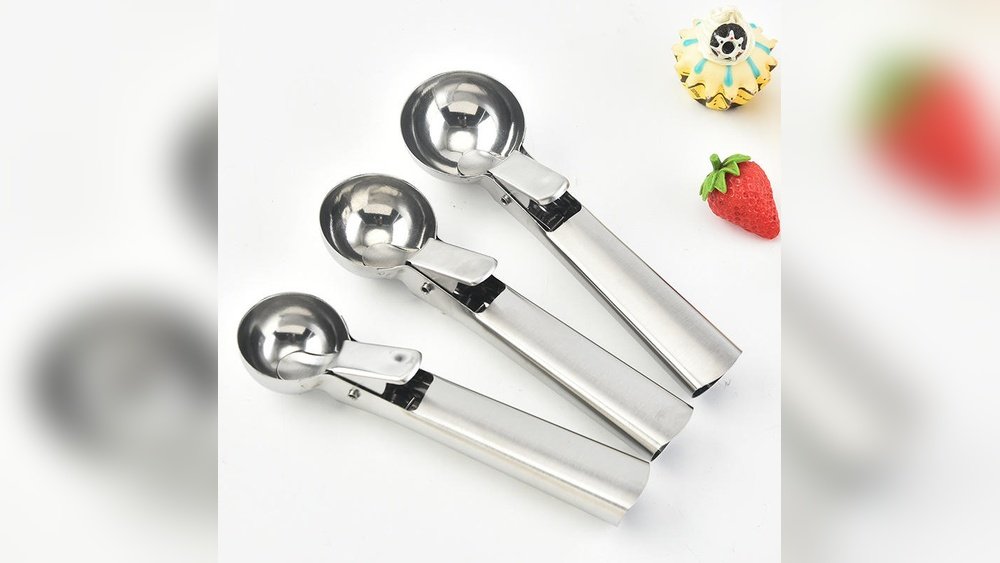
Squeeze-type fruit ballers use a spring mechanism to release fruit balls. Pressing the handle scoops and ejects the fruit automatically. This design speeds up the scooping process.
They are great for making many balls quickly. The comfortable grip reduces hand strain. These ballers often have a polished metal finish for easy cleaning.
Parisienne Scoops
Parisienne scoops have a sharp, round edge for clean cuts. They are inspired by French kitchen tools. This type creates elegant fruit spheres with smooth surfaces.
Parisienne scoops are often used for gourmet dishes and fine dining. The scoop is slightly deeper than standard ballers. They are perfect for soft fruits like kiwi or mango.
Materials And Build
The materials and build of a fruit baller determine its durability and ease of use. Choosing the right material ensures smooth scooping and long-lasting performance. Each type offers unique benefits for different kitchen needs.
Stainless Steel Options
Stainless steel fruit ballers resist rust and corrosion. They provide strong, sharp edges for clean scoops. These tools are easy to clean and maintain. Many chefs prefer stainless steel for its professional feel. It works well on firm fruits like melons and pineapples.
Plastic And Silicone Handles
Plastic and silicone handles offer a comfortable grip. They reduce hand fatigue during repeated use. These materials often come in bright colors for easy spotting. Silicone handles provide extra non-slip support, even with wet hands. They add a soft touch to the tool’s overall feel.
Ergonomic Designs
Ergonomic fruit ballers fit naturally in your hand. This design helps improve control and precision. Many feature curved shapes to reduce wrist strain. Soft grips enhance comfort for longer kitchen tasks. Ergonomic tools make fruit balling easier for everyone.
Size Variations
Fruit ballers come in different sizes. Each size suits a specific fruit type. Choosing the right size helps create perfect fruit balls. It also makes serving easier and more attractive.
Small Scoops For Berries
Small scoops measure about half an inch in diameter. They are ideal for berries like strawberries and blueberries. These scoops gently shape the fruit without crushing it. Small scoops add elegance to desserts and salads.
Medium Scoops For Melons
Medium scoops range from one to one and a half inches wide. They work well for cantaloupe, honeydew, and similar melons. Medium scoops create neat, bite-sized melon balls. These are perfect for fruit platters and snacks.
Large Scoops For Watermelon
Large scoops can be two inches or more. They handle the thick flesh of watermelons easily. Large scoops produce big, juicy balls for picnics and parties. They make serving watermelon fun and mess-free.
Specialty Fruit Ballers
Specialty fruit ballers offer unique designs for various kitchen tasks. These tools go beyond just making fruit balls. They serve specific needs in food preparation. Their shapes and sizes vary to match different uses. Specialty ballers bring creativity and precision to your cooking.
Cheese Ballers
Cheese ballers create perfect round shapes from soft cheeses. They are smaller and sharper than regular fruit ballers. These tools help with cheese platters and appetizers. The smooth balls add elegance to any dish. Easy to use and clean, they improve presentation quickly.
Vegetable Scoops
Vegetable scoops are designed for firm vegetables like cucumber or zucchini. Their scooping edge is stronger to handle tougher textures. These scoops help make uniform shapes for salads or garnishes. They can also hollow out vegetables for stuffing. Vegetable scoops save time and effort in meal prep.
Multi-functional Tools
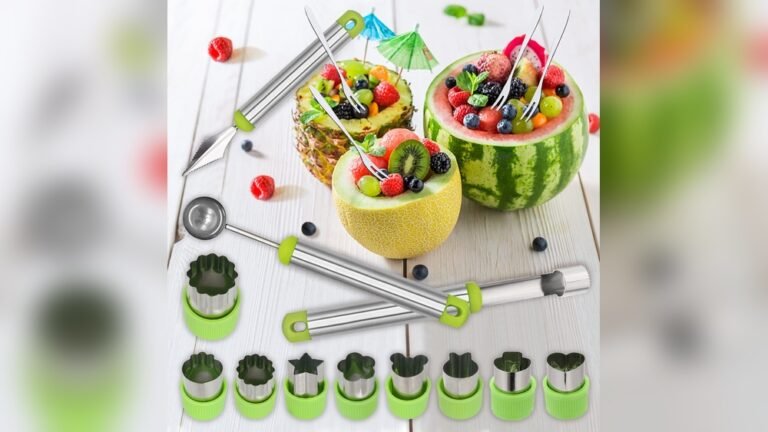
Multi-functional fruit ballers combine several kitchen tools into one. They often include scoopers, peelers, and cutters. This versatility reduces clutter and increases efficiency. Ideal for small kitchens or busy cooks. These tools handle fruits, vegetables, and even some cheeses with ease.

Credit: www.europasgmbh.de
How To Choose The Right Baller
Choosing the right fruit baller can make your kitchen tasks easier and more enjoyable. The right tool helps you create neat, uniform fruit balls quickly. Consider the type of fruit, how comfortable the handle feels, and the durability of the tool. These factors guide you to the best choice for your needs.
Based On Fruit Type
Select a baller size that matches the fruit you use most. Small scoopers work well for berries and kiwis. Medium sizes fit melons like cantaloupe and honeydew. Large scoops are ideal for watermelon or larger fruits. Some ballers come with multiple scoop sizes for versatility.
Handle Comfort And Grip
Look for a handle that feels good in your hand. A soft, non-slip grip reduces strain during use. Ergonomic handles make scooping easier and faster. Avoid thin or slippery handles that cause discomfort or accidents. Test the grip before buying if possible.
Durability And Maintenance
Choose a fruit baller made from strong materials like stainless steel. Durable tools last longer and resist rust or bending. Easy-to-clean ballers save time and keep your kitchen hygienic. Dishwasher-safe options simplify cleaning. Avoid plastic parts that can break or wear out quickly.
Creative Uses For Fruit Ballers
Fruit ballers are not only practical tools but also creative aids in the kitchen. They help transform ordinary fruit into attractive shapes and sizes. This enhances the appearance of dishes and adds fun textures. Many chefs and home cooks enjoy using them in different ways beyond just scooping melon balls.
Using a fruit baller can make your food look professional and inviting. It encourages you to experiment with presentation and design. The small, round shapes fit perfectly in many recipes and platters. Here are some creative uses for fruit ballers that can brighten up your meals and snacks.
Fruit Salads And Garnishes
Fruit ballers create uniform, bite-sized pieces for fruit salads. The round shapes make salads more appealing and easy to eat. Use melon, kiwi, or pineapple to add color and texture. Garnish plates with small fruit balls to add a fresh look. They also work well for topping yogurt or cereal bowls.
Cocktail And Dessert Decoration
Fruit ballers add an elegant touch to cocktails and desserts. Place melon or citrus balls on skewers for drinks. Use fruit balls as a decorative topping on cakes, tarts, or ice cream. They provide a fresh and vibrant contrast to sweet flavors. The small size fits perfectly on dessert plates or glasses.
Charcuterie Boards
Fruit ballers help create attractive and tasty charcuterie boards. Round fruit pieces add variety in shape and color alongside meats and cheeses. Use melon, berries, or grapes to balance the flavors. The small balls fit nicely between other ingredients. They make the board look more inviting and gourmet.
Credit: www.amazon.com
Tips For Perfect Fruit Shapes
Creating perfect fruit shapes enhances any dish’s appeal. Small details matter. Smooth, even balls or shapes make fruit look fresh and inviting. Using the right methods ensures consistent results every time. These tips help you achieve neat, professional-looking fruit shapes easily.
Scooping Techniques
Hold the fruit steady on a flat surface. Use a sharp fruit baller for clean cuts. Press the baller gently into the fruit’s flesh. Rotate the baller smoothly to form a round shape. Avoid digging too deep to keep balls intact. Practice on soft fruits like melon or watermelon first. Clean the baller between scoops to prevent sticking.
Avoiding Fruit Damage
Choose ripe but firm fruit for best results. Too soft fruit breaks easily and loses shape. Handle the fruit gently to avoid bruising. Use a light touch while scooping to protect the fruit. Work quickly to prevent fruit from drying out. Store scooped fruit in a cool place until serving. Avoid exposing fruit balls to direct sunlight or heat.
Presentation Ideas
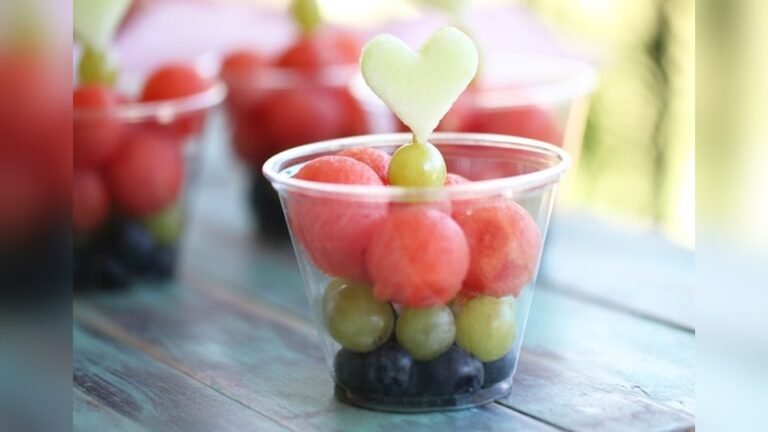
Arrange fruit balls in colorful patterns on a plate. Mix different fruit types for variety and contrast. Use mint leaves or edible flowers to add color. Serve fruit balls in hollowed-out melon shells or bowls. Layer fruit balls with yogurt or cream for a dessert cup. Skewer fruit balls for easy, fun serving at parties. Chill fruit balls before serving for a fresh taste.
Credit: thebakingtools.com
Frequently Asked Questions
What To Use Instead Of Melon Baller?
Use a small spoon, ice cream scoop, or a measuring spoon to create melon balls without a melon baller.
What Is A Fruit Baller?
A fruit baller is a small kitchen tool that scoops fruit into round, bite-sized balls. It enhances fruit presentation and serving.
What Is Melonball?
A melonball is a kitchen tool used to scoop round balls from melons and other soft fruits. It creates attractive, bite-sized fruit servings.
What Is Another Name For A Melon Baller?
Another name for a melon baller is a Parisienne scoop or melon ball scooper. It creates uniform fruit balls.
Conclusion
Choosing the right fruit baller can improve your kitchen experience. Different types suit various fruits and needs. Some have single scoops, while others offer double or adjustable sizes. Materials vary from stainless steel to plastic, affecting durability and ease of cleaning.
Using the correct baller helps create attractive fruit balls for salads, desserts, or snacks. Simple tools can make food preparation more fun and efficient. Keep in mind your typical fruit choices and usage when selecting a fruit baller. Enjoy crafting beautiful, bite-sized fruit pieces every time.