Types of Herb Stripper: Essential Tools for Every Gardener
If you love cooking with fresh herbs, you know how time-consuming it can be to strip those tiny leaves from their woody stems. That’s where herb strippers come in—they make this task quick and effortless.
But did you know there are different types of herb strippers designed to fit various needs and herbs? Whether you’re dealing with thyme, rosemary, or oregano, choosing the right herb stripper can save you time and frustration in the kitchen.
Keep reading to discover the types of herb strippers available and find out which one is perfect for your cooking routine. Your herb-prepping game is about to get a whole lot easier!

Credit: www.amazon.com
Types Of Herb Strippers
Herb strippers make removing leaves from stems quick and simple. Various types suit different needs and kitchen styles. Each type offers unique features that help save time and effort during meal prep.
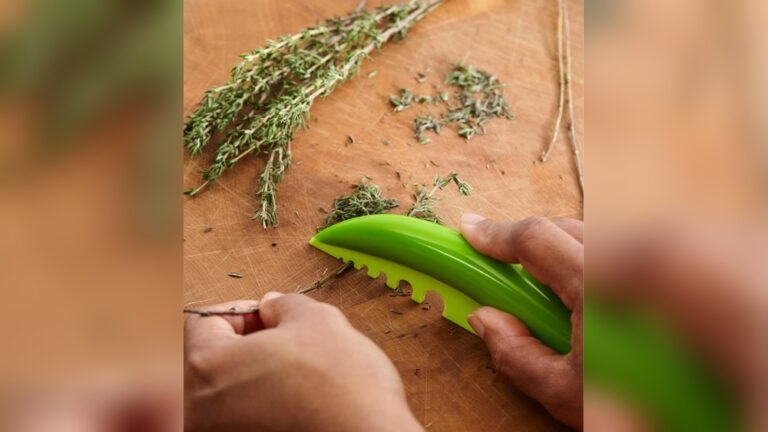
Handheld Strippers
Handheld strippers are small and easy to use. They fit comfortably in your hand. You pull the herb stem through a hole, which strips the leaves off. These are great for small jobs and quick tasks.
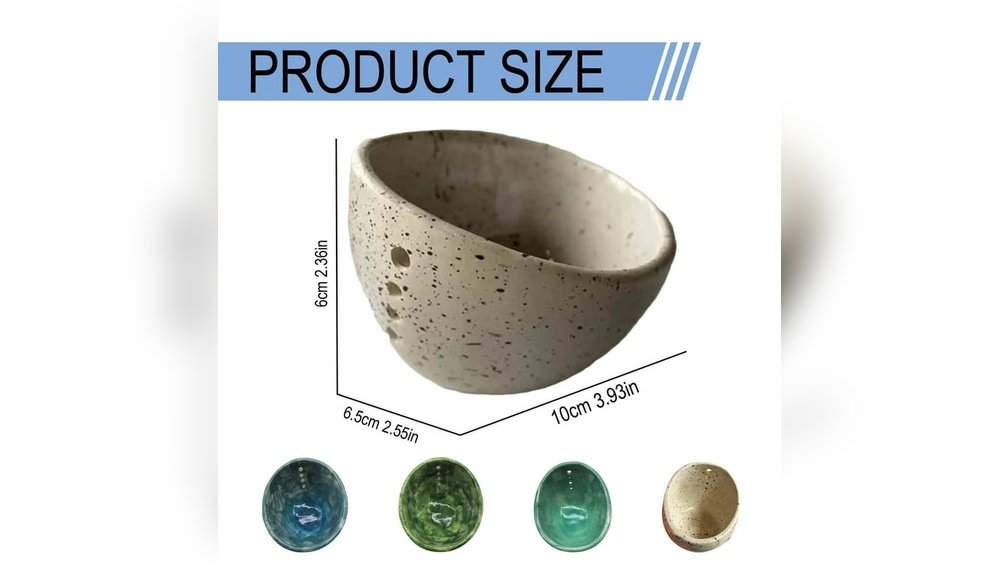
Herb Stripper Bowls
Herb stripper bowls combine a bowl and a stripping tool. You place the stems inside and twist or pull them through slots or holes. This type helps collect leaves easily and keeps your workspace tidy.
Wooden Strippers
Wooden herb strippers offer a natural feel and look. They are gentle on herbs and durable. The wood design often includes different sized holes for various stem thicknesses. These strippers blend well with rustic kitchen decor.
Ceramic Strippers
Ceramic strippers are smooth and easy to clean. They often come as bowls or flat tools with holes. Ceramic material resists stains and smells. They add an elegant touch to your kitchen tools.
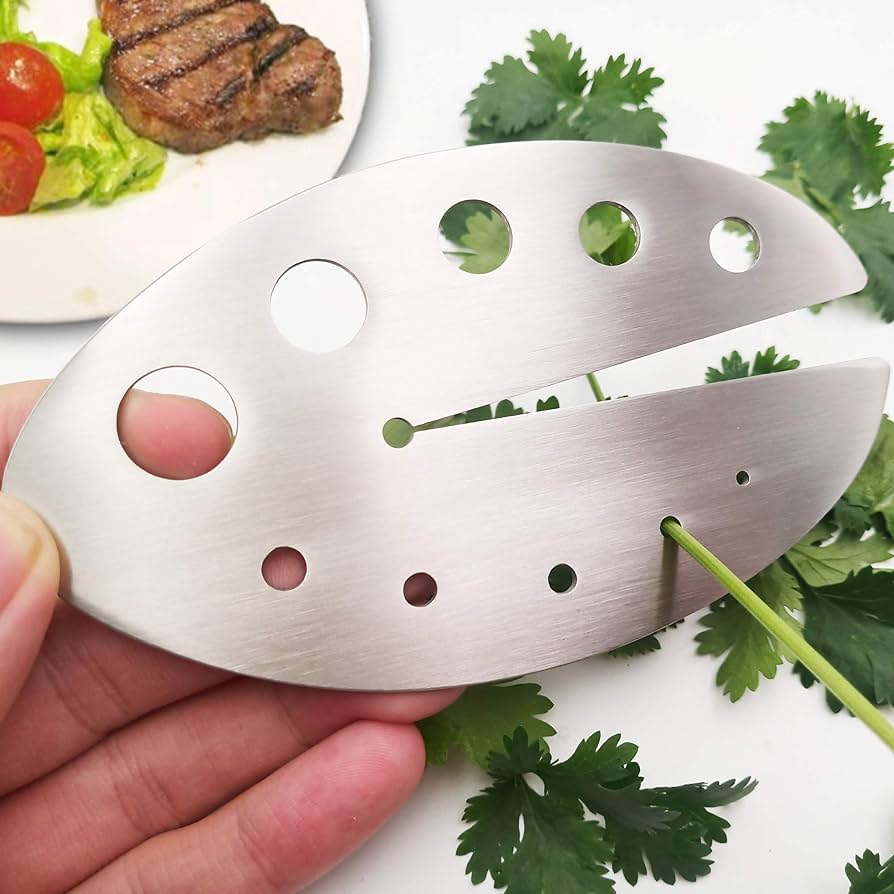
Stainless Steel Strippers
Stainless steel strippers are strong and long-lasting. They resist rust and damage. These strippers usually have sharp-edged holes for fast leaf removal. Their sleek design fits modern kitchens well.
Credit: www.amazon.com
Choosing The Right Size
Choosing the right size of an herb stripper makes herb preparation faster and easier. Different herbs have stems of various thicknesses. Using an herb stripper that fits the stem size helps remove leaves cleanly without damage. This saves time and reduces waste in the kitchen. Below are details about hole sizes for different herbs.
Small Holes For Tiny Herbs
Small holes work best for herbs with thin stems. Examples include thyme, oregano, and marjoram. These herbs have delicate stems that fit perfectly through small openings. The small holes strip leaves gently without tearing them. This size offers precise control for tiny herbs.
Medium Holes For Common Herbs
Medium holes fit most common herbs like rosemary and tarragon. These herbs have stems thicker than tiny herbs but not too thick. Medium-sized holes provide a good balance between ease and efficiency. They strip leaves quickly while protecting the herb’s texture.
Large Holes For Thick Stems
Large holes suit herbs with thick or woody stems. Examples include kale stems or some types of basil. These holes allow the stem to pass through easily without resistance. Using large holes prevents stem damage and lets you strip leaves smoothly.
Materials And Durability
Herb strippers come in various materials, each offering different levels of durability. Choosing the right material affects how long your tool lasts and how well it performs. Some materials offer natural appeal, while others focus on strength and ease of use. Understanding these differences helps you pick the best herb stripper for your kitchen needs.
Benefits Of Wood
Wood herb strippers feel natural and comfortable in hand. They are gentle on delicate herbs, preventing damage. Wood can last long if kept dry and clean. These strippers often have a rustic look, adding charm to your kitchen tools. Their lightweight design makes herb stripping easy and quick.
Advantages Of Stainless Steel
Stainless steel is tough and resists rust and stains. It handles frequent use without bending or breaking. This material cleans easily and stays hygienic. Stainless steel strippers often have sharp edges for fast leaf removal. They offer a modern look and great durability.
Ceramic Design Features
Ceramic herb strippers bring an artistic touch to kitchen tools. They resist scratches and hold up well over time. Their smooth surface makes cleaning simple. Ceramic tools do require careful handling to avoid chips. Many come in unique shapes, combining beauty with function.
Plastic Options
Plastic herb strippers are lightweight and affordable. They come in many colors and designs. While less durable than metal or wood, plastic tools resist water damage. Some plastics are flexible, making stripping easier. These options are popular for casual cooks and beginners.

Credit: www.epicurious.com
Top Brands And Models
Choosing the right herb stripper makes herb preparation faster and easier. Several brands offer reliable models that work well with different herbs. These tools vary in material, design, and size, catering to various kitchen needs.
Chef’n Herb Zipper
The Chef’n Herb Zipper is a popular plastic tool. It has multiple hole sizes to fit various stem thicknesses. This model strips herbs quickly without damaging leaves. Its compact size makes it easy to store and clean.
Herb The Bird Ceramic Stripper
This ceramic herb stripper features a unique bird shape. It offers a gentle grip for delicate herbs like thyme. The smooth ceramic surface helps remove leaves without bruising. It is both functional and decorative for any kitchen.
Farmhouse Teas Wooden Stripper
The Farmhouse Teas wooden stripper brings a natural touch to herb prep. Made from quality wood, it is sturdy and eco-friendly. It works best with woody herbs such as rosemary and thyme. The design is simple and easy to use.
Luxiv Stainless Steel Stripper
Luxiv offers a durable stainless steel herb stripper. It resists rust and lasts long with heavy use. The metal edges strip leaves cleanly from tough stems. This model suits chefs who prefer strong, metal kitchen tools.
Best Herbs To Strip
Stripping herbs from their stems makes cooking faster and neater. Some herbs work better with a herb stripper. These herbs usually have small leaves and tough stems. Using the right tool helps remove leaves quickly without bruising. Below are the best herbs to strip with ease.
Thyme And Rosemary
Thyme has tiny leaves on thin, woody stems. Stripping thyme saves time for soups and sauces. Rosemary has longer, needle-like leaves on stiff branches. It is perfect for stripping because it releases strong flavor. Both herbs hold well when stripped, keeping leaves intact.
Oregano And Marjoram
Oregano and marjoram have small, soft leaves. Their stems are thin but firm enough for stripping. These herbs are common in Mediterranean dishes. Stripping them helps add fresh flavor quickly. Using a herb stripper avoids crushing delicate leaves.
Tarragon And Other Small-leaf Herbs
Tarragon has narrow, smooth leaves on slender stems. It works well with herb strippers for easy leaf removal. Other small-leaf herbs like lemon thyme and savory also benefit. Stripping these herbs saves prep time and keeps leaves ready to cook.
Tips For Efficient Stripping
Stripping herbs quickly and cleanly saves time and keeps your kitchen tidy. Using the right technique and tools makes a big difference. Small habits improve your herb stripping experience and reduce waste. Follow these simple tips for efficient stripping with your herb stripper.
Using The Right Hole Size
Choose a hole size that fits the herb stem. Small herbs like thyme need smaller holes. Larger herbs like rosemary require bigger holes. Using the correct hole size prevents leaves from tearing. It also speeds up the stripping process. Check your herb stripper for multiple hole options. Match the hole size to the herb for best results.
Pulling Techniques
Hold the stem firmly but gently. Insert the stem into the hole and pull down slowly. Pulling too fast may damage the leaves. Use steady, even pressure for smooth stripping. If leaves stick, twist the stem slightly. This helps release the leaves without breaking them. Practice this technique for faster and cleaner results.
Cleaning And Maintenance
Clean your herb stripper after each use. Remove stuck leaves and rinse with warm water. Use a brush to clear small holes. Dry the tool completely to avoid rust or damage. Store it in a dry place for longevity. Regular cleaning keeps the stripper working well and safe for food.
Where To Buy Herb Strippers
Finding the right herb stripper is easier than ever. Various places sell herb strippers that suit different kitchen needs. Choosing where to buy depends on convenience, variety, and price. Below are some common places to find herb strippers.
Online Marketplaces
Online marketplaces offer a wide range of herb strippers. Websites like Amazon and Etsy have many options. You can read reviews before buying. Shipping is usually available worldwide. Prices vary from budget to premium. Shopping online saves time and effort.
Specialty Kitchen Stores
Specialty kitchen stores stock quality herb strippers. These stores focus on cooking tools and gadgets. You can see and touch the product before buying. Staff often provide helpful advice. Prices may be higher than online but quality is guaranteed. Stores like Sur La Table and Williams-Sonoma are good examples.
Local Craft Sellers
Local craft sellers offer handmade or unique herb strippers. Farmers markets and craft fairs are good places to check. These strippers often use natural materials like wood or ceramic. Buying local supports small businesses. You get a one-of-a-kind tool with character. Prices vary but usually reflect craftsmanship.
Frequently Asked Questions
What Herbs Are Best Stripped?
Thyme, rosemary, oregano, tarragon, and marjoram strip well due to their small leaves and tough, woody stems.
How Do You Strip Herbs Quickly?
To strip herbs quickly, pinch the stem between your fingers and slide downward to remove leaves fast. Use an herb stripper tool for efficiency.
What Are The Common Types Of Herb Strippers?
Common herb strippers include handheld tools, bowl-shaped strippers, and multi-hole designs. Each type suits different herb sizes and stem thicknesses for efficient leaf removal.
Which Herbs Are Best For Herb Stripping?
Herbs with small leaves and woody stems like thyme, rosemary, oregano, tarragon, and marjoram are ideal for herb stripping. Their stems release leaves easily when stripped.
Conclusion
Herb strippers come in many shapes and sizes to fit your needs. Some are small and hand-held, perfect for quick use. Others are bowls or tools with different hole sizes for various herbs. Choosing the right type saves time and effort while cooking.
Stripping herbs becomes easier and more efficient with the right tool. Try different types to find what works best for you. Simple tools can make herb preparation less messy and more fun. Keep your kitchen tasks quick and enjoyable with a good herb stripper.