Types of Tomato Slicer: Ultimate Guide to Perfect Tomato Cuts
When it comes to slicing tomatoes, the right tool can make all the difference. You want slices that are clean, even, and perfect every time—whether you’re prepping for a fresh salad, a sandwich, or a beautiful garnish.
But with so many types of tomato slicers on the market, how do you know which one suits your needs best? You’ll discover the different kinds of tomato slicers available, from simple hand-held gadgets to heavy-duty commercial models. By understanding their unique features and benefits, you’ll be able to choose the perfect slicer that saves you time, effort, and frustration in your kitchen.
Keep reading to find the ideal tomato slicer that fits your cooking style and makes slicing tomatoes effortless and enjoyable.
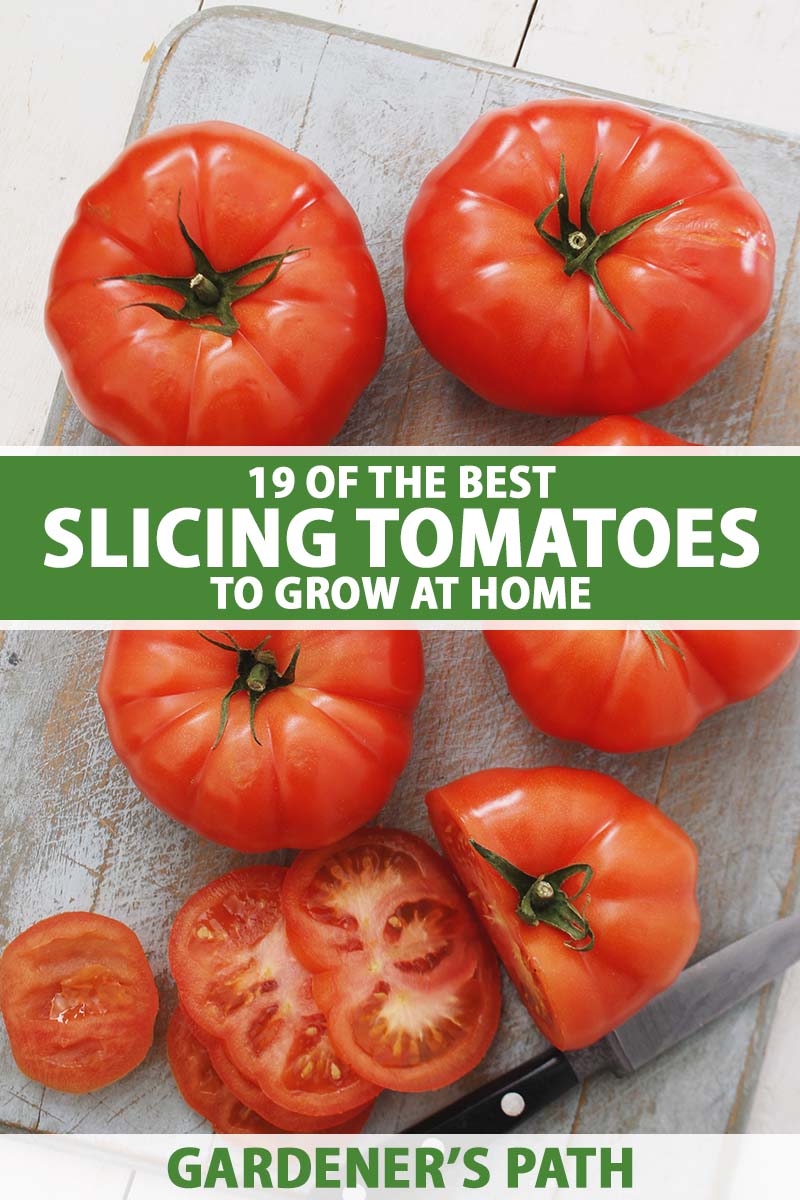
Credit: gardenerspath.com
Manual Tomato Slicers
Manual tomato slicers offer a simple and effective way to cut tomatoes without electricity. They rely on hand power, giving full control over each slice. These slicers suit home kitchens and small food prep tasks. They come in various designs, each with unique features to match different needs.
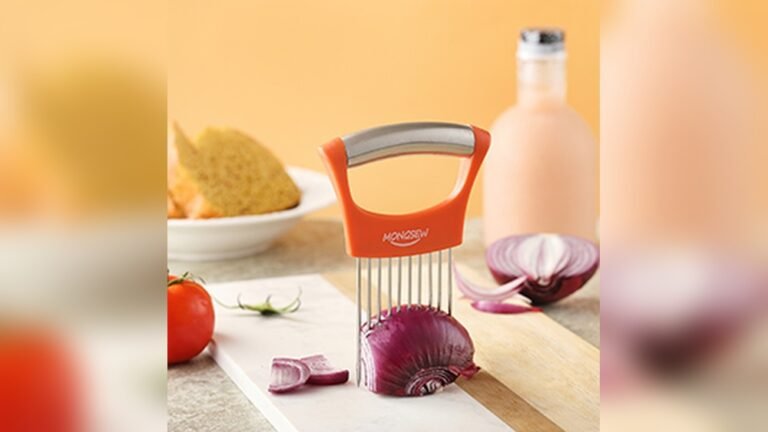
Handheld Slicers
Handheld tomato slicers are light and easy to use. They fit comfortably in your hand for quick slicing. You press the slicer down over the tomato to create even slices. These slicers are great for small tomatoes and fast prep. They take up little space and clean easily.
Serrated Blades
Serrated blades are common in manual tomato slicers. Their jagged edges cut smoothly through tomato skin. This helps keep the tomato intact and prevents squashing. Serrated blades reduce slipping, making slicing safer. They stay sharp longer than straight blades in many cases.
Adjustable Thickness
Some manual slicers let you adjust slice thickness. This feature gives more control over how thick or thin your slices are. Adjustable thickness works well for different recipes and presentation styles. It avoids waste by matching slice size exactly. This flexibility makes manual slicers more versatile.
Electric Tomato Slicers
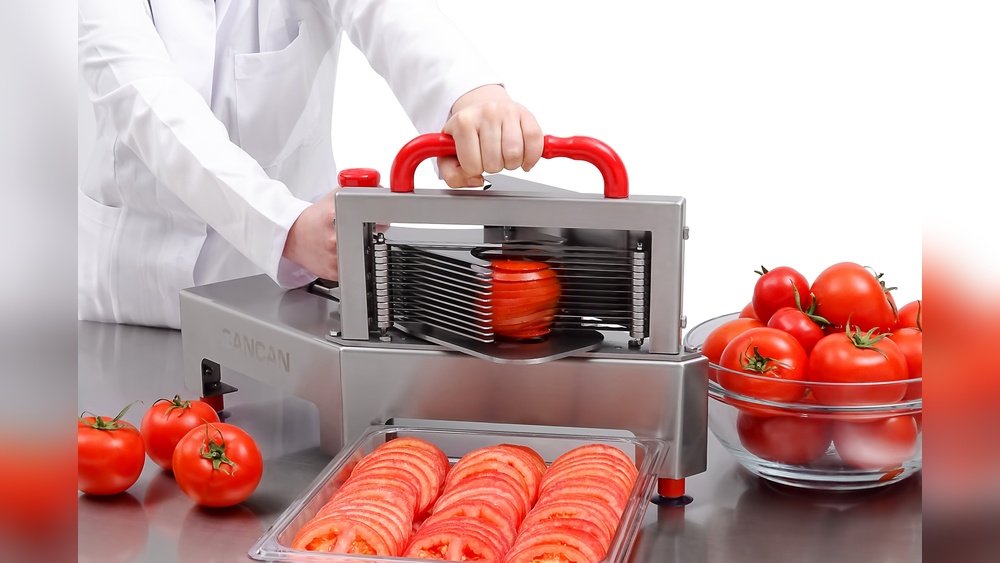
Electric tomato slicers make slicing fast and easy. They work well in busy kitchens or for large batches. These slicers use sharp blades powered by electricity to cut tomatoes evenly. This saves time and effort compared to manual slicing. Electric models offer consistent thickness and reduce mess. They suit restaurants, catering, and serious home cooks. Below are key points about electric tomato slicers to help you choose the right one.
High-volume Options
High-volume electric slicers handle many tomatoes quickly. They have wide blades and strong motors. Some models slice dozens of tomatoes per minute. These machines often include adjustable settings for slice thickness. They are built with durable materials to last long under heavy use. Such slicers fit well in commercial kitchens and food service places. Their speed and precision improve productivity and reduce waste.
Safety Features
Electric tomato slicers come with safety features to protect users. Many have blade guards that cover sharp parts. Some include automatic shut-off if the device opens or jams. Non-slip feet keep the slicer stable during use. Safety switches prevent accidental start-ups. These features lower the risk of cuts or injuries. Always follow the manufacturer’s instructions to stay safe.
Maintenance Tips
Keep electric tomato slicers clean to ensure long life. Unplug the device before cleaning. Remove detachable parts and wash them with warm, soapy water. Dry all pieces thoroughly before reassembly. Regularly check blades for sharpness and replace if dull. Lubricate moving parts as recommended in the manual. Store the slicer in a dry place to avoid rust and damage.
Mandoline Slicers For Tomatoes
Mandoline slicers for tomatoes offer precise and uniform slices quickly. They feature sharp blades and adjustable settings for consistent cuts. These tools make slicing tomatoes easy and efficient, ideal for salads, sandwiches, and garnishes.
Best Models
Popular mandoline slicers include the Benriner Super Slicer, OXO Good Grips, and Mueller Austria. These models provide sharp blades and sturdy construction. Their design ensures smooth slicing without crushing the tomato.
Thickness Settings
Mandolines allow users to set slice thickness easily. Settings often range from paper-thin to thick slices. This flexibility helps create perfect cuts for different recipes and preferences.
Beginner-friendly Choices
Some mandoline slicers come with safety features for beginners. Hand guards and non-slip bases reduce the risk of injury. Models like the OXO Good Grips are simple to use and clean, great for new users.
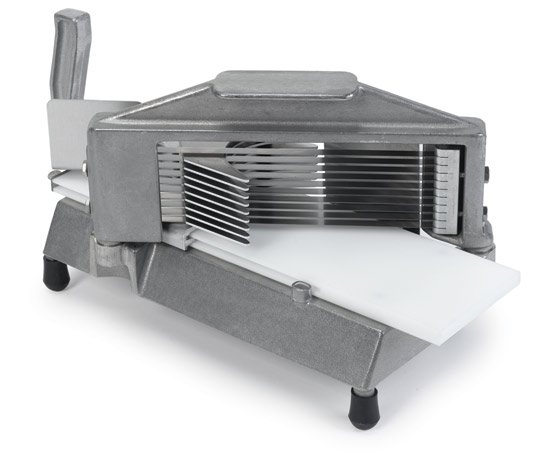
Credit: nemco.com
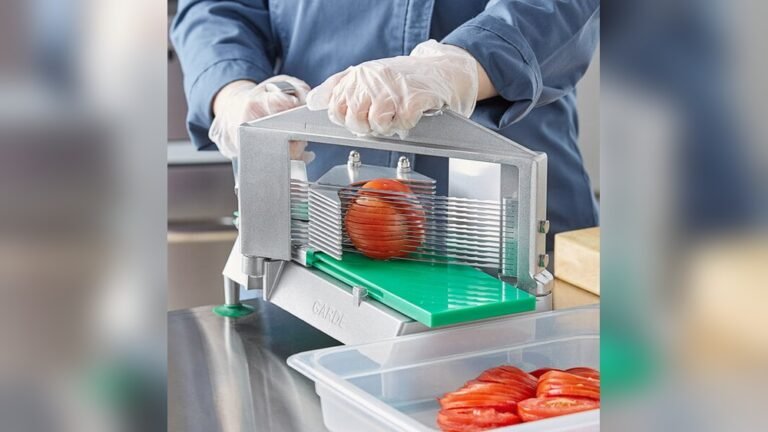
Heavy-duty Tomato Slicers
Heavy-duty tomato slicers are designed for serious slicing tasks. They handle large volumes of tomatoes quickly and evenly. These slicers are ideal for busy kitchens and food businesses. They offer consistent results and save time. Their robust design stands up to constant use without wearing out.
Commercial Use
Heavy-duty slicers are common in restaurants and food service. They speed up food prep during rush hours. These tools can slice many tomatoes in a minute. They reduce labor and help maintain food quality. Using them improves kitchen efficiency and keeps orders moving.
Durability And Build
These slicers are made with strong materials. Stainless steel and heavy metals are typical choices. Blades stay sharp longer and resist rust or damage. The build is solid to handle repeated pressure. Heavy-duty parts ensure the slicer lasts for years.
Cost Considerations
Heavy-duty slicers cost more than basic models. Prices vary based on size, brand, and features. Investing in quality saves money over time on repairs and replacements. Businesses find the higher price worthwhile for durability. Choosing the right slicer matches budget and slicing needs.
Specialty Tomato Slicers
Specialty tomato slicers offer unique ways to cut tomatoes beyond the regular slice. These tools focus on precision and style. They help create perfect shapes for different dishes and presentations.
Wedge Cutters
Wedge cutters slice tomatoes into even wedges quickly. They are great for salads and garnishes. The design holds the tomato steady for safe cutting. Most have sharp blades arranged in a circle. Place the tomato inside and press down to get uniform wedges.
Multi-fruit Slicers
Multi-fruit slicers work on tomatoes and other soft fruits. They have adjustable blades for different thicknesses. These slicers save space by combining several functions in one tool. They often include parts to core, slice, and dice. This makes food prep faster and easier.
Compact Designs
Compact tomato slicers fit well in small kitchens. They use less space but still slice efficiently. These slicers often fold or have removable parts for easy storage. Despite their size, they provide clean cuts. Ideal for home cooks with limited counter space.
Choosing The Right Blade
Choosing the right blade is crucial for slicing tomatoes smoothly and evenly. The blade affects the ease of cutting and the quality of each slice. Tomatoes have soft skins and juicy insides, so the blade must handle delicate slicing without crushing them. Understanding blade types helps pick the best tool for your kitchen needs.
Serrated Vs Smooth
Serrated blades have small teeth along the edge. They grip the tomato skin well and cut through easily. These blades work best for ripe, soft tomatoes. Smooth blades have a straight edge. They make clean cuts but need more pressure. Smooth blades fit firmer tomatoes and create neat slices.
Blade Material
Most tomato slicers use stainless steel blades. Stainless steel resists rust and stays sharp longer. High-carbon steel blades are sharper but may need more care to avoid rust. Plastic blades are less common and less durable. Choose a blade material that lasts and fits your maintenance routine.
Sharpness And Maintenance
A sharp blade cuts tomatoes without squashing them. Dull blades tear the skin and crush the fruit inside. Regular sharpening keeps blades effective. Some slicers have removable blades for easy cleaning and sharpening. Proper cleaning prevents build-up and extends blade life.
Factors To Consider When Buying
Choosing the right tomato slicer can make food prep faster and neater. Different slicers have unique features that suit various needs. Focus on key factors to find the best fit for your kitchen. These factors affect how well the slicer works and how easy it is to maintain.
Slice Thickness Options
Tomato slicers offer different thickness settings. Some models allow you to adjust slice thickness easily. This feature helps create uniform slices for sandwiches or salads. Choose a slicer with multiple thickness options for more versatility.
Ease Of Cleaning
Cleaning a tomato slicer should be simple and quick. Look for slicers that can be taken apart easily. Dishwasher-safe parts save time and effort. Avoid slicers with many small parts that trap food and bacteria.
Storage Space
Consider the space available in your kitchen. Compact slicers fit better in small kitchens or drawers. Some slicers come with storage cases or covers to protect blades. Choose a design that is easy to store and handle.
Budget And Brand
Set a budget before shopping for a tomato slicer. Prices vary depending on brand and features. Trusted brands often offer better durability and warranties. Balance cost with quality to get the best value for money.
Tips For Perfect Tomato Slices
Slicing tomatoes perfectly requires more than just a sharp knife or a quality tomato slicer. It involves specific techniques and gentle handling to preserve the tomato’s shape and texture. This section offers practical tips for achieving clean, even slices every time.
Proper Slicing Techniques
Use a sharp serrated knife or tomato slicer for smooth cuts. Start by placing the tomato on a stable surface. Hold it firmly but gently to avoid crushing. Slice with a gentle sawing motion instead of pressing down hard. Cut straight down to maintain even thickness. Thin slices work best for salads and sandwiches.
Handling Different Tomato Varieties
Firm tomatoes like Roma or beefsteak are easier to slice thinly. Softer varieties need extra care to avoid squishing. Chill soft tomatoes briefly to firm them up. Cherry tomatoes require a small, sharp blade for clean cuts. Adjust slicing pressure based on the tomato’s firmness.
Avoiding Bruising
Use light pressure and avoid twisting the blade. Keep the tomato steady to prevent slipping. Slice over a soft surface, like a cutting board, to absorb impact. Remove the core gently to prevent damage. Handle slices carefully when transferring to plates or dishes.
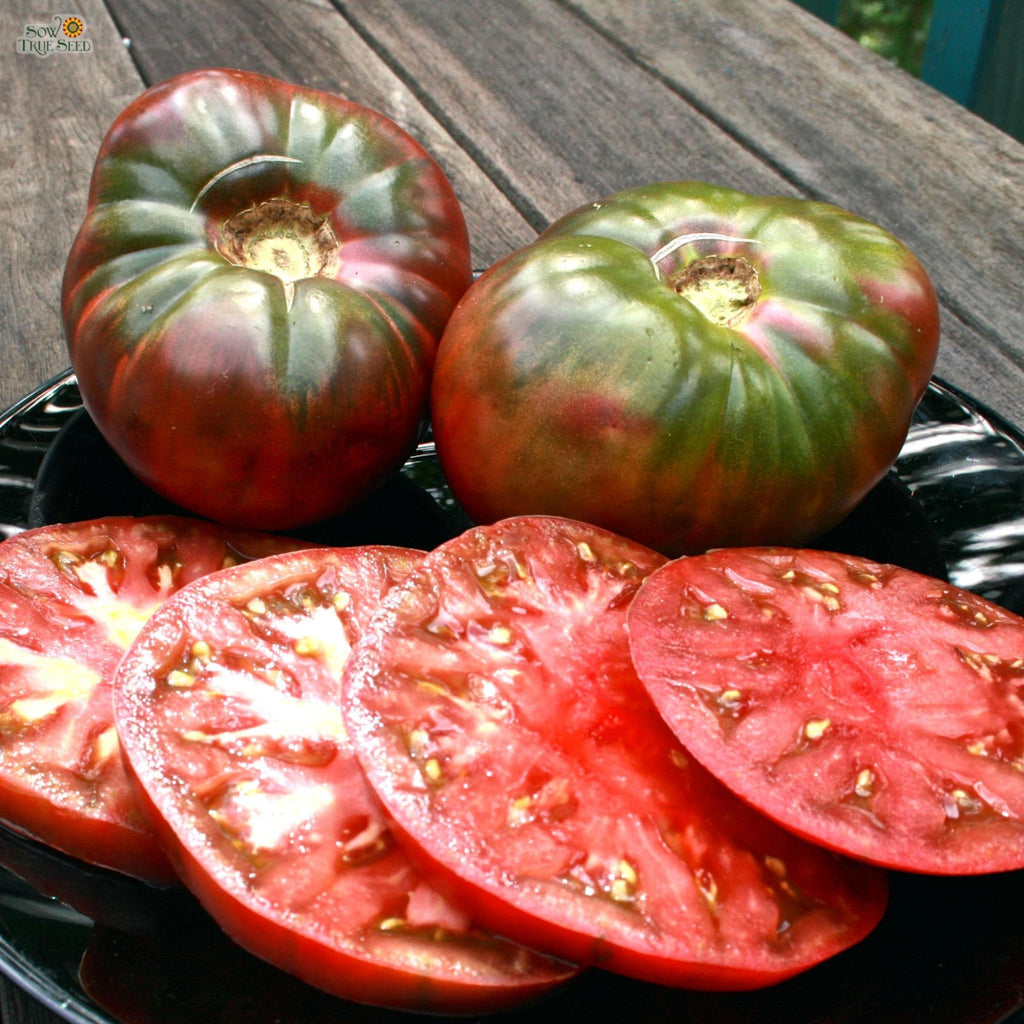
Credit: sowtrueseed.com
Frequently Asked Questions
What Is The Best Way To Slice Tomatoes?
Use a sharp serrated knife to gently slice tomatoes. Cut off the core first. Slice evenly with a steady hand for perfect wedges or rounds.
What To Consider When Buying A Tomato Slicer?
Consider slicing mechanism, adjustable thickness, durability, safety features, ease of cleaning, size, brand reputation, and budget when buying a tomato slicer.
What Type Of Knife Is Best For Slicing Tomatoes?
A serrated knife works best for slicing tomatoes. Its teeth cut through skin smoothly without crushing the flesh.
What Is The Best Rated Veggie Slicer?
The Benriner Super Slicer ranks as the best-rated veggie slicer for precision and durability. Oxo offers beginner-friendly and budget options.
Conclusion
Choosing the right tomato slicer depends on your needs and kitchen space. Manual slicers offer control and easy cleaning. Electric slicers save time and handle large quantities. Consider blade type and slice thickness for best results. Safety features help prevent accidents during use.
A good slicer makes tomato prep quicker and neater. Try different types to find what fits you best. Enjoy fresh, evenly sliced tomatoes every time.