Usage Guide Cheese Grater Handheld: Master Effortless Grating Today
If you’ve ever struggled to get the perfect shredded cheese for your favorite dishes, a handheld cheese grater is your secret weapon. But do you know how to use it right to make grating easier, safer, and more efficient?
Whether you’re prepping a quick salad, topping a pasta, or adding a finishing touch to a savory recipe, mastering your handheld cheese grater can save you time and effort in the kitchen. This guide will walk you through everything you need to know—how to choose the best grater, proper techniques to avoid mess and injury, and tips to get the most out of your tool.
Ready to become a grating pro? Keep reading and transform your cooking experience with simple, smart steps.
Credit: www.u-buy.co.uk
Choosing The Right Handheld Grater
Choosing the right handheld cheese grater makes a big difference in your kitchen tasks. The right grater helps you grate cheese quickly and safely. It also fits your hand well and lasts long. Consider the types, material, and size before buying.
Types Of Graters
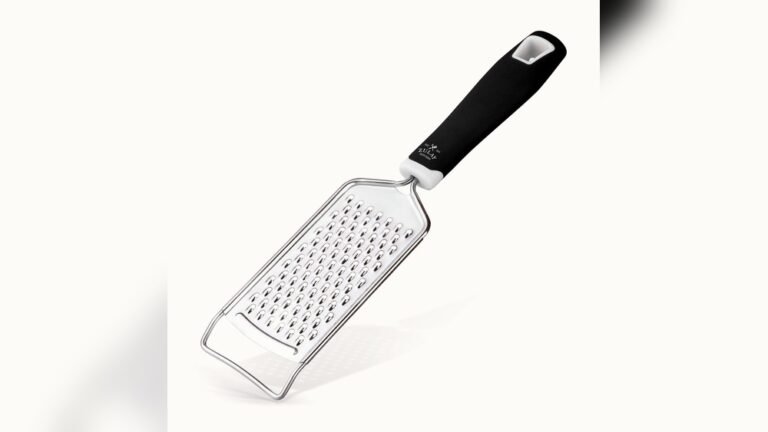
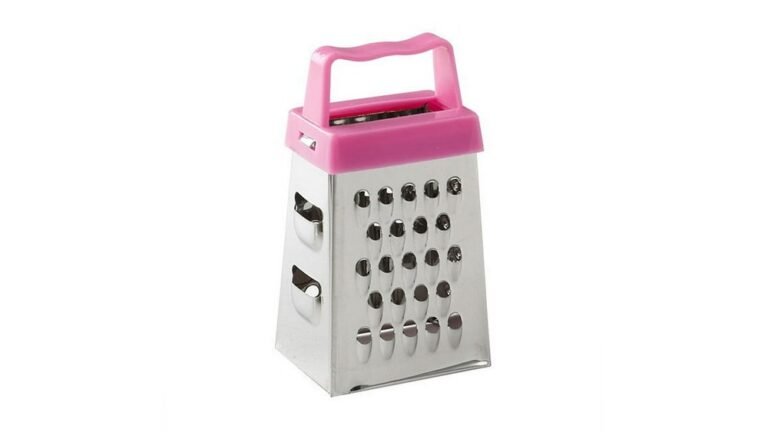
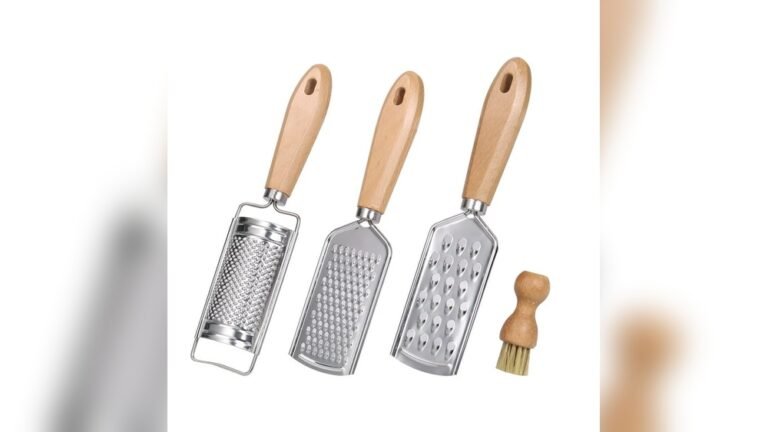
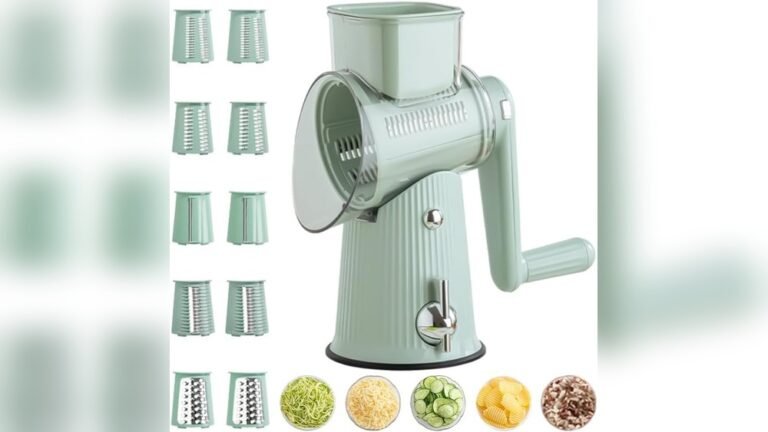
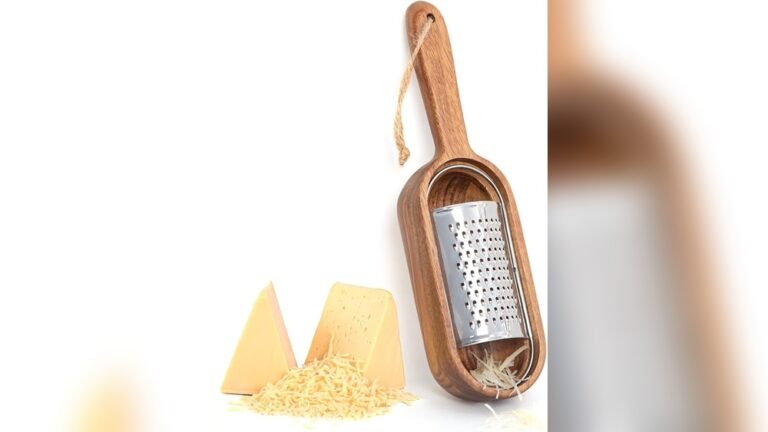
There are different types of handheld graters. Fine graters create small shreds, perfect for hard cheeses. Coarse graters make larger pieces, good for soft cheese or vegetables. Some graters have multiple sides with different grating sizes. Choose based on the texture you want.
Material And Build Quality
Stainless steel is the best material for durability and rust resistance. Plastic graters are lighter but less durable. Look for sharp blades that stay sharp over time. A sturdy frame prevents bending during use. Quality materials ensure safe and easy grating.
Size And Grip Considerations
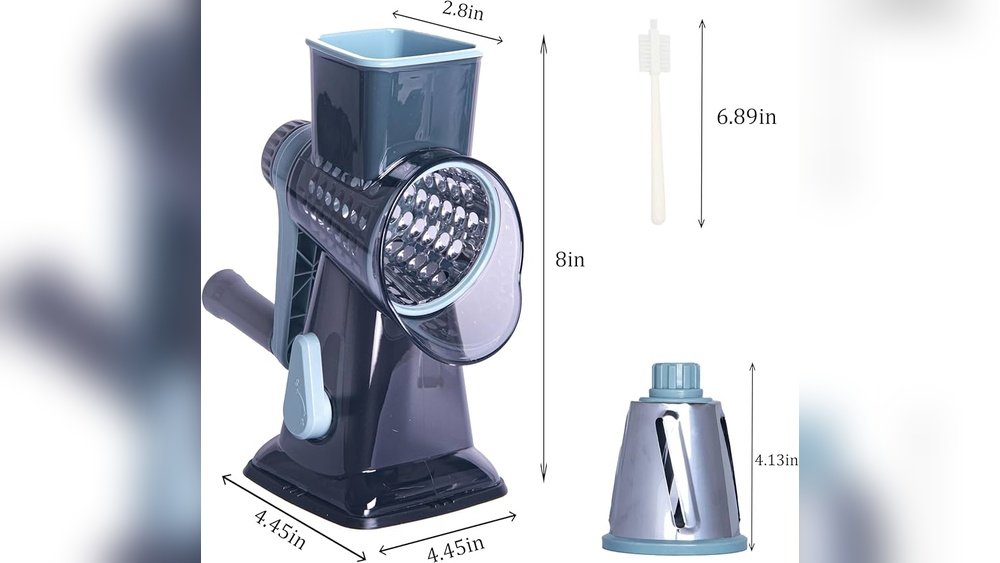
Handheld graters come in various sizes. Smaller graters are easy to store and handle. Larger graters cover more surface but may be heavier. Choose a size that fits your hand comfortably. A soft, non-slip grip reduces hand fatigue and improves control.
Basic Techniques For Handheld Grating
Using a handheld cheese grater is simple with the right techniques. Basic skills help you grate cheese quickly and safely. Knowing how to hold and move the grater improves your results. Different cheeses need different handling to avoid mess and waste.
Proper Hand Positioning
Hold the grater firmly in one hand. Keep your fingers away from the sharp edges. Use your other hand to hold the cheese piece. Grip the cheese tightly but gently. Position your hands so you feel stable and in control. This reduces the risk of slipping and injury.
Grating Angles And Movements
Place the grater at a slight angle over a bowl or plate. Move the cheese up and down against the grater’s surface. Use smooth, even strokes for consistent results. Avoid pressing too hard to prevent cheese from sticking. Let the grater do the work with steady, controlled motions.
Handling Different Cheese Textures
Soft cheeses need gentle pressure to avoid crushing. Hard cheeses require firmer strokes to grate well. Chill soft cheese before grating for easier handling. For crumbly cheese, grate slowly to reduce crumbling. Adjust your technique based on the cheese type for best results.
Using Each Side Effectively
Using each side of a handheld cheese grater properly helps you get the best results. Each side is designed for different types of grating and slicing tasks. Knowing how to use each side ensures clean, even shreds or slices. It also saves time and reduces waste.
Fine Grating For Hard Cheeses
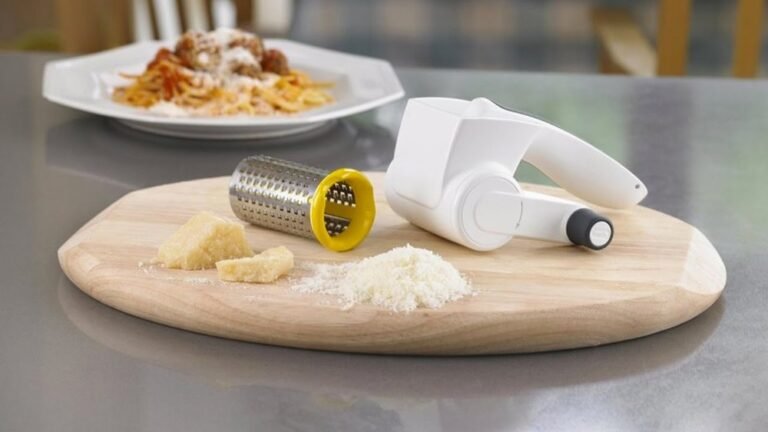
The fine grating side works best with hard cheeses like Parmesan. It produces tiny, fluffy shreds that melt easily on hot dishes. Use light pressure and move the cheese steadily against the grater. This side is perfect for garnishing pasta, soups, or salads.
Coarse Grating For Softer Cheeses
Coarse grating is ideal for softer cheeses such as cheddar or mozzarella. It creates larger, thicker pieces that hold their shape. Press the cheese firmly but gently to avoid squashing it. Use this side for melting on pizza, casseroles, or sandwiches.
Slicing And Zesting Options
Some handheld graters have slicing and zesting sides. The slicer cuts thin, even slices of cheese or vegetables. The zester creates fine strips of citrus peel or spices. Use the slicer for salads or sandwiches. Use the zester to add fresh flavor to recipes.
Safety Tips While Grating
Using a handheld cheese grater requires care to prevent accidents. Following safety tips helps protect your fingers and keeps your kitchen neat. Proper handling also makes grating easier and faster.
Avoiding Finger Injuries
Keep your fingers away from the grater’s sharp edges. Hold the cheese firmly but leave a small space between your hand and the grater. Use the larger end of the cheese piece first to avoid scraping your skin. Stop grating when the piece becomes too small to hold safely. Consider using a protective glove or a food holder for extra safety.
Maintaining A Stable Grip
Hold the grater firmly with one hand to stop it from slipping. Place the grater on a non-slip surface or a damp cloth for better stability. Press the cheese lightly against the grater to avoid sudden slips. Keep your movements steady and controlled to reduce the risk of accidents. A stable grip makes grating smoother and safer.
Cleaning And Storing Safely
Clean the grater immediately after use to prevent cheese from hardening. Use a brush or sponge to avoid cutting your fingers on the sharp edges. Rinse carefully under running water and dry it well to stop rust. Store the grater in a safe place where the blades will not hurt anyone. Wrapping it in a cloth or placing it in a protective cover keeps it safe and clean.
Cleaning And Maintenance
Cleaning and maintaining your handheld cheese grater keeps it sharp and safe to use. Regular care helps avoid rust and keeps the grater efficient. Simple steps make cleaning quick and extend the grater’s life.
Best Cleaning Practices
Rinse the grater immediately after use to stop cheese from drying. Use warm water and mild dish soap for thorough cleaning. A soft brush removes cheese stuck in small holes. Avoid scrubbing too hard to prevent damage. Dry the grater completely with a clean cloth before storing.
Preventing Rust And Dullness
Keep the grater dry to stop rust from forming. Apply a light layer of cooking oil on the metal after cleaning. Use the grater only on suitable foods to avoid dulling the blades. Avoid soaking the grater in water for long periods. Regularly check for rust spots and clean them gently.
Storage Recommendations
Store the grater in a dry place away from moisture. Use a protective cover or case if available. Avoid stacking heavy items on top to keep the blades sharp. Hang the grater on a hook to save space and improve air circulation. Proper storage prevents damage and keeps the grater ready for use.

Credit: www.zulaykitchen.com
Creative Uses Beyond Cheese
A handheld cheese grater is a kitchen tool with many uses beyond just cheese. It can make food preparation faster and add texture to various dishes. Using it creatively can enhance flavors and presentation in simple ways.
Grating Vegetables And Fruits
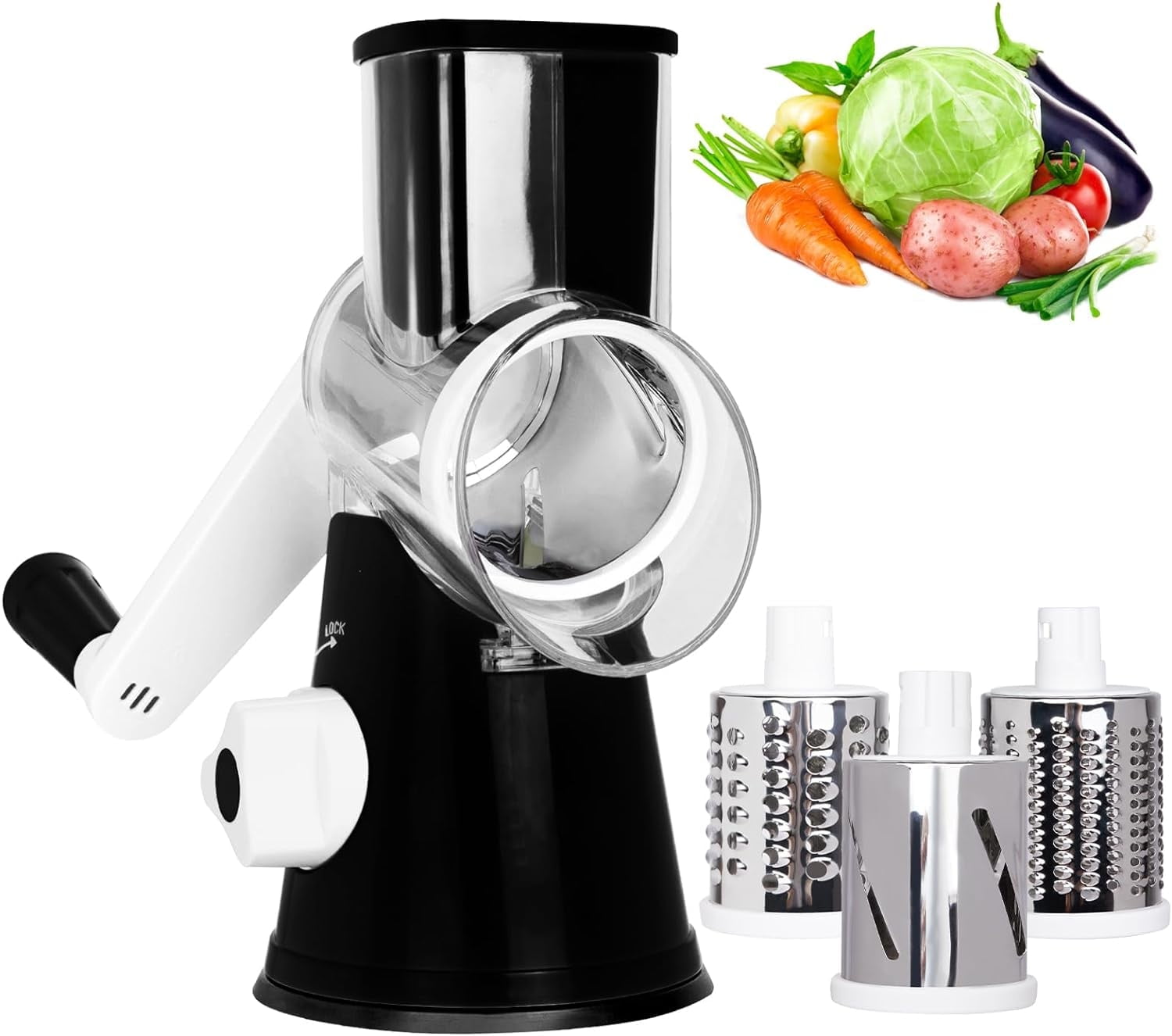
Graters work well for shredding vegetables like carrots, zucchini, and cucumbers. They create fine, even pieces perfect for salads or cooking. Fruits such as apples and pears can also be grated for fresh toppings or baking ingredients. This method saves time compared to chopping by hand.
Using For Spices And Zests
Fresh spices like nutmeg or ginger can be grated to release strong, natural flavors. Citrus fruits like lemons and oranges offer zest that brightens dishes. A handheld grater helps get thin strips of zest without the bitter white pith. It adds a fresh aroma to drinks, desserts, and meals.
Incorporating Into Recipes
Grated ingredients mix well into batters, doughs, and sauces. Use grated vegetables in fritters or meatballs for moisture and taste. Grated fruits can sweeten muffins or pancakes naturally. Freshly grated spices and zest improve soups, dressings, and marinades with vibrant notes.
Common Mistakes To Avoid
Using a handheld cheese grater may seem simple, but many people make mistakes that affect results and safety. Avoiding common errors helps you grate cheese easily and safely. Keep these tips in mind while using your cheese grater for the best experience.
Grating Too Fast Or Forcefully
Rushing causes uneven cheese pieces and can damage the grater. Pressing too hard may cause slips and accidents. Use slow, steady motions to get fine, consistent shreds. Let the grater do the work without forcing it.
Using The Wrong Side For Cheese Type
Each grater side is made for specific cheese types and textures. Use the fine side for hard cheeses like Parmesan. Choose the larger holes for softer cheeses like mozzarella. Picking the wrong side can make grating difficult and messy.
Neglecting Safety Precautions
Not paying attention to finger placement risks cuts. Always hold the grater and cheese firmly. Use a protective glove if possible, especially near the end. Clean the grater carefully to avoid injuries from sharp edges.

Credit: www.amazon.com
Frequently Asked Questions
How To Use A Hand Held Cheese Grater?
Hold the handheld cheese grater firmly. Press cheese against the grater’s surface. Move cheese up and down smoothly. Collect grated cheese from the base or plate. Clean grater after use to maintain hygiene.
What Is Each Side Of A Cheese Grater Used For?
Each side of a cheese grater serves a different purpose. Large holes shred cheese or vegetables coarsely. Small holes finely grate hard cheeses or zest citrus. Slicing side creates thin slices. Medium holes shred moderately. Use each side to achieve desired texture and size.
Why Do Chicago Bears Fans Have Cheese Graters?
Chicago Bears fans use cheese graters as a fun rivalry symbol against the Green Bay Packers. It started as a humorous hat design and quickly became popular merchandise. The grater represents a playful jab at their rivals, boosting team spirit and fan identity during games.
Are Nail Salons Supposed To Use Cheese Grater On Feet?
Nail salons should not use cheese graters on feet. They cause injury, infection, and are often illegal. Use safer tools like pumice stones or electric foot files instead.
Conclusion
A handheld cheese grater makes food prep simple and quick. Use steady pressure and grate on a flat surface for safety. Clean the grater right after use to avoid stuck cheese. Choose the right grater side for your desired texture.
With practice, you’ll grate cheese smoothly every time. Keep your hands safe by holding the grater firmly. This tool is handy in any kitchen, big or small. Try it yourself and enjoy fresh, grated cheese easily.