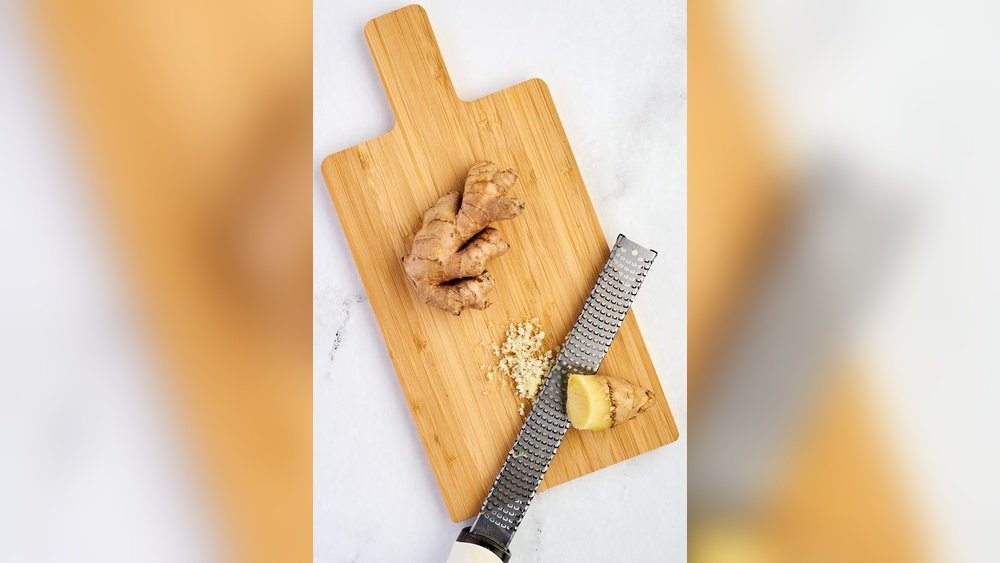
Perfect Effortless Tips for Usage Guide Ginger Grater.
If you love cooking with fresh ginger but dread the hassle of grating it, this guide is just for you. Using a ginger grater can transform your kitchen routine, making it faster and cleaner to add that perfect zing to your dishes.
You’ll learn simple, practical steps to prepare and grate ginger like a pro, whether you prefer it fresh, frozen, or with a clever plastic wrap trick to keep things neat. Stick with me, and you’ll discover how to get the most flavor with the least effort—making your cooking more enjoyable and your meals more delicious.
Ready to master your ginger grater? Let’s dive in!
Choosing A Ginger Grater
Choosing the right ginger grater can make a big difference in your cooking. A good grater helps you get fresh ginger quickly without wasting any. Consider the type, material, size, and design to find the best fit for your kitchen.
Types Of Graters
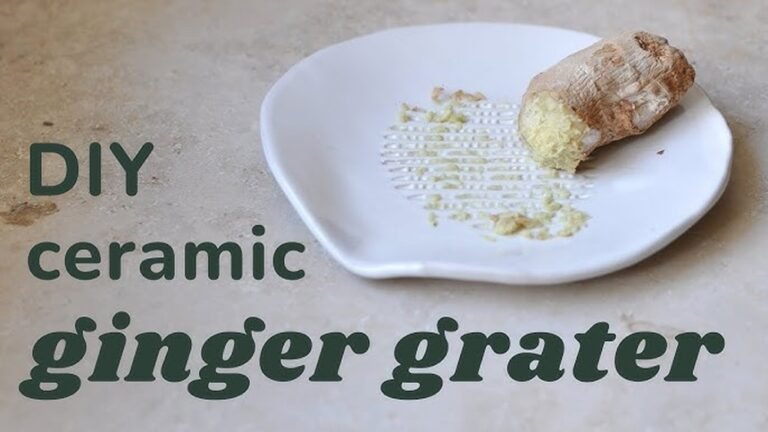
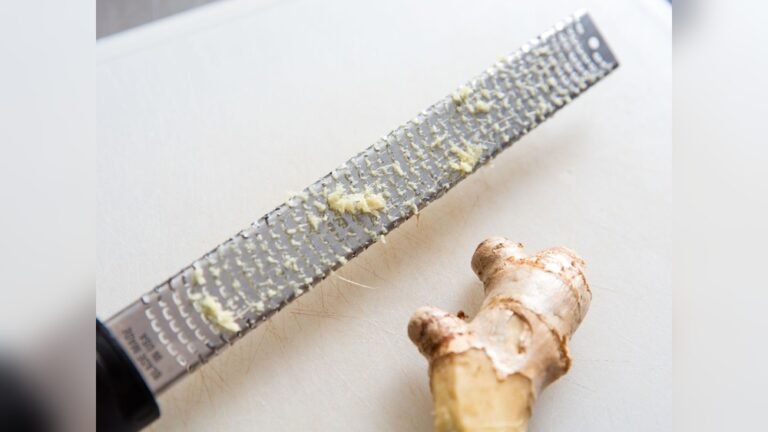
There are several types of ginger graters. Rasp-style graters have fine, sharp teeth that easily grate ginger into a smooth paste. Box graters offer different hole sizes for various textures. Ceramic graters use a rough surface to grate ginger gently. Each type suits different needs and preferences.
Material Considerations
Choose a grater made from durable materials. Stainless steel is common and resists rust. Ceramic graters are gentle on ginger and easy to clean. Plastic graters are lightweight but may wear out faster. Pick a material that fits your cooking style and lasts long.
Size And Design
Size matters for comfort and storage. Small graters are easy to handle and clean. Larger graters can handle more ginger at once. Look for designs with comfortable grips and non-slip bases. A well-designed grater keeps your hands safe and makes grating easier.
Preparing Ginger For Grating
Preparing ginger for grating is the first step to add fresh flavor to your dishes. Proper preparation makes grating easier and cleaner. It helps you get the most juice and aroma from the ginger root. Follow simple tips to prepare ginger quickly and efficiently.
Peeling Techniques
Use the edge of a spoon to peel ginger. Scrape the skin gently without cutting too much of the flesh. This method is safer than a knife and reduces waste. Peel only the parts you need to keep the rest fresh. Avoid peeling too thick to preserve the ginger’s flavor.
Freezing For Easier Grating
Freeze whole ginger to firm it up before grating. Place the unpeeled ginger in the freezer for a few hours. Frozen ginger is easier to grate finely and produces less juice. You can grate it directly from the freezer without thawing. This method saves time and reduces mess.
Keeping Ginger Fresh
Store ginger in a paper towel inside a plastic bag in the fridge. This keeps the ginger dry and fresh longer. Avoid sealing it tightly to prevent mold growth. You can also freeze peeled ginger in small portions for later use. Fresh ginger stays flavorful and moist with proper storage.
Grating Techniques
Grating ginger requires the right technique to get fine, juicy pieces without much effort. Using correct methods saves time and reduces waste. It also helps you avoid frustration from clogged graters or tough fibers. Understanding the fiber direction and choosing the right grater type makes a big difference.
Fiber Direction Tips
Look at the ginger root to find the fiber lines. Hold the ginger so these lines run across the grater teeth, not along them. This means you grate perpendicular to the fibers. Doing this produces soft, tender shreds. It also stops the grater from clogging and keeps the ginger juicy.
Using A Rasp-style Grater
A rasp-style grater works well for ginger. It has small, sharp teeth that finely grate the root. Hold the ginger firmly and move it up and down over the grater. Keep the motion steady and apply light pressure. This method creates fluffy, moist ginger pieces perfect for cooking or tea.
Grating With A Box Grater
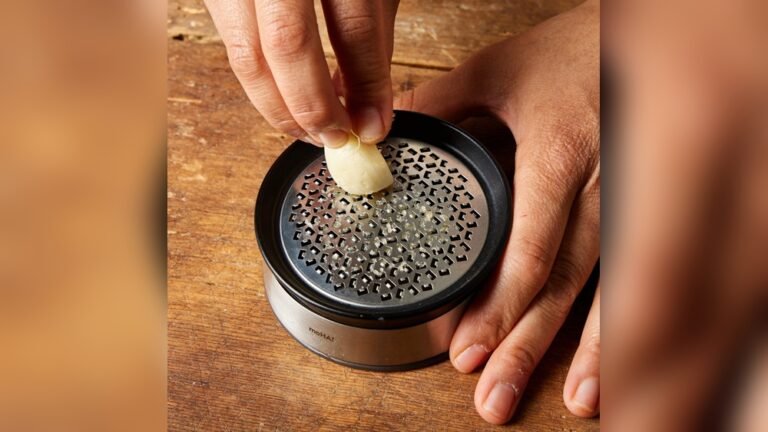
Box graters offer different hole sizes. Use the smallest holes for ginger. Peel the ginger first, then grate with the fibers running across the holes. Grate slowly to avoid clogging the holes. You can cover the grater with plastic wrap to catch pulp and make cleaning easier.
Avoiding Clogging And Skin
Peel ginger carefully to remove only the thin skin. Use a spoon edge to scrape it off gently. This saves more ginger than cutting with a knife. Freeze the ginger before grating to make it firm. Firm ginger clogs less and grates smoothly. Stop grating before the piece gets too small. Use your palm to press the last bit to protect your fingers.

Credit: www.amazon.com
Collecting And Using Grated Ginger
Collecting and using grated ginger properly helps keep your kitchen clean. It also ensures you get the best flavor and texture for your dishes. Freshly grated ginger has a strong aroma and a juicy texture that can be tricky to handle. Using simple tips can make the process easier and prevent waste.
Catch Pulp With Plastic Wrap
Place a small sheet of plastic wrap under your ginger grater. This catches the pulp and juice as you grate. The wrap keeps grated ginger together and makes it easy to transfer. After grating, lift the wrap and fold it to hold the ginger pulp. This method reduces mess and saves every bit of ginger.
Handling The Last Bits Safely
When ginger pieces get small, grating becomes harder. Use the palm of your hand to press the last bits against the grater. This avoids scraping your fingers. Alternatively, use a fork to hold the small ginger pieces. This keeps your hands safe and helps you get all the ginger pulp.
Storing Grated Ginger
Store grated ginger in an airtight container or jar. Keep it in the refrigerator for up to one week. For longer storage, freeze grated ginger in small portions. Use ice cube trays or small bags for easy use later. Proper storage keeps the ginger fresh and flavorful for your recipes.
Cleaning And Maintaining Your Grater
Cleaning and maintaining your ginger grater keeps it sharp and safe. Proper care stops buildup and extends the tool’s life. Clean the grater soon after use to remove sticky ginger residue.
Effective Cleaning Methods
Rinse the grater under warm water right after grating. Use a small brush to clear stuck bits from the teeth. Soap and water help remove oils and fibers. Avoid scrubbing too hard to protect the grater’s surface. Dry the grater with a soft cloth after washing.
Preventing Rust And Damage
Keep the grater dry to stop rust from forming. Never leave it soaking in water for long. Use a little oil on metal parts to add a protective layer. Avoid using metal brushes that can dull the grater. Check for damage regularly to keep it working well.
Storage Tips
Store the grater in a dry place to avoid moisture. Use a protective cover or case if available. Keep it away from heavy objects that might bend or break it. Hang the grater or place it in a drawer with other kitchen tools. Proper storage maintains the grater’s shape and sharpness.
Credit: www.ebay.com
Tips For Perfect Ginger Flavor
Getting the perfect ginger flavor takes practice and a few key tips. Freshness and intensity must balance well. Using the right amount in your dishes helps the flavor shine. Understanding substitutes can save you in a pinch.
These tips will help you enjoy ginger’s unique taste every time. Follow simple steps for the best results in cooking and drinks.
Balancing Freshness And Intensity
Use fresh ginger for the best flavor. It has a bright, spicy taste that adds zing to dishes. Avoid old ginger as it can taste dull or woody.
Grate just enough to release oils and juice. Too much grated ginger can overpower your meal. Start with a small amount and adjust to taste.
Store ginger in the fridge to keep it fresh longer. Wrapping it in paper towel helps absorb moisture and keeps it firm.
Using Grated Ginger In Recipes
Grated ginger works well in sauces, marinades, and stir-fries. It blends smoothly and cooks quickly. Add it early in cooking to release flavor or at the end for a fresh kick.
In baking, grated ginger adds warmth and spice. Use it in small amounts to avoid bitterness. It pairs well with sweet ingredients like honey and cinnamon.
For drinks, fresh ginger adds zest to teas and cocktails. Grate and steep it for a few minutes for a spicy flavor boost.
Substitutes And Alternatives
If fresh ginger is not available, use ground ginger powder. It is less intense but still adds a warm flavor. Use about one-third the amount of fresh ginger called for.
Galangal root is a good substitute in Asian dishes. It has a similar sharp and citrusy taste. Use it in equal amounts to fresh ginger.
Ginger paste or frozen grated ginger can save time. These alternatives keep the flavor but may vary in intensity. Adjust the quantity to suit your taste.

Credit: www.amazon.com
Frequently Asked Questions
How To Use A Ginger Grater?
Peel ginger using a spoon’s edge. Hold it perpendicular to the grater’s teeth. Rub ginger up and down on a fine rasp or microplane grater. Use your palm to grate the last bit safely. Freeze ginger first for easier grating if desired.
Do You Leave Skin On When Grating Ginger?
Peeling ginger before grating is recommended to avoid tough skin in the pulp. Some grate unpeeled ginger, but skin may affect texture.
What Is The Proper Way To Grate Ginger?
Peel ginger with a spoon, then grate it using a fine rasp or microplane grater. Rub ginger fibers perpendicular to grater teeth. Use light pressure and finish by grating small pieces carefully to avoid injury. Alternatively, freeze ginger before grating for easier handling and less mess.
What Dishes Use Freshly Grated Ginger?
Freshly grated ginger enhances dishes like stir-fries, curries, marinades, salad dressings, soups, and baked goods with its spicy, aromatic flavor.
Conclusion
Using a ginger grater makes cooking easier and faster. Peel the ginger gently to keep its flavor strong. Hold it right and grate carefully to avoid clogging. Freezing ginger first can help with firm texture and simpler grating. Always finish grating with your palm to protect your fingers.
This simple tool brings fresh ginger’s taste to your dishes every time. Try these tips to enjoy grating ginger with less mess and effort. Your kitchen tasks become smooth and your meals more flavorful. Keep practicing for the best results.