Usage Guide Herb Stripper: Effortless Herb Prep Made Simple
If you love cooking with fresh herbs, you know how time-consuming it can be to strip tiny leaves from tough stems. That’s where a herb stripper becomes your kitchen game-changer.
But how exactly do you use this handy tool to save time and effort? In this guide, you’ll discover simple steps to quickly and effortlessly strip herbs like rosemary, thyme, and oregano. Whether you’re a beginner or a seasoned cook, mastering the herb stripper will make your meal prep faster and more enjoyable.
Keep reading to unlock the secret to perfectly prepped herbs every time.
Choosing The Right Herb Stripper
Choosing the right herb stripper can save time and effort in the kitchen. Picking a tool that fits your needs makes herb preparation quick and simple. Consider the type, material, and size before buying. This guide helps you find the best herb stripper for your cooking style.
Types Of Herb Strippers
Herb strippers come in many forms. Some have multiple holes for different stem sizes. Others use a single hole with flexible edges. Handheld models are common and easy to use. Some strippers include measuring features to track herb amounts. Choose the type that suits your favorite herbs and cooking habits.
Materials And Durability
Materials affect the tool’s durability and feel. Plastic herb strippers are lightweight and affordable. Metal versions last longer and are easy to clean. Wooden herb strippers offer a natural look but need gentle care. Pick a material that matches your kitchen routine and washing preferences.
Size And Hole Options
Size matters for comfort and efficiency. Smaller strippers fit better in tight spaces. Larger ones work well for big batches of herbs. Multiple hole sizes handle different stems, from thin thyme to thick rosemary. Choose a stripper with hole sizes that match the herbs you use most.
Best Herbs For Stripping
Choosing the best herbs for stripping can make your cooking easier and faster. Some herbs have stems that are perfect for using with a herb stripper. These herbs usually have small leaves attached to tough or woody stems. Knowing which herbs work best helps you save time and get clean, ready-to-use leaves.
Woody Stemmed Herbs
Woody stemmed herbs include rosemary, thyme, oregano, and tarragon. These herbs have hard, thin stems that hold small leaves tightly. A herb stripper works well to remove the leaves without much effort. The tough stems allow the tool to grip and pull the leaves off quickly.
Using a herb stripper on woody stems keeps the leaves intact. It also prevents damage that can happen when stripping by hand. This makes these herbs some of the best choices for herb stripping tools.
Tender Vs. Tough Herbs
Tender herbs like basil, cilantro, and parsley have soft stems. These stems may bend or crush when using a herb stripper. Tough herbs, on the other hand, have firmer stems that slide through the tool easily.
Herb strippers work best on tough stems because they hold their shape. Tender herbs often need to be stripped by hand or with careful cutting. Knowing the difference can save you time and avoid frustration in the kitchen.
Seasonal Herb Selection
Season affects which herbs are fresh and easy to strip. Spring and summer bring tender herbs like basil and mint. These may not work well with a herb stripper but are great for hand picking.
Fall and winter favor woody herbs such as rosemary and thyme. These herbs stay sturdy and ready for stripping even in colder months. Choosing herbs by season helps you get the most from your herb stripper year-round.
How To Use An Herb Stripper
Using an herb stripper makes herb preparation quick and simple. It removes leaves from stems without waste. This tool works well for herbs like thyme, rosemary, and oregano. Follow this guide for easy, clean results every time you prepare herbs.
Preparing Herbs For Stripping
Start by rinsing herbs under cold water. Pat them dry with a paper towel. Trim the ends of the stems to remove any dry parts. Choose stems that are not too thick for easier stripping. Gather small bunches to handle comfortably.
Step-by-step Stripping Process
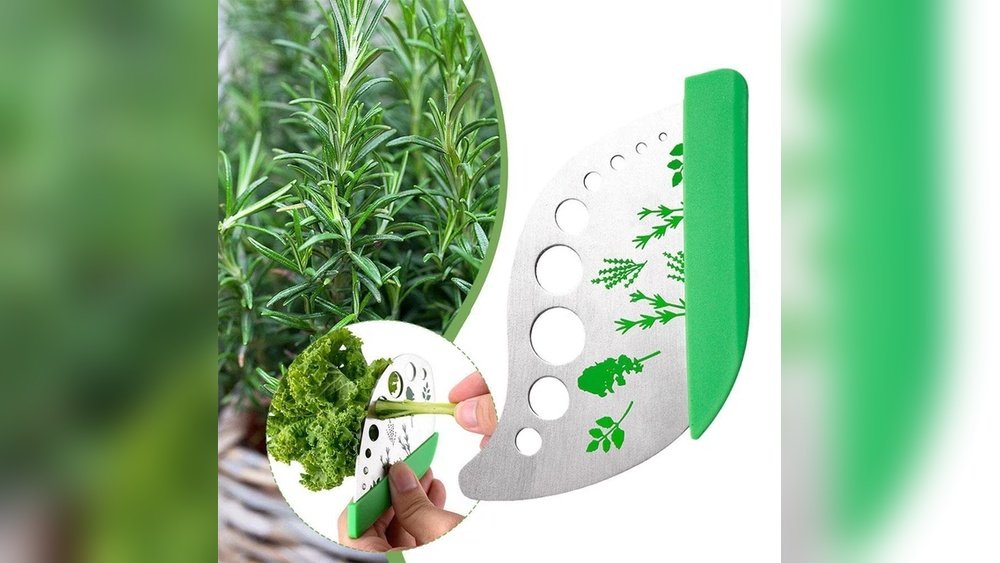
Hold the herb stripper firmly in one hand. Place the stem into the correct-sized hole. Pull the stem through the hole slowly. Leaves will separate from the stem and collect outside. Repeat with all stems until leaves are removed.
Tips For Efficient Use
Use the right hole size for the herb stem thickness. Pull gently to avoid tearing leaves. Work over a bowl to catch leaves easily. Clean the stripper after use to prevent residue build-up. Store it in a dry place to maintain quality.

Credit: www.amazon.com
Cleaning And Maintenance
Proper cleaning and maintenance keep your herb stripper working well. Dirt and residue can build up after use. This affects its performance and lifespan. Regular care ensures smooth operation and hygiene. Follow these simple steps to maintain your tool.
Washing Techniques
Rinse the herb stripper under warm water immediately after use. Use mild dish soap and a soft brush to remove stuck herbs. Avoid harsh scrubbing that may damage the tool’s surface. Dry it thoroughly with a clean towel to prevent rust or mold. For stubborn residue, soak the tool in warm soapy water for a few minutes before scrubbing.
Storage Tips
Store the herb stripper in a dry place away from direct sunlight. Keep it in a drawer or utensil holder to avoid dust and damage. Avoid placing heavy objects on top of it to maintain its shape. Regularly check for any signs of wear or damage to replace if needed. Proper storage extends the life of your herb stripper.
Troubleshooting Common Issues
If the herb stripper sticks or drags, clean it thoroughly to remove debris. Check for cracks or chips that may affect performance. Ensure the tool is fully dry before use to avoid slipping. If the holes seem clogged, use a toothpick or small brush to clear them. Replace the tool if it becomes warped or breaks to maintain efficiency.
Comparing Popular Herb Strippers
Choosing the right herb stripper can save time and improve cooking prep. Many options exist, each with different features. Comparing popular herb strippers helps find the best fit for your kitchen. Below, we explore manual versus mechanical tools, top brands, and how price relates to performance.
Manual Vs. Mechanical Tools
Manual herb strippers use simple holes or slots to remove leaves. They are quiet, easy to clean, and require no power. Mechanical tools often have rotating parts or blades. These speed up stripping but need batteries or charging. Manual tools suit small jobs and delicate herbs. Mechanical tools work well for larger batches and tougher stems.
Top Brands And Models
Several brands offer reliable herb strippers. Chef’n Herb Zipper is popular for its compact design and easy use. Gneiss Spice provides handmade wooden strippers with natural appeal. Zipstrip Herb Stripper combines stripping and measuring in one tool. Pampered Chef makes models with multiple hole sizes for different herbs. Each brand focuses on usability and durability.
Price Vs. Performance
Price varies from budget-friendly to premium options. Manual strippers usually cost less but need more effort. Mechanical models are pricier but save time and energy. Higher-priced tools often include extra features or better materials. Consider how often you cook with fresh herbs. Spending more makes sense for frequent use. For occasional cooks, simple manual tools perform well at low cost.
Credit: spice.alibaba.com
Diy Herb Stripper Ideas
DIY herb stripper ideas offer a fun and practical way to speed up your kitchen prep. Making your own tool saves money and adds a personal touch. You can craft a simple device using items found at home. This guide shows easy steps to build your own herb stripper. Enjoy fresh herbs without the hassle of stripping leaves by hand.
Simple Home Solutions
Use common household items to create a basic herb stripper. A plastic bottle cap or a piece of cardboard works well. Even a comb or a fork can help pull leaves off stems. These tools are easy to find and require no special skills. The goal is to make leaf removal faster and cleaner.
Materials Needed
- Plastic bottle cap or sturdy cardboard
- Scissors or a craft knife
- Sandpaper or nail file (optional, for smooth edges)
- Marker or pen for marking
- Ruler or measuring tape
Step-by-step Crafting Guide
- Choose a plastic cap or cut a rectangle from cardboard.
- Mark several holes of different sizes on the item.
- Use scissors or a knife to carefully cut out the holes.
- Smooth the edges with sandpaper or a nail file.
- Test the holes by pulling herb stems through them.
- Pick the hole size that strips leaves easily without crushing them.
- Use your homemade herb stripper by sliding stems through the hole.
Incorporating Stripped Herbs In Recipes
Stripped herbs bring freshness and ease to any kitchen. Removing leaves from stems speeds up cooking and prep time. Using a herb stripper makes this task quick and simple. Once stripped, herbs can be added directly to dishes or stored for later use. This section explores how to use stripped herbs in your recipes effectively.
Fresh Herb Uses
Fresh herbs add bright flavors to meals. Sprinkle chopped herbs on salads or soups for extra taste. Mix herbs into sauces or dressings for a natural boost. Use them as garnishes to enhance the dish’s appearance. Stripped herbs blend well into marinades and rubs. Their fresh aroma lifts simple dishes to new levels.
Storage And Preservation
Store stripped herbs in a damp paper towel inside a sealed bag. Keep them in the refrigerator to maintain freshness. Freeze herbs in ice cube trays with water or oil. This method preserves flavor for months. Dry herbs by hanging small bundles in a cool, dry place. Proper storage extends the life and quality of herbs.
Enhancing Flavors
Stripped herbs release more flavor during cooking. Add them early in stews or sauces to infuse taste. Use delicate herbs like basil or parsley near the end of cooking. This keeps their flavor bright and fresh. Combine different herbs for complex, layered flavors. Experiment with amounts to suit your taste buds.

Credit: www.amazon.com
Frequently Asked Questions
What Herbs Are Best Stripped?
Thyme, rosemary, oregano, tarragon, and marjoram strip easily due to their small leaves and woody stems. These herbs work best with herb strippers.
What Is A Herb Stripper And How Does It Work?
A herb stripper is a kitchen tool designed to remove leaves from herb stems quickly. It works by pulling the herb stem through a hole sized to strip leaves off while leaving stems behind. This speeds up herb prep for cooking or garnishing.
Which Herbs Are Best For Using A Herb Stripper?
Herbs with small leaves and woody stems like thyme, rosemary, oregano, tarragon, and marjoram work best. These herbs strip easily without damaging the leaves. Tender herbs like basil or parsley may not strip well.
How Do I Choose The Right Size Herb Stripper Hole?
Select a hole size that fits the thickness of your herb stems. Holes that are too large won’t strip leaves efficiently; too small may damage stems. Many strippers have multiple hole sizes for versatility.
Conclusion
Using an herb stripper saves time and effort in the kitchen. It easily removes leaves from woody stems like rosemary and thyme. The tool keeps herbs intact and ready for cooking. Anyone can use it, even beginners. Try one to make herb prep simple and neat.
Fresh herbs enhance flavors and brighten meals. A small tool can make big cooking tasks easier. Give it a try and enjoy fresh herbs with less hassle.