Usage Guide Vegetable Julienne Peeler: Master Quick, Crisp Cuts
If you want to add a professional touch to your cooking and make your meals look as good as they taste, mastering the vegetable julienne peeler is a must. This simple kitchen tool can transform ordinary vegetables into elegant, thin strips perfect for salads, stir-fries, and garnishes.
But are you using your julienne peeler the right way to get those perfect, uniform cuts every time? In this guide, you’ll discover easy-to-follow tips and tricks that will help you slice like a pro, save time, and impress everyone at the table.
Keep reading to unlock the full potential of your vegetable julienne peeler and elevate your cooking game.
Choosing The Right Julienne Peeler
Choosing the right julienne peeler makes vegetable prep faster and neater. This tool creates thin, even strips ideal for salads, garnishes, and stir-fries. Picking one that fits your needs improves your kitchen experience. Consider the types, features, materials, and brands carefully before buying.
Types Of Julienne Peelers
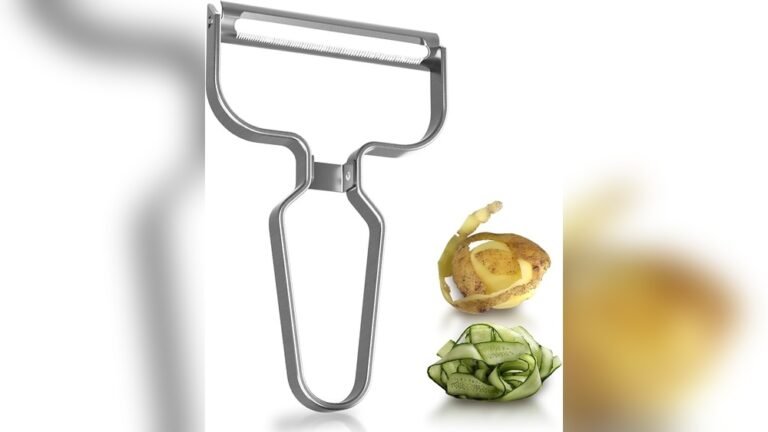
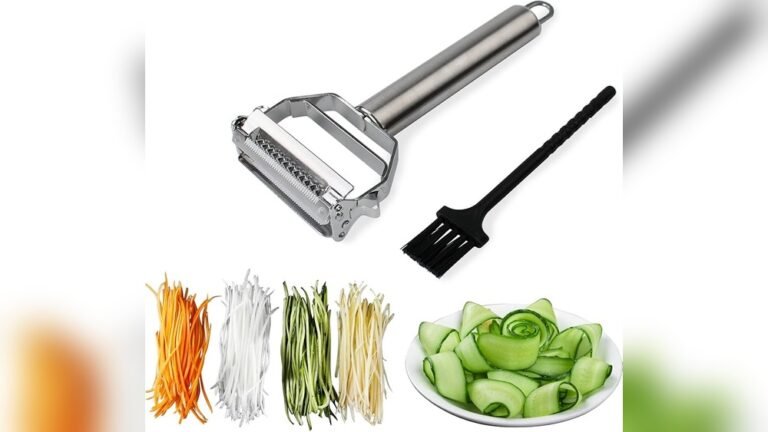
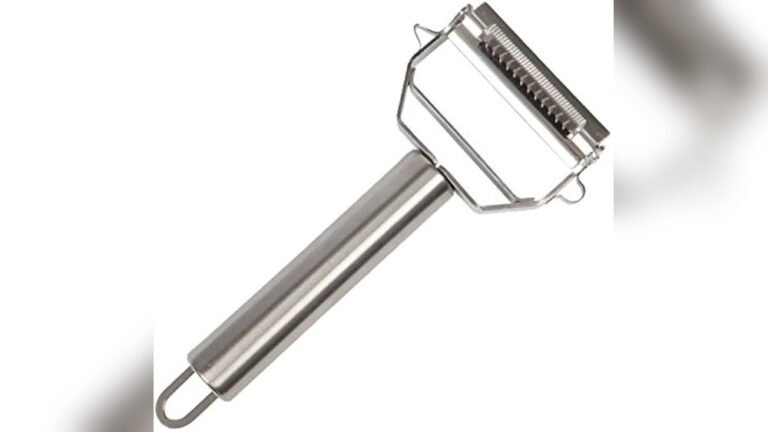
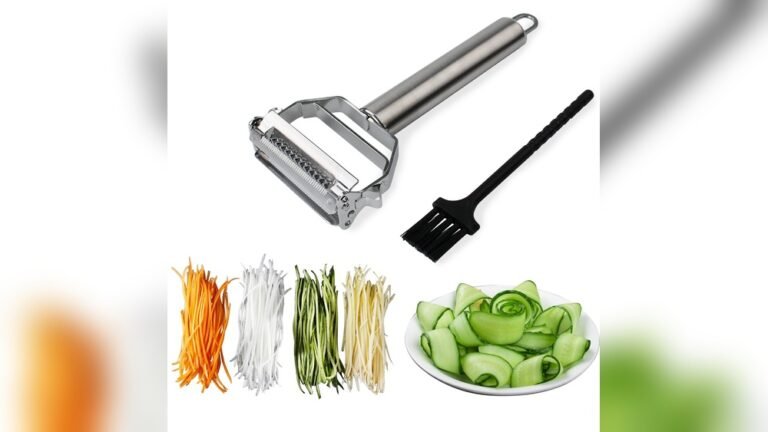
Julienne peelers come in various styles. Some have fixed blades, while others offer interchangeable blades. A handheld peeler is simple and easy to use. A Y-shaped julienne peeler provides better control and comfort. Some peelers have dual blades for different strip widths. Choose a style that feels comfortable and suits your cooking tasks.
Features To Look For
Look for sharp, sturdy blades that stay sharp over time. A comfortable handle helps reduce hand fatigue. Non-slip grips add safety during use. Easy cleaning is important to maintain hygiene. Some peelers come with blade covers for safe storage. Consider peelers with rust-resistant parts for durability. A peeler that fits your hand size improves precision and ease.
Best Materials And Brands
Stainless steel blades are the most durable and rust-resistant. Plastic handles are lightweight and easy to grip. Some peelers combine metal and rubber for better comfort. Trusted brands like OXO, Kuhn Rikon, and KitchenAid offer reliable julienne peelers. These brands provide quality, sharpness, and ergonomic design. Investing in a well-known brand ensures long-lasting performance.

Credit: www.amazon.com
Preparing Vegetables For Peeling
Preparing vegetables correctly is key for an easy peeling process. The right prep makes using a vegetable julienne peeler smooth. It helps create neat, even strips quickly. Follow simple steps for the best results.
Selecting Suitable Vegetables
Choose vegetables that are firm and fresh. Root vegetables like carrots, cucumbers, zucchini, and potatoes work best. Avoid soft or overripe produce. Soft vegetables do not peel well and may break.
Washing And Cutting
Wash vegetables thoroughly under cold water. Remove any dirt or residue from the surface. Cut vegetables into manageable sizes. Halve long vegetables so they lay flat on the cutting board.
Ensuring Firm Texture
Firm texture is important for clean julienne strips. If vegetables are too soft, they can bend or crumble. Store vegetables in the fridge to keep them crisp. Use fresh vegetables soon after purchase for best texture.
Mastering The Peeling Technique
Peeling vegetables with a julienne peeler takes some practice. The right technique makes the process faster and safer. It helps create neat, even strips that cook evenly and look great in dishes.
Focus on how you hold the peeler and move it. Control and steady motions give the best results. Small adjustments in your grip and movement can improve your peeling skill quickly.
Proper Grip And Hand Position
Hold the julienne peeler firmly but not too tight. Your dominant hand should grasp the handle with fingers wrapped around it. Keep your thumb on one side for support.
Use your other hand to hold the vegetable steady. Place it flat on a cutting board or hold it carefully in the air. Keep fingers away from the blade to avoid cuts.
Top-to-bottom Motion
Start peeling from the top of the vegetable. Pull the peeler straight down to the bottom in one smooth stroke. Avoid sawing back and forth as it can cause uneven strips.
Maintain even pressure throughout the stroke. Too hard pressure may break strips, too light pressure may not cut well. Practice slow, steady pulls to get uniform strips.
Turning The Vegetable For Even Cuts
After each stroke, slightly turn the vegetable with your free hand. This exposes a fresh surface for the peeler. Rotate evenly to peel all sides without missing spots.
Turning the vegetable helps create strips of similar length and thickness. It also prevents peeling too deep in one area. Keep the vegetable stable to avoid slips while rotating.
Creating Perfect Julienne Strips
Creating perfect julienne strips requires precision and practice. The right technique ensures your vegetable strips look neat and cook evenly. This section helps you get consistent, thin strips using a vegetable julienne peeler.
Achieving Uniform Thickness
Hold the peeler firmly and apply steady pressure. Peel the vegetable smoothly from top to bottom. Keep the angle consistent to get strips of the same thickness. Avoid pressing too hard to prevent uneven cuts. Uniform strips cook faster and look better on the plate.
Adjusting Strip Length
Control the length by the size of your vegetable and peeling motion. Use short, even strokes for smaller strips. For longer strips, peel in one smooth motion from top to bottom. You can cut strips shorter after peeling if needed. Consistent length helps with even cooking and presentation.
Handling Different Vegetable Sizes
Firm vegetables like carrots and zucchini work best. Hold small vegetables steady on the cutting board. For larger vegetables, peel in sections to maintain control. Adjust your grip to avoid slipping. Proper handling prevents accidents and ensures clean strips every time.
Avoiding Common Mistakes
Using a vegetable julienne peeler can be simple, but some common errors reduce its effectiveness. Avoiding these mistakes helps you peel safely and efficiently. Follow these key tips to improve your peeling technique and keep your peeler in top shape.
Preventing Injuries
Always pay attention while peeling. Hold the vegetable firmly to avoid slips. Keep your fingers away from the blade path. Use a cutting board for stability. Avoid rushing the process to prevent accidents.
Maintaining Peeler Sharpness
Clean the peeler after each use to remove food residue. Dry it thoroughly to stop rust from forming. Store it in a dry place, away from other utensils. Avoid using it on very hard surfaces that dull the blade.
Peeling Away From The Body
Always peel in a direction away from your body. This reduces the risk of cutting yourself. Move the peeler smoothly and steadily along the vegetable. Keep your other hand clear of the peeling path for safety.

Credit: www.amazon.com
Cleaning And Maintenance Tips
Keeping your vegetable julienne peeler clean and well-maintained is key to its performance. Proper care prevents rust and keeps the blades sharp. It also ensures safe use every time.
Safe Cleaning Practices
Rinse the peeler immediately after use to remove vegetable bits. Use warm water and mild soap for cleaning. Avoid abrasive sponges that can damage the blades. Dry the peeler completely with a soft cloth. Do not soak the peeler for long periods to prevent rust.
Storage Recommendations
Store the peeler in a dry place away from moisture. Use a blade cover or a protective case if available. Keep it separate from other utensils to avoid dulling the blade. Hanging the peeler on a hook can help air circulation. Avoid leaving it in a drawer with heavy tools.
Extending Peeler Lifespan
Sharpen the blades occasionally using a small sharpening tool. Avoid using the peeler on very hard or frozen vegetables. Handle the peeler with care to prevent dropping and damage. Regular cleaning after every use preserves its sharpness. Replace the peeler if the blades become dull or bent.
Creative Uses For Julienne Strips
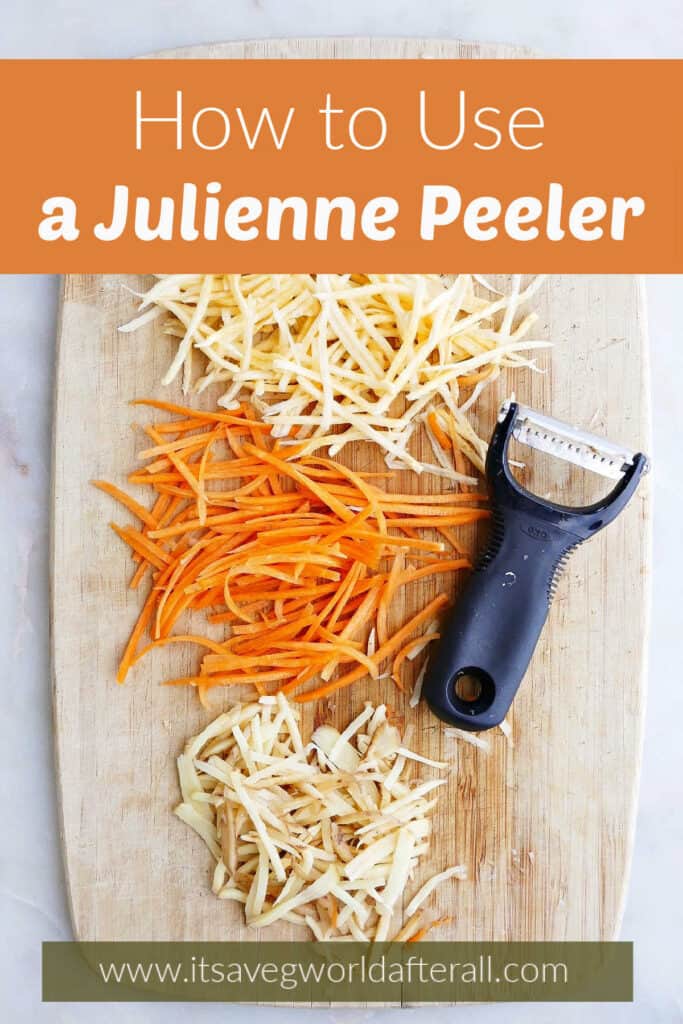
Julienne strips add texture and style to many dishes. Using a vegetable julienne peeler creates thin, even strips quickly. These strips enhance meals with crunch and color. They suit various recipes, from fresh salads to hot dishes and light snacks. Explore creative ways to use julienne strips below.
Salads And Garnishes
Julienne strips brighten salads with crisp texture and vivid color. Carrot, cucumber, and zucchini strips work well. They mix easily with leafy greens. Use strips as a fresh garnish on soups or plates. Their thin shape adds elegance and crunch. Simple to prepare, they improve salad appeal.
Stir-fries And Sautés
Julienne strips cook quickly in stir-fries and sautés. Use strips of carrots, bell peppers, or sweet potatoes. They blend well with meat or tofu. Thin strips cook evenly, keeping a slight crunch. This technique saves time during meal prep. The strips absorb sauces nicely for rich flavor.
Snacks And Appetizers
Julienne strips make tasty, healthy snacks. Wrap strips in rice paper with herbs for fresh rolls. Combine with dips like hummus or yogurt for crunchy bites. Use strips to top bruschetta or flatbreads. They add color and nutrition to simple appetizers. Easy to prepare, they fit many snack ideas.
Troubleshooting Difficult Vegetables
Using a vegetable julienne peeler can be tricky with certain types of produce. Some vegetables are harder to peel due to their texture or shape. This section helps solve common problems when peeling difficult vegetables. Follow these tips for a smoother experience.
Soft Or Slippery Produce
Soft vegetables like ripe zucchini or cucumbers can slip while peeling. To prevent this, dry the vegetable thoroughly before starting. Hold the vegetable firmly but gently to avoid bruising. Use slow, even strokes to maintain control. If the vegetable feels too soft, chill it briefly in the fridge to firm it up.
Small Or Oddly Shaped Items
Small vegetables like baby carrots or oddly shaped items like radishes may be hard to grip. Use a kitchen towel to hold the item securely. Peel in short, controlled strokes to avoid slipping. For very small pieces, consider cutting them into larger sections before peeling. This gives you a better grip and safer handling.
Alternatives For Tough Skins
Some vegetables have tough or thick skins that resist the julienne peeler. Examples include butternut squash or sweet potatoes. Use a sharp knife to slice off the skin first. Then, use the julienne peeler on the softer inner flesh. Another option is to blanch the vegetable briefly in hot water to soften the skin before peeling.
Credit: itsavegworldafterall.com
Frequently Asked Questions
How To Use The Julienne Peeler?
Hold the vegetable firmly on a cutting board. Run the julienne peeler downward to create thin, uniform strips. Repeat until done. Use on firm vegetables like carrots or zucchini for best results. Always peel away from your body for safety.
What Is The Correct Way To Use A Vegetable Peeler?
Hold the vegetable firmly. Peel away from your body using smooth, downward strokes. Rotate the vegetable to peel evenly. Use a sharp peeler for best results. Avoid peeling towards yourself to prevent injury.
What Length Do We Cut Vegetables For A Julienne?
Cut vegetables into matchstick shapes about 2 to 3 inches long and 1/8 inch thick for a perfect julienne.
What Are Some Common Peeler Mistakes?
Common peeler mistakes include peeling towards yourself, applying uneven pressure, using dull blades, and not securing the vegetable properly. These errors increase injury risk and reduce efficiency. Always peel away from your body and hold vegetables firmly for safe, smooth peeling.
Conclusion
Using a vegetable julienne peeler makes slicing simple and fast. It works best on firm vegetables like carrots and zucchini. Hold the veggie steady and peel from top to bottom for thin, even strips. These strips cook quickly and add a nice texture to salads and dishes.
Practice a few times to get comfortable with the motion. This tool saves time and adds creativity to your kitchen. Try it today and enjoy fresh, healthy meals with ease.