Usage Guide Vegetable Spiralizer: Master Easy Healthy Meals Fast
Are you ready to transform your meals with fresh, colorful vegetable noodles? A vegetable spiralizer is a simple tool that can turn ordinary veggies into fun, healthy spirals in seconds.
Whether you want to lighten up your pasta dishes, add crunch to salads, or create eye-catching garnishes, this guide will show you exactly how to use your spiralizer like a pro. You’ll learn which vegetables work best, how to prepare them, and tips to get perfect spirals every time.
Stick with me, and soon you’ll be making delicious, nutritious meals that are as beautiful as they are tasty!
Choosing Your Spiralizer
Choosing the right spiralizer makes vegetable preparation easier and more fun. Different spiralizers suit different needs. Consider your kitchen space, how often you cook, and your budget.
Understanding the types and features helps you find the best tool for your meals. Let’s explore the main options available.
Types Of Spiralizers
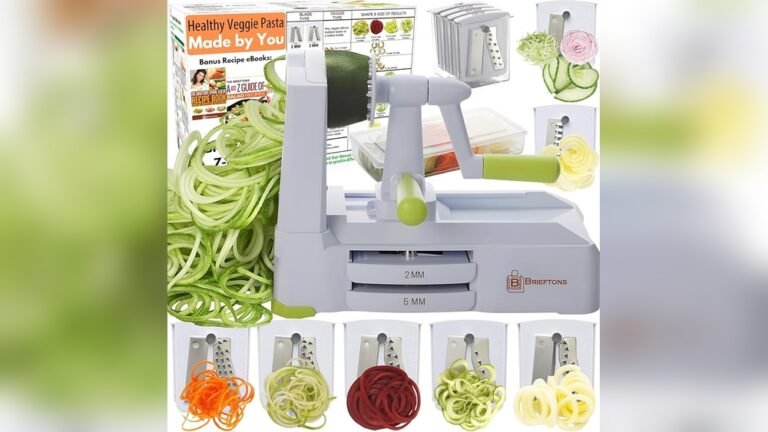
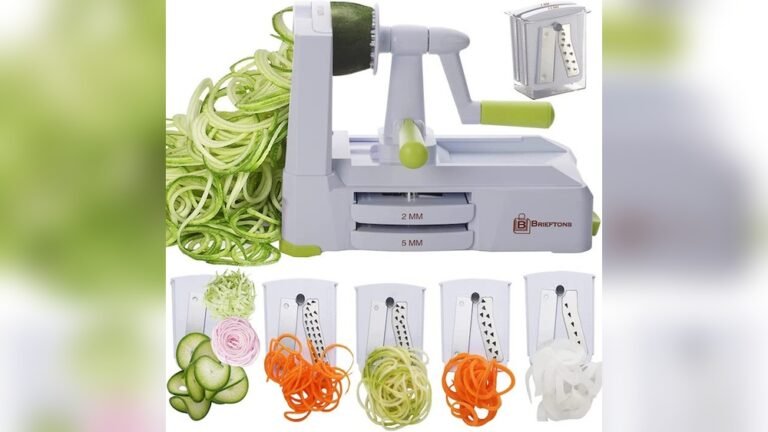
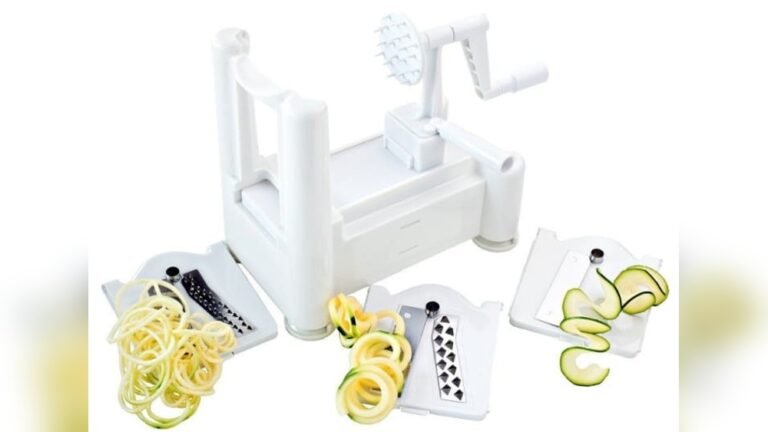
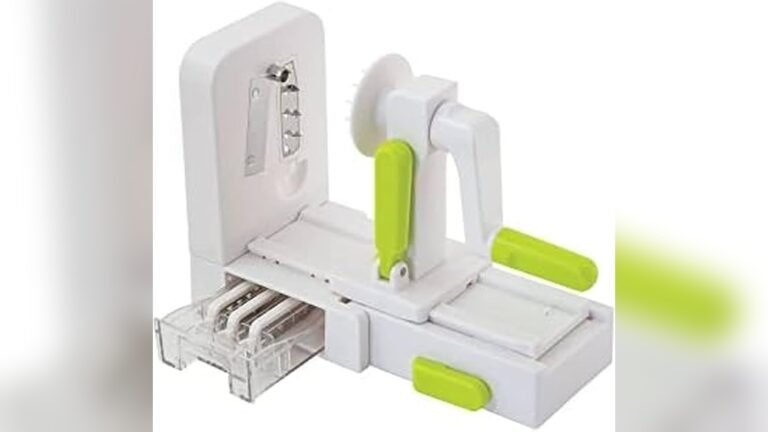
There are three main types of spiralizers: handheld, countertop, and electric. Handheld spiralizers are small and easy to store. Countertop spiralizers are larger and stable, good for heavy use. Electric spiralizers work fast and with less effort, ideal for frequent cooking.
Manual Vs Electric
Manual spiralizers require hand power to twist vegetables. They give you control but need more effort. Electric spiralizers are powered by motors and make spirals quickly. They are great for large quantities or tough vegetables.
Key Features To Consider
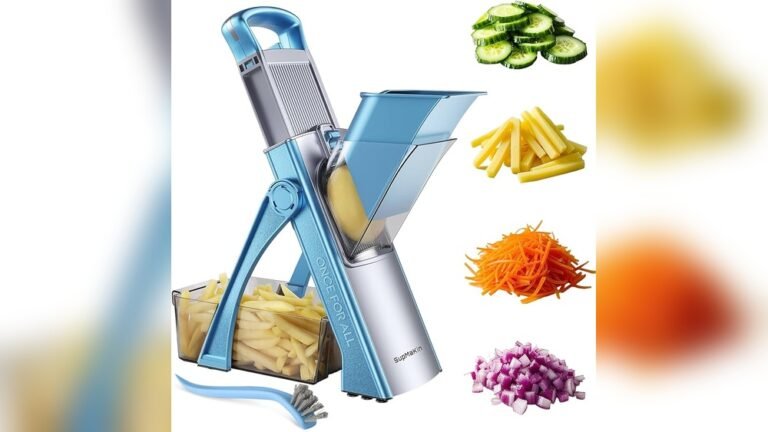
Look for sharp blades to create clean, even spirals. Multiple blade options add variety in noodle shapes. A sturdy base or suction cup keeps the spiralizer steady. Easy cleaning parts save time after use. Compact design helps with storage in small kitchens.

Credit: www.youtube.com
Best Vegetables To Spiralize
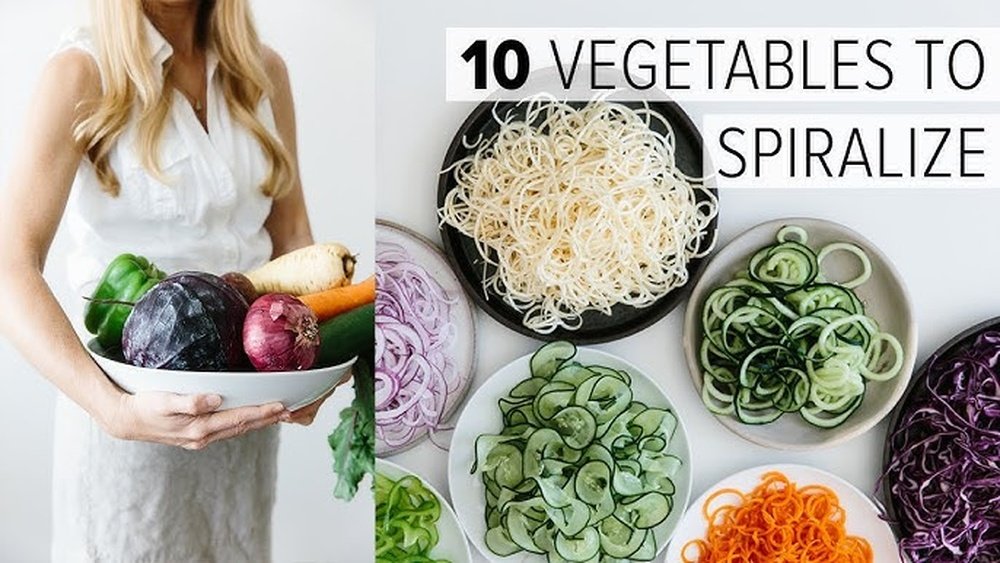
Vegetable spiralizers turn ordinary veggies into fun, noodle-like shapes. Choosing the right vegetables is key. Some work better due to their texture and size. The best vegetables hold their shape and taste great raw or cooked.
Below are some top choices for spiralizing. These vegetables create delicious, healthy dishes with ease.
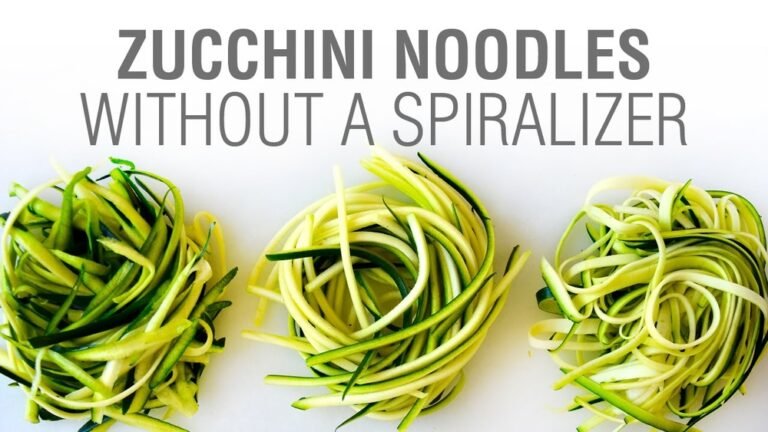
Zucchini And Zoodles
Zucchini is the most popular choice for spiralizing. It creates “zoodles,” which are light and tasty. Zucchini is soft but firm enough to hold the spiral shape. No need to peel it; the skin adds color and nutrients.
Zoodles cook quickly and mix well in many recipes. They are low in calories and perfect for gluten-free meals.
Carrots And Beets
Carrots add a sweet crunch to spiralized dishes. Their firm texture holds up well during cooking. Beets offer a vibrant color and earthy flavor. Both vegetables are rich in vitamins and antioxidants.
Peeling carrots and beets before spiralizing improves texture. They work great in salads or roasted as a side dish.
Cucumbers And Summer Squash
Cucumbers make fresh, crisp spirals ideal for salads. They are juicy and mild in flavor. Summer squash is similar to zucchini but slightly sweeter. Both vegetables spiralize easily and add variety to meals.
Use cucumbers raw to keep their crunch. Summer squash works well in stir-fries or as a pasta substitute.
Kohlrabi And Others
Kohlrabi is a crunchy, slightly sweet vegetable perfect for spiralizing. It adds a unique taste and texture to dishes. Other good options include sweet potatoes, radishes, and turnips. These vegetables offer different flavors and nutrients.
Firm vegetables give the best spiral results. Experiment to find your favorites and enjoy colorful, healthy meals.
Preparing Vegetables
Preparing vegetables properly is key to getting the best results with your vegetable spiralizer. Clean, trimmed, and correctly cut vegetables spiralize easily and produce uniform noodles. This step makes your cooking faster and your dishes look great.
Follow these simple steps to prepare your vegetables before spiralizing.
Washing And Trimming
Start by washing your vegetables under cold water. Remove any dirt or residue completely. Use a vegetable brush for firmer vegetables like carrots or beets. After washing, trim the ends to create flat surfaces. This helps the vegetable stay steady while spiralizing.
Peeling Or Leaving Skin On
Decide if you want to peel your vegetables. Many skins are edible and full of nutrients. Zucchini and cucumbers often keep their skin for color and texture. Peeling is best for vegetables with tough or bitter skins. Peeling can also create a smoother noodle texture.
Cutting For Spiralizing
Cut your vegetables into straight sections about 3 to 4 inches long. Remove any uneven parts to fit the spiralizer’s blades. Straight cuts help create long, even spirals. Avoid very small or thin pieces that may break easily. Proper cutting makes spiralizing easier and safer.
Spiralizing Techniques
Spiralizing techniques help you create perfect vegetable spirals every time. Using the right method makes your dishes look great and taste fresh. Simple steps improve your spiralizing experience and prevent waste.
Follow these tips to handle your vegetable spiralizer with ease. Learn how to set it up, apply proper pressure, and adjust spiral sizes for different recipes.
Setting Up Your Spiralizer
Place your spiralizer on a clean, flat surface. Check that all parts are secure and clean before use. Attach the blade that fits the spiral size you want. Make sure the vegetable holder and handle move smoothly.
Cut vegetables into straight, flat pieces. This helps the spiralizer grip well. Remove any rough or uneven ends to avoid slips. Proper setup saves time and gives better spirals.
Proper Twisting And Pressure
Hold the vegetable firmly against the blade. Twist the handle clockwise with steady pressure. Avoid pushing too hard; let the blade do the work. Too much force can break the spirals or damage the spiralizer.
Keep your movements smooth and consistent. Pause if the spiralizer feels stuck. Check for any hard spots on the vegetable and adjust if needed. Proper pressure creates long, uniform spirals.
Creating Different Spiral Sizes
Choose the blade type for thin or thick spirals. Thin spirals work great for salads or light dishes. Thick spirals add texture for cooked meals or stir-fries.
Experiment with vegetable shapes for unique results. Long, firm vegetables like zucchini or carrots make neat spirals. Softer vegetables may create wider, looser spirals. Change blades and pressure to suit your recipe.
Creative Uses For Spiralized Veggies
Spiralized vegetables offer more than just a fun shape. They bring new textures and flavors to everyday meals. Using a vegetable spiralizer can inspire creativity in the kitchen. It turns simple veggies into exciting dishes that everyone enjoys. Here are some creative ways to use spiralized veggies.
Raw Salads And Bowls
Spiralized veggies add crunch and color to raw salads. Try zucchini, carrots, or cucumbers for fresh, crisp noodles. Mix with cherry tomatoes, herbs, and a light dressing. Spiralized veggies also work well in grain bowls. They add volume and make meals more filling. These salads are quick to prepare and healthy to eat.
Cooked Dishes And Stir-fries
Cook spiralized vegetables lightly to keep their texture. Use them in stir-fries with garlic, soy sauce, and your favorite protein. Spiralized sweet potatoes or beets add sweetness and color. They cook faster than traditional cuts, saving time. This method keeps meals nutritious and full of flavor.
Healthy Pasta Alternatives
Spiralized veggies make great low-carb pasta substitutes. Zucchini noodles, or “zoodles,” are popular for this use. Serve with tomato sauce, pesto, or olive oil and garlic. Spiralized butternut squash or carrots also work well. These alternatives are lighter and more nutritious than regular pasta. They help add variety to your diet.
Cleaning And Maintenance
Keeping your vegetable spiralizer clean helps it work well and last longer. Dirt and food bits can stick to the blades and parts. Cleaning after each use stops buildup and keeps your spiralizer safe to use. Proper care also makes your spiralizer ready for the next meal.
Disassembling Your Spiralizer
Start by unplugging or stopping any motorized spiralizer. Remove the vegetable holder and blade carefully. Take off all removable parts. This makes cleaning easier and safer. Check your model’s manual for exact steps to disassemble.
Cleaning Tips And Tricks
Rinse parts right after use to avoid dried food. Use a soft brush to clean blades gently. Avoid harsh scrubbers that can damage blades. Wash parts with warm, soapy water. Dry all pieces completely before reassembling. Some parts may be dishwasher safe—check the guide.
Storing For Longevity
Keep your spiralizer dry before storing. Store in a cool, dry place away from moisture. Wrap blades in a cloth or blade cover for safety. Store all parts together to avoid losing small pieces. Proper storage protects your spiralizer and keeps it ready.
Troubleshooting Common Issues
Using a vegetable spiralizer can be simple and fun. Yet, some common issues may appear during use. Knowing how to fix these problems helps keep your spiralizer working well. Troubleshooting is easy with the right tips. Below are solutions for typical challenges.
Dealing With Soft Or Watery Veggies
Soft vegetables can clog the spiralizer blades. Choose firm vegetables for best results. If veggies feel watery, slice off wet ends before spiralizing. Press veggies lightly with paper towels to remove extra moisture. This prevents slipping and uneven cuts.
Avoiding Breakage And Jams
Breakage happens when vegetables are too thin or weak. Cut vegetables into larger pieces for better grip. Turn the handle slowly and evenly to avoid jams. Clean the blades often to stop buildup. Use steady pressure, not force, for smooth spiralizing.
Ensuring Even Spiral Cuts
Uneven spirals look less appealing and cook unevenly. Cut vegetables into straight, flat sections before starting. Position the veggie firmly against the blade center. Keep your hand steady and turn the spiralizer at a constant pace. This creates clean and uniform spirals every time.

Credit: www.amazon.com

Credit: www.amazon.com
Frequently Asked Questions
How To Use A Veggie Spiralizer?
Cut vegetables into straight sections. Place flat end on the spiralizer blade. Twist clockwise firmly to create long, uniform spirals.
What Are The Top 5 Veggies People Spiralize?
The top 5 veggies people spiralize are zucchini, carrots, cucumbers, sweet potatoes, and beets. These create tasty, healthy noodles.
Do You Need To Peel Zucchini Before Spiralizing?
No, you don’t need to peel zucchini before spiralizing. The skin is edible, nutritious, and adds color. Peeling is optional for texture or appearance preferences.
Are Spiralizers Worth Buying?
Spiralizers are worth buying for quick, healthy vegetable noodles and creative meals. They save prep time and reduce carbs.
Conclusion
Using a vegetable spiralizer makes healthy meals fun and easy. It helps create fresh, colorful dishes quickly. You can spiralize many vegetables, not just zucchini. Practice cutting straight sections for smooth, even spirals. Clean your spiralizer right after use to keep it working well.
Try different vegetables to find your favorite textures and flavors. Enjoy adding spiralized veggies to salads, soups, or stir-fries. Simple tools like this can inspire better eating habits every day. Keep experimenting and enjoy your tasty, veggie-filled meals!