What is a Blender Used for: Essential Uses You Need to Know
What is a Blender Used For? If you’ve ever wondered whether a blender is just for smoothies or if it can do more in your kitchen, you’re in the right place.
A blender is one of the most versatile tools you can have, and knowing exactly how to use it can save you time and elevate your cooking. Whether you want to whip up creamy soups, make homemade sauces, or crush ice for refreshing drinks, a blender can handle it all.
Keep reading, and you’ll discover surprising ways a blender can simplify your meal prep and inspire new recipes you never thought possible. Your kitchen routine is about to get a whole lot easier!
Credit: www.blender.org
Blender Basics
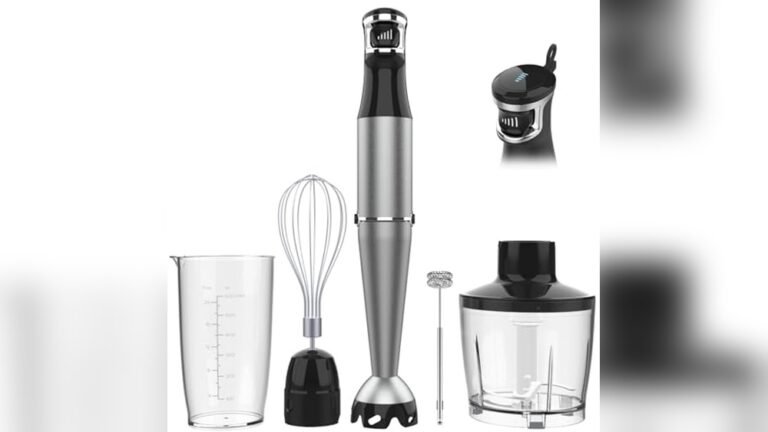
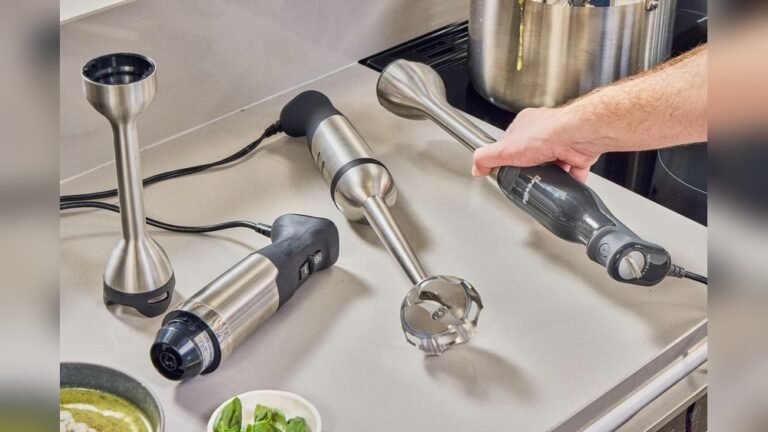
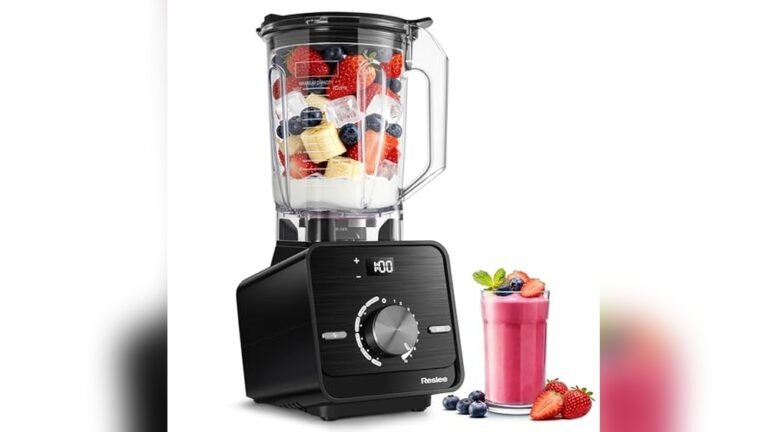
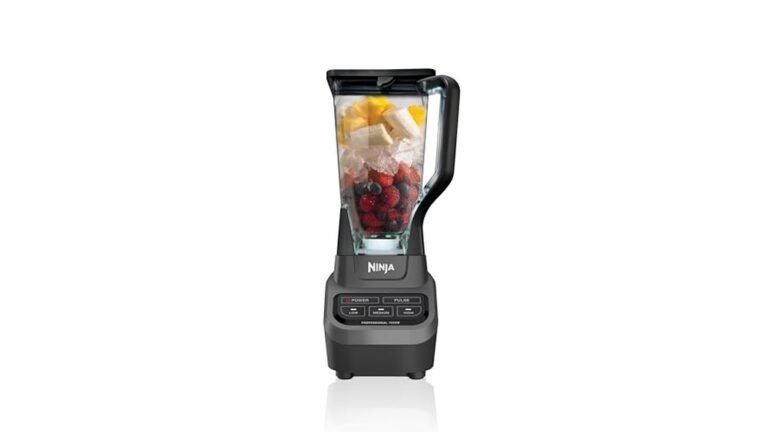
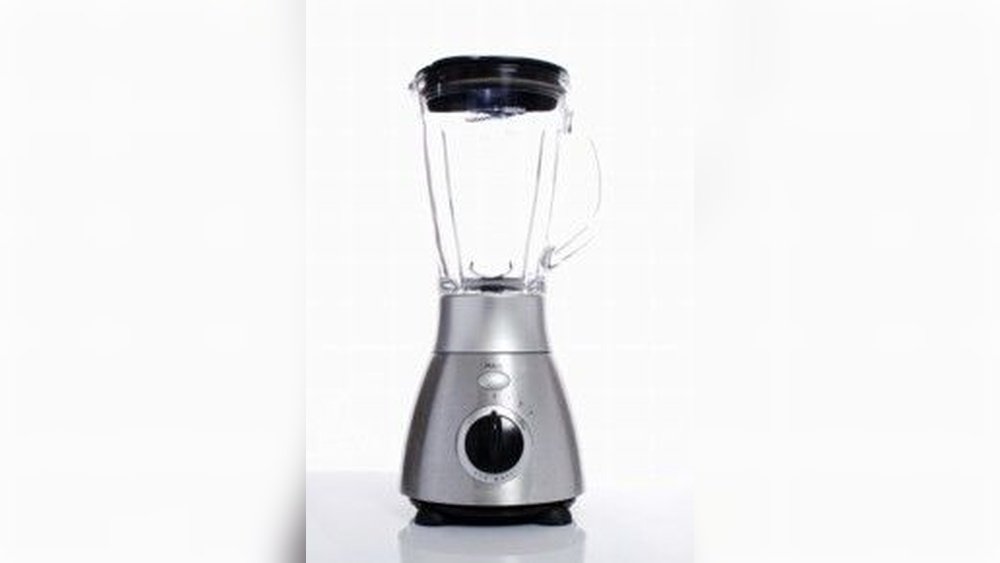
Blenders come in several types. The most common are countertop blenders and immersion blenders. Countertop blenders have a jar and a base with a motor. Immersion blenders are handheld and easy to use in pots.
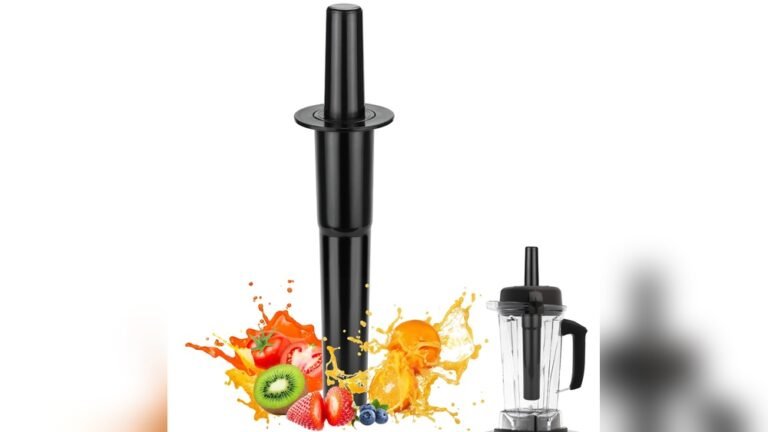
Key components include the blade assembly, motor base, and container. The blades chop and mix ingredients. The motor powers the blades to spin fast.
Blenders work by using sharp blades to cut food. The motor spins the blades quickly. This creates a vortex that pulls food down. The food gets chopped and mixed evenly. Adding liquid helps the process run smoothly.
Food Preparation
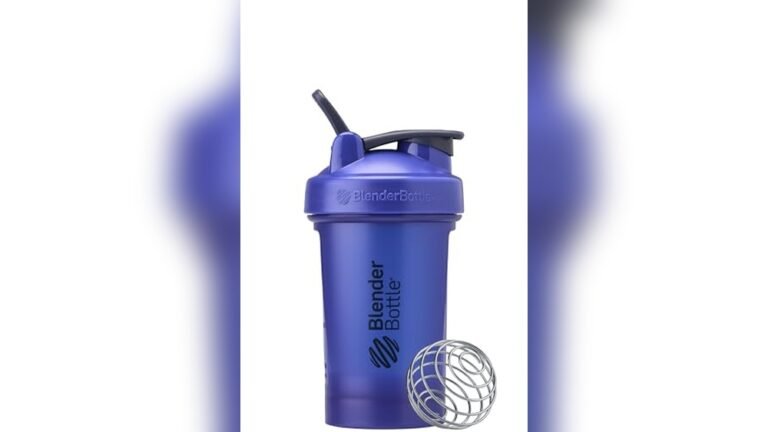
Smoothies and shakes come together quickly with a blender. It blends fruits, yogurt, and ice into a creamy drink. You can mix different flavors and add protein powder or honey for taste.
For soups and sauces, a blender makes the texture smooth and even. Hot or cold ingredients get mixed well. It helps create creamy tomato soup or fresh salsa without chunks.
Purees and baby food are easy to make. A blender softens cooked vegetables and fruits into gentle, smooth meals for babies. It also helps prepare food for people who need softer diets.
Blenders can turn nuts into nut butters and spreads. With some patience, peanuts or almonds become creamy peanut butter or almond spread. No need to buy store-bought versions anymore!
Cooking Enhancements
A blender is great for chopping and mixing ingredients. It quickly cuts vegetables, fruits, and nuts into small pieces. This saves time and effort in the kitchen.
Grinding coffee beans and spices is easy with a blender. It turns whole beans and seeds into a fine powder for fresh, strong flavors.
Blenders can also help in making dough and batters. They mix ingredients smoothly, creating even textures for cakes, pancakes, or bread.

Credit: www.youtube.com
Creative Uses
Blenders are perfect for making frozen drinks and cocktails. They crush ice and mix ingredients smoothly. You can create refreshing smoothies or tasty frozen cocktails easily. Just add fruits, ice, and your favorite drink, then blend.
Making homemade dairy alternatives like almond milk or oat milk is simple with a blender. Soak nuts or oats, blend with water, and strain for fresh, creamy milk without additives. Great for people who avoid dairy.
Blenders help prepare desserts and cheesecakes. Mix cream cheese, sugar, and other ingredients for smooth cheesecake batter. You can also blend ingredients for mousse or pudding quickly. This tool saves time and effort in dessert making.
Blender Safety Tips
Avoid blending hot liquids directly in the blender jar. Hot ingredients can create pressure and cause the lid to pop off. Let hot foods cool slightly before blending, or use small batches. Never blend hard items like ice cubes or frozen fruit without crushing them first. These can damage the blades or motor.
Do not blend sticky or thick doughs, as they can strain the motor. Avoid blending fibrous vegetables like celery or raw potatoes because they may clog the blades.
Always unplug the blender before cleaning. Use warm, soapy water to clean the jar and lid. Be careful with the blades—they are very sharp. Some blender parts may be dishwasher safe; check the manual.
Keep the base dry and wipe it with a damp cloth. Regular maintenance ensures the blender works well and lasts longer.
Choosing The Right Blender
A blender and a food processor both help prepare food, but they do different jobs. Blenders work best for smooth liquids like smoothies and soups. Food processors handle solid foods better, like chopping vegetables or making dough.
An immersion blender is small and handheld. It is good for blending directly in pots or bowls. A regular blender has a jar and base. It works better for larger amounts and thicker mixtures.
| Factor | Immersion Blender | Regular Blender |
|---|---|---|
| Size | Small, portable | Large, countertop |
| Best for | Soups, sauces in pot | Smoothies, ice crushing |
| Cleaning | Easy, small parts | More parts, takes time |
Think about how often you will use it and what foods you want to prepare. Consider space in your kitchen and cleaning ease. Choose the blender that fits your daily needs best.

Credit: froothie.com.au
Conclusion
A blender serves many purposes in the kitchen. It helps you make smoothies, soups, and sauces quickly. You can chop fruits and vegetables with ease. It also blends ingredients for dips and dressings. Using a blender saves time and effort.
It is a useful tool for everyday cooking tasks. With simple steps, anyone can use it safely. A blender is a handy appliance for a healthy lifestyle. Try using one to simplify meal prep and enjoy fresh food.
Hi, I’m Emma Carter, a passionate home cook with over 12 years of hands-on experience in home kitchens. I love testing kitchen tools, trying new recipes, and helping everyday cooks make smarter buying decisions. Every review and guide I write is based on real cooking experience, practical testing, and honest opinions, not marketing claims.