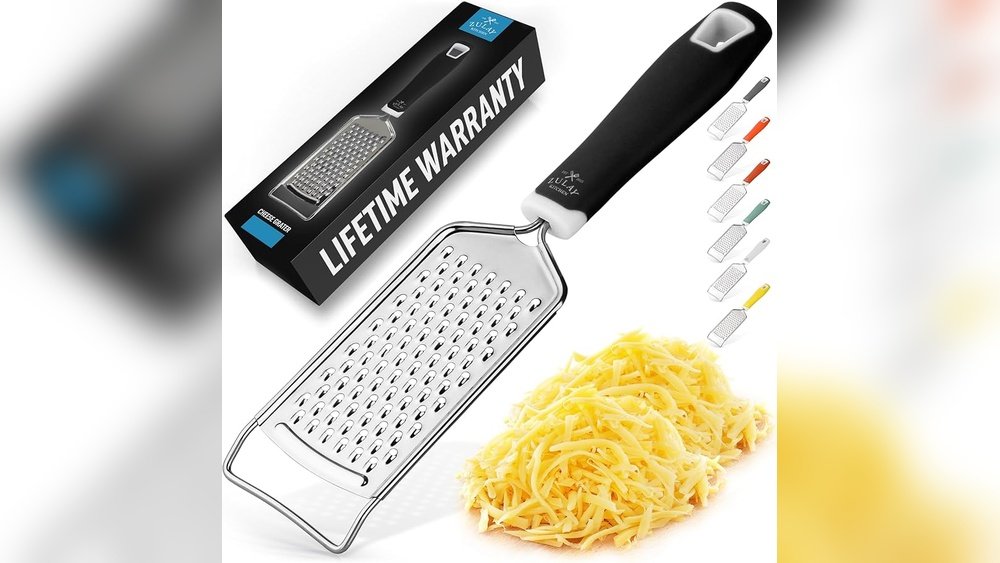
Why is My Cheese Grater Rusting? Causes and Quick Fixes
Have you ever reached for your trusty cheese grater only to find unsightly rust spots ruining your meal prep? You might be wondering, “Why is my cheese grater rusting?”
It’s frustrating, right? Rust not only looks unpleasant but can also affect the taste of your food and even pose health concerns. If you want to keep your cheese grater sharp, safe, and shining like new, it’s important to understand what causes rust and how you can stop it from coming back.
Keep reading to discover easy, practical tips that will save your grater, and your kitchen!
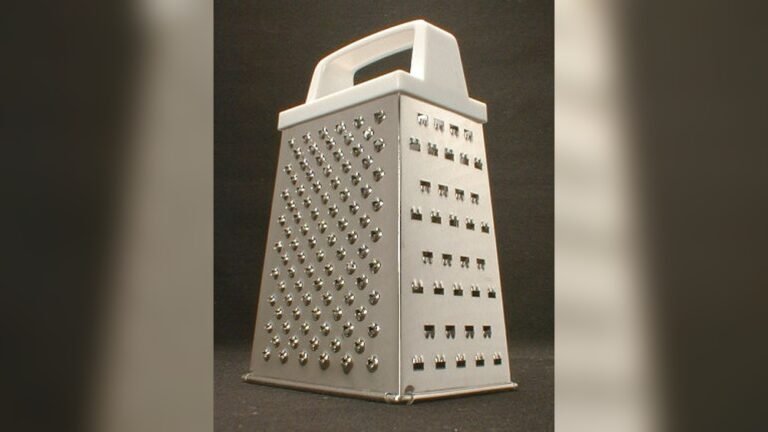
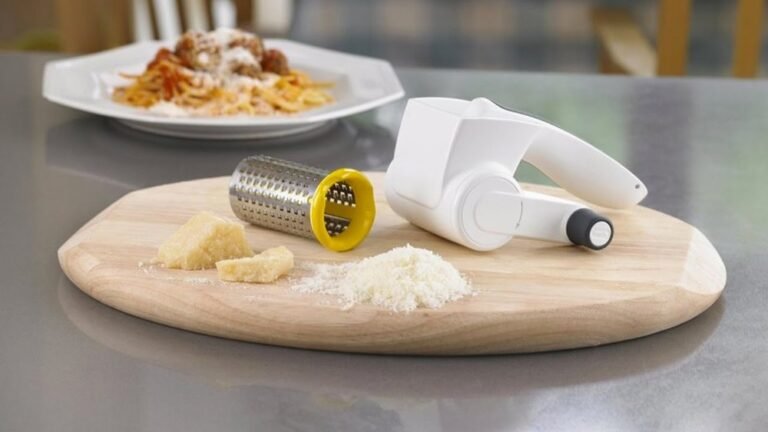
| Rotary Cheese Grater Hand Crank | View on Amazon → |
| OXO Good Grips Two-Fold Etched Grater | View on Amazon → |
| Zyliss Classic Rotary Cheese Grater – NSF Restaurant Certified | View on Amazon → |
| OXO Good Grips Etched Box Grater with Removable Zester | View on Amazon → |
Common Causes Of Cheese Grater Rust
Rust on a cheese grater is a common problem that can ruin your kitchen tool. Understanding the causes helps prevent rust and keeps your grater in good shape. Several factors contribute to rust formation on cheese graters.
Exposure To Moisture
Cheese graters often stay wet after use. Water left on the surface causes rust to form. Even small droplets can start the rusting process. Always avoid leaving your grater damp for long periods.
Improper Drying Techniques
Wiping a grater with a wet cloth or air-drying it slowly leads to rust. Proper drying means using a clean, dry towel immediately after washing. Quick drying stops moisture from settling in small crevices.
Low-quality Materials
Cheap cheese graters use metal that rusts easily. Stainless steel with low chromium content tends to corrode faster. Investing in high-quality materials reduces rust risk and extends the grater’s life.
Storage In Humid Environments
Storing your grater in a damp kitchen or near a sink invites rust. Humidity in the air causes metal oxidation over time. Keep your grater in a dry cabinet or drawer to avoid moisture exposure.
Dishwasher Damage
Dishwashers can harm cheese graters by exposing them to harsh detergents and hot water. This breaks down protective coatings and encourages rust. Hand washing and drying is safer for your grater’s longevity.
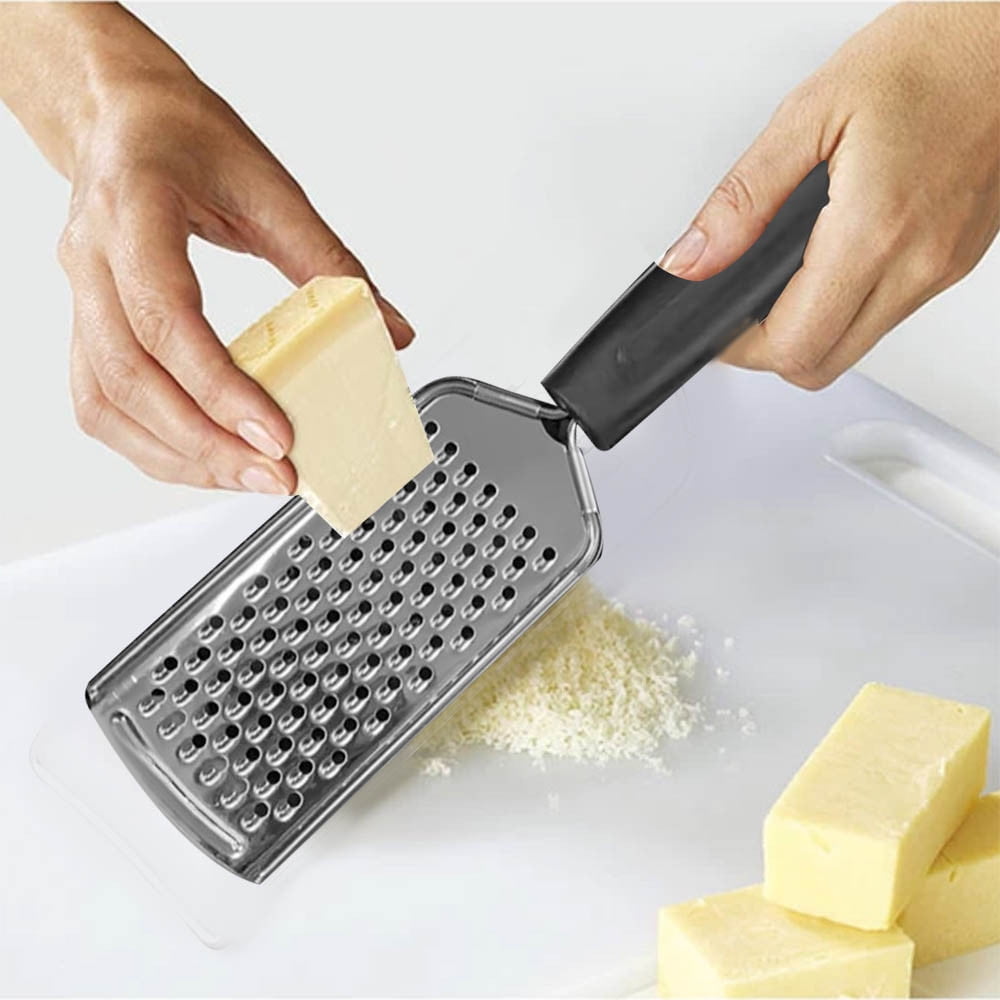
Credit: www.walmart.ca
Health Risks Of Using A Rusty Grater
Using a rusty cheese grater can cause health issues. Rust is a sign that the metal is breaking down. This breakdown can transfer unwanted substances into your food. Understanding these risks helps you keep your kitchen safe.
Potential For Metal Contamination
Rust is iron oxide, which is safe in small amounts but can be harmful in larger doses. When a grater rusts, tiny metal flakes can mix with your food. Eating these flakes might cause stomach discomfort or other health problems. Metal contamination can also increase if the grater has sharp rusted edges that chip off.
Impact On Food Taste And Safety
Rust changes the flavor of food, giving it a metallic or bitter taste. This can ruin your dishes, making them less enjoyable. Eating food with rust particles may also increase the risk of foodborne illness. Rusty surfaces can harbor bacteria, making it unsafe for food preparation.
When To Stop Using A Rusty Grater
Stop using a cheese grater once rust covers a large area or cannot be cleaned off. If rust flakes appear regularly in your food, it is time to replace the grater. Using a rusty grater increases health risks and affects food quality. Regularly inspect your grater and clean it properly to avoid rust buildup.
Easy Methods To Remove Rust
Rust on your cheese grater can be frustrating and unsightly. Removing rust early helps keep your grater safe and effective. Several simple methods can restore your grater to good condition without harsh chemicals. These easy techniques use common household items or tools you might already have.
Using Vinegar Soak
Vinegar contains acetic acid that dissolves rust. Submerge the rusty parts of your grater in white vinegar. Let it soak for several hours or overnight. After soaking, scrub the grater with a brush or sponge. Rinse with water and dry thoroughly to stop new rust from forming.
Scrubbing With Baking Soda
Baking soda is a gentle abrasive that removes surface rust. Make a thick paste by mixing baking soda with water. Apply the paste to rusty areas and let it sit for 15 to 20 minutes. Use a scrub brush or toothbrush to scrub the paste into the rust. Rinse well and dry the grater completely.
Applying Commercial Rust Removers
Commercial rust removers offer a quick solution for tough rust stains. Follow the product instructions carefully for safe use. Usually, you apply the remover, wait a few minutes, then scrub the rust away. Rinse the grater thoroughly and dry it after treatment to prevent further rust.
Sanding And Wire Brushing
Use fine-grit sandpaper or a wire brush for stubborn rust spots. Gently sand or brush the affected areas to lift rust flakes. Be careful not to damage the grater’s surface or sharp edges. After removing rust, wash the grater and dry it well to protect against future rust.

Credit: www.amazon.com
Preventing Rust On Your Cheese Grater
Preventing rust on your cheese grater keeps it safe and effective for daily use. Rust forms when moisture stays on the metal for too long. Taking simple steps stops rust before it starts. These habits protect your grater and extend its life.
Thorough Drying After Washing
Always dry your cheese grater completely after washing. Water left on the surface causes rust quickly. Use a clean towel or let it air dry fully. Check all sides and holes for hidden moisture. Drying well is the easiest way to prevent rust.
Avoiding Dishwasher Use
Dishwashers can harm your cheese grater’s metal. The heat and detergent wear down the protective layer. This damage allows rust to form faster. Hand wash your grater with warm, soapy water instead. Gentle cleaning keeps the metal strong and rust-free.
Proper Storage Solutions
Store your cheese grater in a dry place. Avoid damp drawers or cabinets that trap moisture. Use a utensil holder or hang it up to air out. Good airflow prevents rust and keeps the grater clean. Proper storage helps keep your kitchen tools safe.
Regular Maintenance Checks
Inspect your cheese grater often for rust spots or damage. Early signs of rust can be cleaned off quickly. Use a soft brush or cloth to remove buildup. Fix small problems before they grow bigger. Regular checks protect your grater and ensure safe use.
Choosing Rust-resistant Graters
Choosing a rust-resistant cheese grater can save time and effort. It also keeps your food safe and tasting fresh. Not all graters are equal in their resistance to rust. Knowing which materials and coatings resist rust helps you pick the best grater for your kitchen.
Stainless Steel Options
Stainless steel is a top choice for rust resistance. It contains chromium, which forms a protective layer. This layer stops oxygen and moisture from causing rust. Stainless steel graters stay shiny and strong for years. They also resist stains and corrosion better than regular steel.
Look for graters labeled as 18/8 or 18/10 stainless steel. These numbers show the amount of chromium and nickel. Higher numbers mean better resistance to rust and wear. Stainless steel graters are easy to clean and maintain.
Non-metal Alternatives
Plastic and silicone graters do not rust at all. They are lightweight and safe to use. Some plastic graters have sharp edges made of hardened plastic. They work well for soft cheeses and vegetables. Silicone options are flexible and gentle on food.
Non-metal graters may not be as sharp as metal ones. They can wear down faster with heavy use. Still, they offer a rust-free experience for everyday kitchen tasks. These graters are great if you want to avoid metal rust completely.
Coated And Treated Graters
Some metal graters have special coatings that prevent rust. These coatings act as barriers against moisture and air. Common coatings include enamel, non-stick layers, or powder coatings. They keep the metal underneath safe from rust damage.
Treated graters require careful cleaning to keep the coating intact. Avoid harsh scrubbing or abrasive cleaners. Coated graters blend the strength of metal with added rust protection. They provide a long-lasting grating option with less risk of rust.
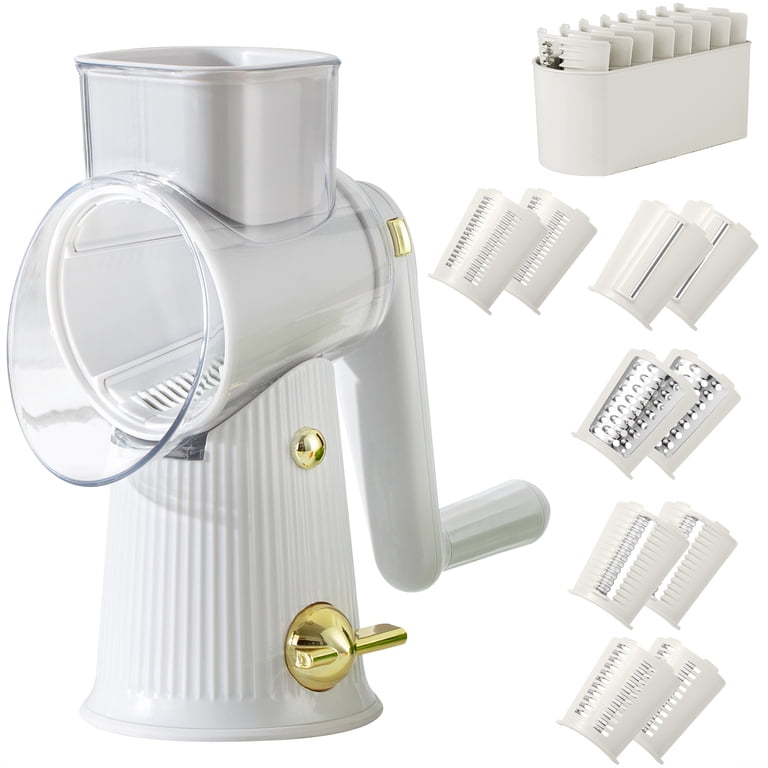
Credit: www.walmart.com
Tips For Cleaning Your Cheese Grater
Cleaning your cheese grater properly helps prevent rust and keeps it sharp. Follow these simple tips to maintain your grater’s quality and safety.
Regular cleaning removes food particles that can cause rust. Use gentle methods to avoid damage and extend its life.
Using Hot Water And Dish Soap
Start by rinsing your grater with hot water. Hot water softens stuck-on cheese and debris. Apply a few drops of dish soap. Use your hands or a soft cloth to scrub gently. Rinse thoroughly to remove all soap. Dry your grater immediately with a towel to stop rust from forming.
Cleaning Against The Grain
Graters have sharp edges that can trap cheese. Clean by scrubbing in the opposite direction of the grater’s teeth. This removes residue without dulling the blades. Use caution to avoid cutting your fingers. This method keeps the grater sharper for longer.
Using Brushes And Sponges Safely
Use a small brush with firm bristles to clean hard-to-reach spots. Avoid metal brushes that can scratch the surface. Soft sponges work well but choose ones that do not shed fibers. Always handle your grater carefully during cleaning to prevent injury.
When To Replace Your Grater
Check your grater regularly for rust spots or dull blades. Rust weakens the metal and can contaminate food. Dull blades make grating difficult and unsafe. Replace your grater if rust is widespread or if it becomes hard to use. A new grater ensures safe and efficient food preparation.
Frequently Asked Questions
Why Is My Cheese Grater Rusting Quickly?
Cheese graters rust due to moisture left on the metal surface. Improper drying after washing causes oxidation. Using low-quality metal can also speed up rust formation.
Is It Safe To Use A Rusty Cheese Grater?
Using a rusty grater is not recommended. Rust can contaminate food and cause health issues. It’s best to clean or replace the grater if rust appears.
How Can I Prevent My Cheese Grater From Rusting?
Always dry your grater immediately after washing. Store it in a dry place. Avoid putting it in the dishwasher, as harsh detergents can cause rust.
What Is The Best Way To Remove Rust From A Grater?
Soak the grater in vinegar for a few hours. Scrub rust off with a wire brush or coarse sandpaper. Rinse thoroughly and dry completely to prevent further rust.
Conclusion
Rust on your cheese grater happens from moisture and poor drying. Clean and dry it quickly after use to stop rust. Avoid leaving it wet or soaking it too long. Using vinegar or a scrubbing pad helps remove rust safely.
Replace your grater if rust returns or sharpness fades. Taking care keeps your grater safe and lasts longer. Simple habits prevent rust and maintain good kitchen tools.

Hi, I’m Emma Carter, a passionate home cook with over 12 years of hands-on experience in home kitchens. I love testing kitchen tools, trying new recipes, and helping everyday cooks make smarter buying decisions. Every review and guide I write is based on real cooking experience, practical testing, and honest opinions, not marketing claims.