What is the Best Way to Clean a Coffee Maker: Ultimate Guide
You rely on your coffee maker every morning to kickstart your day with that perfect cup of coffee. But have you ever thought about what’s lurking inside your machine?
Over time, coffee oils, mineral deposits, and residue build up, affecting the taste of your brew and the performance of your coffee maker. If you want your coffee to taste fresh and your machine to last longer, cleaning it regularly is a must.
So, what is the best way to clean a coffee maker? Keep reading, and you’ll discover simple, effective steps that anyone can follow to keep your machine spotless and your coffee delicious.
Credit: www.thekitchn.com
Cleaning Essentials
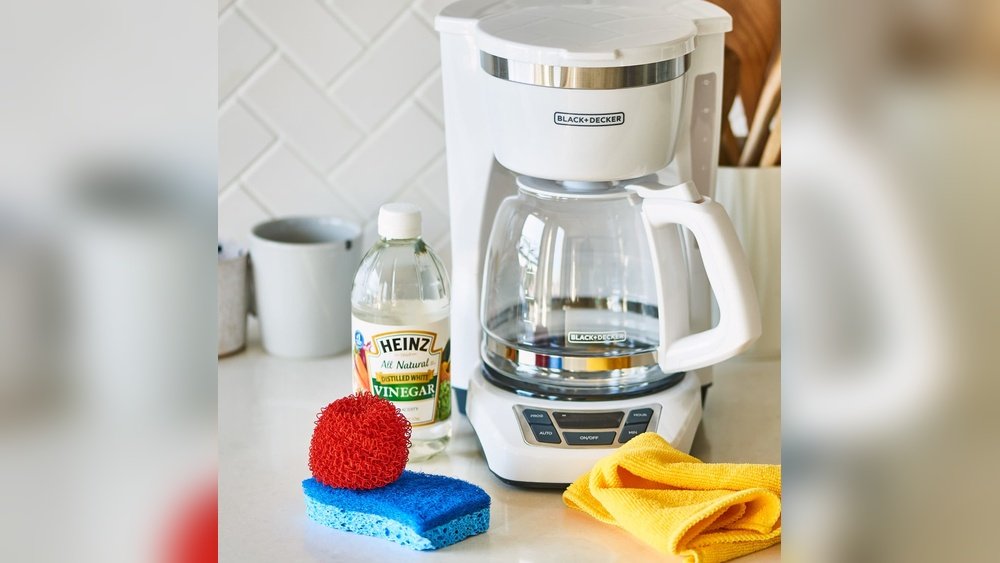
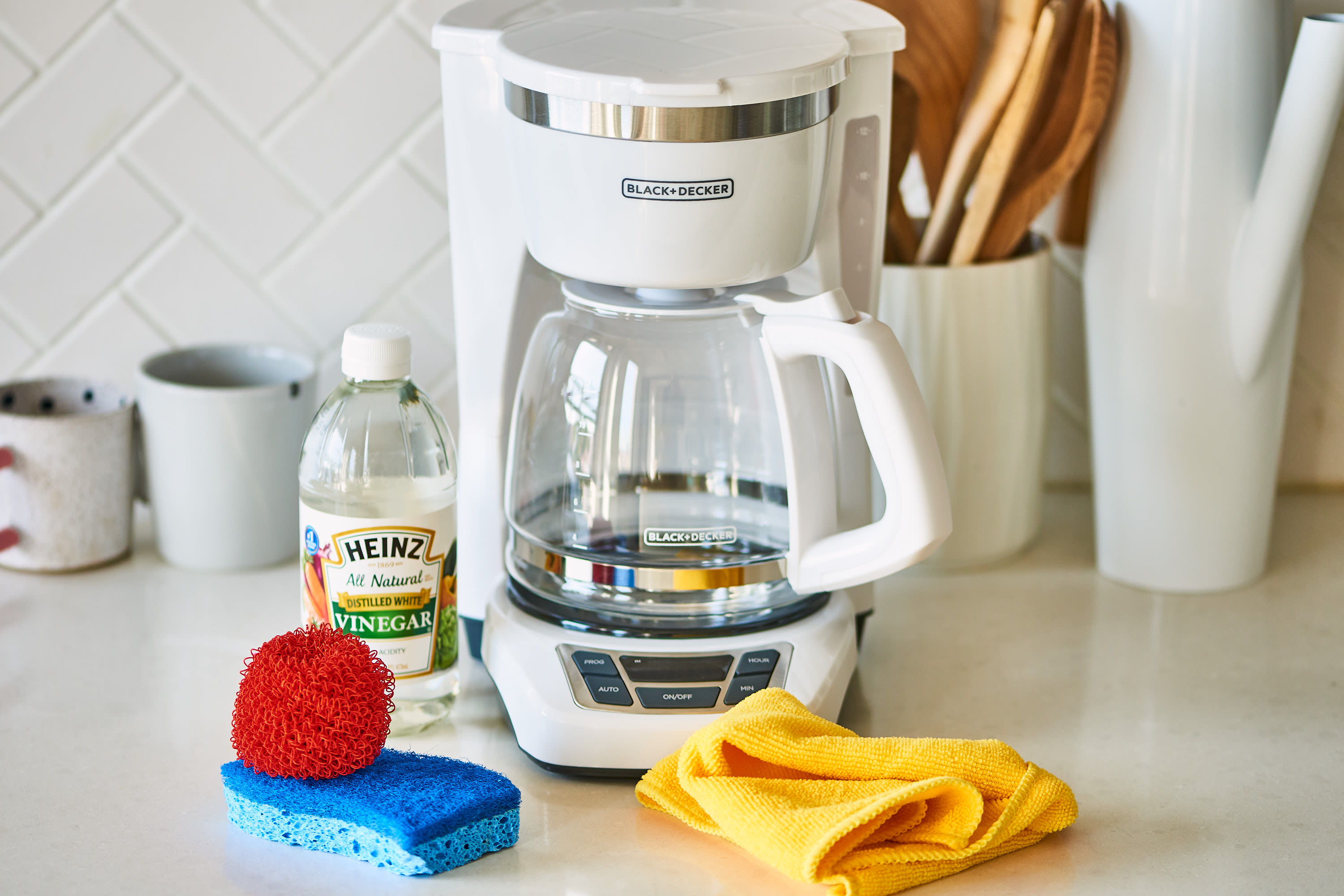
Choosing the right cleaning solution is key for a clean coffee maker. White vinegar is a popular, safe option. It helps remove mineral buildup and kills germs. You can also buy special descaling products made for coffee machines. These are gentle and effective.
Tools needed include a clean cloth, soft brush, and a measuring cup. A toothbrush works well for scrubbing small parts. Have a clean container ready to soak removable parts like filters and carafes.
Use warm water to rinse after cleaning. This stops any leftover cleaner from affecting your coffee taste. Keep all tools and solutions handy before starting the cleaning process.
Credit: www.youtube.com
Preparing The Coffee Maker
First, empty all coffee grounds from the machine. Remove any used filters and discard them. Take out the carafe and filter basket carefully. Fill a basin with warm water and add mild dish soap. Soak the carafe, filter basket, and any removable parts for about 15 minutes. This helps to loosen oils and coffee residue.
Use a soft cloth or sponge to gently scrub these parts after soaking. Avoid harsh brushes that can scratch surfaces. Rinse each part well with clean water to remove soap. Let them air dry on a clean towel or drying rack before putting them back.
Descaling Process
Fill the water reservoir with equal parts of white vinegar and water. This mixture helps to break down mineral deposits inside the coffee maker. Avoid using too much vinegar as it can leave a strong smell.
Start the cleaning cycle by running the coffee maker as if you were brewing coffee. Let the vinegar solution run through the machine completely. This step loosens scale and buildup in the internal parts.
After the vinegar cycle finishes, run two or three cycles with plain water. This flushes out any leftover vinegar taste and smell. Be sure to use fresh water for these cycles.
Commercial descalers work similarly and can be used instead of vinegar. Follow the instructions on the product label carefully for the best results.
Rinsing And Flushing
Flushing a coffee maker with water only helps remove leftover coffee oils and particles. Use clean, warm water to run through the machine. This rinses out any residue without adding chemicals.
Run the water through the brew cycle at least two times. This ensures the water flows through all parts. Make sure the water tank is filled before each flush.
Rinsing removes any taste or smell from cleaning products. It also protects the machine and keeps coffee tasting fresh. Always flush after using any cleaning solution.
Cleaning Removable Components
Start by washing the carafe with warm, soapy water. Use a soft sponge to avoid scratches. Rinse the carafe well to remove all soap.
Next, clean the filters. Paper filters should be thrown away after use. If you have a reusable filter, rinse it under warm water. Use a soft brush to remove coffee residue.
Dry all parts completely with a clean cloth or let them air dry. This prevents water spots and mold growth.
Once dry, reassemble the coffee maker carefully. Make sure each part fits properly to avoid leaks or damage during brewing.
Exterior Cleaning
Use a soft, damp cloth to wipe down all exterior surfaces of the coffee maker. This removes dust, coffee stains, and spills easily. Avoid using harsh chemicals that can damage the finish.
For buttons and screens, gently clean with a microfiber cloth. If needed, slightly dampen the cloth with water. Never spray liquids directly on buttons or screens to prevent damage.
Pay attention to crevices around buttons. Use a cotton swab or soft brush to clean small areas where dirt may build up. This keeps the machine looking neat and working well.
Quick Maintenance Tips
Daily rinsing helps keep the coffee maker fresh. After each use, empty leftover coffee grounds and rinse the basket and carafe with warm water. Wiping the outside with a damp cloth prevents buildup of dirt and stains. This simple habit stops bad smells and keeps coffee tasting good.
For monthly deep cleaning, run a mixture of equal parts white vinegar and water through the machine. This helps remove mineral deposits inside. After the vinegar cycle, run two cycles with plain water to rinse well. Soak removable parts like filters and carafes in soapy water, then rinse and dry them before putting back.
Avoid common mistakes such as using harsh chemicals or skipping rinse cycles. Never soak the whole machine in water. Do not use vinegar too often, as it can damage parts. Always follow the manufacturer’s cleaning instructions to keep your coffee maker working well for a long time.
:max_bytes(150000):strip_icc()/6-coffee-maker-components-washed-separately-045ca3f7a9b14ec29aa07f32b3c9555f.jpg)
Credit: www.foodandwine.com
Special Coffee Maker Types
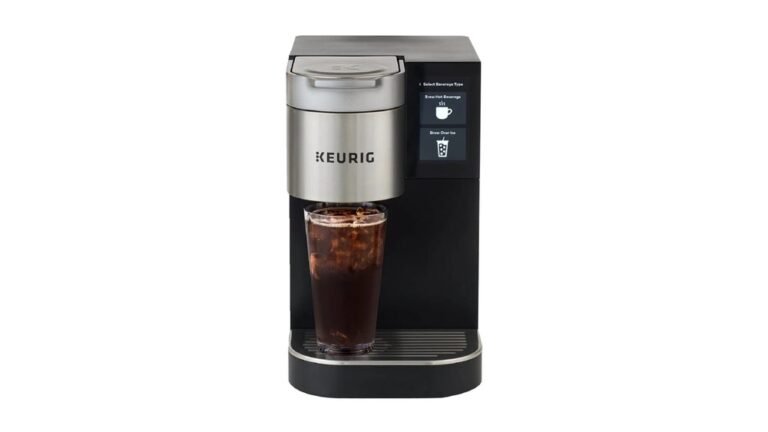
Pod brewers need regular cleaning to avoid clogs and bad tastes. Empty the water tank, then run a cycle with a mix of water and vinegar. Run two or three cycles with clean water to rinse out the vinegar. Remove and clean the pod holder with warm, soapy water. Wipe the outside with a damp cloth.
French presses are easy to clean. Disassemble all parts and soak them in warm, soapy water. Use a soft brush to remove leftover coffee grounds. Rinse thoroughly and dry before reassembling. Avoid harsh scrubbing to protect the glass and metal.
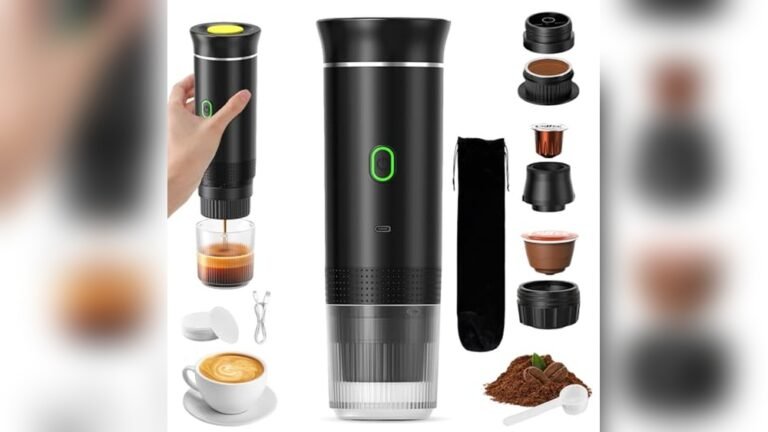
Espresso machines require more care. Use a machine-approved cleaning powder for backflushing the group head. Clean the portafilter and baskets by soaking them in a special detergent. Wipe the steam wand after each use and purge it with steam. Regular descaling prevents mineral build-up and keeps coffee tasting fresh.
Conclusion
Cleaning your coffee maker keeps your coffee tasting fresh and pure. Regular care prevents buildup and extends your machine’s life. Use simple solutions like vinegar and water for best results. Rinse thoroughly to avoid any leftover taste. Remember to clean removable parts separately for a deeper clean.
A clean coffee maker means a better cup every time. Stay consistent with your cleaning routine for lasting benefits.

Hi, I’m Emma Carter, a passionate home cook with over 12 years of hands-on experience in home kitchens. I love testing kitchen tools, trying new recipes, and helping everyday cooks make smarter buying decisions. Every review and guide I write is based on real cooking experience, practical testing, and honest opinions, not marketing claims.