Avocado Slicer Keeps Slipping Fix: Simple Solutions That Work
If your avocado slicer keeps slipping, you’re not alone. Many new cooks and home users face this annoying problem. It can make slicing messy and even dangerous. As someone who’s spent years in the kitchen, I know how frustrating it feels when a simple tool doesn’t work as expected. Let’s break down why slicers slip, how to fix it, and how to make avocado prep easy, safe, and stress-free, even if you’re just starting out.
Why Does The Avocado Slicer Slip?
Understanding the cause is the first step to solving the problem. Most slicers slip for three main reasons:
- Slicer handle is too smooth – No grip means your hand slides.
- Avocado is too ripe or too hard – Texture affects slicing.
- Wrong slicing technique – Angle and pressure matter.
Some slicers also have loose blades or cheap materials that make them less stable. If you’re using a budget slicer or one that came in a kitchen starter pack, it might not be designed for easy grip or tough skins.
Common Causes In Detail
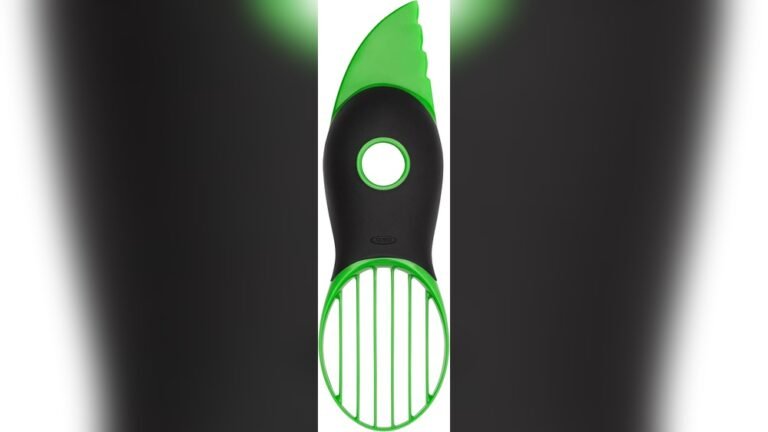
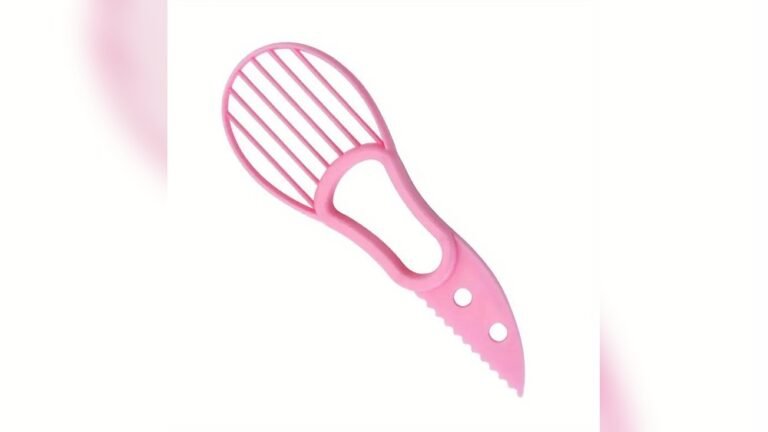
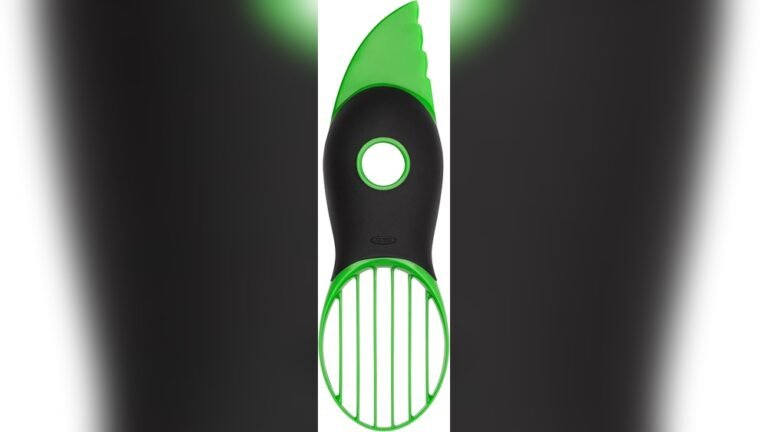
- Handle design: Many avocado slicers have plastic handles. If they’re shiny or round, they can slip easily when your hands are wet.
- Blade sharpness: Dull blades need more force, which makes slipping worse.
- Avocado condition: Very ripe avocados are soft and slippery. Hard avocados need more pressure, which can make the slicer move unexpectedly.
- Hand moisture: Wet or oily hands lose grip. This happens often when prepping multiple avocados.
Knowing these reasons helps you pick the right fix.
Simple Steps To Stop Your Avocado Slicer From Slipping
Most fixes are easy and need only basic kitchen items. Here’s how to solve the problem step-by-step.
1. Dry Your Hands And The Slicer
Always start with dry hands. Wipe the slicer handle with a towel before use. If your hands are oily from cutting other foods, wash and dry them.
2. Add Grip To The Handle
If the handle is slippery, try these solutions:
- Wrap a rubber band around the handle for extra grip.
- Use silicone sleeves (from kitchen stores) to cover the handle.
- For a quick fix, wrap the handle with paper towel and hold tight.
These methods add friction and reduce slipping.
3. Check Avocado Ripeness
Use avocados that are slightly soft but not mushy. If they’re very hard, leave them on the counter for a day or two. If too soft, slice gently to avoid making a mess.
4. Slice At The Right Angle
Hold the slicer at a slight angle—not flat on the avocado. This helps the blades cut cleanly and prevents sliding. Don’t push too hard; let the slicer do the work.
5. Sharpen Or Replace Dull Blades
If your slicer blade feels dull, sharpen it if possible. Some slicers have removable blades you can sharpen with a kitchen stone. If not, consider buying a new one with sharp, stainless steel blades.
6. Use Two Hands For Control
Hold the avocado steady with one hand and use the slicer with the other. If you feel slipping, stop and adjust your grip before continuing.
7. Avoid Wet Surfaces
Work on a dry cutting board. Wet boards or countertops can cause the slicer to slip and make slicing unsafe.
8. Clean After Each Use
Residue from previous avocados builds up and makes slicers slippery. Wash with warm, soapy water and dry well after each use.
:max_bytes(150000):strip_icc()/alr-avocado-hand-tools-to-avoid-it-1fc3db6f7c99429d85e77f20089660d4.jpg)
Credit: www.allrecipes.com
Comparing Avocado Slicer Types For Better Grip
Choosing the right slicer can make a huge difference. Let’s look at some common types and their grip features.
| Slicer Type | Handle Grip | Blade Material | Ease of Use |
|---|---|---|---|
| Plastic, Budget | Low (often slippery) | Plastic | Fair for soft avocados |
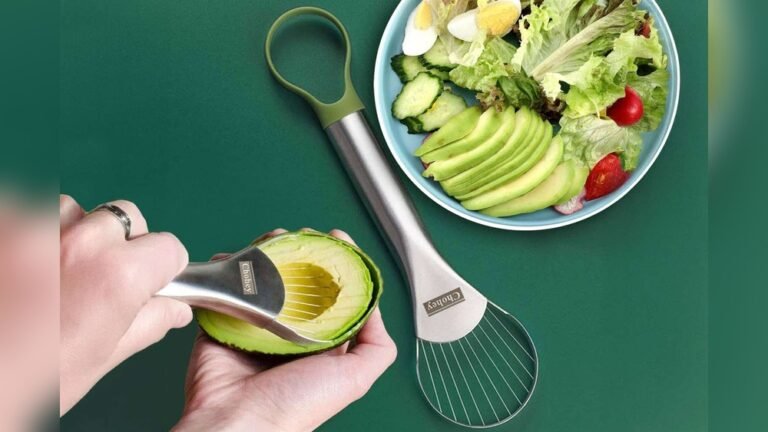
| Silicone Grip | High (non-slip) | Stainless Steel | Easy for all ripeness |
| Metal, Professional | Medium (may need grip sleeve) | Steel | Good for hard avocados |
If you’re buying a new slicer, look for silicone or textured handles. Stainless steel blades are sharper and last longer. Avoid all-plastic tools if you want reliable grip.
Safety Tips When Using An Avocado Slicer
Safety is important, especially for beginners. Here’s how to avoid accidents:
- Never rush. Slipping is more likely when you move fast.
- Hold the avocado securely, but keep fingers away from the blade area.
- Use a cut-resistant glove if you’re nervous or have shaky hands.
- Clean slicer blades carefully. Dull blades can still cut skin.
Extra Safety Advice
Always cut the avocado in half before using the slicer. Remove the pit with a spoon, not the slicer. Some slicers offer a pit remover, but it can slip—especially on hard pits.
Practical Maintenance For Your Avocado Slicer
A well-maintained slicer works better and slips less. Here’s how to keep yours in top shape:
- Wash after each use. Soap removes oils and avocado residue.
- Dry the slicer fully—moisture leads to slippery handles.
- Sharpen blades if possible. Some slicers allow blade replacement.
- Store in a dry place. Avoid leaving it in a wet sink or drawer.
| Maintenance Task | Frequency | Why It Matters |
|---|---|---|
| Wash and dry | After every use | Removes slippery residue |
| Sharpen blade | Monthly (if possible) | Keeps blade efficient |
| Inspect handle | Weekly | Prevents unexpected slipping |
If you see cracks or loose parts, fix them right away or replace the slicer.
Common Mistakes New Users Make
Many beginners repeat the same errors. Avoid these to make slicing smoother:
- Using wet hands or boards
- Picking very soft or very hard avocados
- Slicing too fast or with too much force
- Ignoring handle grip or blade sharpness
- Not cleaning after use
Fixing these mistakes can instantly improve your experience.
When To Replace Your Avocado Slicer
Sometimes, fixing isn’t enough. Here’s when you should consider buying a new slicer:
- Handle is cracked or broken.
- Blade is dull and can’t be sharpened.
- Slicer slips even after adding grip.
- Tool feels unsafe or uncomfortable.
A new slicer, especially with non-slip handle and sharp blades, is a smart investment. Prices range from $5 to $20, depending on materials and design.
Signs Your Slicer Needs Replacement
If you notice rust, loose blades, or parts falling off, it’s time for a replacement. Good slicers last years with proper care.
| Condition | Replace? | Reason |
|---|---|---|
| Cracked handle | Yes | Unsafe grip |
| Dull blade | Maybe | If sharpening fails |
| Rust | Yes | Health risk |
| Loose parts | Yes | May break during use |
Replacing your slicer ensures you avoid frustration and stay safe.
Extra Tips For Perfect Avocado Slicing
You can make avocado prep easier with a few extra tricks:
- Use a spoon for scooping if the slicer still slips.
- Chill avocados for 10 minutes before slicing; firmer flesh slips less.
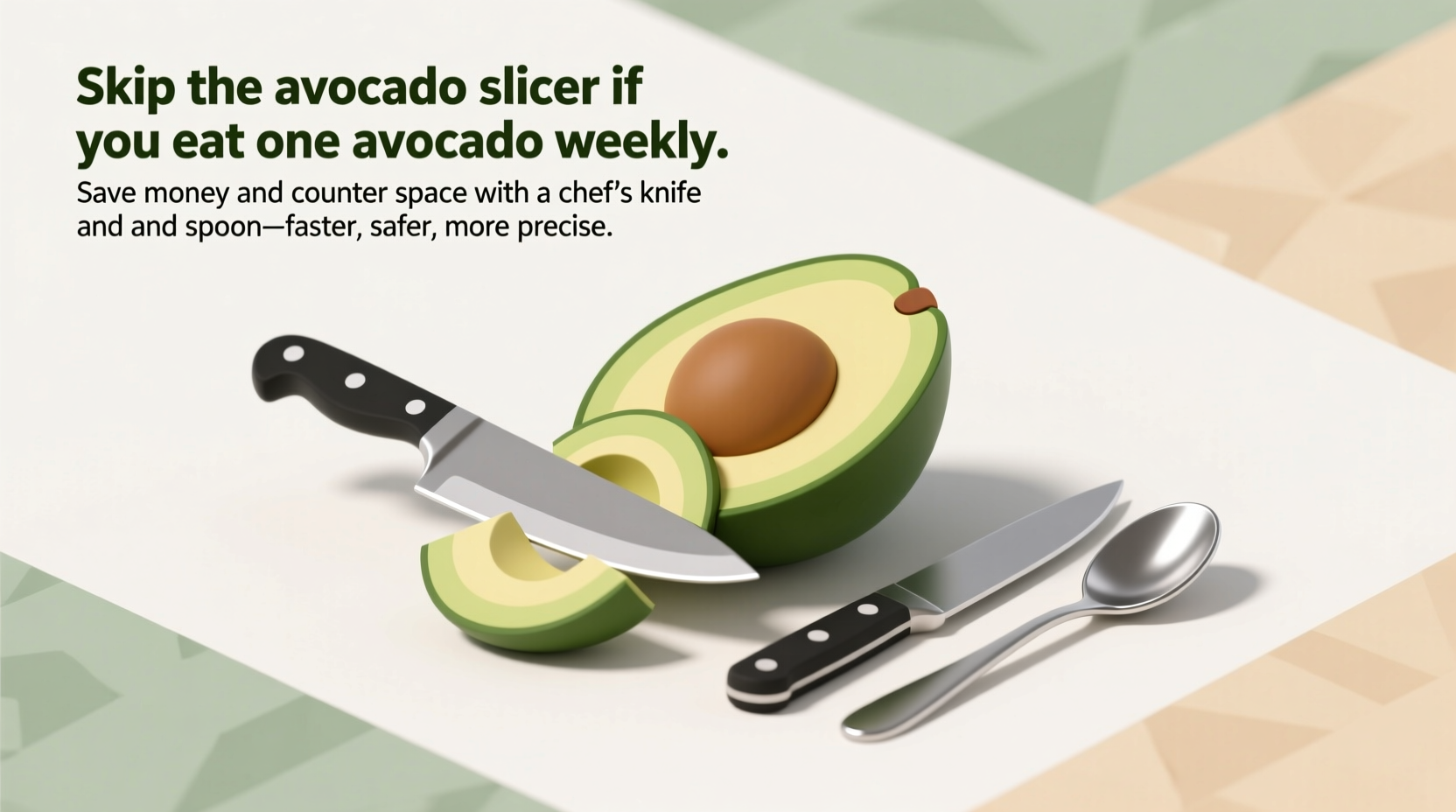
- Try slicing with a sharp chef’s knife if all else fails.
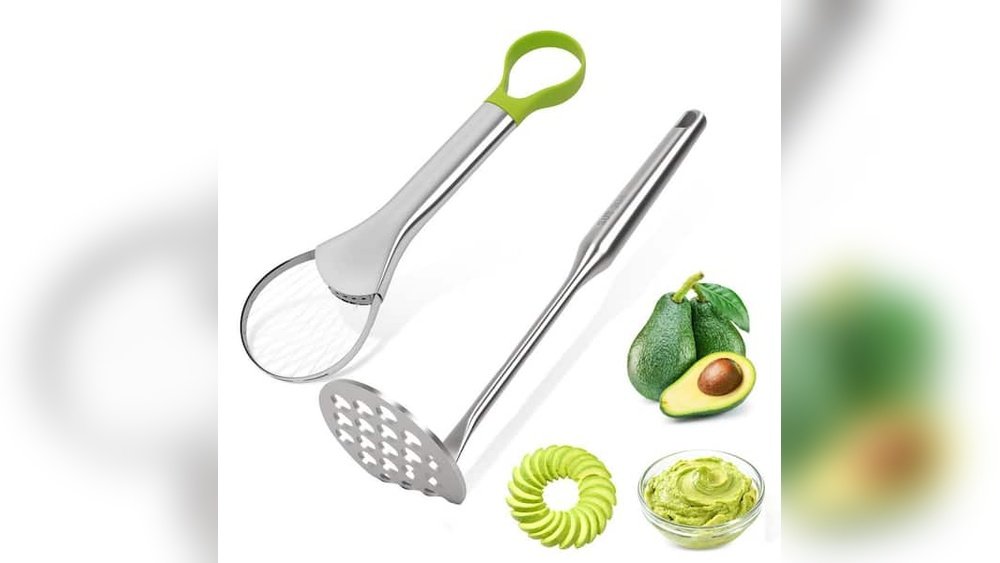
If you love guacamole, use a potato masher for soft avocados instead of a slicer. It’s safer and faster.

Credit: www.amazon.com
Real Example: Fixing Slipping In Everyday Kitchens
Let’s look at a real-life case. Maria, a new home cook, bought a budget slicer. It slipped every time she tried to slice soft avocados. After wrapping the handle with a rubber band and drying her hands, the slicer stopped slipping.
Later, she upgraded to a silicone grip slicer, and slicing became effortless.
This simple fix can work for you, too.
Frequently Asked Questions
Why Does My Avocado Slicer Slip Even When I Hold It Tight?
Slipping often happens because the handle is smooth or your hands are wet. Try drying your hands and adding a rubber band or silicone sleeve to the handle for better grip.
Can I Sharpen My Avocado Slicer Blade?
Some slicers have removable blades that can be sharpened with a kitchen stone. If yours doesn’t, and the blade is dull, it’s best to replace the slicer.
Is It Safe To Use A Slicer On Very Hard Avocados?
It’s not recommended. Hard avocados need more force, which can cause the slicer to slip and increase risk of injury. Wait until the avocado is slightly soft before slicing.
What’s The Best Material For A Non-slip Avocado Slicer?
Silicone handles and stainless steel blades offer the best grip and durability. Avoid all-plastic slicers if you want a safer, non-slip experience.
Where Can I Find Reliable Avocado Slicers?
Look for reputable kitchen brands online or in stores. For more information on slicer types and grip technology, visit Wikipedia.
Credit: lifetips.alibaba.com
Confident Takeaway For First-time Users
If your avocado slicer keeps slipping, don’t let it ruin your kitchen fun. Dry your hands, add grip to the handle, check the avocado’s ripeness, and use safe slicing techniques. Maintenance and choosing the right tool matter, too. With these simple steps, you’ll slice avocados safely and easily—no stress, no slips. If your slicer is old or poorly made, upgrade to a new one with a non-slip handle. Cooking should feel joyful, not risky. Now you’re ready to prep avocados like a pro, even if it’s your first time.

Hi, I’m Emma Carter, a passionate home cook with over 12 years of hands-on experience in home kitchens. I love testing kitchen tools, trying new recipes, and helping everyday cooks make smarter buying decisions. Every review and guide I write is based on real cooking experience, practical testing, and honest opinions, not marketing claims.